As a cat owner, you are likely used to your feline friend spending hours each day meticulously grooming themselves. Cats are known for their cleanliness, so it can be a bit surprising when you notice their coat losing its luster. If you are wondering why does my cat's fur look greasy and clumped, you are not alone. This change in appearance is often a subtle signal from your pet that they need a little extra help with their wellness routine.
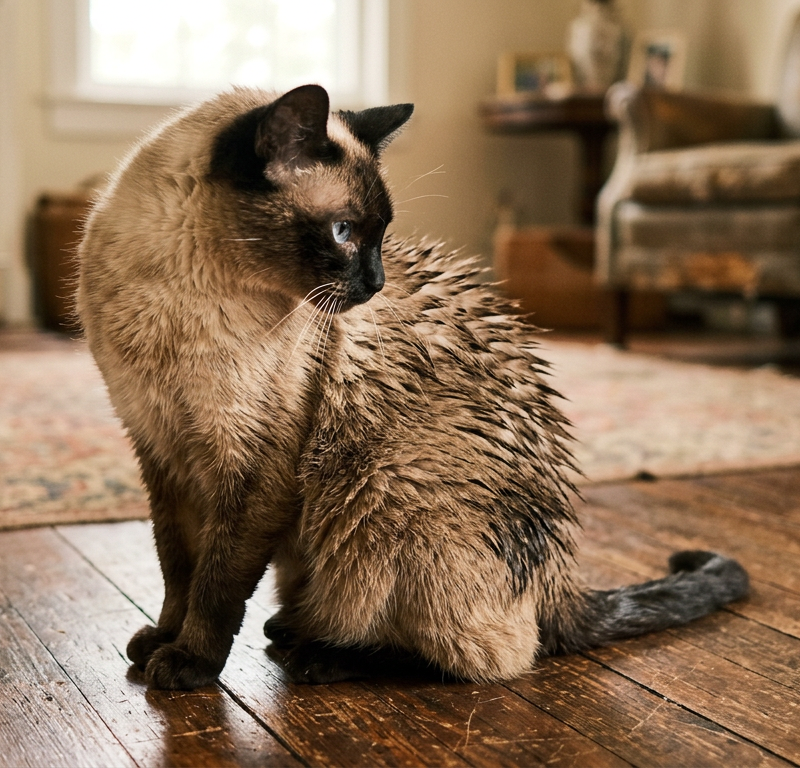
A healthy cat coat should be soft, shiny, and free of oily residue or mats. When the fur begins to separate into "spiky" sections or feels tacky to the touch, it typically indicates that the natural oils produced by the skin are not being distributed correctly. Understanding the underlying reasons for these coat changes is the first step toward restoring your cat’s silky texture.
Common Reasons for Greasy Cat Fur
There are several reasons why a cat might stop grooming effectively or produce excess oil. One of the most common factors is related to mobility. As cats age, they may develop stiffness in their joints, making it difficult to reach certain areas like the lower back or the base of the tail. You can check your pet's life stage using our Maine Coon age calculator or similar tools for other breeds to see if they are entering their senior years.
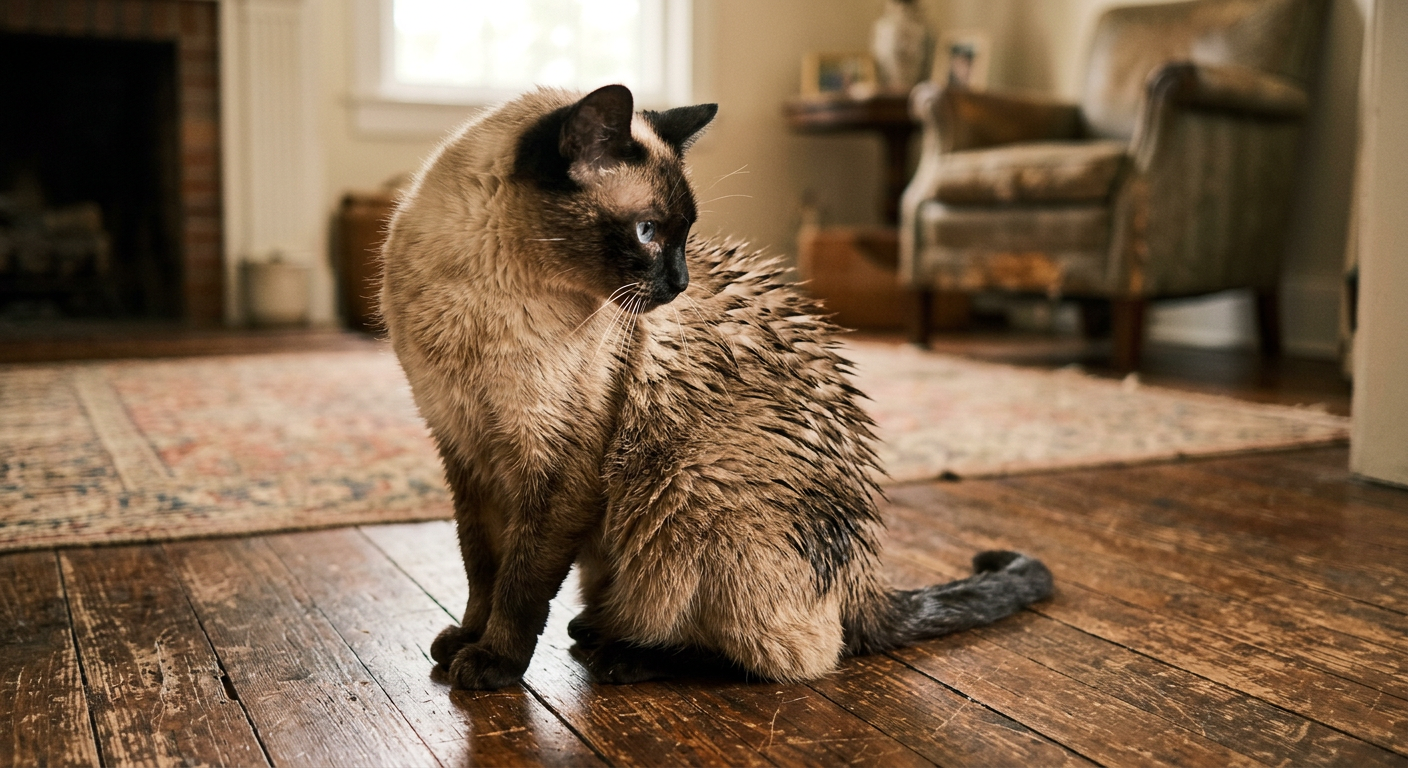
Weight also plays a significant role in coat health. Overweight cats often have physical limitations that prevent them from reaching their entire body. If a cat cannot reach a specific spot, the sebum (natural skin oil) builds up, leading to a clumped and oily appearance. Addressing weight through proper diet, which you can learn about in our guide to pet nutrition labels, can often resolve these grooming challenges.
Dental Wellness and Grooming
It might seem unrelated, but oral health is deeply connected to a cat's ability to groom. If a cat is experiencing discomfort in their mouth, they may avoid using their tongue and teeth to clean their fur. Because grooming requires a lot of "mouth work," any dental sensitivity can lead to a neglected coat. Maintaining dental care basics is essential for overall feline hygiene.
Identifying Clumped and Separated Fur
When a cat's coat begins to clump, it often looks like the hair is sticking together in small bundles. This is different from mats, which are tangled knots of dead hair. Clumping is usually the result of excess moisture or oils holding the hair shafts together. If you notice this specifically at the base of the tail, it could be a condition known as "stud tail," where the sebaceous glands are overactive.
Environmental factors can also contribute to a disheveled appearance. High humidity or a dusty environment can cause particles to stick to the natural oils in the fur, creating a grimy texture. If your cat spends time outdoors, they may also pick up substances that make their coat feel tacky or look separated.
Health Considerations for Coat Changes
While grooming habits are often the culprit, certain internal wellness considerations can manifest as skin and coat issues. Conditions that affect a cat's metabolism or hydration levels can alter the quality of their fur. For example, if a cat is feeling generally unwell, grooming is often the first "luxury" activity they drop from their daily schedule.
- Hyperthyroidism: This common condition in older cats can cause the skin to produce excess oil and the fur to appear unkempt.
- Diabetes: Changes in metabolism can lead to a dry, flaky, or greasy coat depending on the individual cat.
- Skin Infections: Fungal or bacterial issues can cause the skin to produce more sebum as a defense mechanism.
- Allergies: Sensitivities to food or environmental triggers can lead to skin inflammation and oil production.
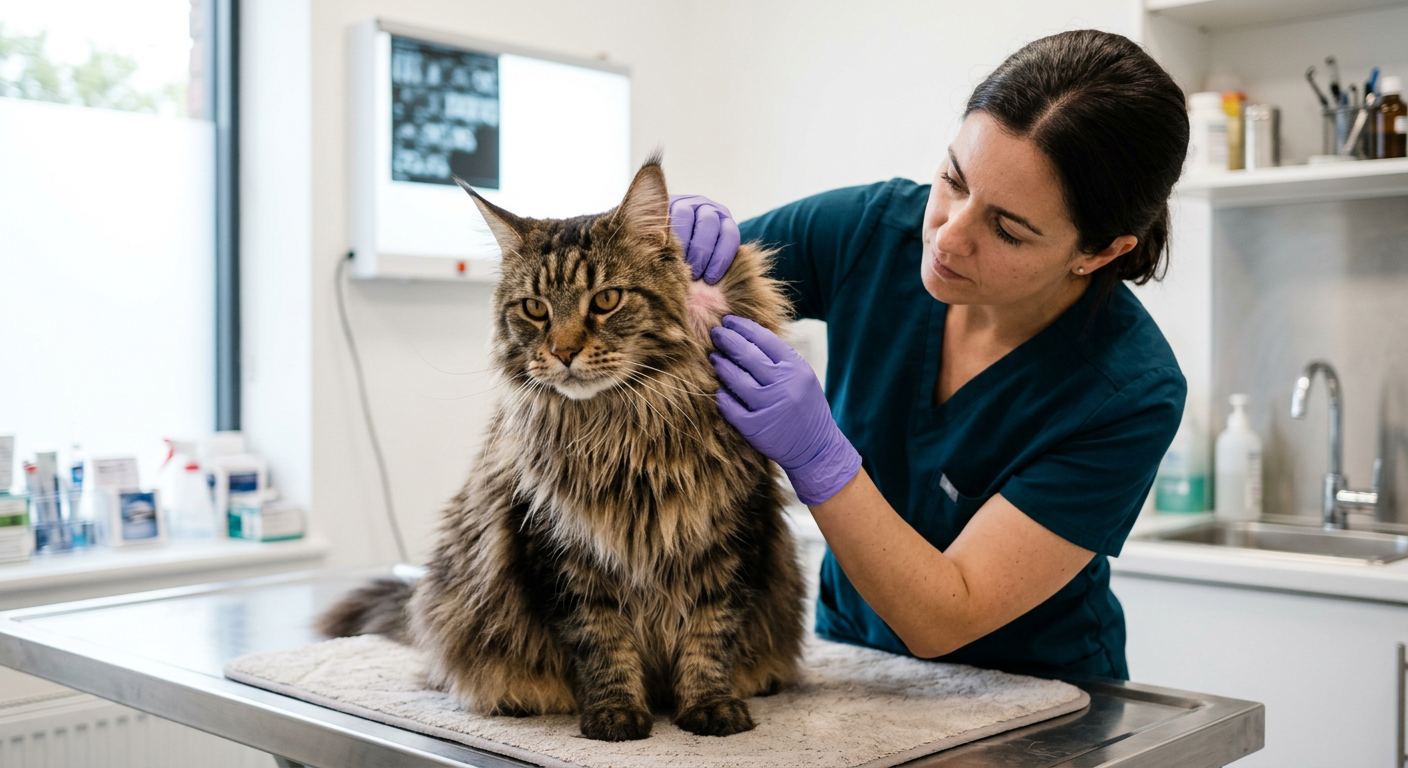
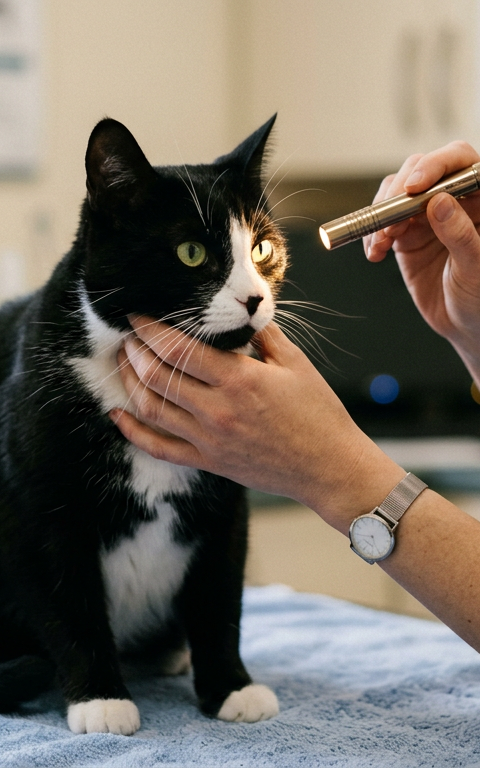
If you notice a sudden change in your cat's coat along with changes in thirst, appetite, or energy levels, it is always best to consult your veterinarian. They can perform a wellness check to ensure there are no underlying metabolic issues contributing to the greasy texture.
How to Help Your Cat Regain a Healthy Coat
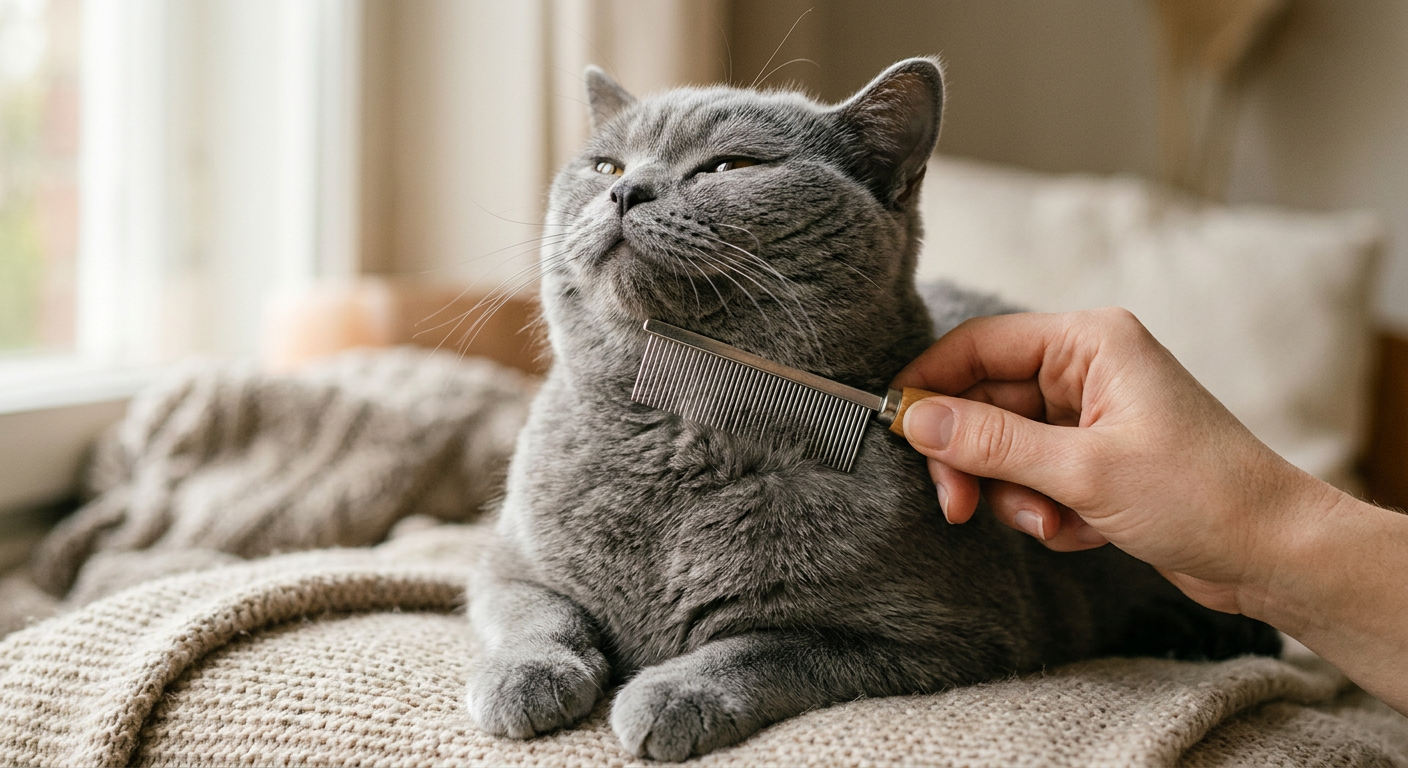
If your cat is struggling to keep themselves clean, you can step in to assist. Regular brushing is the most effective way to distribute skin oils and remove loose fur before it has a chance to clump. Use a soft-bristled brush or a fine-toothed comb, depending on your cat's hair length, to gently work through the oily patches.
For cats with significant oil buildup, a "waterless" shampoo or cat-safe grooming wipes can be a gentle way to remove excess grease without the stress of a full bath. Always ensure the products you use are specifically formulated for felines, as their skin pH is different from humans. Proactive care is key to maintaining their comfort, as detailed in our proactive wellness guide.
Improving Mobility and Access
If your cat’s greasy fur is due to age or weight, making a few environmental adjustments can help. Consider providing easier access to their favorite spots so they don't have to strain themselves. Keeping your cat active within their physical limits is also beneficial; you can find movement ideas in our exercise guidelines.
When to See a Professional Groomer
Sometimes, the clumping can become so severe that it leads to painful matting. In these cases, a professional groomer who specializes in cats may be necessary. They have the tools to safely remove mats and deep-clean the coat without causing skin irritation. They can also offer advice on specific brushes that work best for your cat's specific coat type, whether they are a sleek Russian Blue or a fluffy Persian.
Summary of Feline Coat Health
Monitoring the state of your pet's fur is a great way to stay tuned into their overall health. If you have been wondering why does my cat's fur look greasy and clumped, remember that it is usually a sign that your cat needs a little support—either through grooming assistance, weight management, or a quick check-up with a vet. By addressing the root cause, you can help your feline friend feel comfortable and look their very best again.
Maintaining a shiny coat is a team effort between you and your cat. With regular brushing, a high-quality diet, and attention to their physical mobility, you can ensure their fur remains soft and healthy for years to come. For more tips on keeping your pet happy, check out our article on mental health signs in pets.