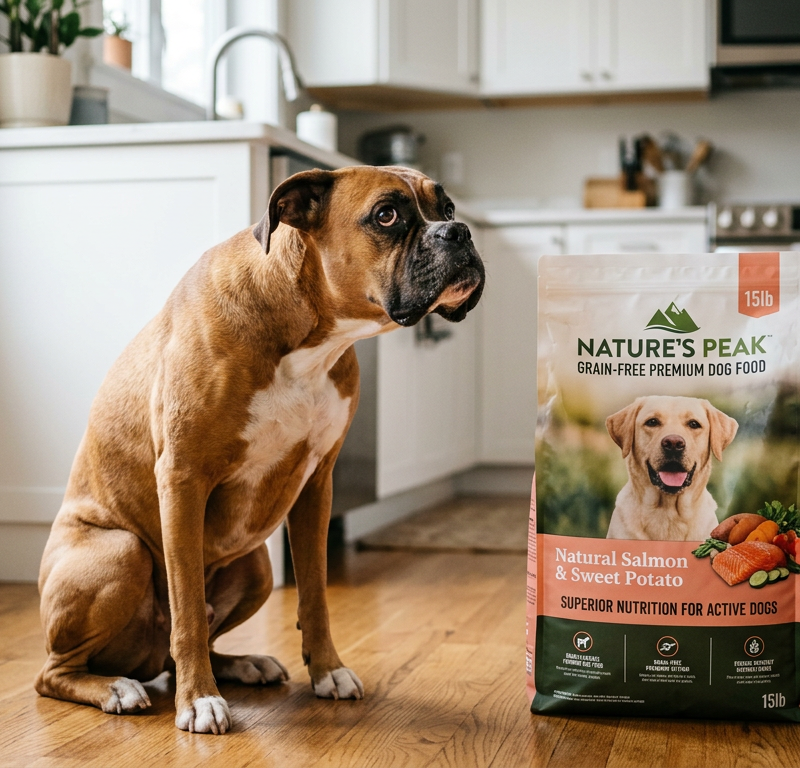
Walking down the pet food aisle can feel like navigating a complex maze of vibrant colors and bold marketing claims. Every bag promises the best for your furry friend, but the true story is often hidden in the fine print. Understanding pet nutrition labels is a vital skill for every pet owner who wants to ensure their companion thrives through every stage of life.
When you look at a label, you are looking at a legal document regulated by organizations like the Association of American Feed Control Officials (AAFCO). These labels provide specific information about what ingredients are included, the nutrient levels, and which life stage the food is designed for. By learning to decode these terms, you can move past the flashy photos and make decisions based on nutritional facts.
It is important to remember that every pet has unique needs based on their breed, activity level, and age. For instance, a growing puppy has very different requirements than an older dog. If you are curious about how your pet's life stage impacts their needs, you might explore our Labrador Retriever age calculator to see where they land in their development. Consulting your veterinarian is always the best way to tailor a diet to your pet's specific health profile.
The Product Name and the 95 Percent Rule
The name of the pet food is actually the first place where regulations come into play. AAFCO has strict rules about how much of a specific ingredient must be in the food based on the title. If a product is called "Beef for Dogs," at least 95% of the total weight (excluding water) must be beef.
However, if the label says "Beef Dinner," "Beef Entrée," or "Beef Formula," the requirement drops significantly. In these cases, only 25% of the product needs to be the named meat. This distinction is subtle but plays a huge role in the actual nutrient density of the meal your pet consumes daily.
The With Rule and Flavor Designations
When you see the word "with," as in "Dog Food with Beef," the rule changes again. This phrasing only requires the food to contain 3% of that specific ingredient. It is a common way to highlight a flavor without it being the primary protein source. Understanding how to read dog food labels helps you see through these subtle naming conventions.
Finally, a product labeled simply as "Beef Flavor" doesn't have a minimum percentage requirement at all. It only needs to contain enough of the ingredient to be detected by the pet. This is often used to make a base kibble more appealing to picky eaters through broths or essences.

Navigating the Ingredient List
The ingredient list is organized by weight before the cooking process occurs. This means ingredients with high water content, such as whole chicken or salmon, often appear at the top of the list. While seeing whole meat first is encouraging, it is important to remember that much of that weight is lost during the heat processing of kibble.
Look for named protein sources rather than generic terms. "Chicken meal" or "lamb" provides more transparency than "meat by-products" or "animal fat." Using high-quality, identifiable ingredients is a cornerstone of proactive pet health and wellness. Transparency in the supply chain usually indicates a manufacturer who prioritizes nutritional integrity.
Understanding By-Products and Meals
There is often confusion around terms like "by-products" and "meals." By-products consist of the non-meat parts of an animal, such as organs. These can actually be quite nutritious, providing vitamins and minerals not found in muscle meat. However, some owners prefer to avoid them in favor of whole muscle meats.
Meat meals, on the other hand, are meats that have been cooked and dried to remove water. This results in a highly concentrated protein powder. When a specific meat meal like "Beef Meal" is listed, it can actually provide more protein by weight than a fresh meat that sits higher on the list because the water has already been removed.
The Guaranteed Analysis Explained
The Guaranteed Analysis is the set of numbers that tells you the minimum percentages of crude protein and crude fat, along with the maximum percentages of crude fiber and moisture. This is the closest thing to a "nutrition facts" panel on a human food label. It provides a snapshot of the caloric and nutrient distribution of the food.
It is important to note that these values are listed on an "as-fed" basis. This can make comparing wet food to dry food very difficult because wet food contains around 75% moisture, while dry food is usually around 10%. To accurately compare nutrients between the two, you must calculate the dry matter basis by removing the water content from the equation.
- Crude Protein: Essential for muscle repair and immune function.
- Crude Fat: Provides energy and helps with vitamin absorption.
- Crude Fiber: Supports digestive health and stool quality.
- Moisture: Indicates how much of the food is water, which impacts calorie density.

Selecting Food Based on Life Stages
A crucial part of understanding pet nutrition labels is checking the "Statement of Nutritional Adequacy." This statement confirms if the food provides a complete and balanced diet. It will also specify which life stage the food is intended for: growth (puppies/kittens), adult maintenance, or all life stages.
Feeding a puppy food designed for adult maintenance can lead to developmental issues because they won't get the extra calories and minerals needed for bone growth. Conversely, an older dog may struggle with weight gain if they are fed high-calorie puppy food. If you are comparing different breeds, such as a Beagle vs Boxer, you'll see that their skeletal development timelines vary, making the life stage label even more important.
Testing Methods: Feeding Trials vs. Formulations
The AAFCO statement will also tell you how the company determined the food was balanced. There are two main methods:
- Formulated to meet: This means the recipe was designed on paper or in a lab to meet the required nutrient profiles.
- Feeding Trials: This means the food was actually fed to pets in a controlled setting to ensure they remained healthy and maintained their weight over a period of time.
While both are acceptable, many veterinarians view feeding trials as the gold standard. It proves that the nutrients in the bag are actually bioavailable and usable by the animal's body, rather than just looking good on a spreadsheet.
Feeding Guidelines and Calorie Counts
The feeding guidelines on the back of the bag are just a starting point. These are typically calculated based on an "average" active pet, but your pet's metabolism might be different. Factors like breed, age, and whether they are spayed or neutered can significantly change their daily caloric requirements.
Always monitor your pet's body condition score. You should be able to feel their ribs easily but not see them. If your pet is gaining weight on the recommended amount, it is okay to adjust the portions downward in consultation with your vet. Proactive management of their diet is one of the best ways to extend their lifespan and improve their quality of life.

Conclusion
Learning the art of understanding pet nutrition labels empowers you to make the best choices at the pet store. By looking past the marketing and focusing on the ingredient list, guaranteed analysis, and AAFCO statements, you ensure your pet gets the fuel they need. Remember that nutrition is a lifelong journey, and your pet's needs will evolve as they grow.
Selecting the right diet is a wonderful way to show your love and commitment to your pet's well-being. If you ever feel overwhelmed by the options, don't hesitate to reach out to your veterinarian. They can provide professional guidance tailored to your pet's unique health history and nutritional requirements.