
Our pets are expert communicators, even if they don't use words. While we often focus on their physical wellness, recognizing mental health signs in dogs and cats is just as vital for a long, happy life together. Because animals cannot tell us they are feeling stressed or down, we must learn to read the subtle changes in their body language and daily routines.
Understanding these emotional cues helps us provide a supportive environment. Whether you are observing a playful kitten or a senior canine, tracking their emotional state is a cornerstone of proactive pet care. Let's explore how to identify when our furry friends might need a little extra emotional support.

Common Behavioral Indicators of Stress
Stress is one of the most frequent mental health challenges for domestic pets. In dogs, this often manifests as "displacement behaviors." You might notice your dog licking their lips when no food is present, or yawning even though they aren't tired. These are self-soothing mechanisms used to navigate uncomfortable situations.
Cats, on the other hand, are masters of concealment. A stressed cat might spend significantly more time hiding under furniture or in closets. They may also exhibit "hyper-vigilance," where they are constantly scanning the room or reacting aggressively to small noises. If your social cat suddenly becomes a hermit, it is a clear signal to look closer at their environment.
Changes in Social Interaction
A shift in how your pet interacts with family members is a major red flag. If a normally clingy dog starts seeking isolation, or a solitary cat begins following you from room to room, they are communicating an internal shift. These behavioral pivots often suggest anxiety or a need for reassurance.
For high-energy breeds like the Border Collie, mental health signs often involve destructive behaviors. When these intelligent dogs lack mental stimulation, their frustration manifests as chewing furniture or digging. This isn't "bad" behavior; it is a plea for engagement and mental outlets.
Physical Manifestations of Emotional Distress
Mental health isn't just "in the head"; it shows up on the body. One of the most common signs in cats is over-grooming. A stressed cat may lick a specific patch of fur—usually on their belly or legs—until the skin is raw or bald. This is often an obsessive-compulsive response to environmental stressors.
Dogs may experience digestive upsets or a sudden loss of appetite when they are emotionally overwhelmed. Much like humans, a dog's gut is sensitive to their mood. If your vet has ruled out physical illness, consider if recent changes—like a move or a new family member—are affecting their emotional equilibrium.
- Loss of interest in favorite toys or games.
- Changes in sleep patterns (sleeping too much or inability to settle).
- Frequent "accidents" in the house by previously house-trained pets.
- Excessive vocalization, such as howling, pacing, or constant meowing.
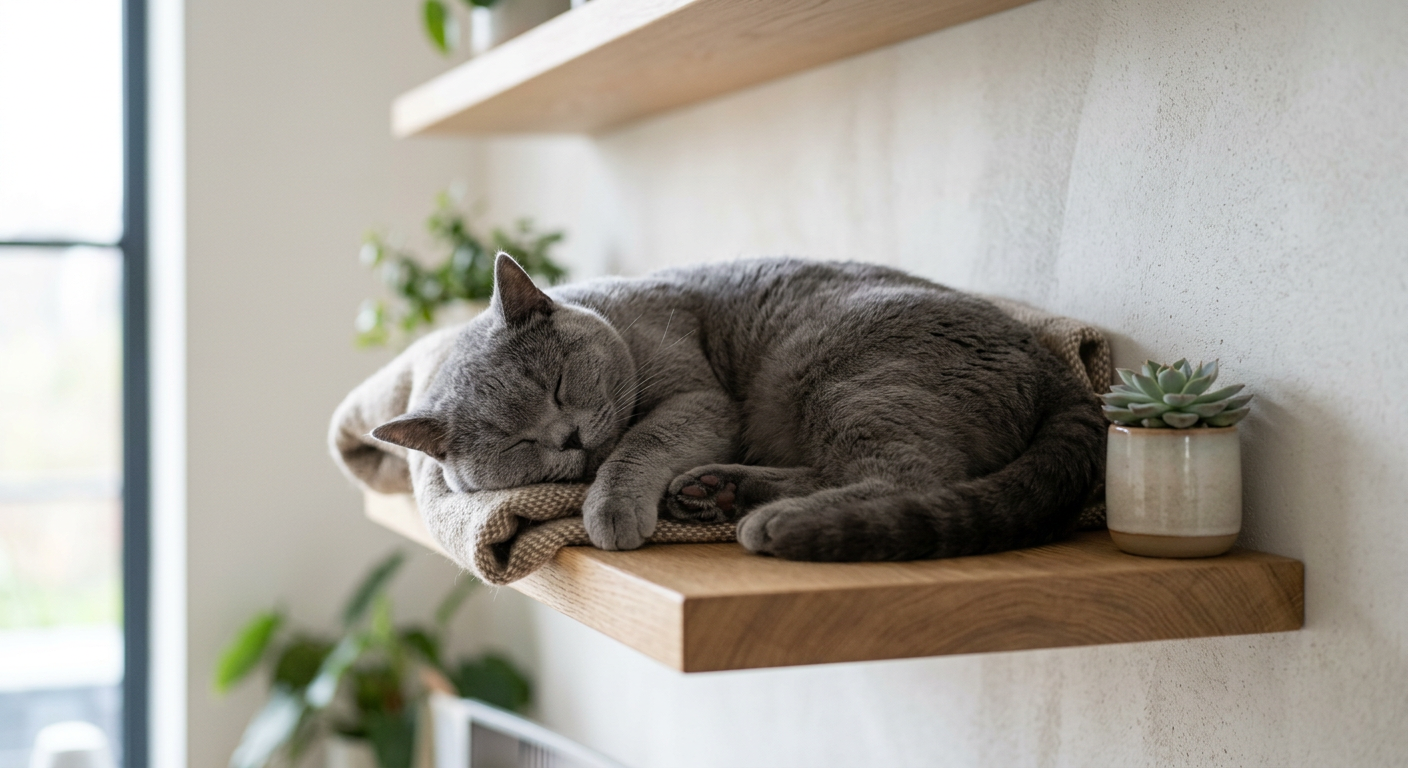
The Impact of Environment on Pet Well-being
The home environment plays a massive role in a pet’s psychological state. Cats require vertical space and "safe zones" where they can observe the household without being touched. A lack of these resources can lead to chronic feline anxiety. Ensuring they have scratching posts and high perches is essential for their mental hygiene.
Dogs thrive on routine and predictability. Sudden changes in their walking schedule or feeding times can trigger uncertainty. If you are comparing active breeds, such as a Boxer vs Poodle, remember that both require different types of environmental enrichment to stay mentally sharp and calm.
Sleep and Mental Health
Watch how your pet sleeps. A pet that feels mentally secure will sleep in "vulnerable" positions, such as on their back with their paws up. Conversely, a pet that is anxious may only nap in tight curls, frequently waking up at the slightest sound. Lack of quality REM sleep can lead to irritability and a weakened immune system over time.
Proactive Steps for Mental Wellness
Supporting your pet's mental health starts with enrichment. This includes puzzle feeders, sniff walks, and interactive play. For dogs, a "sniffari"—a walk where the dog chooses the direction and smells everything—is like a mental workout that significantly lowers cortisol levels.
For cats, "cat-centric" play that mimics the hunting cycle (stalk, pounce, kill, eat) is vital. Use wand toys to engage their natural instincts. Always follow a play session with a small treat so they feel the "hunt" was successful. This physical and mental release prevents the buildup of pent-up energy that leads to anxiety.

When to Consult a Professional
If you notice persistent mental health signs in dogs and cats, your first stop should always be the veterinarian. Many physical ailments, such as thyroid issues or chronic pain, can perfectly mimic behavioral problems. A full check-up ensures that your pet isn't acting out because they are in physical discomfort.
Once medical issues are ruled out, a certified veterinary behaviorist can help. They can create a desensitization plan or suggest pheromone diffusers and, in some cases, supplements. Remember, seeking help is a sign of a responsible pet parent who wants the best for their companion's holistic health.
Creating a Low-Stress Sanctuary
Sometimes, the best medicine is a quiet space. Designate a corner of your home as a "no-touch zone" for your pet. When they are in this area, family members should not pet or disturb them. This gives your pet a sense of agency and a place to retreat when the world feels like a bit too much.
Conclusion
Being mindful of mental health signs in dogs and cats allows us to deepen the bond we share with our animals. By paying attention to nuances in their behavior, we can intervene early and provide the comfort they deserve. A happy pet is one that feels both physically safe and emotionally understood in their forever home.