Maintaining an ideal body condition is one of the most impactful ways you can support your companion's long-term well-being. Weight management for a healthy pet isn't just about the number on the scale; it is about ensuring they have the energy to play, the mobility to explore, and the resilience to live a long, vibrant life. While it may seem daunting to change established routines, small adjustments often lead to significant improvements in vitality.
When our pets carry extra weight, it puts additional strain on their joints, heart, and metabolic systems. By focusing on proactive wellness, you can help your dog or cat maintain a lean physique that supports their natural curiosity and zest for life. Understanding how to balance calories with activity is the first step toward a healthier future together.
Evaluating Your Pet's Current Body Condition
Before starting any new wellness plan, it is helpful to understand where your pet currently stands. While weight varies wildly between a Great Dane and a Shih Tzu, the physical markers of a healthy weight are remarkably consistent across breeds. Veterinarians often use a Body Condition Score (BCS) to assess if a pet is at their ideal size.
To check this at home, gently run your hands along your pet's ribcage. You should be able to feel the ribs easily under a thin layer of fat without having to press hard. When looking from above, your pet should have a visible waistline, and from the side, their abdomen should tuck up slightly toward the hind legs. If these landmarks are difficult to find, it may be time to look at their daily calorie intake.

The Importance of Breed Awareness
Different breeds have unique metabolic rates and physical structures. For example, if you compare a Beagle vs Poodle, you will notice that their energy levels and dietary needs differ significantly. Beagles are often more food-motivated and prone to weight gain, whereas Poodles may be naturally leaner and more active. Knowing your pet's breed tendencies helps you set realistic goals for their fitness journey.
The Science of Pet Nutrition and Portion Control
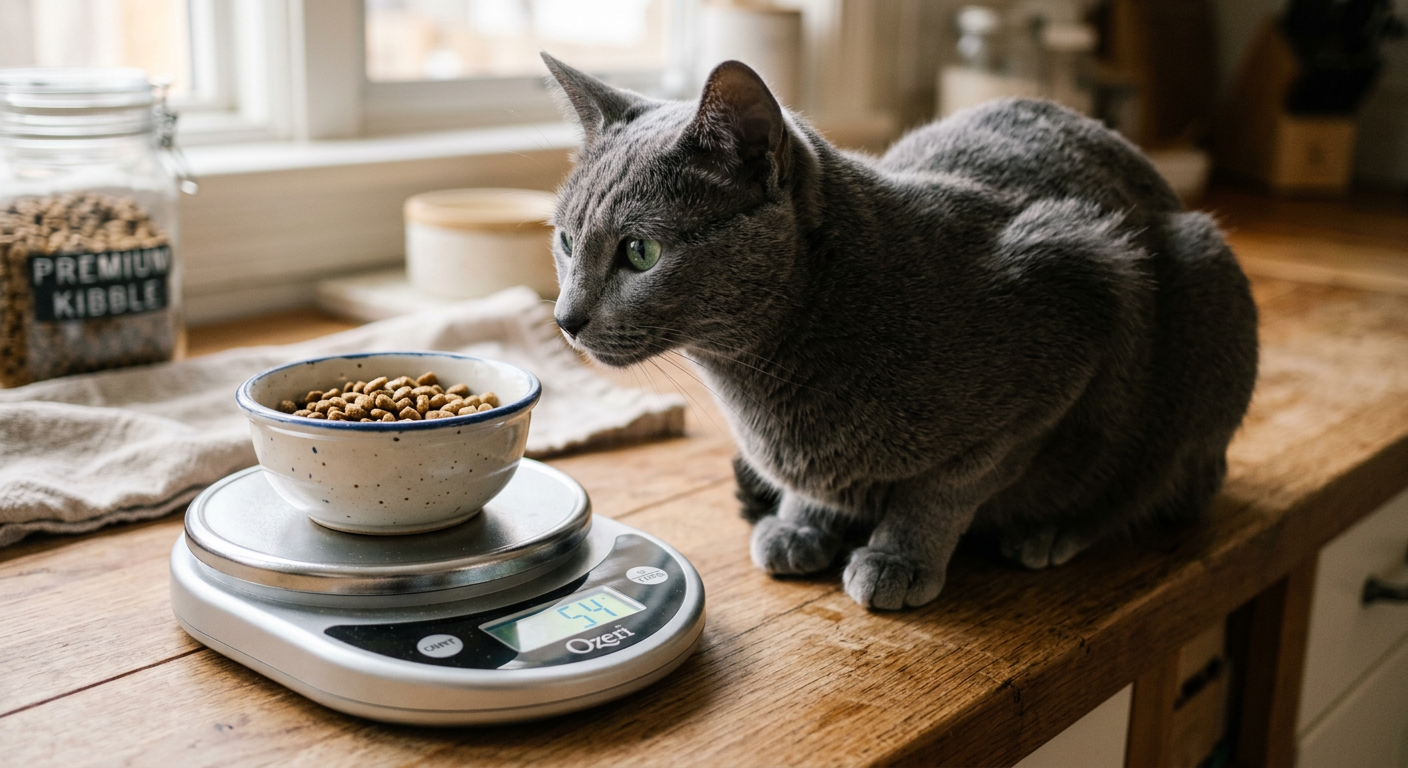
Nutrition is the foundation of weight management for a healthy pet. It is easy to accidentally overfeed when we rely on the "eyeball" method or use a standard coffee mug to scoop kibble. Measuring every meal with a level measuring cup or, even better, a digital kitchen scale, ensures consistency and prevents "portion creep" over time.
High-quality pet food should provide a balance of protein, healthy fats, and fiber. Protein helps maintain lean muscle mass, while fiber can help your pet feel full and satisfied between meals. For more details on what to look for on the back of the bag, check out our guide on understanding pet nutrition labels to make informed choices for your furry friend.
Managing Treats and Snacks
Treats are a wonderful way to bond, but those calories count too! Many experts recommend the "10% Rule," where treats make up no more than 10% of a pet's daily caloric intake. If you are working on training or simply want to show love, consider using small pieces of pet-safe vegetables like carrots or green beans as low-calorie alternatives.
- Measure precisely: Use a standard measuring cup or gram scale for every meal.
- Monitor treats: Account for every biscuit and dental chew in the daily total.
- Slow down eating: Use puzzle feeders to prevent gulping and promote satiety.
- Consistent timing: Feed at the same times every day to regulate metabolism.
Integrating Active Play and Daily Exercise
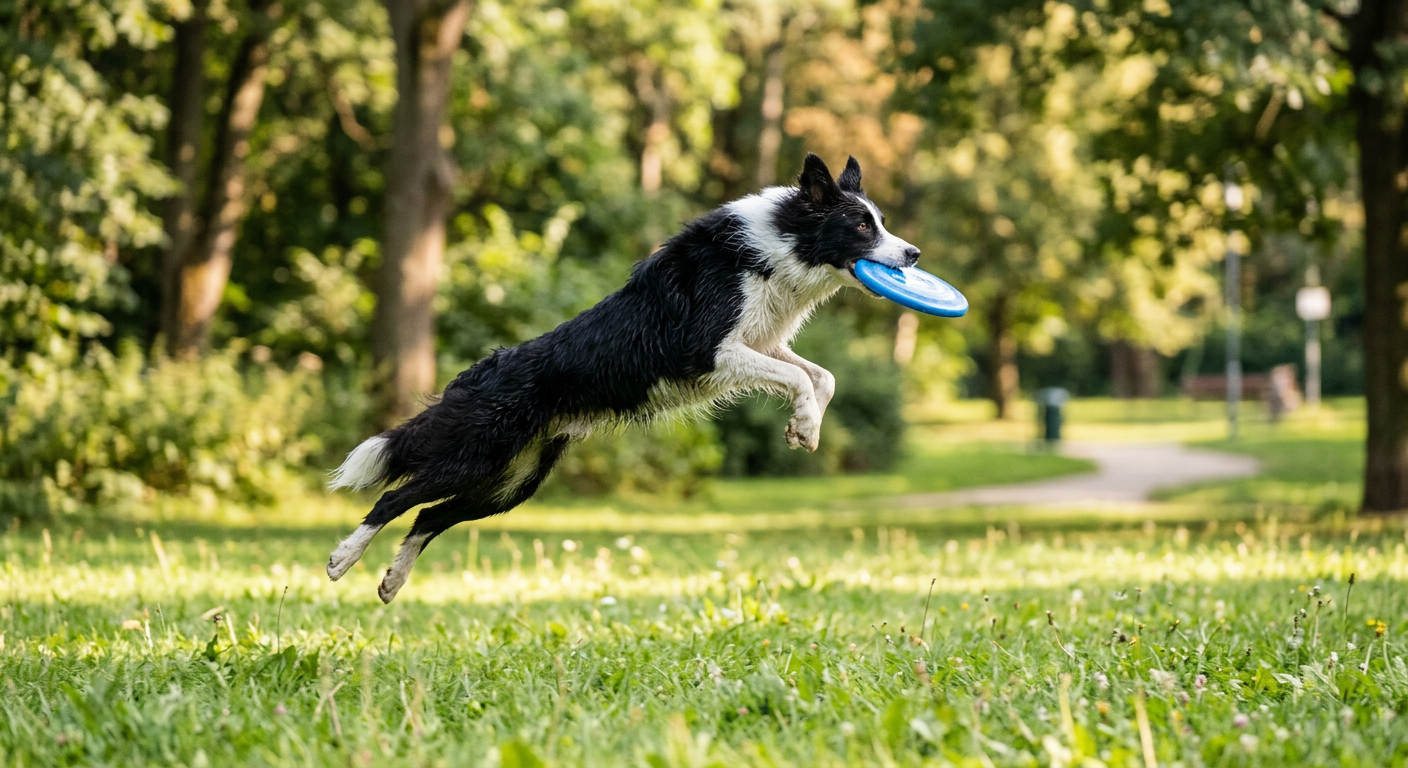
Calorie burning is just as important as calorie restriction. Regular physical activity keeps joints limber and minds sharp. The type of exercise your pet needs depends heavily on their life stage and physical abilities. A young Border Collie will require much more vigorous activity than an older cat or a senior dog.
For dogs, daily walks are the gold standard, but you can also incorporate fetch, swimming, or agility drills. For cats, indoor hunting games using feather wands or laser pointers (followed by a physical toy they can "catch") are excellent for burning off energy. If you are unsure how much activity is right for your specific pet, refer to our exercise guidelines by breed and age.
Monitoring Progress and Adjusting the Plan
Weight management is a journey, not a quick fix. It is important to weigh your pet regularly—perhaps once every two weeks—to track progress. Slow and steady weight loss is much safer and more sustainable than rapid changes. For most pets, losing 1% to 2% of their body weight per week is a healthy and achievable goal.
If you don't see changes after a month, don't be discouraged. It may mean you need to slightly decrease their food portion or increase their activity level. Remember to always consult with your veterinarian before making significant changes to their diet, especially if your pet has underlying health conditions or is on medication.
The Role of Routine Wellness Checks
Regular veterinary visits are essential for successful weight management for a healthy pet. Your vet can rule out medical reasons for weight gain, such as thyroid issues or hormonal imbalances. They can also provide a precise calorie count tailored to your pet's current weight and target goal. Proactive care is the best way to catch potential issues early, as discussed in our pet health and wellness guide.
Creating a Supportive Environment at Home
Success requires everyone in the household to be on the same page. If one person is following the diet while another is sneaking table scraps, the plan won't work. Communication is key to ensuring your pet remains healthy and happy. You might even set up a "treat jar" for the day, where the total daily allowance of snacks is placed, and once it's empty, no more treats are given.
Focusing on non-food rewards can also strengthen your bond. Brushing your pet, playing their favorite game, or simply spending quiet time together on the couch are all ways to show affection without adding calories. By shifting the focus from food to interaction, you foster a lifestyle that prioritizes their long-term health.
Conclusion
Taking steps toward weight management for a healthy pet is one of the kindest things you can do for your companion. By balancing nutritious meals, controlled portions, and regular activity, you provide them with the best opportunity for a comfortable and joyful life. Stay patient, stay consistent, and celebrate the small victories as your pet becomes more energetic and agile each day.