
As a devoted pet owner, you want nothing more than to see your furry friend happy and healthy. However, because our pets cannot speak, it is often up to us to interpret their subtle signals. Knowing when to visit the vet is one of the most important skills a pet parent can develop. While some situations are clear, others require a bit more observation and intuition to identify.
Proactive care is the foundation of a long life for your companion. By catching potential wellness considerations early, you can often address issues before they become more complex. This guide will help you navigate the various signs that indicate a professional check-up is in order, ensuring your pet stays on the path to optimal health.
Recognizing Subtle Changes in Daily Behavior
Sometimes, the first sign that something is amiss isn't a physical symptom, but a shift in personality. If your normally social cat is hiding under the bed, or your energetic dog suddenly stops greeting you at the door, it may be time for an evaluation. Behavioral changes are often the way pets communicate that they are experiencing discomfort or feeling under the weather.
Keep a close eye on their sleeping patterns as well. While older pets naturally slow down, a sudden increase in lethargy or a reluctance to move can be significant. You can learn more about how age impacts your pet's energy by checking out our Labrador Retriever age calculator or other breed-specific tools to see where they are in their life stage.

Shifts in Appetite and Thirst
A change in eating habits is one of the most common reasons for a veterinary consultation. If your pet skips more than two meals or shows a sudden, intense interest in food they usually ignore, it warrants a discussion with a professional. Conversely, a sudden increase in water consumption (polydipsia) can also be an important indicator of underlying health needs.
Changes in Grooming Habits
Cats are meticulous groomers, so a coat that appears unkempt or "spiky" can indicate they aren't feeling well enough to maintain themselves. On the other hand, obsessive licking or chewing on a specific area by either a dog or a cat can suggest skin irritation or localized discomfort. These outward signs are frequently linked to internal wellness states.
Physical Indicators That Require Attention
While behavioral cues are vital, physical symptoms are often what prompt an immediate call to the clinic. Monitoring your pet’s physical condition during regular brushing or petting sessions is a great way to stay informed. If you notice any new lumps, bumps, or strange odors, it is always best to have them documented by your veterinarian.
Digestive upset is another frequent concern. Occasional vomiting or diarrhea might happen, but if these symptoms persist for more than 24 hours or are accompanied by lethargy, a visit is necessary. Maintaining a baseline for their health helps you spot these deviations quickly. For more on maintaining overall wellness, see our Pet Health and Wellness: A Proactive Care Guide.
Respiratory and Cardiac Signs
Breathing should be effortless for a healthy pet. If you notice your pet panting excessively while at rest, wheezing, or coughing frequently, these are signs that their respiratory system needs a check-up. Persistent coughing, especially in older dogs, can sometimes be related to heart health and should be evaluated promptly.
Eye and Ear Issues
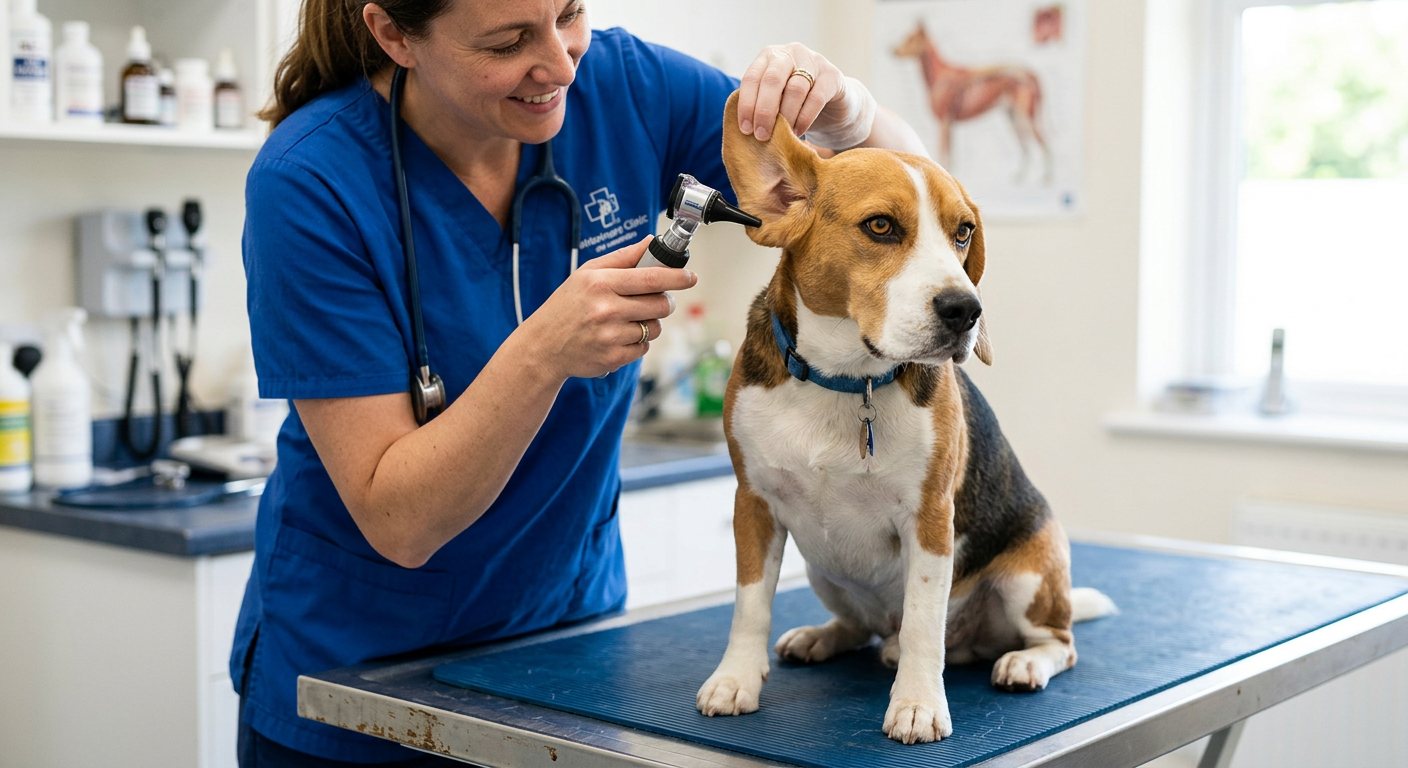
Healthy eyes should be clear and bright. Redness, cloudiness, or unusual discharge are clear indicators that a vet should take a look. Similarly, if your pet is shaking their head frequently or if you notice a strong odor or discharge coming from the ears, they may be experiencing discomfort that requires professional cleaning or medication.
Long-Term Wellness and Routine Screening
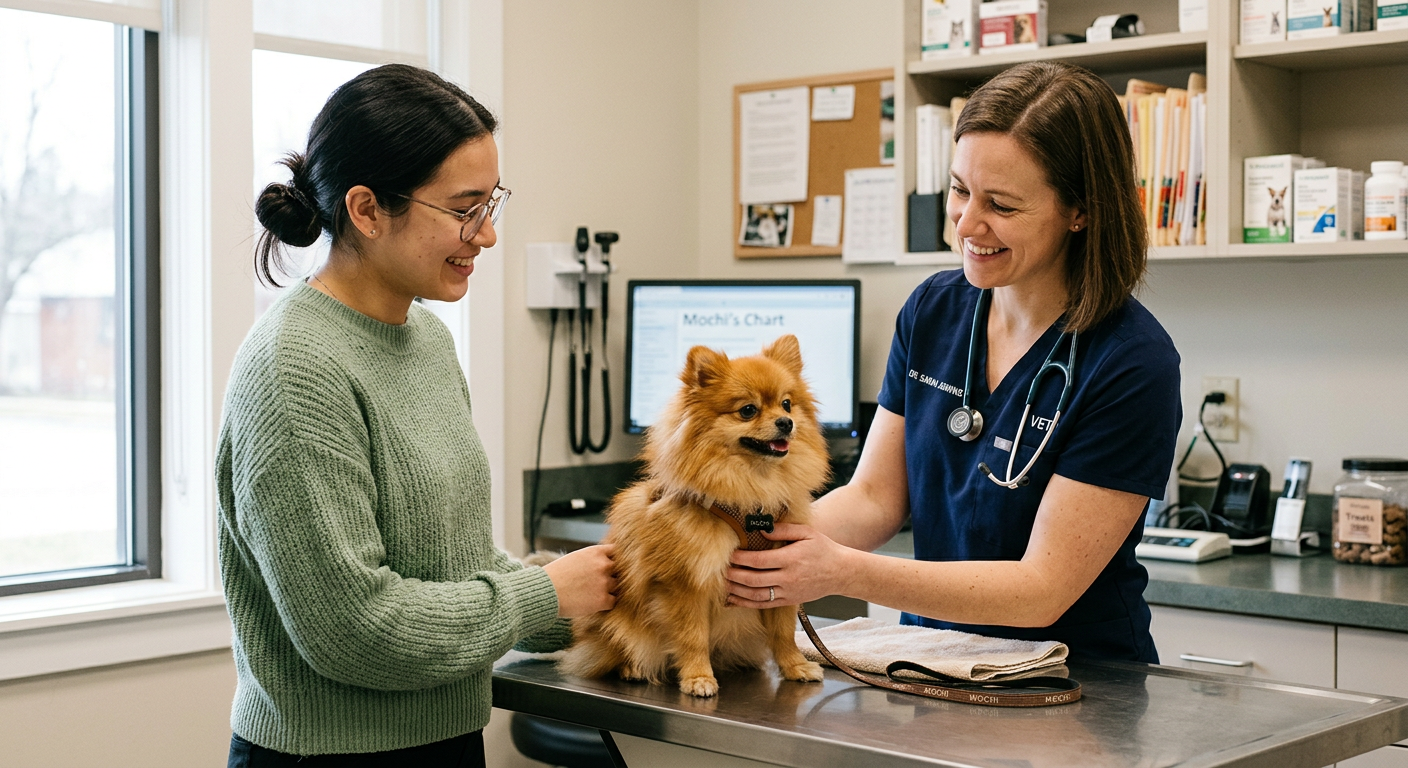
Not every visit to the vet happens because of a problem. Routine wellness exams are essential for preventative care. During these visits, your veterinarian can perform blood work, dental checks, and weight assessments that help keep your pet in peak condition. These appointments are the best time to discuss nutrition and lifestyle adjustments.
- Annual or bi-annual physical exams
- Core and lifestyle vaccinations
- Parasite prevention (heartworm, fleas, and ticks)
- Dental health assessments
- Senior screenings for pets over age seven
Regular check-ups also allow your vet to establish a "normal" baseline for your pet. If you are curious about how different breeds compare in their health needs, you might look at our German Shepherd vs Rottweiler comparison to see how size and genetics play a role in long-term care plans.
When Immediate Care is Recommended
While many health concerns can wait for a scheduled appointment, some situations require more immediate action. Understanding the difference between a routine concern and a situation that needs prompt intervention can help you stay calm and act effectively. If your pet experiences physical trauma, difficulty breathing, or sudden inability to walk, seek care right away.
Ingestion of toxic substances—such as certain human foods, plants, or household chemicals—always requires an immediate call to a professional or a pet poison control center. It is helpful to keep a list of common household hazards and your vet's after-hours contact information in an accessible place.
Dental Health Considerations
We often overlook the mouth, but dental health is a window into overall wellness. Red gums, broken teeth, or extreme bad breath are not just cosmetic issues; they can lead to systemic health challenges if left unaddressed. You can find detailed tips on maintaining oral hygiene in our guide on Dental Care Basics for Dogs and Cats.
Conclusion
Consulting your veterinarian is the best way to ensure your pet’s safety and comfort. Whether it's a subtle change in behavior or a more obvious physical symptom, your intuition as a pet owner is a powerful tool. When you are in doubt about when to visit the vet, a quick phone call to your clinic can provide the peace of mind you need. By staying observant and prioritizing regular wellness checks, you are providing your pet with the best possible foundation for a long, happy life by your side.