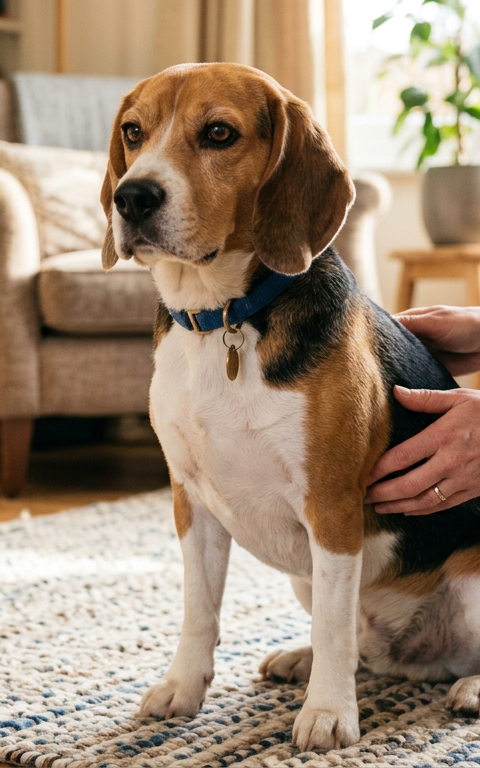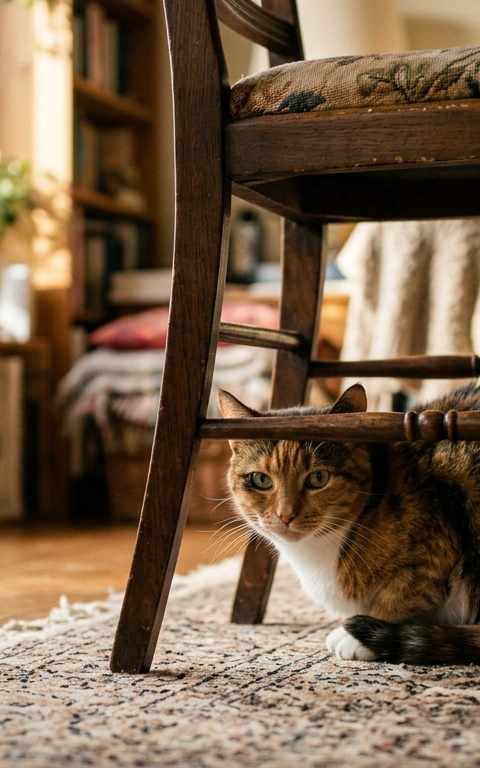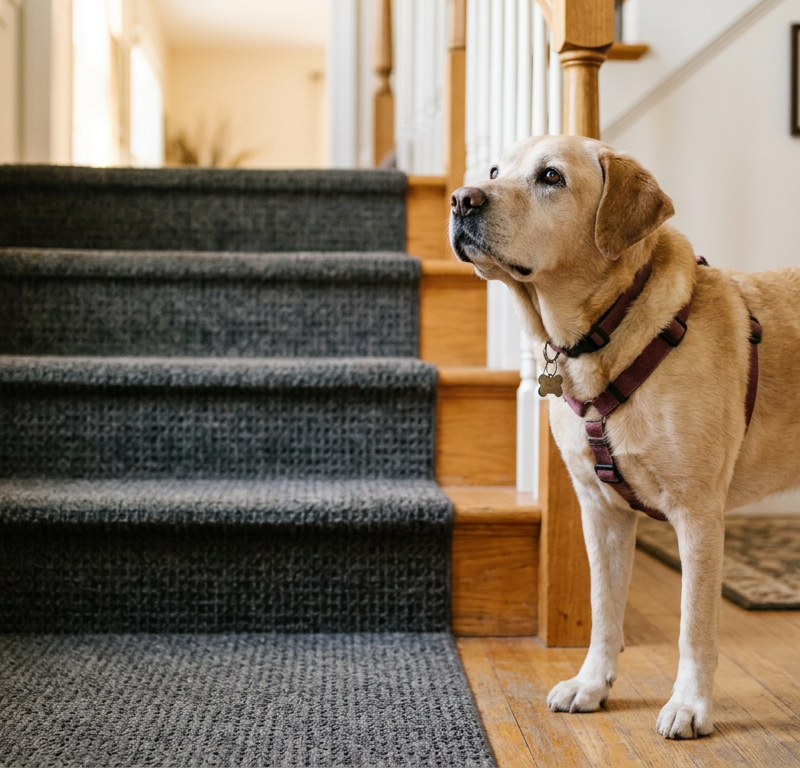
Watching your beloved pet transition into their golden years is a beautiful experience filled with deep companionship. However, as our furry friends age, maintaining joint health and mobility in senior pets becomes a top priority for dedicated owners. Understanding how to support their physical comfort ensures they can continue enjoying short walks and lounge time for years to come.
Mobility issues are common in aging animals, but they don't have to define your pet's senior experience. By being proactive and observant, you can implement small changes that make a significant impact on their quality of life. This guide explores the best ways to keep your older dog or cat moving comfortably through various wellness strategies.
Recognizing the Signs of Mobility Changes
Unlike humans, pets often hide their discomfort as a natural survival instinct. You might not see a limp until a condition is well-advanced. Instead, look for subtle changes in their daily routine or personality. Your once-active Labrador might hesitate before jumping into the car, or your cat might stop sleeping on the high bookshelf they used to love.
Other signs include stiffness when waking up, a "bunny-hopping" gait, or narrowing of the back legs. Some pets may become irritable when touched in certain areas or may start licking specific joints excessively. If you notice these shifts, it is always best to consult your veterinarian for a professional evaluation.
The Role of Weight Management
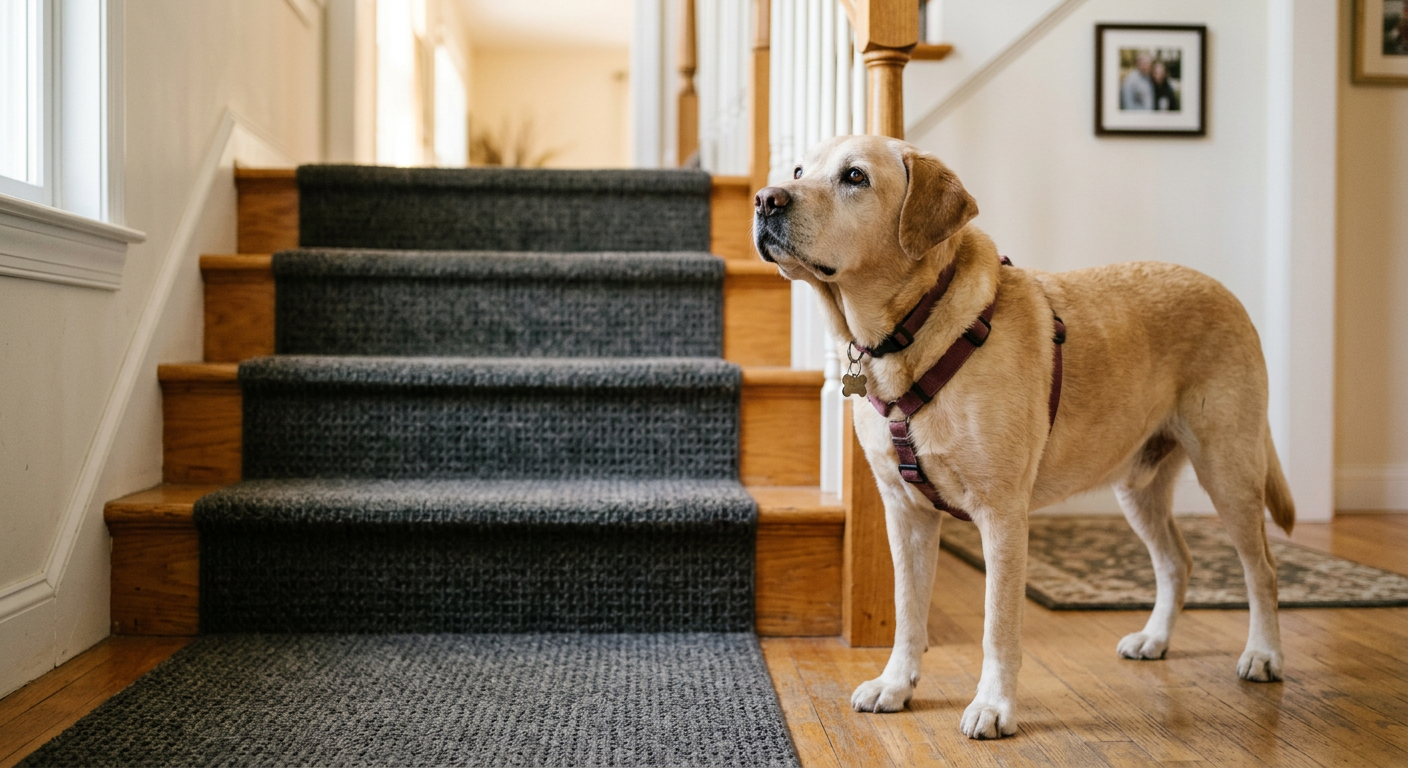
One of the most effective ways to support joint health and mobility in senior pets is maintaining an ideal body weight. Every extra pound puts unnecessary strain on aging bone structures and connective tissues. Keeping your pet lean is often the single most impactful thing you can do for their long-term comfort.
Work with your vet to determine your pet's body condition score. If they are carrying extra weight, a slow and steady diet plan is safer than a "crash" diet. You can learn more about finding the right balance in our guide to pet nutrition labels.
Nutritional Support and Supplements
Modern veterinary medicine offers a wealth of nutritional interventions to support aging joints. Ingredients like glucosamine, chondroitin, and Omega-3 fatty acids are staples in many senior pet diets. These components work together to support cartilage health and maintain the lubricating fluids within the joints.
Green-lipped mussel and Turmeric (curcumin) are also gaining popularity for their natural properties. However, not all supplements are created equal, and some can interact with existing medications. Always speak with a professional before adding new powders or chews to your pet's regimen to ensure they are getting high-quality, safe ingredients.
Hydration and Joint Health
Water is essential for every bodily function, including the maintenance of joint fluid. Senior pets can sometimes lose their thirst drive or find it difficult to walk to their water bowl frequently. Ensure bowls are easily accessible and consider a pet fountain to encourage more frequent drinking.
Creating a Home Environment for Mobility
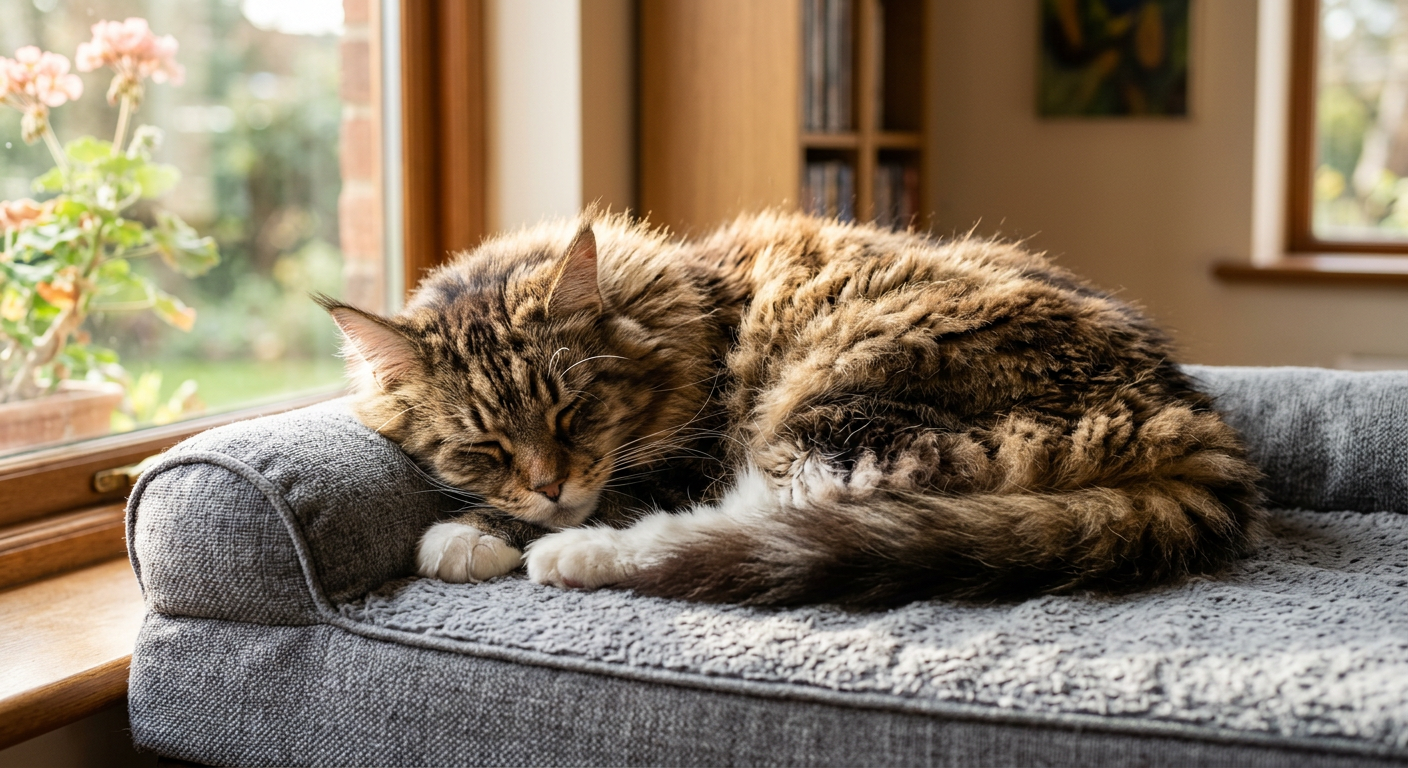
Our homes are often designed for human convenience, but they can be challenging for a pet with limited mobility. Simple modifications can transform your living space into a senior-friendly sanctuary. For example, slick hardwood or tile floors can be difficult for older dogs to navigate without slipping.
- Place non-slip yoga mats or area rugs in high-traffic corridors.
- Use ramps or pet stairs to help them reach the bed or sofa.
- Elevate food and water bowls so they don't have to strain their necks or backs.
- Provide orthopedic beds that offer firm support rather than just soft fluff.
Specialized equipment can also help. For breeds prone to hip issues, like the German Shepherd, using a lifting harness can assist them during bathroom breaks or while climbing stairs. These tools reduce the physical burden on both you and your pet.
Exercise Strategies for Aging Pets
While senior pets may slow down, "motion is lotion" for their joints. Stopping exercise entirely can lead to muscle atrophy, which makes joint issues feel worse. The key is to shift from high-impact activities like fetching a ball to low-impact movements that keep the heart healthy and the limbs limber.
Consider shorter, more frequent walks on flat surfaces rather than one long trek. Swimming is also an excellent option for dogs as it provides resistance without putting weight on the joints. For more tailored movement ideas, check out our exercise guidelines by breed.
Physical Therapy and Professional Care
Professional animal rehabilitation is a growing field that offers incredible benefits. Laser therapy, acupuncture, and underwater treadmills can significantly improve comfort levels. A certified canine or feline rehabilitation practitioner can design a specific "homework" plan of gentle stretches to keep your pet flexible.
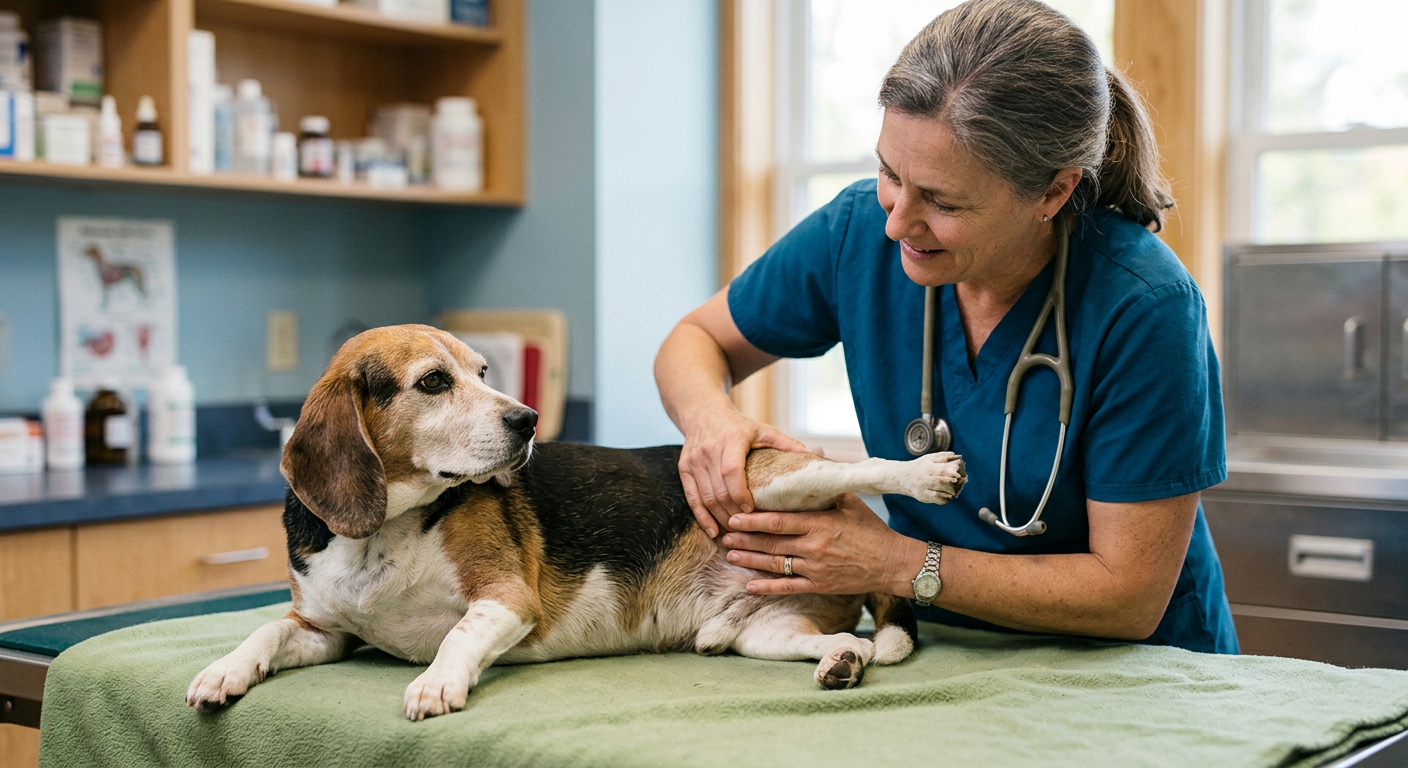
Regular veterinary checkups are the cornerstone of a proactive care guide for seniors. These visits allow for early detection of issues and adjustments to pain management protocols if needed. Your vet can provide specific advice based on your pet’s individual health history and breed tendencies.
Comfort and Daily Enrichment
Emotional well-being is closely tied to physical health. A pet that is in pain may withdraw from the family. Ensuring they are still included in daily activities—even if they are just lounging in the same room—keeps their spirits high. Mentally stimulating toys like snuffle mats or slow feeders provide engagement without requiring heavy physical exertion.
Paying attention to grooming is also vital. Long nails can shift how a pet's foot hits the ground, causing additional joint strain. Keep nails trimmed short to allow for a natural gait and better traction on floor surfaces. Regular brushing can also serve as a gentle massage, improving circulation to the muscles surrounding the joints.
Conclusion
Prioritizing joint health and mobility in senior pets is about more than just managing physical symptoms; it is about honoring the bond you share. By combining proper nutrition, a supportive environment, and regular veterinary care, you can help your companion navigate their senior years with grace and comfort. Every small adjustment you make today contributes to a happier, more mobile tomorrow for your loyal friend.