Every pet parent wants their furry companion to live a long, vibrant, and joyful life. Embracing a lifestyle of pet health and wellness is about more than just reacting to symptoms; it is about building a foundation of vitality through daily habits, preventive medicine, and mindful observation. By taking a proactive approach, you can ensure your pet remains a thriving member of your family for years to come.
A proactive care strategy involves understanding the unique needs of your pet based on their species, breed, and life stage. Whether you are managing the high energy of a puppy or the graceful aging of a senior cat, the choices you make today regarding nutrition, exercise, and routine checkups will have a lasting impact on their overall quality of life.
The Foundation of Proactive Pet Wellness
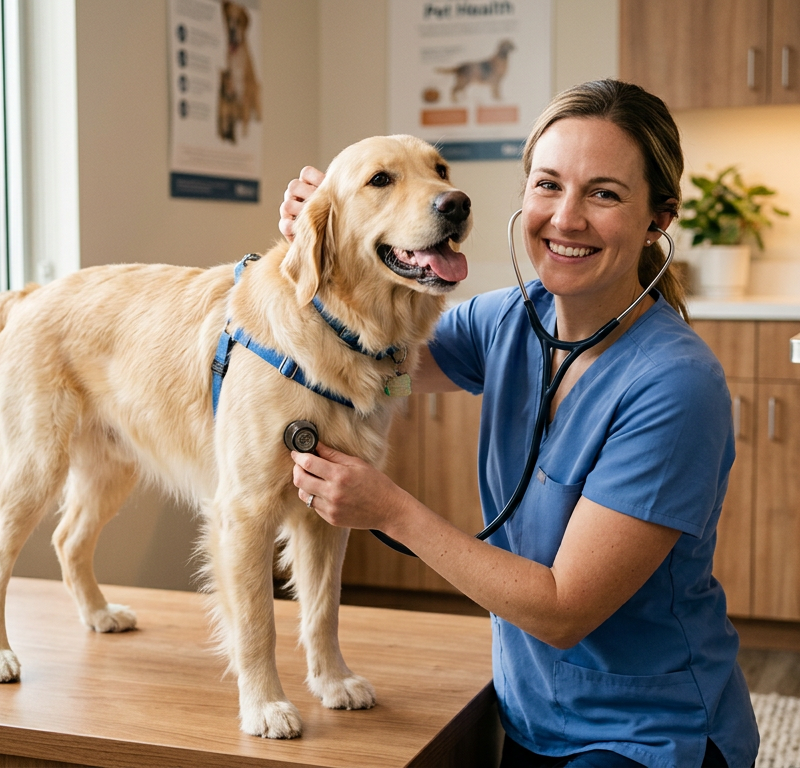
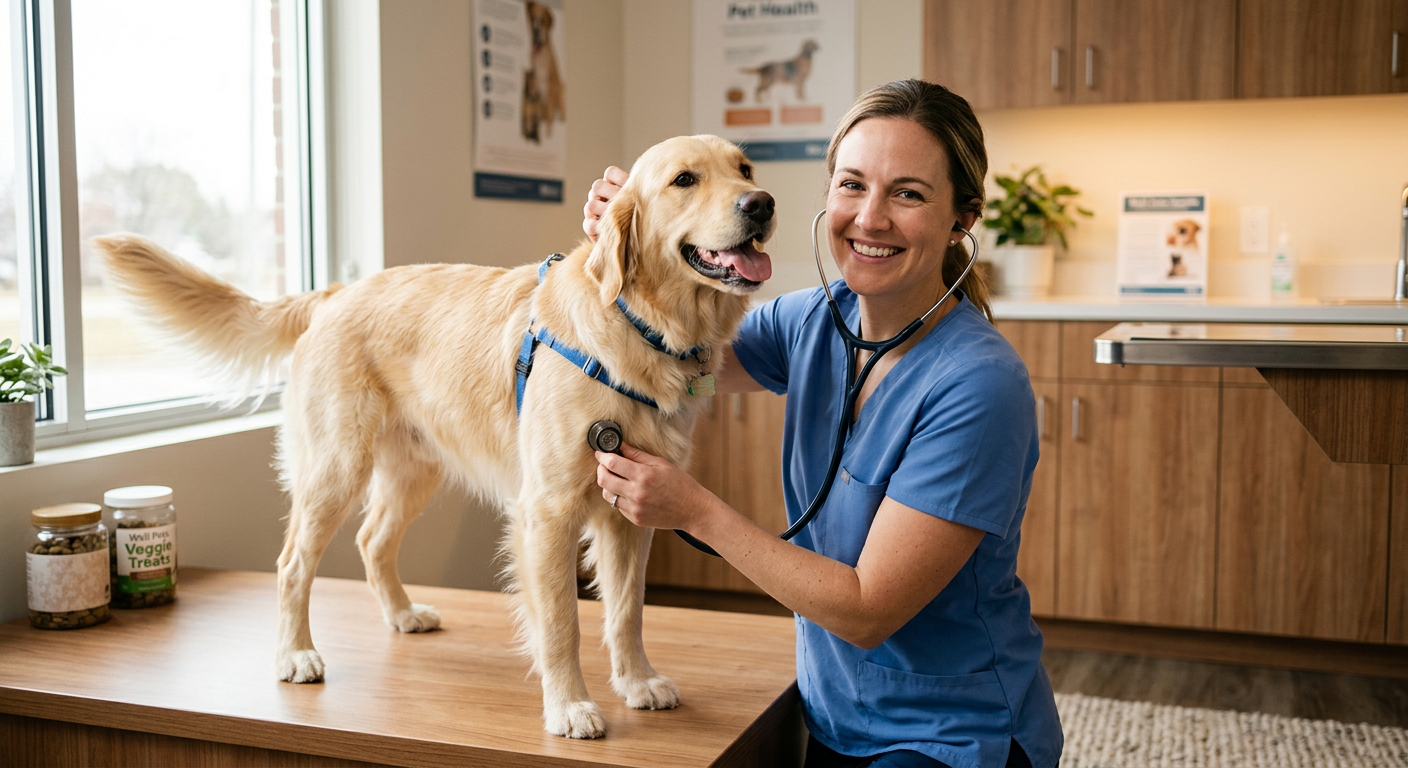
The core of proactive care is the belief that prevention is the best medicine. Regular veterinary visits are the cornerstone of this philosophy. These appointments allow your vet to establish a health baseline, making it much easier to spot subtle changes in your pet’s weight, heart rate, or behavior before they become significant concerns.
During these wellness exams, your veterinarian will often recommend routine screenings, vaccinations, and parasite prevention. Staying consistent with these protocols protects your pet from common environmental risks. It also provides an opportunity to discuss any questions you may have about their diet or daily routine.
The Importance of Life Stage Management
Just as humans require different care as they age, pets have evolving needs. A puppy or kitten requires frequent socialization and a series of core vaccinations to build a strong immune system. Adults need maintenance focused on weight management and dental health to prevent long-term issues.
For those living with senior pets, tracking their "dog years" or "cat years" becomes increasingly important. You can use our Golden Retriever age calculator or other breed-specific tools to better understand where your pet is in their life journey. This knowledge helps you tailor their care to support aging joints and slowing metabolisms.
Nutrition: Fueling a Vibrant Life
Diet is perhaps the most influential factor in your pet’s daily wellness. High-quality nutrition provides the building blocks for healthy skin, a shiny coat, and a robust immune system. Choosing the right food involves looking past marketing labels and understanding the specific caloric and nutrient requirements of your pet.
Protein, healthy fats, and fiber are essential, but the ratios must be balanced. For example, highly active breeds like the Border Collie may require more calorie-dense food than a sedentary breed. Consulting with your veterinarian about "Pet Health and Wellness" through nutrition ensures you aren't overfeeding or under-nourishing your companion.
Hydration and Digestive Health
Hydration is often overlooked but is vital for kidney function and digestion. Ensure your pet always has access to fresh, clean water. For cats, who often have a low thirst drive, incorporating wet food or using a water fountain can encourage better hydration levels.
Maintaining a healthy gut microbiome is another proactive step. Fiber-rich ingredients and, in some cases, vet-recommended probiotics can support smooth digestion. Keep a close eye on your pet's bathroom habits, as changes in frequency or consistency can be early indicators of their internal health status.
Physical Activity and Mental Stimulation
A healthy pet is an active pet. Physical exercise helps maintain an ideal weight, which reduces strain on the heart and joints. However, the type and intensity of exercise should be appropriate for the breed. You can compare the Labrador Retriever vs German Shepherd to see how their energy levels and exercise needs might differ.
Beyond physical movement, mental stimulation is a critical component of pet health and wellness. Boredom can lead to stress and behavioral issues. Enrichment activities, such as puzzle feeders, scent work, and new training tricks, keep their minds sharp and their spirits high.
Building a Balanced Routine
Consistency is key to a low-stress environment. Try to establish a predictable schedule for walks, play sessions, and meals. This routine provides a sense of security for your pet, which positively impacts their emotional well-being and reduces anxiety-related behaviors.
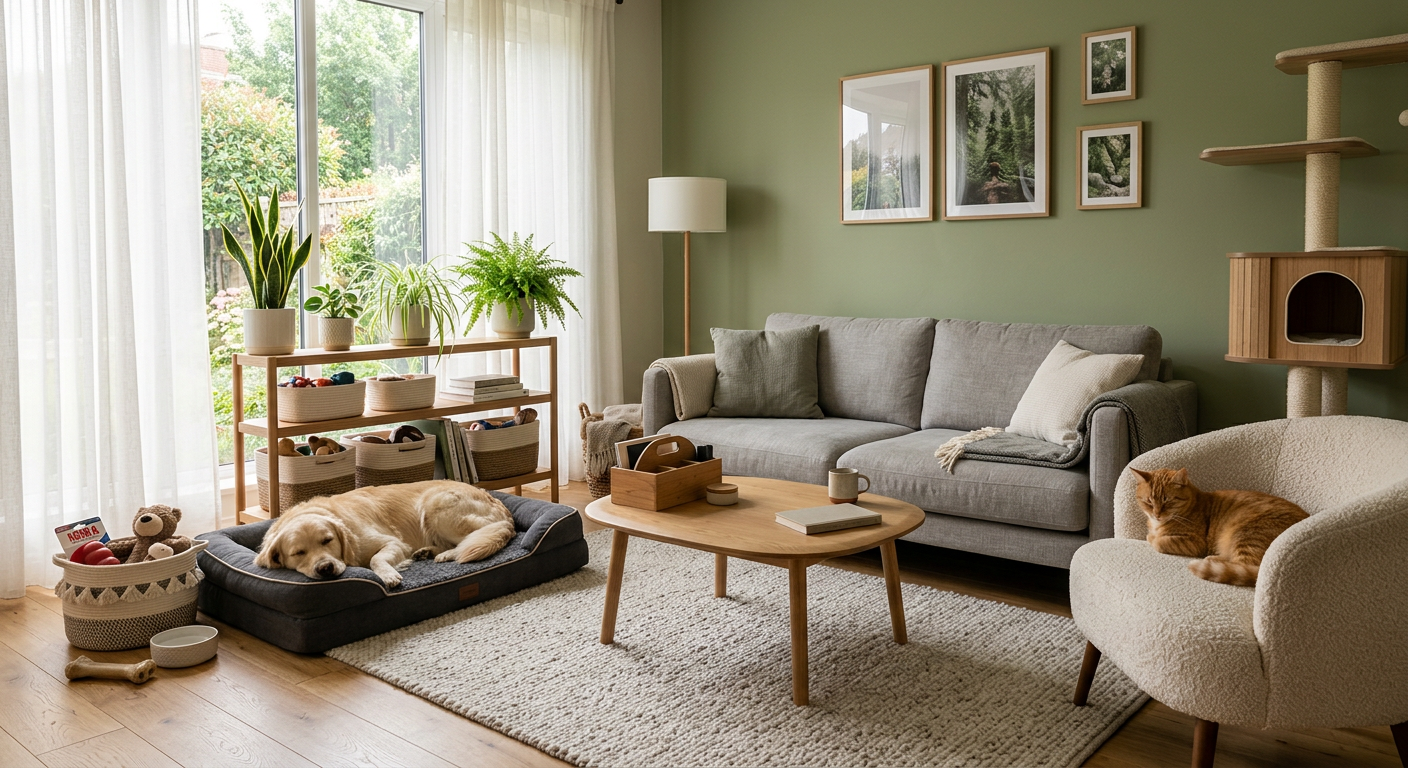
Don't forget the importance of rest. Just as intensive play is necessary, quality sleep is when the body repairs itself. Ensure your pet has a quiet, comfortable space to retreat to when they need to recharge. Older pets, in particular, may benefit from orthopedic bedding to support their joints during rest.

The Role of Dental and Coat Care
Oral health is frequently neglected in pet care, yet it is intrinsically linked to systemic wellness. Bacteria from the mouth can enter the bloodstream and affect major organs. Professional dental cleanings and daily at-home brushing are proactive ways to maintain your pet’s overall health.
Similarly, regular grooming is more than just an aesthetic choice. It allows you to monitor your pet’s skin for lumps, bumps, or parasites. Brushing helps distribute natural oils across the coat, preventing matting and skin irritation while providing a bonding opportunity for you and your pet.
Monitoring Weight and Body Condition
Obesity is a common wellness consideration that can lead to other health challenges. Learning how to assess your pet’s body condition score (BCS) allows you to catch weight gain early. You should be able to feel your pet's ribs without a thick layer of fat, and they should have a visible waistline when viewed from above.
If you notice your pet is gaining weight, a proactive adjustment in portion sizes or an increase in daily activity is usually the first step. Small changes made early are much easier to manage than attempting a major weight loss program later in life.
Environmental Safety and Stress Management
A safe home environment is a fundamental part of a proactive care guide. This includes pet-proofing your space against toxic plants, harmful chemicals, and small objects that could be swallowed. Being aware of your pet's surroundings helps prevent avoidable accidents and keeps their environment harmonious.
Emotional health is just as important as physical health. Stress can manifest in physical symptoms, such as digestive upset or excessive grooming. By recognizing the signs of stress—like flattened ears, hiding, or panting when it isn't hot—you can take steps to provide comfort and stability.
The Value of Socialization
Positive social experiences contribute significantly to a pet's confidence and wellness. For dogs, this might mean supervised playdates or trips to the park. For cats, it might involve interactive play with their favorite humans or safe exposure to new sights and sounds.
Early socialization helps pets become well-adjusted adults who can handle changes in their environment with ease. Even adult pets benefit from continued social interaction, as it provides mental variety and reinforces the bond they share with you and the world around them.
Conclusion
Embracing a proactive approach to pet health and wellness is the most rewarding commitment you can make for your pet. By focusing on quality nutrition, regular exercise, preventive veterinary care, and mental enrichment, you are setting the stage for a lifetime of health. Remember that every small, positive habit adds up to a much larger picture of vitality.
Always stay curious about your pet’s needs and observant of their unique personality. When in doubt, your veterinarian is your best partner in navigating the nuances of pet care. Together, you can ensure your companion enjoys a life filled with comfort, health, and happiness.