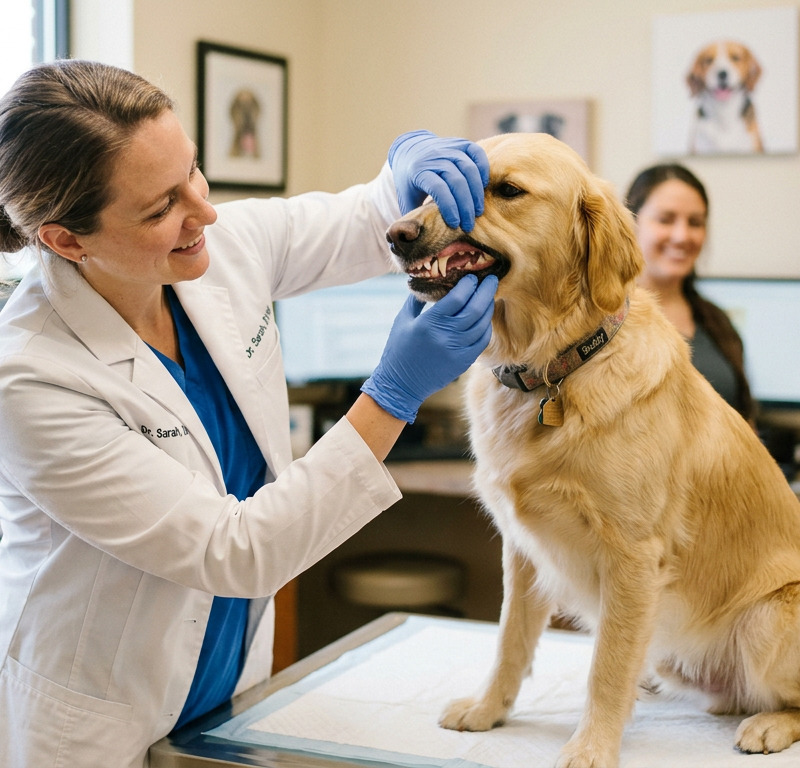
Maintaining a regular routine for dental care basics for dogs and cats is one of the most impactful ways to support your pet's long-term wellness. Just like humans, our furry companions accumulate plaque and tartar that can lead to underlying health challenges if left unmanaged. By understanding the fundamentals of oral hygiene, you can help your pet lead a more comfortable and vibrant life.
A proactive approach to dental health involves a combination of home care and professional veterinary assessments. While it might seem daunting to brush a cat's teeth or scale a dog's molars, these habits become much easier with patience and the right techniques. Let's explore how you can master dental care basics for dogs and cats to keep those smiles bright.
The Importance of Oral Health
Oral health is closely linked to a pet's systemic wellbeing. Bacteria from the mouth can enter the bloodstream and affect vital organs like the heart, liver, and kidneys. Regularly practicing dental care basics for dogs and cats serves as a preventative measure for their entire body.
Furthermore, pets are masters at hiding discomfort. A dog or cat with dental issues may continue to eat and play normally even when experiencing sensitivity. Establishing a consistent care routine ensures you catch small changes before they require more intensive intervention.
Recognizing the Signs of Dental Sensitivity
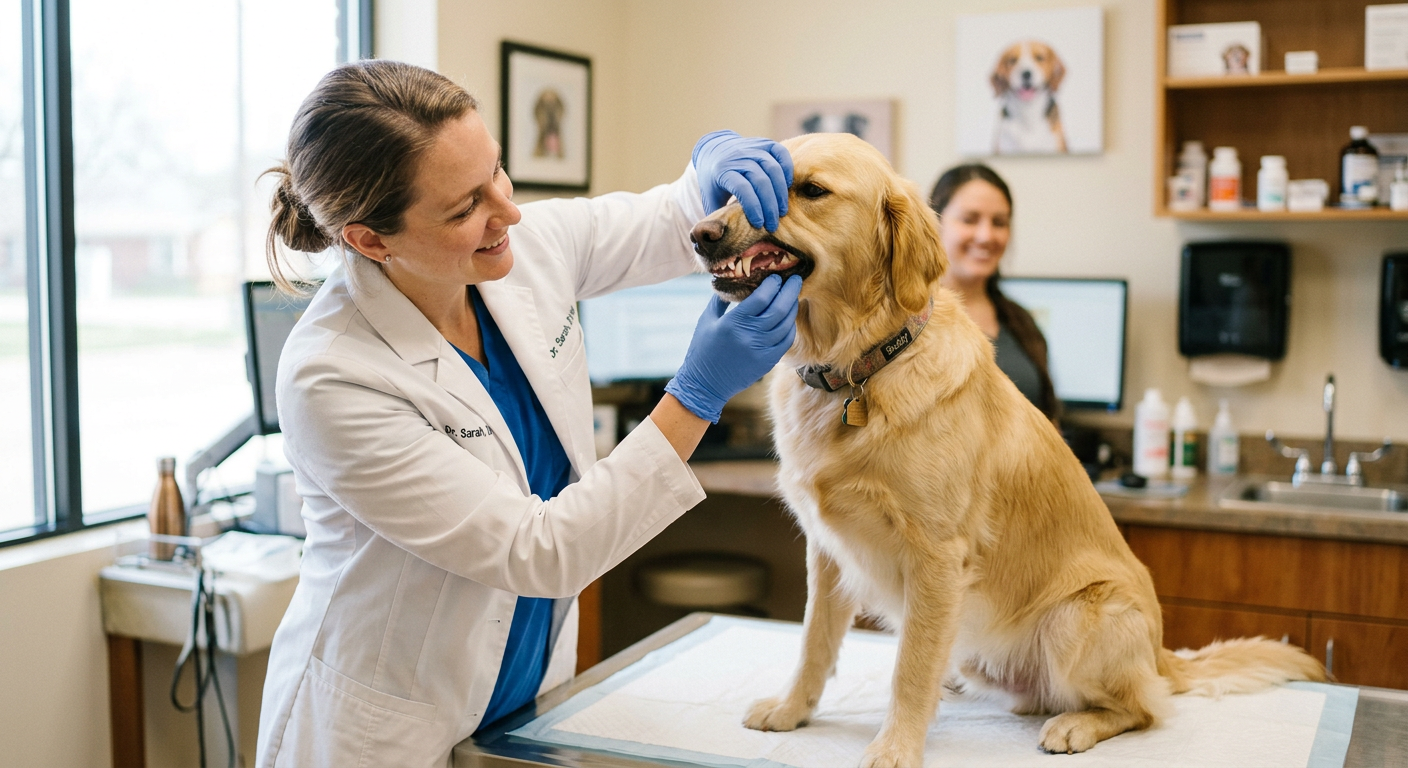
Monitoring your pet's mouth is a key part of dental care basics for dogs and cats. One of the first signs of oral health changes is persistent bad breath. While "dog breath" is a common phrase, a truly foul odor often indicates the presence of bacteria that needs attention.
You should also look for physical changes in the mouth, such as redness along the gum line or yellow-brown buildup on the teeth. If your pet starts dropping food, chewing on one side of their mouth, or rubbing their face against furniture, it might be time for a professional checkup.
Behavioral Changes to Watch For
Sometimes, the symptoms of dental discomfort are behavioral rather than physical. A normally social dog might become withdrawn, or a playful cat might stop enjoying their favorite hard treats. These subtle shifts are often the pet’s way of communicating that their mouth feels tender.
Because dental health impacts life expectancy, it is helpful to monitor their overall aging process. You can use our Labrador Retriever age calculator to see how your pet's life stage correlates with their specific health needs.
Step-by-Step Guide to Brushing Pet Teeth
Brushing is the gold standard for dental care basics for dogs and cats. Ideally, you should aim to brush your pet's teeth daily, though even three times a week can make a significant difference. The goal is to remove plaque before it mineralizes into hard tartar.
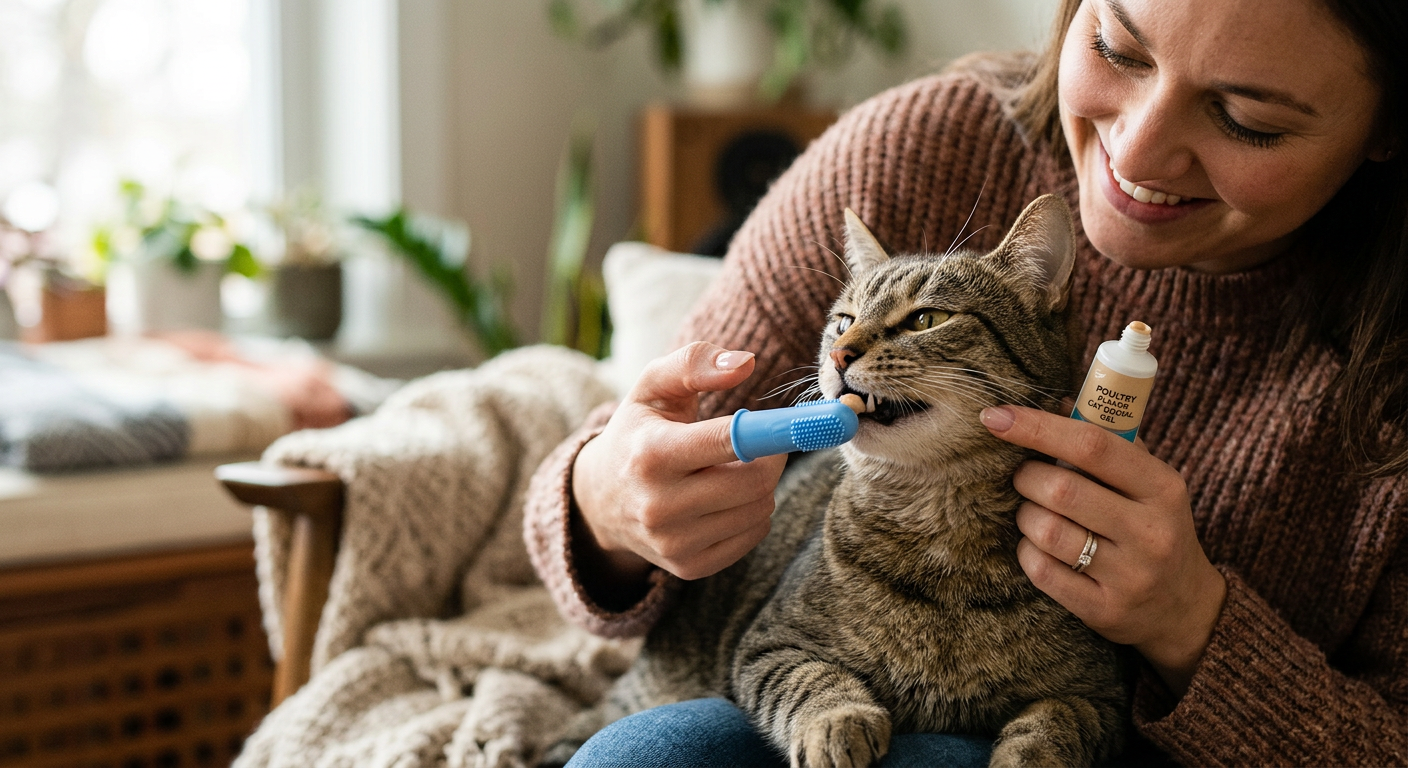
Start by choosing a toothpaste specifically formulated for pets. Human toothpaste contains xylitol and fluoride, which are toxic to animals. Pet toothpastes often come in appealing flavors like poultry or beef to make the experience more enjoyable for them.
Introducing the Toothbrush
Introduce the toothbrush gradually. Let your pet lick the toothpaste off your finger first, then move to a finger brush or a soft-bristled pet toothbrush. Focus on the outer surfaces of the teeth where the most buildup occurs, using gentle circular motions.
Keep the sessions short and positive. Praise your pet throughout the process and offer a reward afterward. Over time, most pets come to accept brushing as just another part of their daily grooming routine.
Dietary Choices and Dental Health
What your pet eats plays a role in their oral hygiene. Specific dental diets are designed to mechanically scrub the teeth as the pet chews. These kibbles are usually larger and have a texture that resists crumbling, forcing the tooth to sink in and scrape away debris.
However, diet alone is rarely enough to replace brushing. Use specialized food as a supplement to your dental care basics for dogs and cats toolkit. Consult your veterinarian to see if a prescription dental diet is appropriate for your pet's specific needs.
Healthy Treats and Chews
Dental chews and water additives can also support oral health. Look for products with the Veterinary Oral Health Council (VOHC) seal of approval. This seal ensures the product has been rigiorously tested and proven to reduce plaque or tartar buildup.
Be mindful of the hardness of chews. Items like cow hooves, antlers, or nylon bones can sometimes be too hard and lead to tooth fractures. A good rule of thumb is that if you can't indent the item with your thumbnail, it might be too hard for your pet's teeth.
The Role of Professional Cleanings
Even with excellent home care, most pets will eventually need a professional dental cleaning. Veterinarians perform these procedures under general anesthesia to ensure a thorough cleaning both above and below the gum line. This is a vital component of dental care basics for dogs and cats.
Anesthesia allows the vet to take dental X-rays, which are crucial for identifying issues hidden beneath the gums. Since a large portion of dental anatomy is invisible to the naked eye, these images are the only way to confirm a tooth is truly healthy.
What to Expect During a Vet Visit
During a professional cleaning, the vet will scale the teeth to remove tartar and then polish them to smooth the surface. A smooth surface makes it harder for new plaque to attach. This proactive care is essential for maintaining a high quality of life as your pet ages.
For more information on holistic pet care, check out our Pet Health and Wellness: A Proactive Care Guide. Regular veterinary visits are the foundation of any successful wellness plan.

Comparing Breed Specific Needs
Different breeds have different facial structures that impact their oral health. Smaller breeds, such as the French Bulldog or Yorkshire Terrier, often have crowded teeth, which creates more nooks and crannies for plaque to hide. These breeds may require more frequent attention to dental care basics for dogs and cats.
On the other hand, larger breeds might be more prone to fractured teeth from heavy chewing. If you are curious how different breeds compare in their care requirements, you can view our guide on the French Bulldog vs Bulldog to understand their unique anatomical considerations.
Cat-Specific Oral Health Concerns
Cats have unique dental challenges, such as tooth resorption, where the body begins breaking down the tooth structure. This condition can be sensitive and often requires professional intervention. Regular oral exams are the best way to catch these feline-specific issues early.
Whether you have a Maine Coon or a Siamese, feline dental care basics for dogs and cats remains the same: monitor the gums, encourage healthy chewing, and maintain a relationship with your vet. A healthy mouth leads to a happy, purring companion.
Creating a Sustainable Routine
The best way to ensure success with dental care basics for dogs and cats is to make it a habit. Set a reminder on your phone or link the activity to something you already do, like grooming or feeding time. Consistency is far more important than perfection when you first start out.
Remember that it is never too late to start caring for your pet's teeth. Whether you have a playful puppy or a dignified senior, improving their oral hygiene will always have a positive impact on their comfort and health. Your commitment to their care is the greatest gift you can give them.