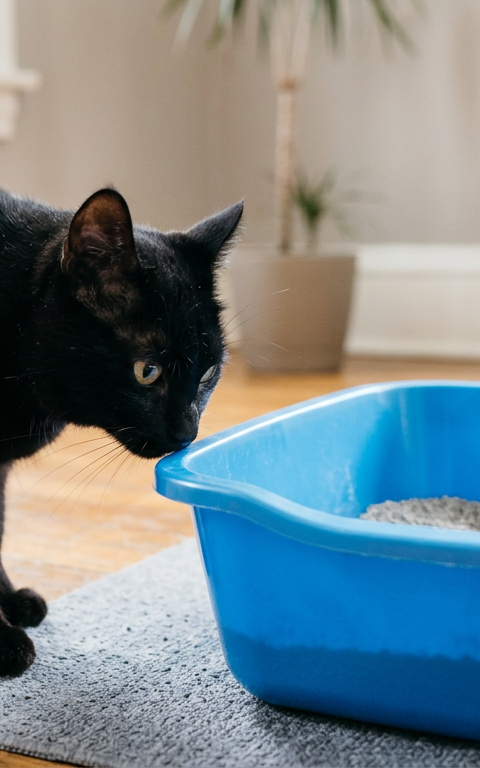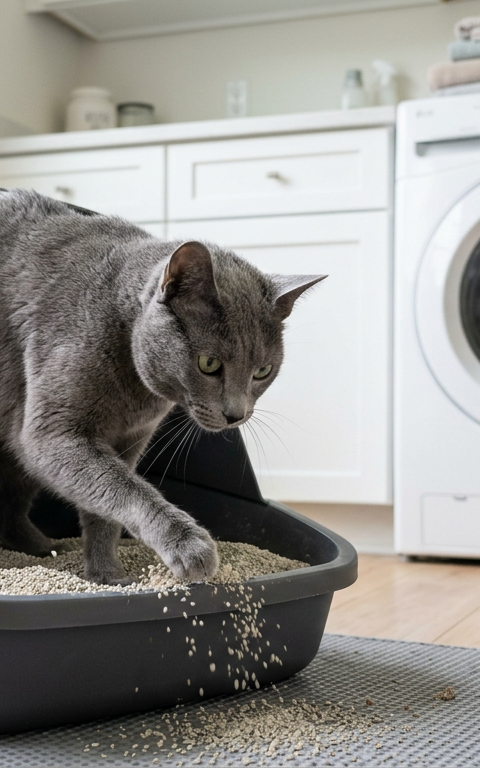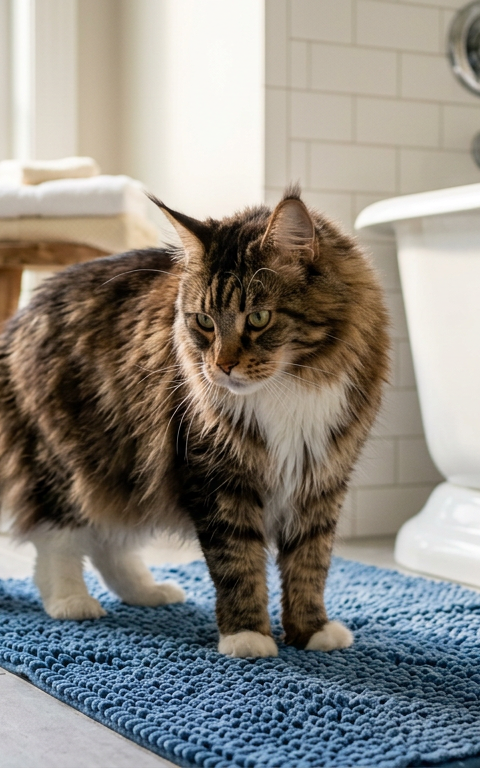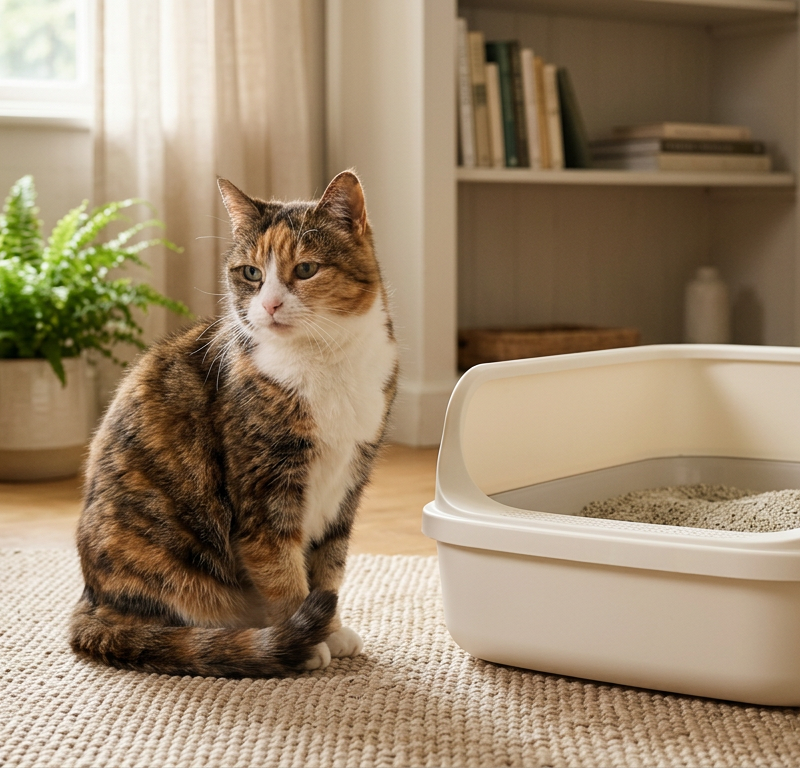
Sharing your life with a feline companion creates a deep bond, but when your long-term companion starts cat pooping outside litter box suddenly after years of perfect behavior, it can feel confusing. This change is actually a form of communication. Your cat is signaling that something in their world has shifted, and they need your help to find a solution.
It is important to remember that cats are creatures of habit and cleanliness. If they stop using their designated spot after years of consistency, they aren't being "naughty" or vengeful. Instead, they are likely reacting to physical discomfort or a significant environmental change. Understanding these shifts is the first step toward restoring harmony in your home.
The Importance of Physical Wellness
When cat pooping outside litter box suddenly after years occurs, the very first step should always be a visit to your veterinarian. Digestive issues, arthritis, or age-related mobility changes can make the act of using a litter box uncomfortable. A professional can rule out medical conditions that might be causing this sudden change in habits.
Physical Health and Aging Factors
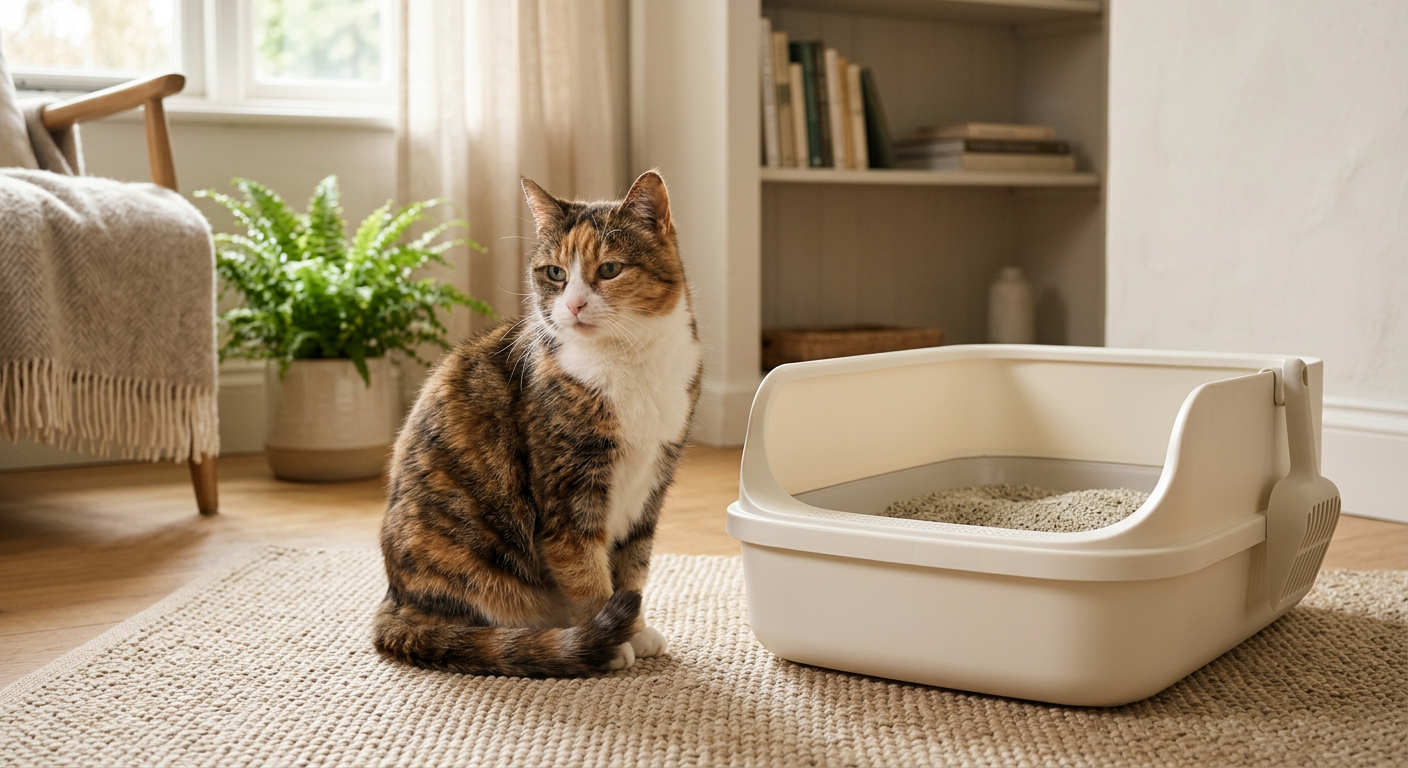
As cats enter their senior years, their bodies change in ways that directly impact their bathroom habits. A cat that has been reliable for a decade may suddenly find that the high sides of their old litter box are difficult to climb over due to stiff joints. This mobility challenge is a common reason for a sudden change in behavior.
Digestive Shifts and Comfort
Internal health plays a major role in consistent habits. Constipation or inflammation in the digestive tract can cause a cat to associate the litter box with discomfort. If the act of defecating becomes painful, they may seek out "softer" or more accessible surfaces like carpets or rugs to find relief.
If you have a senior pet, checking their specific life stage needs can be helpful. You can learn more about your cat's development by using our Maine Coon age calculator or similar tools for your specific breed to understand their senior wellness requirements. Proactive veterinary care is the best way to address these underlying physical needs.
Cognitive Function in Senior Cats
Much like humans, older cats can experience cognitive changes. A cat pooping outside litter box suddenly after years might simply be feeling a bit disoriented or confused about where their box is located. Providing multiple boxes across different floors of your home can help a senior cat find a bathroom easily when the urge strikes.
Environmental Stressors and Changes
Cats are highly sensitive to their environment. Even small changes that seem insignificant to us can cause enough stress for a cat to seek out new places to eliminate. If you have recently moved furniture, changed your work schedule, or introduced a new person to the home, your cat may be reacting to that shift.
Changes to the Litter Box Itself
Sometimes the cause is as simple as the equipment. Have you recently switched to a new brand of litter or a different scent? If your cat pooping outside litter box suddenly after years coincides with a new purchase, they may be telling you they dislike the texture or smell of the new material. Cats often prefer unscented, fine-grained litters that feel natural under their paws.
Location and Privacy Concerns
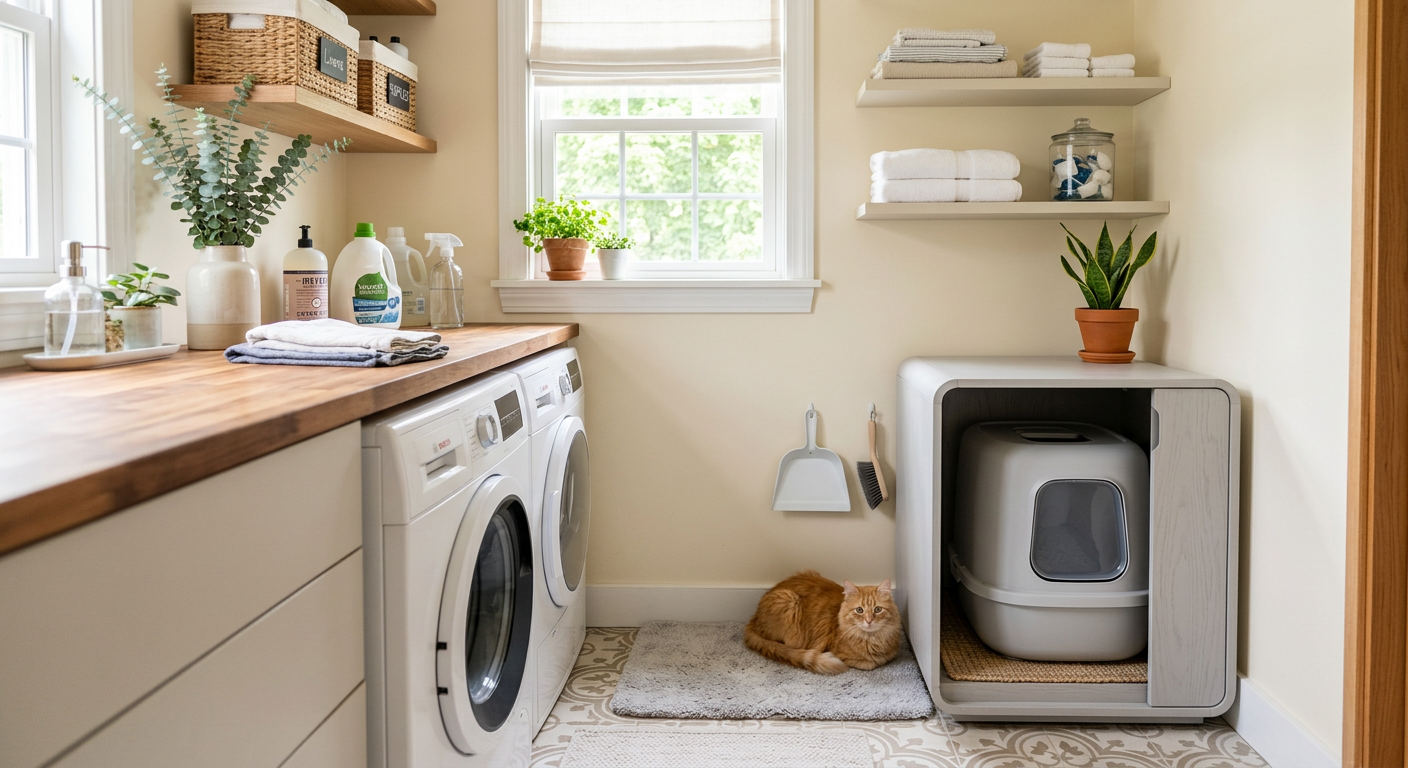
The location of the box is just as important as the box itself. If a new appliance like a loud washing machine was installed nearby, or if a new pet is "guarding" the hallway, your cat may no longer feel safe using their old spot. They need a quiet, low-traffic area where they feel secure and have a clear line of sight to their surroundings.
If you are considering adding a new pet to the family and want to see how different personalities might mesh, you can compare different breeds to understand their social dynamics. Managing the social environment is key to keeping your existing cat feeling secure and confident in their routines.
Evaluating Your Litter Box Setup
Even if nothing has changed in your home, your cat’s preferences might have evolved. What worked for a kitten or an adult cat might not be ideal for a senior. It is often recommended to have one more litter box than you have cats. If you have one cat, providing two boxes in different locations can significantly improve their comfort levels.
Sizing and Accessibility
The standard litter box sold in most stores is often too small for large adult cats. Your cat should be able to enter, turn around completely, and dig comfortably without hitting the sides. For an older cat pooping outside litter box suddenly after years, switching to a large, shallow storage tote with a low entry point can make a world of difference.
Cleanliness Standards
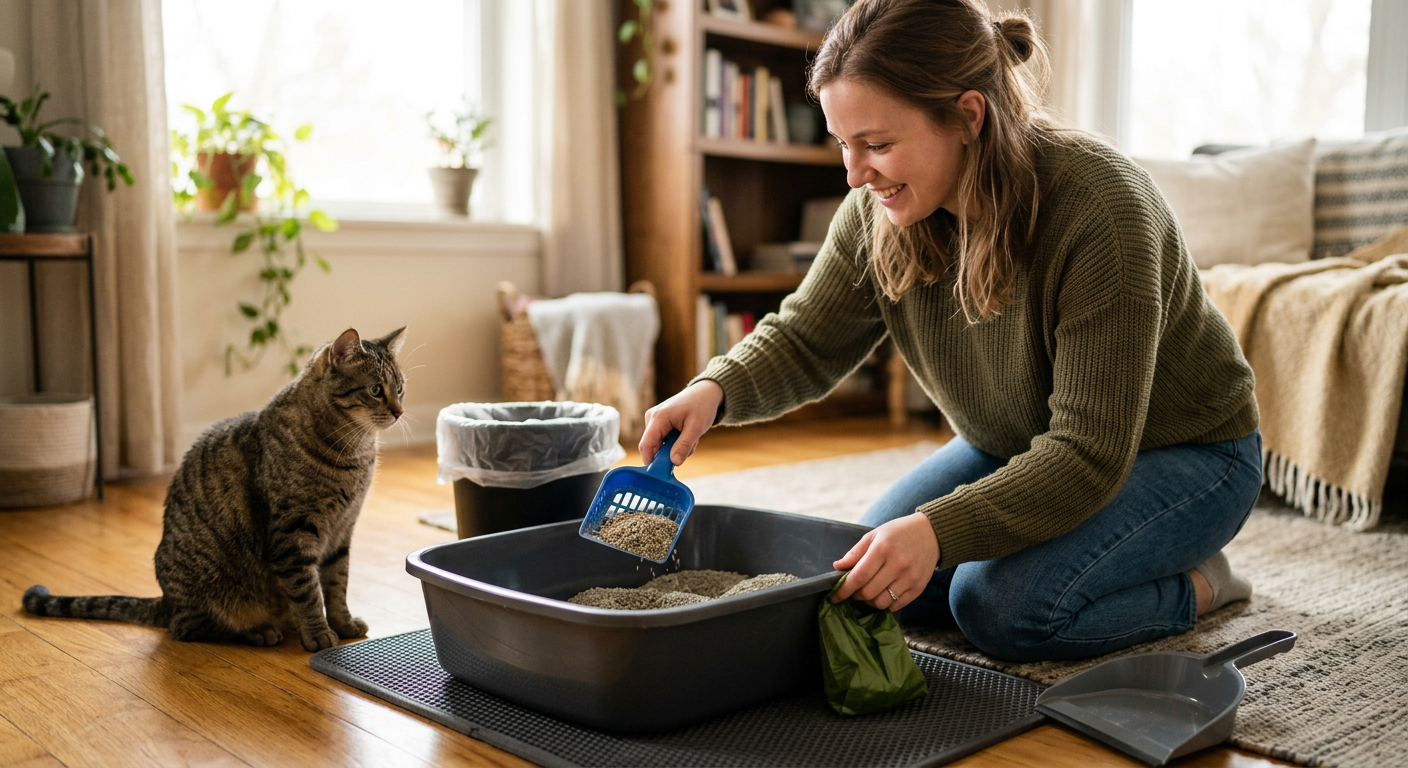
Cats have an incredible sense of smell, far superior to our own. If a box isn't scooped daily or deep-cleaned regularly, a cat may find it unpleasant. Over years of use, plastic litter boxes can also develop tiny scratches that hold onto odors even after washing. Replacing an old plastic box with a fresh one can sometimes solve the issue immediately.
Behavioral Training and Positive Reinforcement
Once medical issues are ruled out, you can work on re-establishing good habits. This process requires patience and a focus on making the litter box the most appealing place in the house. Gentle encouragement is always more effective than any form of correction, which can actually increase stress and worsen the behavior.
Attracting Your Cat Back to the Box
Litter attractants—natural herbs added to the litter—can help guide your cat back to the right spot. Additionally, if they have an "accident" elsewhere, it is vital to clean the area with an enzymatic cleaner. Regular soaps don't break down the proteins in feline waste, which means your cat might still smell the spot and think it is a designated bathroom area.
Observation and Tracking
Keep a simple log of when and where the behavior occurs. Do they only go outside the box when the house is loud? Does it only happen after they eat a specific type of food? Tracking these patterns can provide valuable clues for both you and your veterinarian during your wellness consultation.
Conclusion and Next Steps
Dealing with a cat pooping outside litter box suddenly after years is a journey that requires empathy and investigation. By focusing on physical comfort, environmental stability, and box accessibility, you can help your feline friend return to their clean habits. Always start with a professional health check to ensure your pet is feeling their best.
For more tips on feline health and behavioral wellness, feel free to explore our other resources in the PetDecoder blog. With the right adjustments and a little extra care, your cat can feel comfortable and confident in their home once again.