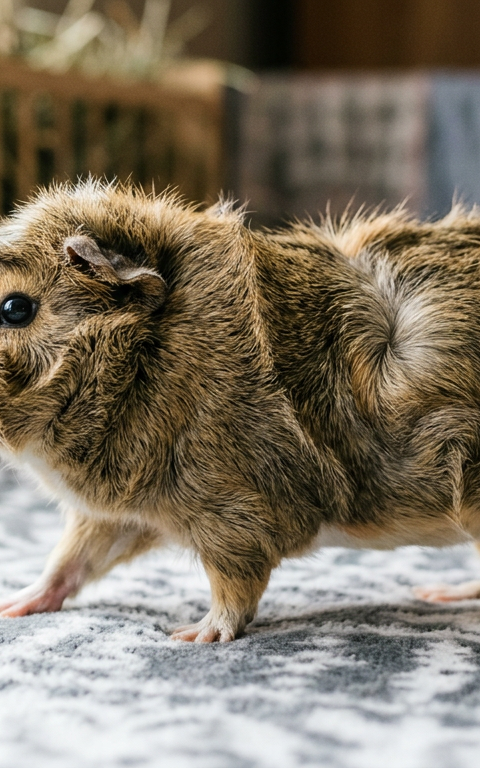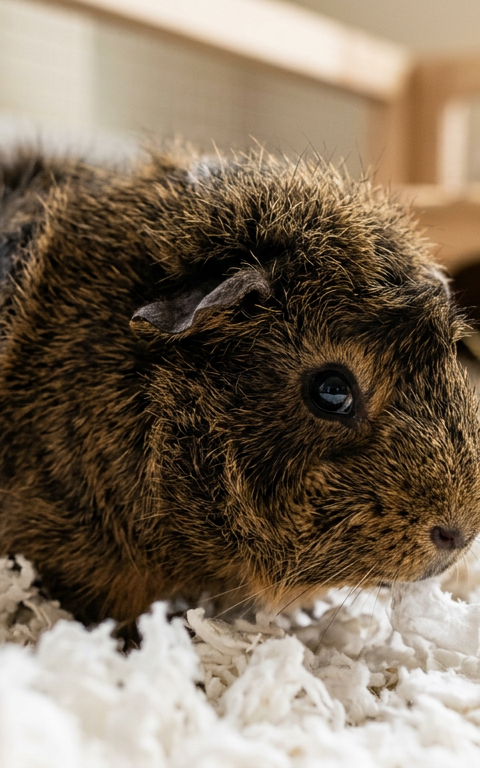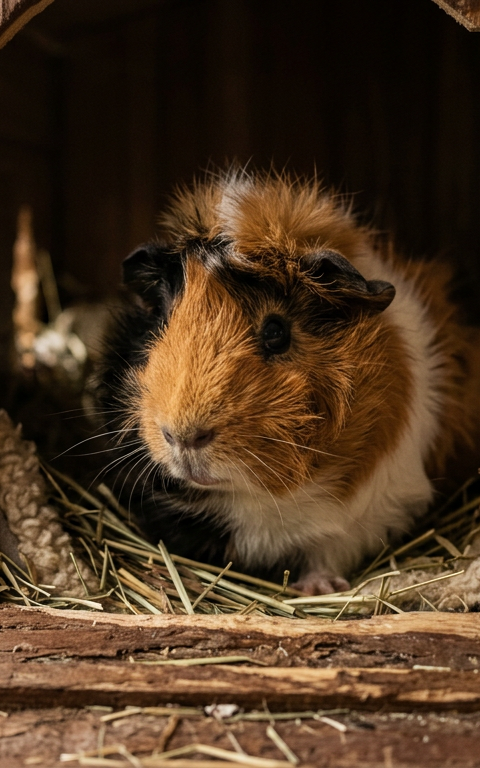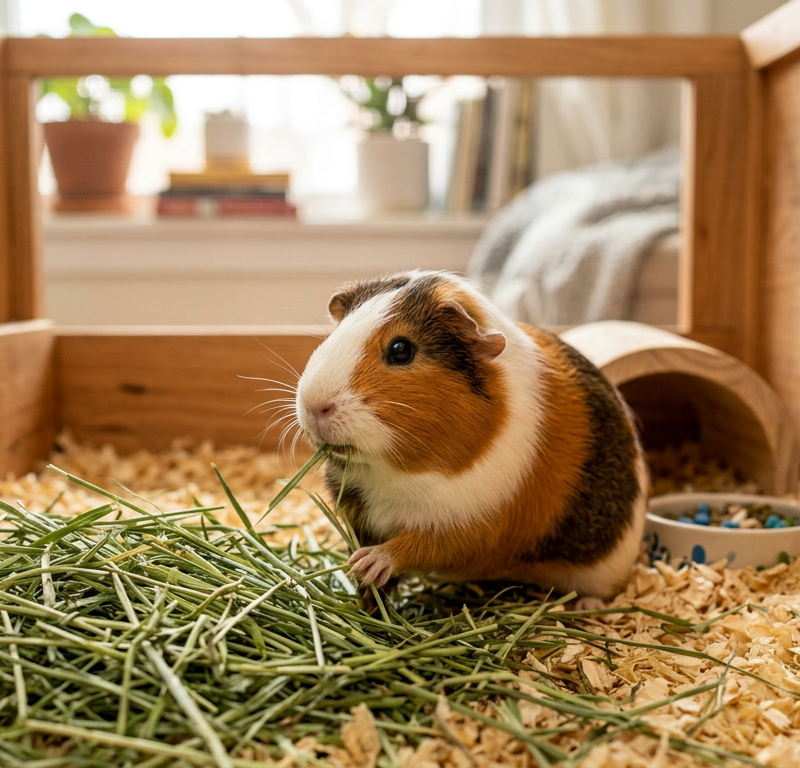
Hearing a guinea pig making clicking noise when breathing can be a concerning moment for any pet parent. These small, expressive creatures communicate through various whistles and wheeks, but rhythmic clicking is usually related to their respiratory system rather than vocalization. Understanding why this happens and how to monitor your pet's wellness is a key part of responsible guinea pig care.
In the world of small mammals, guinea pigs are masters at hiding discomfort. Because they are prey animals by nature, they often mask signs of respiratory congestion until the issue is more established. Pay close attention to the timing of the noise and whether it occurs during rest or activity to better understand your pet's needs.
Understanding Respiratory Sounds in Small Pets
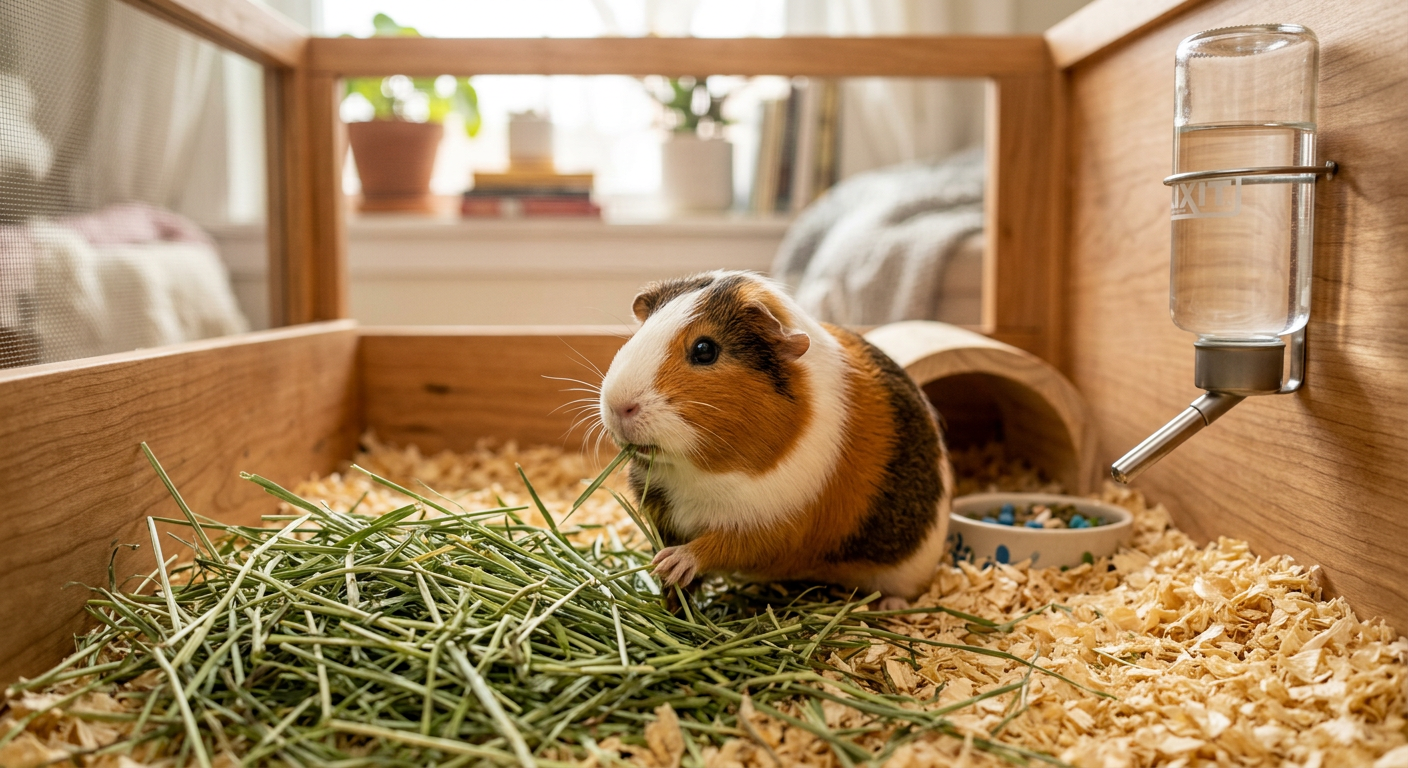
A guinea pig making clicking noise when breathing often signifies that there is some form of congestion or obstruction in the upper or lower respiratory tract. Unlike human breathing, which can occasionally be noisy due to a simple cold, guinea pig respiratory systems are quite delicate. The clicking sound is frequently caused by air passing through fluid or mucus in the narrow nasal passages.
It is helpful to distinguish between a "hoot" and a "click." Hooting sounds are often associated with the heart, while clicking is more commonly linked to the lungs or nose. If you notice these sounds, it is an excellent time to visit your veterinarian for a thorough wellness check and diagnostic evaluation.
The Anatomy of Guinea Pig Breathing
Guinea pigs are obligate nasal breathers, which means they prefer to breathe strictly through their noses. Because their airways are so small, even a tiny amount of inflammation can lead to a guinea pig making clicking noise when breathing. This specialized anatomy makes them particularly sensitive to dusty environments or strong fragrances.
When the passages become narrowed, the effort required to move air increases. This increased effort can manifest as a "click" or "pop" sound synchronized with every breath. Monitoring your pet’s energy levels and appetite alongside these sounds will help you provide the best care possible.
Common Causes for Clicking Noises
There are several reasons why you might observe a guinea pig making clicking noise when breathing. Environment plays a massive role in their respiratory health. If their bedding is too dusty or if they are exposed to aromatic wood shavings like cedar or pine, their airways can become irritated and produce excess mucus.
In addition to environmental factors, mild upper respiratory infections are common in small rodents. These can shift from simple congestion to more significant issues if not addressed. Early intervention by a professional is the safest way to ensure your guinea pig stays on the path to recovery.
Allergies and Irritants
Sometimes, the simple answer to a guinea pig making clicking noise when breathing is an allergy. Strong scented candles, perfumes, or even certain types of timothy hay can trigger a reaction. If you have recently changed their bedding or moved their cage to a new room, consider if these environmental changes coincide with the new sounds.
Keep the air in their living space clean and well-ventilated. Using high-quality, kiln-dried shavings or paper-based bedding can significantly reduce the amount of dust in the air. If the clicking disappears after a thorough cage cleaning, an irritant was likely the culprit.
Proactive Wellness and Monitoring
If you find your guinea pig making clicking noise when breathing, start a health journal. Record when the sounds started, if they occur after eating, and if there is any discharge from the eyes or nose. This information is incredibly valuable for a veterinarian during an examination.
Check their weight regularly using a kitchen scale. Fluctuations in weight are often the first sign that a guinea pig is not feeling their best. To understand how your pet's age might be influencing their health, you can learn more about pet life stages on our wellness blog.
Weight and Appetite Checks
A healthy guinea pig should be eager for their daily vegetables and hay. If the guinea pig making clicking noise when breathing also stops eating or shows a decreased interest in treats, this indicates they need immediate professional attention. Maintaining hydration is also critical for thinning any mucus that might be causing the noise.
A healthy diet rich in Vitamin C is essential for supporting a guinea pig's immune system. Unlike many other animals, guinea pigs cannot produce their own Vitamin C, and a deficiency can make them more susceptible to the respiratory issues that cause clicking sounds.
When to Consult Your Veterinarian
You should always seek veterinary advice if you notice a guinea pig making clicking noise when breathing persistently. While some clicks are due to temporary dust, a veterinarian can use a stethoscope to listen to the lungs and heart to rule out more complex issues. They may recommend diagnostic imaging or a course of support medications to clear the airways.
During the visit, your vet will look for "labored breathing," which is characterized by the sides of the guinea pig’s body moving in and out dramatically. This "heaving" combined with a clicking sound means the pet is working very hard to get oxygen. Proactive care at this stage is vital for a positive outcome.
Post-Visit Home Care
Once you have a plan from your veterinarian, focus on making your pet's recovery space as comfortable as possible. Ensure the room temperature is stable, as extreme cold or drafts can worsen respiratory symptoms. Keep their water bottle full and offer their favorite Vitamin C-rich leafy greens like bell peppers or parsley.
If your guinea pig lives with a companion, you may want to monitor them both. Respiratory issues can sometimes be shared between cage mates. Just as you might compare different breeds for their unique needs, different guinea pigs may show symptoms in varied ways.
Preventing Future Respiratory Issues
Preventative care is the best way to avoid seeing your guinea pig making clicking noise when breathing again in the future. Providing a large, clean habitat with excellent airflow is the first step. Avoid "piggy picking" at cheap, dusty hay, and instead invest in high-quality long-strand grass hay that has been shaken out to remove fine particles.
Regularly cleaning the "kitchen" area of their cage—where they eat and go to the bathroom most frequently—prevents the buildup of ammonia from urine. Ammonia fumes are heavy and sit at the bottom of the cage, which can easily irritate a guinea pig's nose and lead to clicking sounds.
Optimizing the Living Environment
Positioning the cage away from air conditioning vents and sunny windows helps maintain a steady temperature. Sudden shifts in heat or cold can stress a guinea pig’s immune system. By creating a stable, dust-free environment, you significantly reduce the chances of your guinea pig making clicking noise when breathing due to physical irritants or stress-induced immunity drops.
In conclusion, while a clicking noise is a signal to pay closer attention, many guinea pigs recover quickly with the right environmental adjustments and veterinary support. Being an observant and proactive pet owner is the most important role you play in your guinea pig's long and happy life.