Observing your feathered friend's habits is one of the most rewarding parts of bird ownership. However, when you notice your budgie sitting on bottom of cage not sick, it can naturally raise a few questions about their behavior. While many bird owners associate the cage floor with illness, there are several fascinating, non-medical reasons why a healthy budgie might choose to hang out at ground level.
Budgies are curious and intelligent creatures with individual personalities. Understanding their body language and environmental preferences helps you provide the best possible care. In this guide, we will explore the natural instincts and domestic habits that lead to a budgie sitting on bottom of cage not sick, helping you distinguish between a cozy nap and a cause for a vet visit.
Natural Ground Foraging Instincts
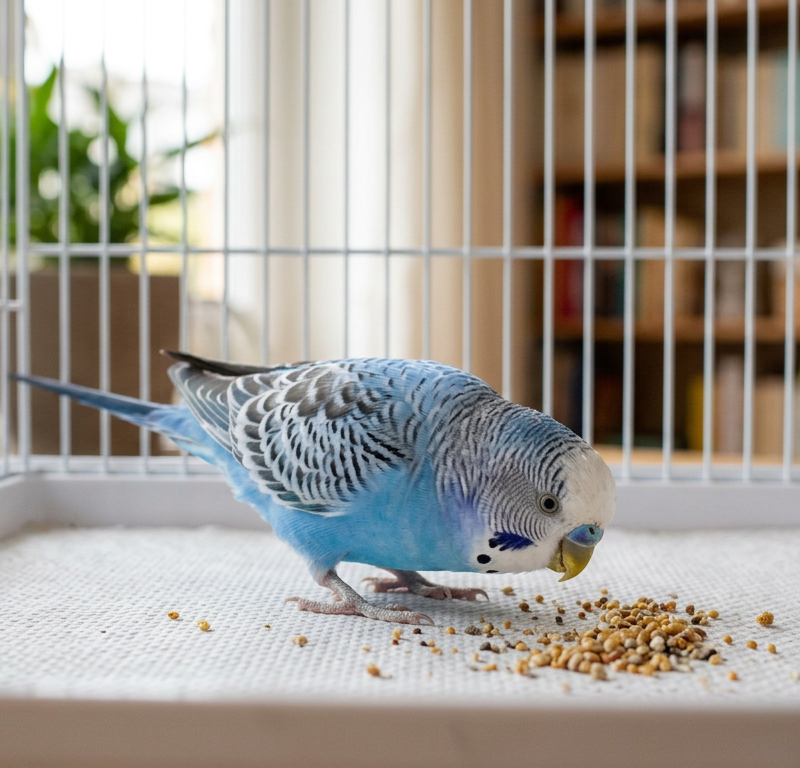
In the wild, budgies are primarily ground feeders. They spend a significant portion of their day flying down to the Australian grasslands to search for seeds, grains, and vegetation. This ancestral hardwiring doesn't disappear just because they live in a comfortable home environment.
If you see your budgie sitting on bottom of cage not sick, they might simply be expressing their natural foraging behavior. They often enjoy pecking at fallen seed hulls or exploring the texture of the cage liner. This is a sign of a bird that is curious and engaged with their surroundings.
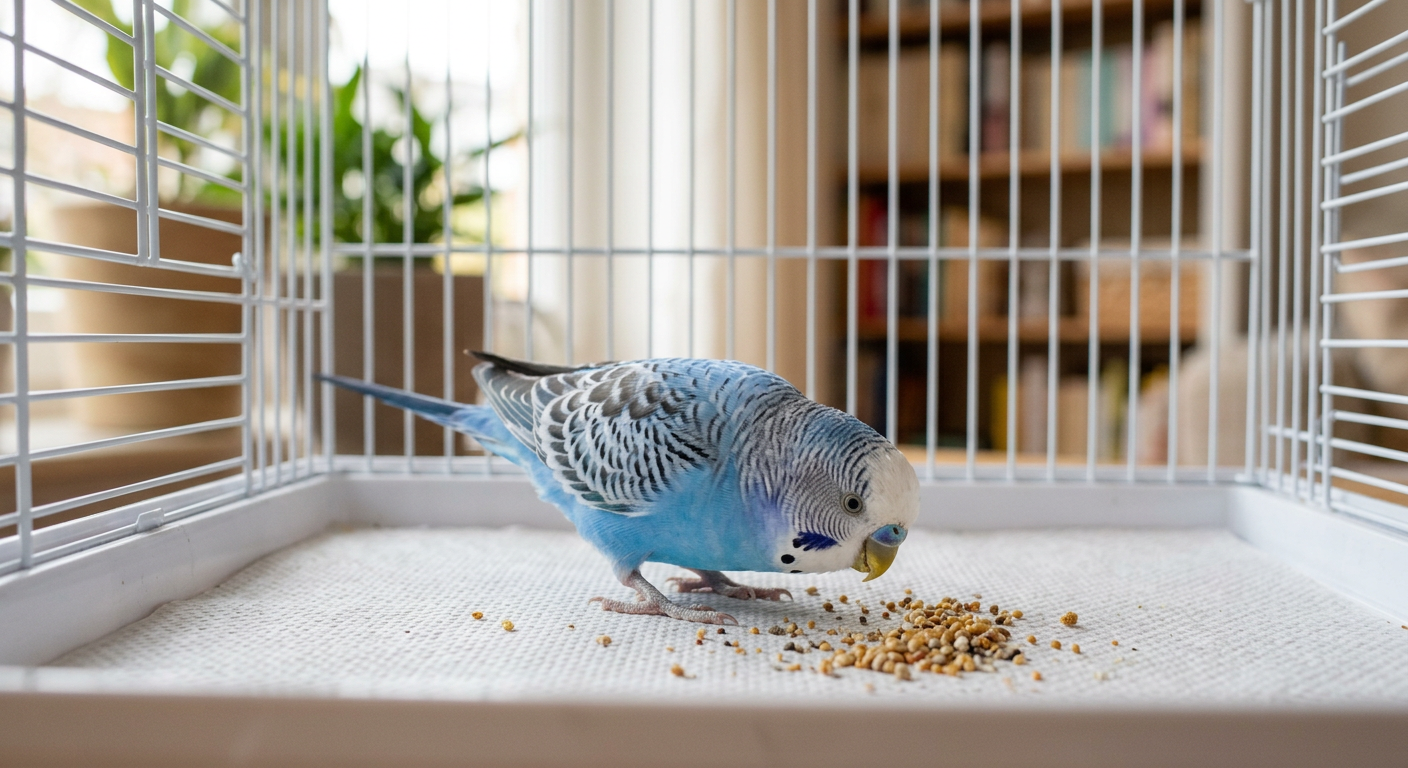
Encouraging Healthy Foraging
You can lean into this instinct by providing foraging toys or a shallow dish of bird-safe grasses on the cage floor. This turns their time on the bottom into a stimulating mental workout. When a bird feels safe enough to explore the "ground," it often indicates they are comfortable in their territory.
The "Treasure Hunt" Mentality
Sometimes, a budgie sitting on bottom of cage not sick is looking for a specific item they dropped earlier. Whether it is a favorite toy or a particularly tasty spray of millet, the floor becomes a destination for their "treasure hunt." Watch for active head movements and bright eyes to confirm they are playing rather than resting.
Seeking Warmth and Comfort
Temperature plays a major role in where a bird chooses to perch. While heat generally rises, certain cage setups or room drafts can create micro-climates. A budgie sitting on bottom of cage not sick might be finding a "sweet spot" where the air is still or where a nearby heater provides a gentle glow.
Birds are also very sensitive to the texture of their environment. If the bottom of the cage is lined with soft paper or a cozy towel (if used under supervision), your budgie might find it more comfortable for a midday nap than a hard wooden perch. This is particularly common in older birds who may appreciate a flat surface to rest their feet.
Playtime and Curiosity
Budgies are the gymnasts of the bird world. They love to climb, jump, and explore every inch of their vertical space. A healthy budgie sitting on bottom of cage not sick is often just taking a break during an intense round of play. They may be investigating a bell that fell or simply enjoying the different perspective from the floor.
If you have recently added new toys to the lower levels of the cage, your bird is likely just doing some reconnaissance. They take time to observe new objects before fully interacting with them. Seeing your budgie sitting on bottom of cage not sick during these times is a positive sign of a healthy, inquisitive mind.
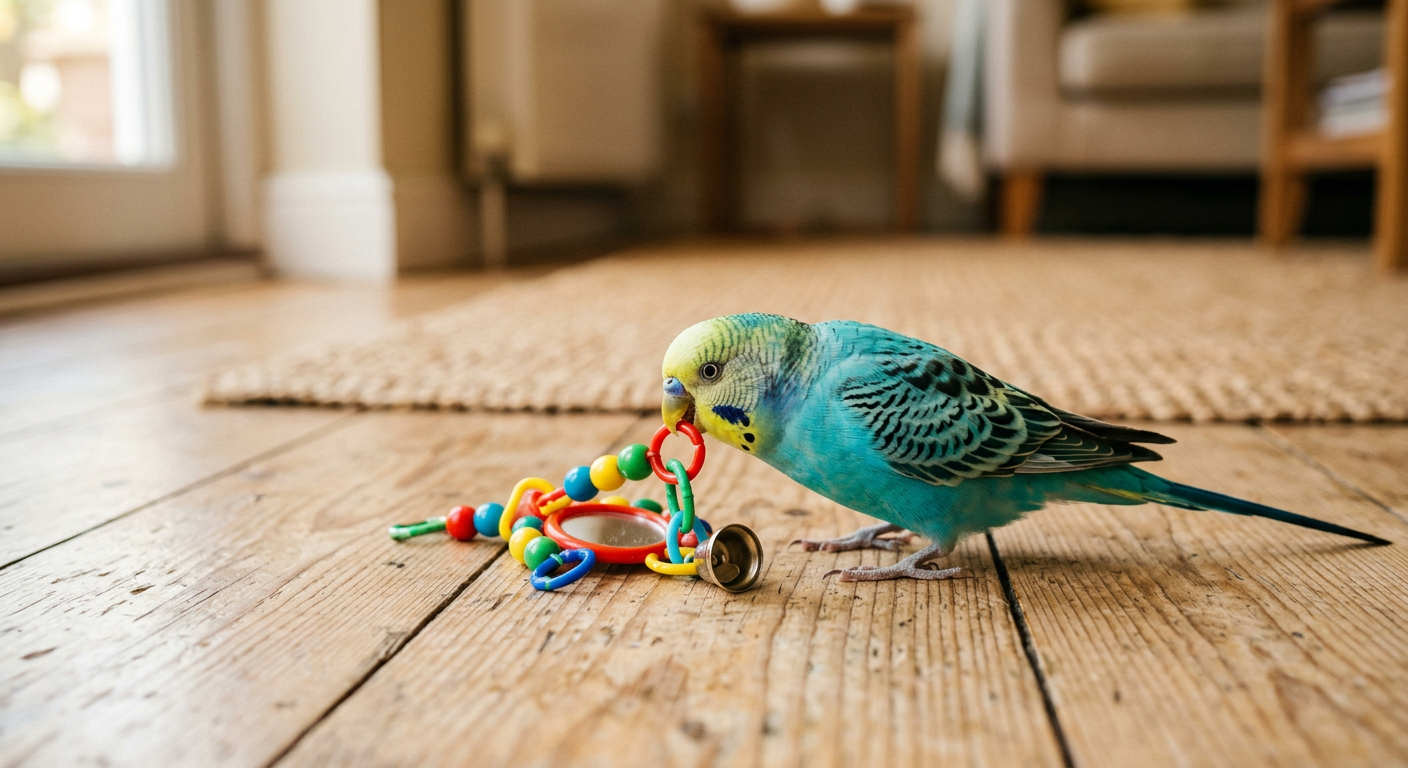
Mirror and Toy Interaction
Many owners place mirrors or heavy foot toys at the base of the cage. A budgie might spend hours chatting with their "friend" in the mirror or tossing a plastic ball around. If their energy levels are high and they are vocalizing, being on the floor is just another part of their active lifestyle.
Nesting and Hormonal Behavior
As birds mature, their natural instincts to find a nesting site can be triggered. Both male and female budgies may explore the corners of the cage floor looking for a dark, secluded spot. A budgie sitting on bottom of cage not sick might be exhibiting "nesting" behavior, especially if they are scratching at the corners or shredding paper.
While this is a natural process, it is important to monitor. If you notice your bird becoming territorial or aggressive over a specific corner, you may need to adjust their daylight hours or move their cage accessories to discourage excessive hormonal surges. You can learn more about managing your bird's environment in our bird wellness guides.
Signs of a Healthy Bird on the Floor
How can you be sure your budgie sitting on bottom of cage not sick is actually healthy? Look for "bright" indicators. A healthy bird will have clear, sparkling eyes, a clean vent, and smooth plumage. They should be responsive to your presence, perhaps tilting their head or chirping when you approach.
Check their posture. A resting but healthy budgie will still look "compact" and alert. If they are tucked in for a nap, they usually stay on one leg or tuck their beak into their back feathers. Physical activity, like stretching their wings or preening their feathers, are excellent signs that the floor is simply a choice, not a necessity.
Monitoring Droppings
One of the best ways to verify wellness is to check the droppings on the cage floor. If your budgie sitting on bottom of cage not sick is producing normal-looking waste, it reinforces that their digestive system is functioning well. Any significant change in color or consistency should be discussed with an avian veterinarian.
Knowing When to Consult a Vet
While we focused on the healthy reasons for this behavior, pet parents should always remain vigilant. If your budgie is on the floor with ruffled feathers, heavy breathing, or a drooping tail, these are signs of wellness considerations that require professional attention. A bird that is lethargic or unresponsive needs a vet check-up immediately.
Always trust your intuition. If the behavior feels "off" compared to their usual routine, a proactive consult with a vet is the best course of action. Comparing behaviors can also help; for example, if you also own larger pets, you might see how different animals show rest differently, similar to how owners compare a French Bulldog vs Pug in their activity levels.
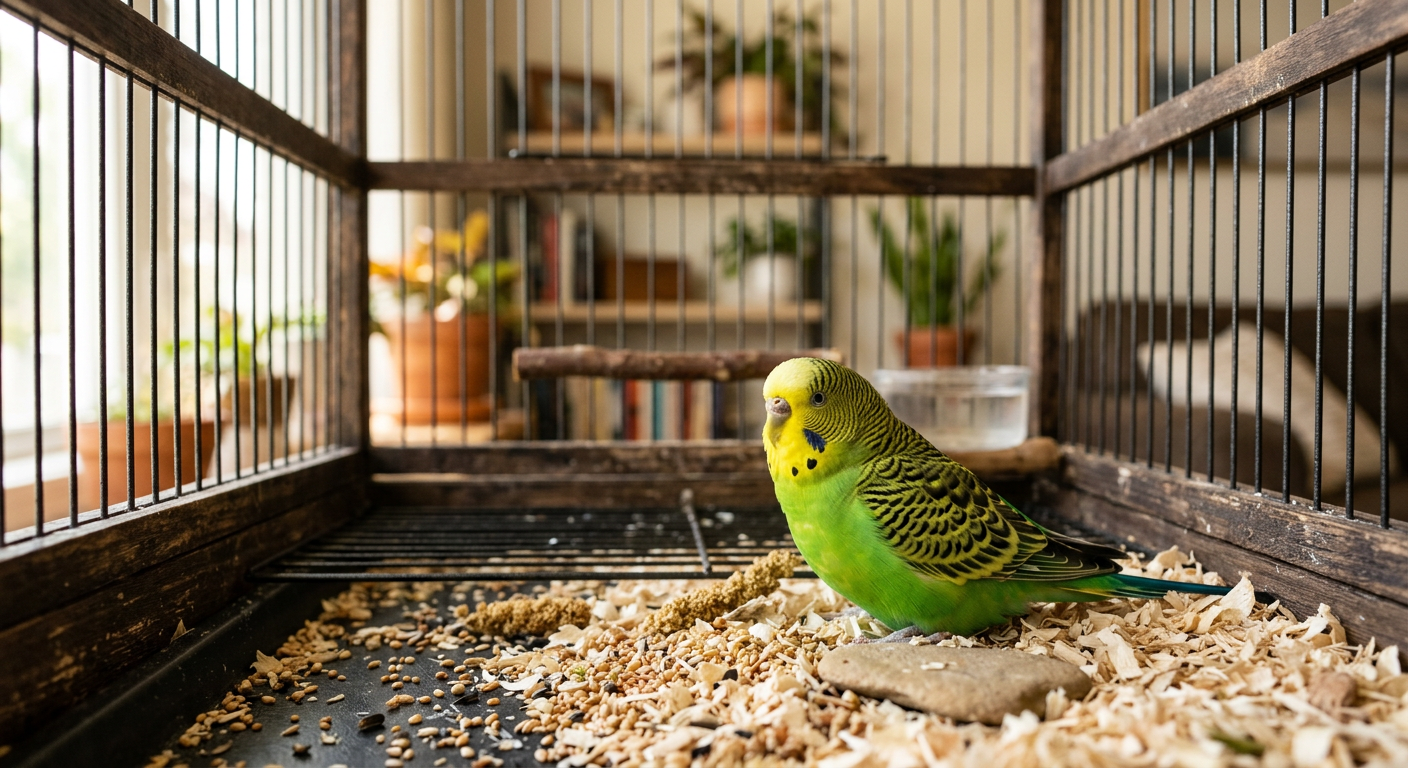
Creating a Safe Floor Environment
Since your budgie likes the floor, make sure it is a safe place for them. Ensure the grate (if your cage has one) is clean and free of sharp edges. Use bird-safe substrates like plain paper or specialized bird bedding. Avoid cedar shavings or scented liners which can irritate their sensitive respiratory systems.
By understanding why you have a budgie sitting on bottom of cage not sick, you can better support their unique personality. Whether they are foraging, resting their feet, or just playing, the floor is often just another room in their house. Enjoy watching these ground-level antics as part of the joyful experience of bird ownership.