Learning how to begin reading behavior in reptiles and aquarium fish is a rewarding journey that strengthens the bond between you and your unique companions. Unlike mammals, these species communicate through subtle movements and environmental interactions. By observing their routines, you can gain a deeper understanding of their health and happiness.
Every movement in the terrarium or aquarium has a specific meaning. From the way a lizard basks to the patterns a tropical fish swims, these signals provide a window into their internal world. Proactive care begins with recognizing these indicators before they become significant wellness considerations.
The Basics of Reptile Body Language
Reptiles are masters of energy conservation and thermal regulation. When reading behavior in reptiles and aquarium fish, you must first look at how they utilize their space. Exposure to warmth and UVB lighting is a primary driver for most reptile activities.
Basking and Thermal Regulation
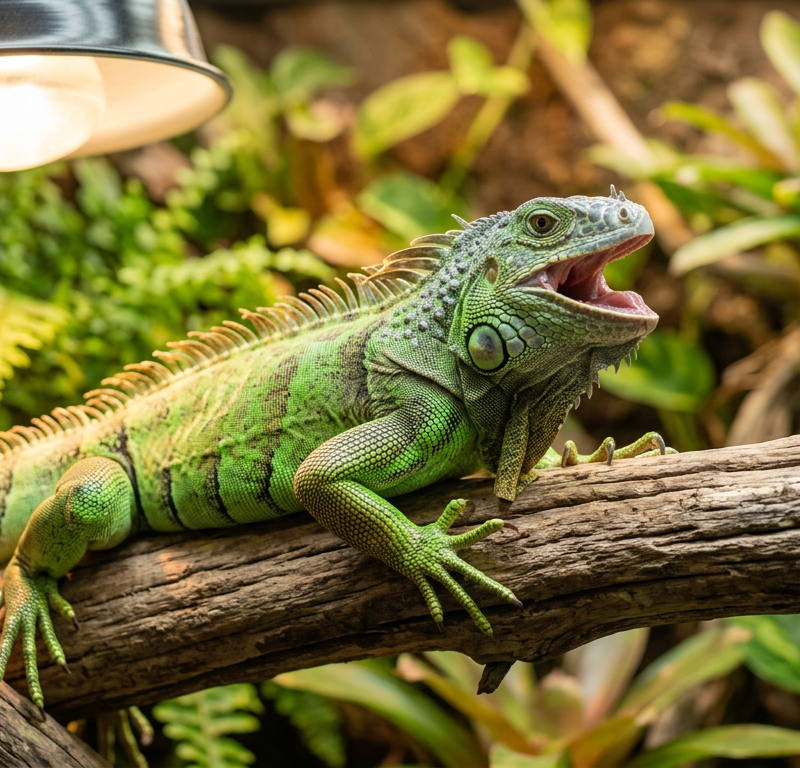
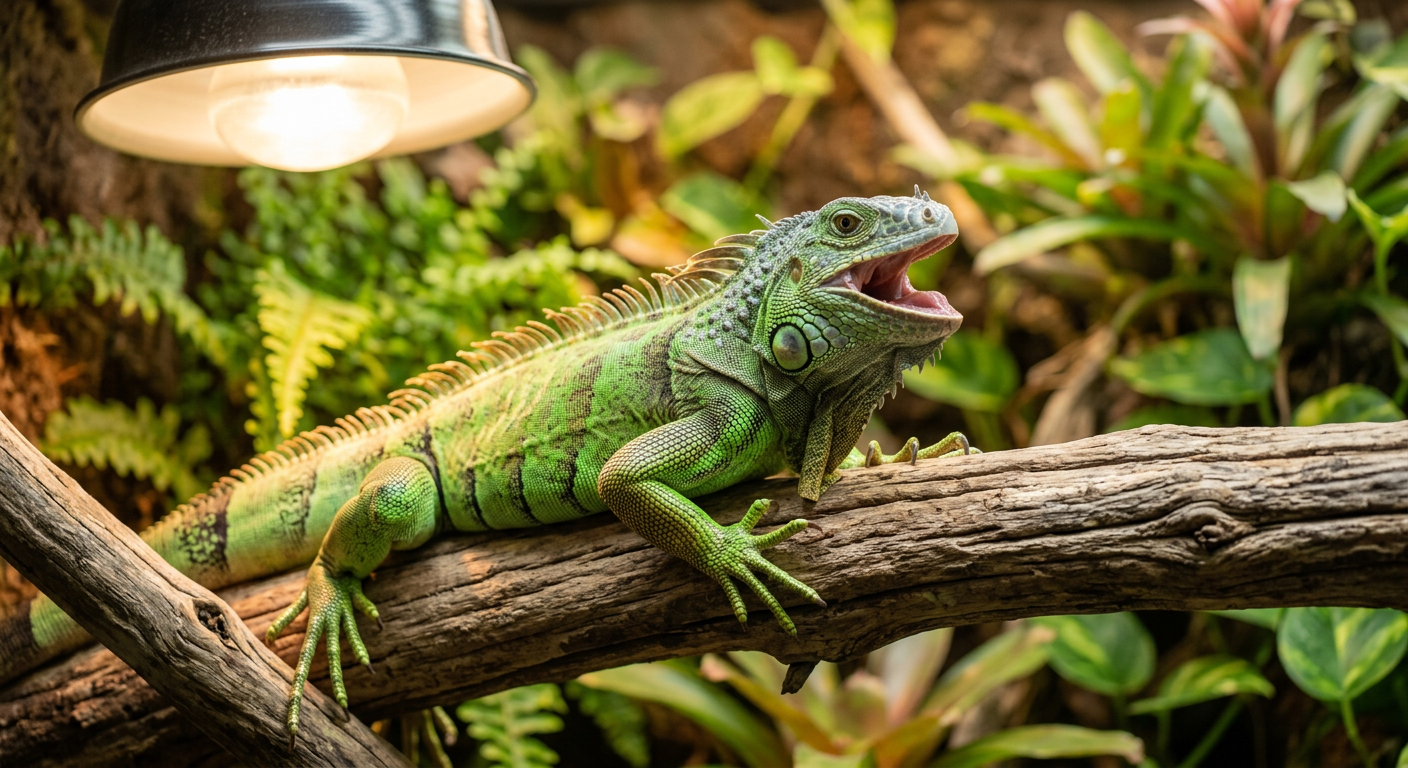
Movement toward a heat source usually indicates a need to raise body temperature for digestion or metabolic function. If a reptile is constantly hiding in the cool end of their enclosure, it might suggest the basking spot is too hot. Conversely, a reptile that never leaves the heat may require a warmer ambient temperature.
Watch for mouth gaping while basking. In many species, like bearded dragons, this is a way to shed excess heat, similar to how a dog pants. It is a sign that they have reached their optimal temperature and are regulating effectively.
Posturing and Stress Signals
Reading behavior in reptiles and aquarium fish involves noticing changes in physical appearance. For example, many lizards will puff out their throats or flatten their bodies to appear larger if they feel threatened. This is a natural defensive posture meant to ward off perceived intruders.
Color changes are another vital communicative tool. While some species change color for camouflage, others darken their skin to absorb more heat or signal stress. If your pet remains unusually dark or dull for extended periods, it is a good idea to consult a veterinarian to check their environmental parameters.
Understanding Aquarium Fish Activity Patterns
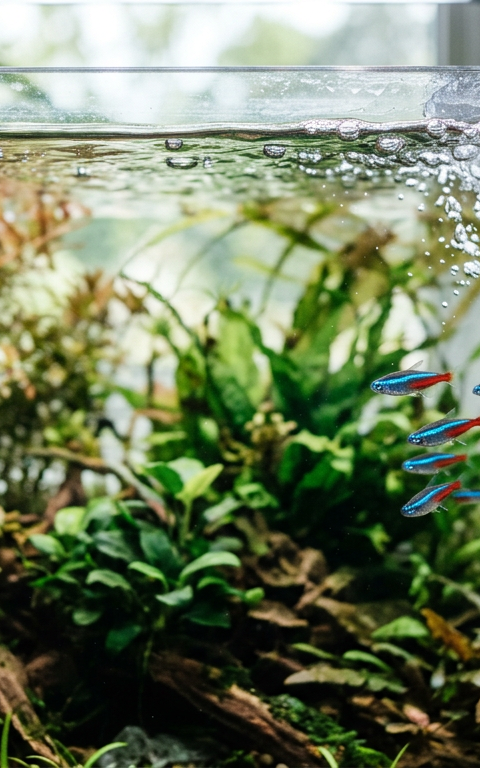
Fish communication is often more fluid and faster than reptile behavior. Because they live in a three-dimensional medium, their positioning within the water column tells a significant story about their comfort levels and water quality.
Swimming Levels and Interaction
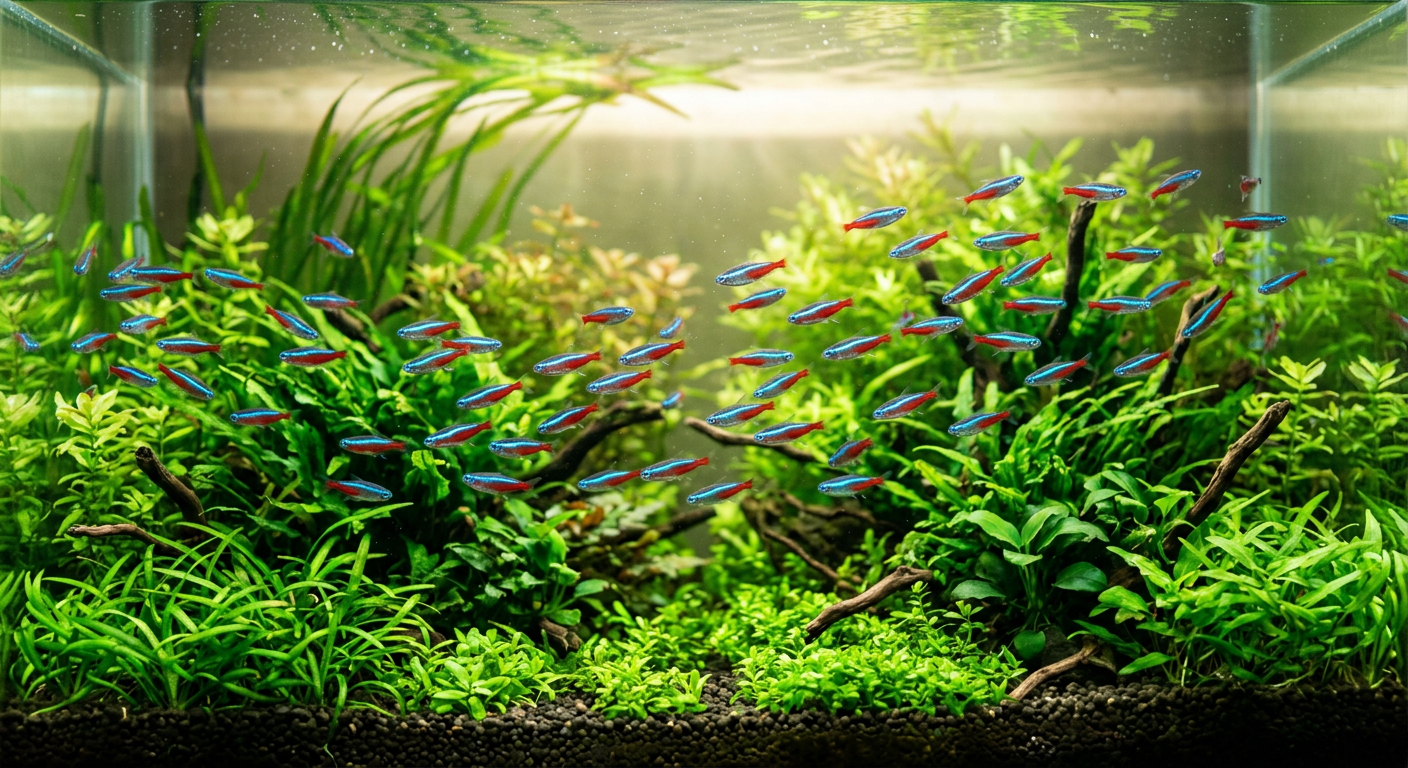
Different species have preferred zones, such as surface dwellers, mid-water swimmers, and bottom feeders. If a fish that usually stays at the bottom is suddenly gasping at the surface, it may indicate a need for more oxygen in the water. Observing these shifts is essential for reading behavior in reptiles and aquarium fish.
Healthy fish usually exhibit rhythmic, steady gill movements. Rapid or labored breathing can be a sign that the environmental conditions need adjustment. Regular water testing helps ensure that their underwater home remains a serene and healthy habitat.
Social Hierarchy and Aggression
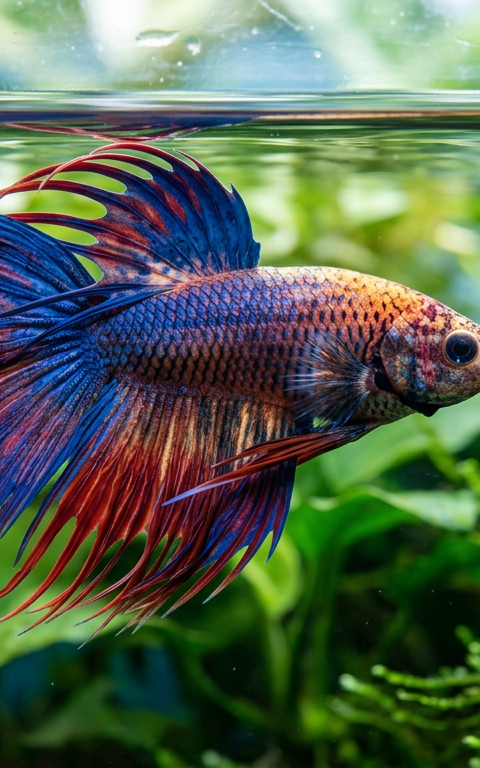
Many fish are social and establish a pecking order. You might see "flaring," where a fish extends its fins and gill covers to look more impressive. This is common behavior in Bettas or Cichlids. Understanding these interactions helps you manage the community effectively.
If you are interested in how different species interact, you might explore our breed comparison tools to see how different domestic animals compare in social complexity. While fish and dogs are different, they both rely on consistent social structures within their groups.
Feeding Behaviors and Appetite Cues
Appetite is often the most reliable indicator of reptile and fish wellness. A proactive owner pays attention not just to how much a pet eats, but how they approach their food. Changes in hunting styles or foraging can signal psychological engagement.
The Hunting Response in Reptiles
Many reptiles are visual hunters. When reading behavior in reptiles and aquarium fish, look for the "tongue flick." This is how snakes and lizards "taste" the air to find prey. Frequent, rapid flicking in a new environment shows curiosity and active exploration.
If a normally enthusiastic eater becomes disinterested, it could be due to an upcoming shedding cycle or seasonal changes. During these times, providing a quiet, low-stress environment is helpful. Always ensure fresh water is available as they navigate these natural transitions.
Feeding Frenzies in the Aquarium
Fish often learn to recognize their keepers and may swim toward the front of the glass in anticipation of food. This is a positive sign of cognitive mapping. However, overfeeding can lead to water quality issues, so it is important to balance their enthusiasm with measured portions.
Watching how fish compete for food can help you spot the more timid individuals. Some may need targeted feeding to ensure they get the nutrients they need. This attentive approach is a hallmark of high-quality pet care.
Rest and Recovery Cycles
Both reptiles and fish have specific ways of resting that might look unusual to new owners. Recognizing these "off" periods is just as important as reading behavior in reptiles and aquarium fish during their active hours.
Nocturnal vs Diurnal Habits
Knowing whether your pet is active during the day (diurnal) or at night (nocturnal) is crucial. A Leopard Gecko will naturally be more active in the evening, while a Bearded Dragon prefers the daylight. Matching your interaction times to their natural rhythm reduces stress for the animal.
During rest periods, fish may hover near the bottom or tuck themselves into plants. They don't have eyelids, so they stay still while remaining alert. Disturbing them during these times can interfere with their natural recovery cycles.
The Importance of Hiding Spots
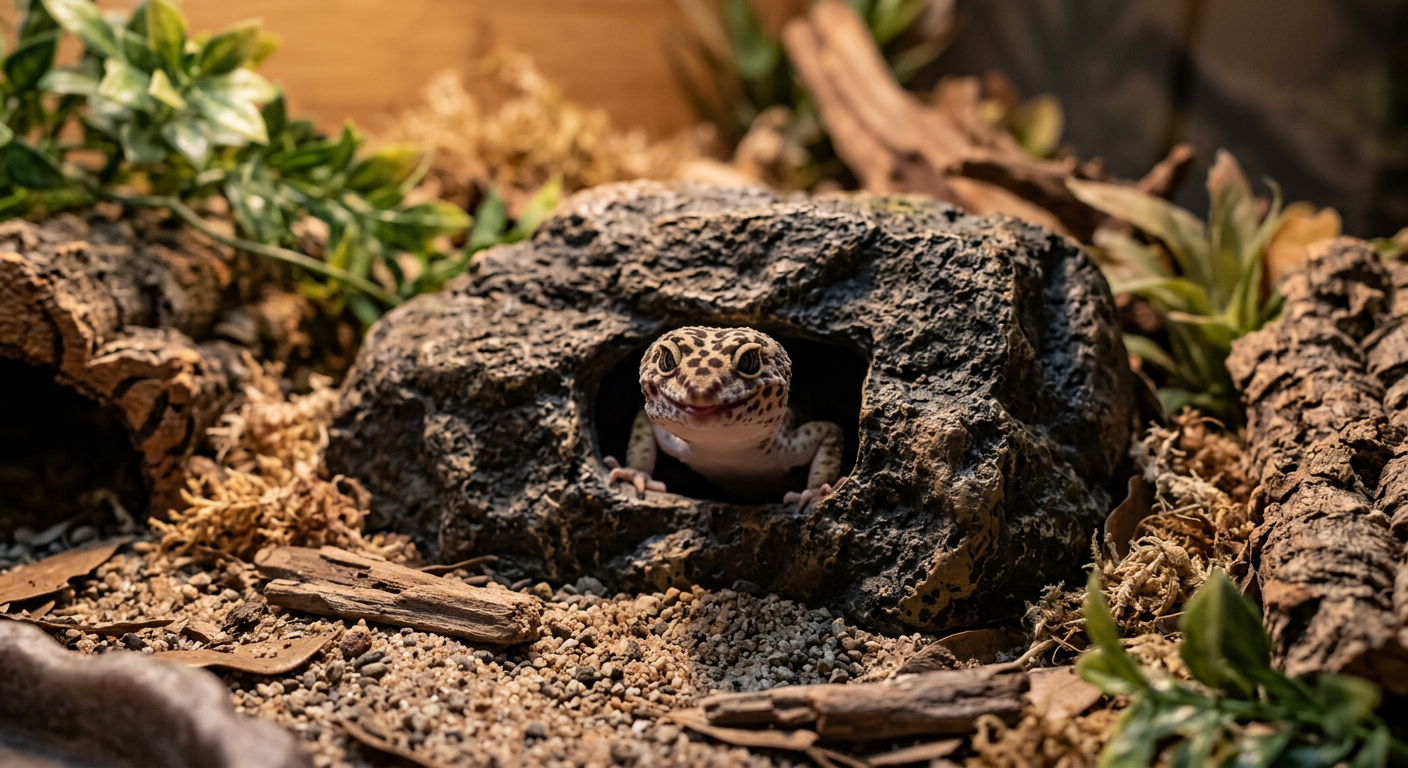
A reptile that spends all its time in a hide box is communicating a need for security. Providing multiple hiding spots at different temperature gradients allows the animal to choose where they feel safest. This autonomy is a significant factor in their overall well-being.
If you want to track the life stages of various pets, you can check out our resources like the Siberian Husky age calculator to see how age impacts energy levels. While the biology differs, the concept of life stages affects all animals, including your aquatic and reptilian friends.
Recognizing Wellness Indicators
Proactive monitoring is the best way to ensure your pets thrive. By consistently reading behavior in reptiles and aquarium fish, you become an expert on what is "normal" for your specific individual. This makes it much easier to spot when something is slightly out of alignment.
Skin and Scale Health
In reptiles, successful shedding (ecdysis) is a sign of good hydration and nutrition. The skin should come off in large pieces or a single sleeve, depending on the species. If patches remain, it may be time to increase the humidity in their enclosure gently.
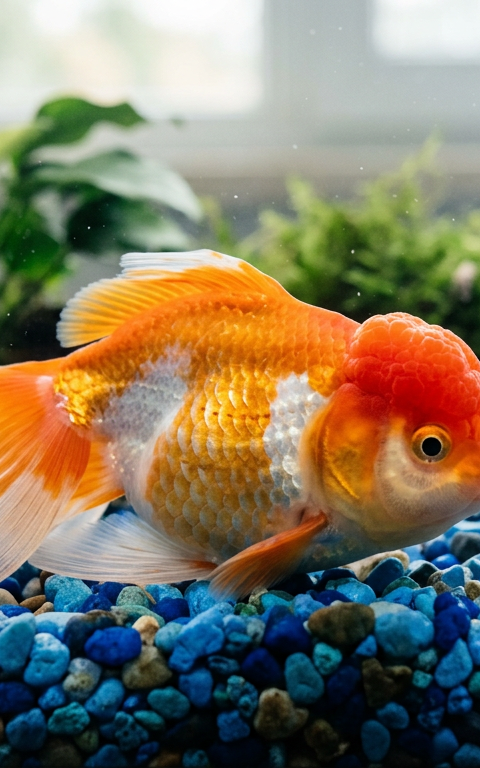
In fish, look for clear eyes and intact fins. Any fraying of the fins or cloudy spots on the scales should be noted. These are often indicators that the water chemistry needs a quick check or that a more peaceful tank environment is required.
Environmental Enrichment
Adding new textures, plants, or climbing branches can stimulate your pet's brain. For fish, changing the flow of the water or adding floating logs can encourage new swimming patterns. For reptiles, different substrates can encourage natural digging behaviors.
Observe how they react to these changes. An inquisitive approach usually indicates a healthy, curious mind. If they retreat, it simply means they need more time to acclimate to the new addition. Patience is key when introducing enrichment.
Conclusion and Expert Care
Successfully reading behavior in reptiles and aquarium fish takes time and consistent observation. By learning the subtle cues of your pets, you can provide a home that caters to their biological and psychological needs. This attentive care ensures they live long, enriching lives.
For more detailed insights into animal behaviors and how to care for various species, visit our blog section for the latest guides. Remember that if you ever notice a sudden or dramatic change in behavior that gives you concern, the best course of action is to contact a qualified veterinarian or aquatic specialist.
Your journey into the world of scales and fins is just beginning. Every day spent observing is a day spent becoming a more intuitive and successful pet parent. Enjoy the quiet beauty and fascinating displays your reptiles and fish provide.