Keeping your furry friend active is a cornerstone of responsible pet ownership, but not all activity is created equal. Personalized exercise guidelines by breed and age help ensure your pet stays fit while protecting their joints and long-term health. Understanding these nuances allows you to tailor your daily routine to meet the specific biological needs of your unique companion.
Every dog has a biological "engine" that dictates how much fuel and movement they require. A high-energy herding dog has vastly different requirements than a low-key toy breed. By following structured exercise guidelines by breed and age, you can prevent boredom-related behaviors and support a healthy weight throughout their life stages.
Understanding Puppy Exercise Principles
Puppies are bundles of energy, but their bodies are still under construction. Growth plates—the areas of cartilage at the end of long bones—are soft and vulnerable during the first year of life. Overtaxing a young dog can lead to structural wellness considerations later in life.
The Five Minute Rule
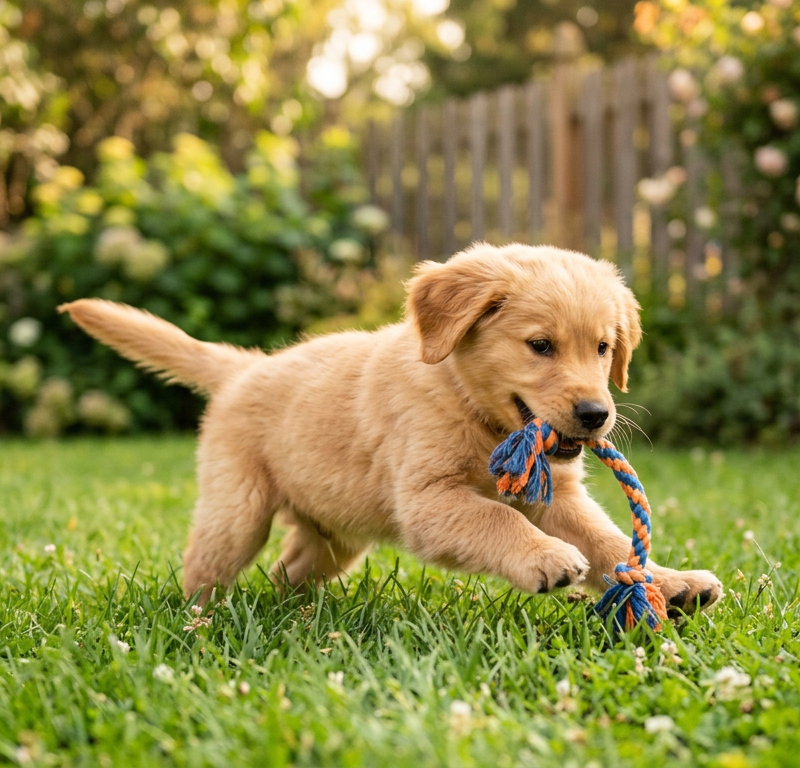
A common benchmark in exercise guidelines by breed and age for puppies is the "five-minute rule." This suggests five minutes of formal, structured exercise (like a leash walk) per month of age, up to twice a day. For example, a four-month-old puppy should limit formal walks to about 20 minutes.
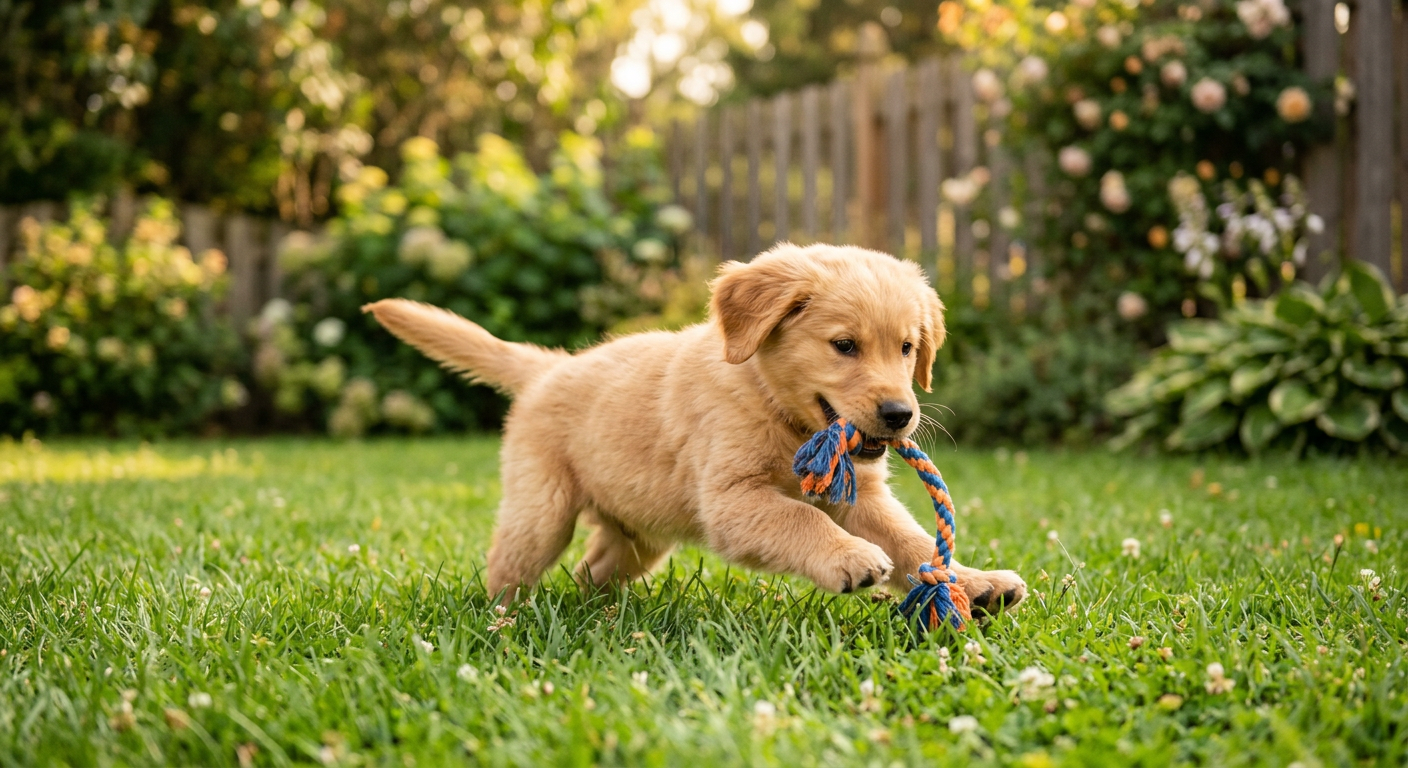
Free play is different from structured exercise. When a puppy plays in the yard, they can stop, sniff, and rest at will. This self-regulation is vital for their development. You can learn more about early life stages by checking out the Golden Retriever age calculator to see how quickly your pup is maturing.
Activity Needs for High Energy Breeds
For breeds like the Border Collie, Siberian Husky, or Labrador Retriever, a simple walk around the block rarely suffices. These dogs were bred for endurance and tasks. Exercise guidelines by breed and age for these groups emphasize the need for cardiovascular challenges and mental stimulation.
Working and Herding Groups
These breeds thrive on "jobs." Incorporating hiking, agility training, or fetch sessions helps burn off physical energy. Without adequate movement, these breeds may find their own ways to stay busy, which often involves chewing or digging.
If you are choosing between two active breeds, you might find our guide on Labrador Retriever vs Golden Retriever helpful for understanding their respective stamina levels. Both require significant daily interaction to remain happy and settled indoors.
Sporting and Hound Breeds
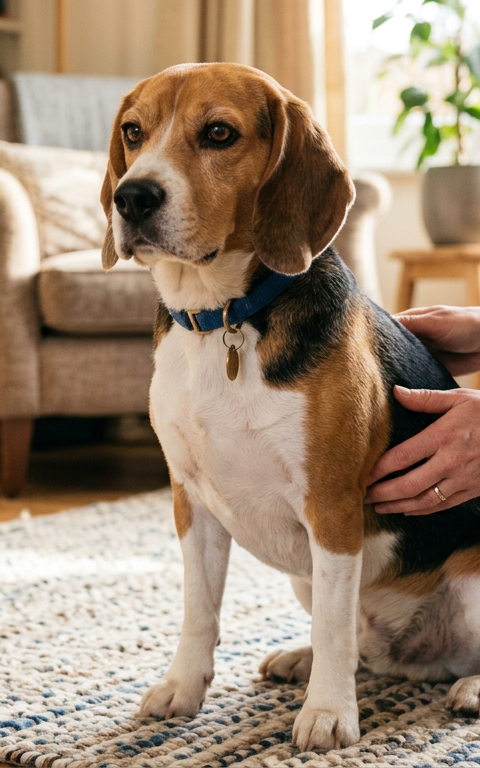
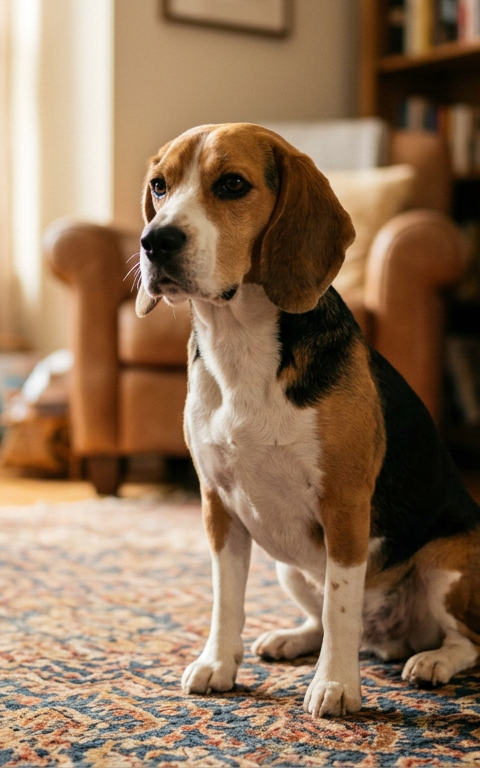
Hounds and sporting dogs often require "scent work" alongside physical movement. Allowing a Beagle or a Pointer to spend time sniffing during a walk is just as tiring for them as a fast-paced run. It engages their brain and satisfies their natural instincts.
Low Energy and Brachycephalic Breeds
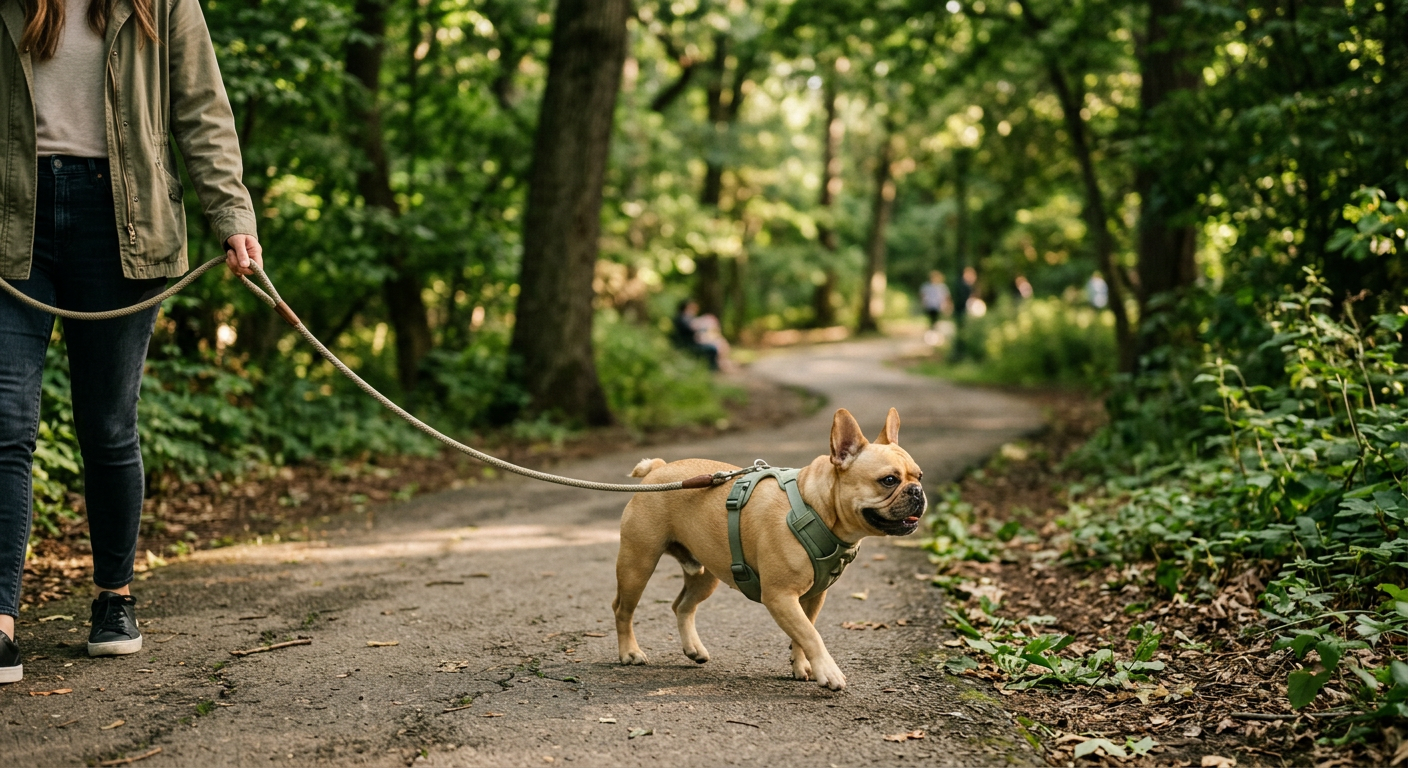
Not every dog is built for a marathon. Brachycephalic (flat-faced) breeds like French Bulldogs or Pugs have shorter airways that make cooling down difficult. For these dogs, exercise guidelines by breed and age prioritize safety and temperature control over intensity.
Managing Heat Sensitivity
Short, frequent walks in the early morning or late evening are best for flat-faced breeds. Avoid heavy exertion during the heat of the day. Because these breeds are prone to weight gain, consistent light activity is necessary to keep their joints healthy.
Toy Breeds and Small Dogs
Small dogs like the Shih Tzu or Yorkshire Terrier still need movement, but their tiny legs mean they take many more steps than a large dog to cover the same distance. Indoor play and short outdoor excursions are usually sufficient to meet their daily needs.
Exercise for Senior Dogs
As dogs enter their golden years, their needs shift toward maintenance and comfort. Exercise guidelines by breed and age for seniors focus on "low-impact" activities. Keeping a senior dog moving is essential for managing stiffness and maintaining muscle mass, which supports aging joints.
Low Impact Alternatives
Swimming is one of the best activities for older dogs because it provides resistance without putting pressure on the joints. If swimming isn't an option, slow scent walks or "sniffari" outings provide mental engagement without physical strain. You should always consult with your veterinarian to create a plan tailored to your senior's mobility.
Proactive care during this stage is vital. Reading our Pet Health and Wellness Proactive Care Guide can help you identify subtle signs that your senior might need to slow down or adjust their routine.
The Importance of Mental Stimulation
Exercise isn't just about the body; it’s about the mind. For many breeds, 15 minutes of intensive brain games can be as exhausting as an hour-long walk. This is a critical component of exercise guidelines by breed and age that many owners overlook.
Puzzle Toys and Training
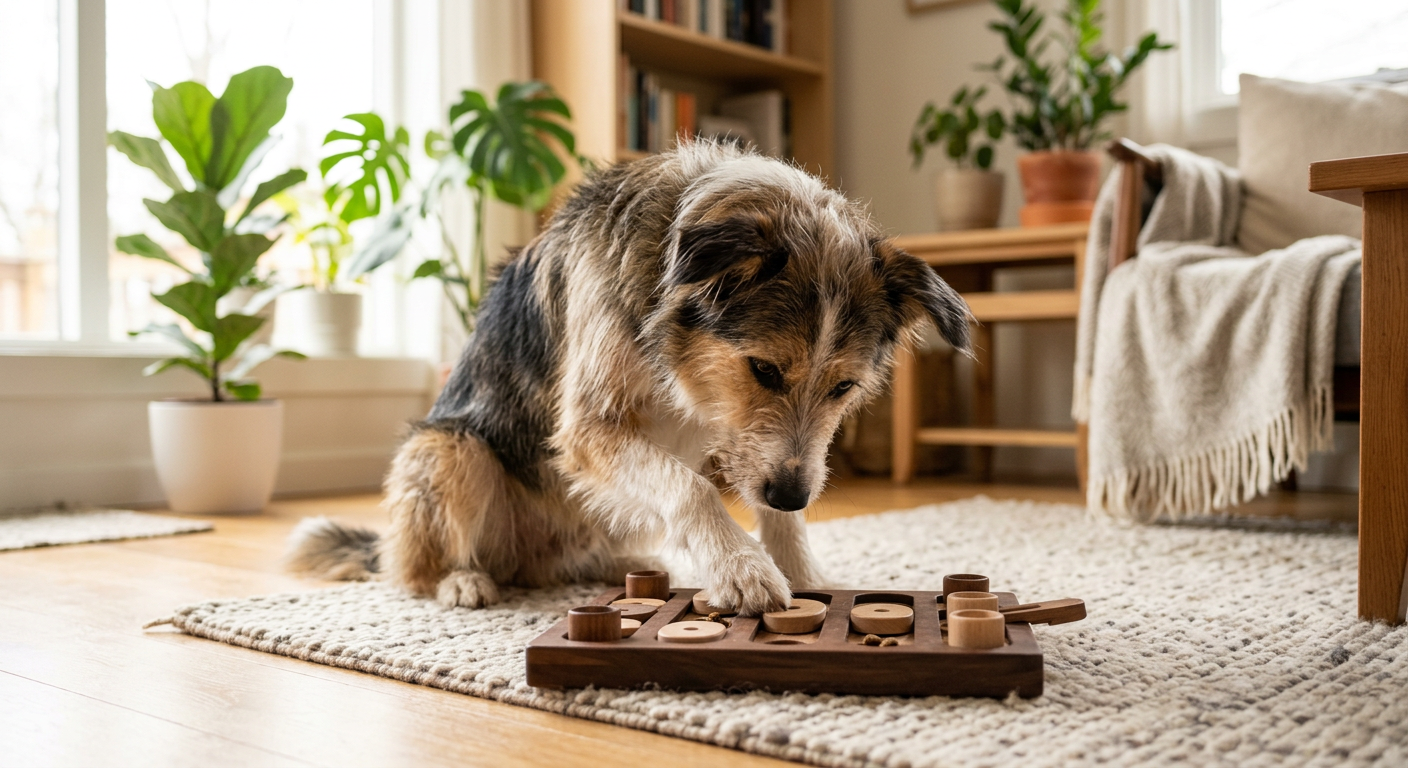
Interactive feeders, hide-and-seek games, and teaching new tricks keep the brain sharp. This is especially useful for high-intelligence breeds or during days when the weather prevents outdoor activity. Using your dog's natural problem-solving skills leads to a more relaxed and well-adjusted pet.
Monitoring Your Dog's Response
While general exercise guidelines by breed and age are helpful, every dog is an individual. It is important to watch for signs of fatigue or discomfort. If your dog is slowing down, panting excessively, or seems reluctant to continue, it is time to head home.
Conversely, if your dog is still "zooming" around the house after a long walk, they might need more engagement or a different type of activity. Consistency is key; a weekend warrior approach to exercise can lead to injuries. Aim for a steady daily routine that fluctuates based on your dog's energy levels and the environment.
Seasonal and Environmental Considerations
The weather plays a massive role in how you apply exercise guidelines by breed and age. In the winter, breeds with thin coats like Greyhounds or Boxers may need jackets and shorter outings. In the summer, all breeds need access to shade and plenty of fresh water.
Always check the temperature of the pavement with your hand. If it is too hot for your palm, it is too hot for your dog's paws. Indoor training sessions or "nose work" in the air conditioning are great alternatives for those blistering summer days.
Common Exercise Mistakes to Avoid
One of the most common mistakes is "forced exercise" with young animals, such as running a puppy alongside a bicycle. This can cause permanent damage to developing joints. Another mistake is neglecting the cool-down period. Just like humans, dogs benefit from a few minutes of slow walking at the end of a session to let their heart rate return to normal.
Effective exercise guidelines by breed and age are meant to be a roadmap, not a strict rulebook. By observing your pet and working closely with your vet, you can create a fitness plan that enhances their quality of life and strengthens your bond for years to come.