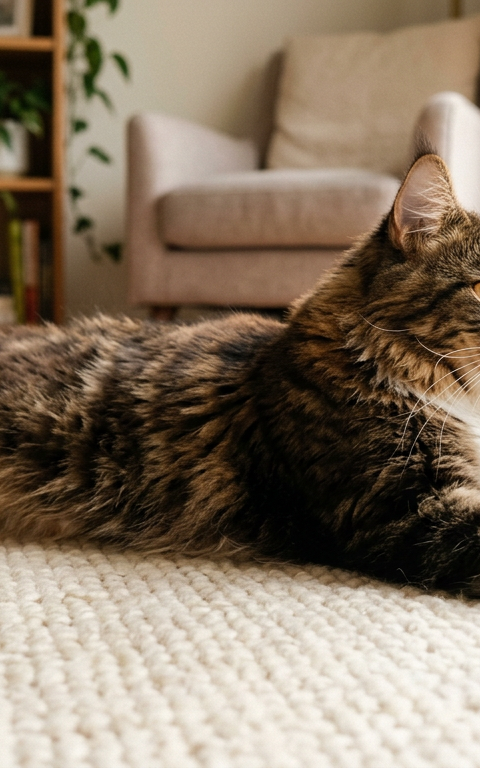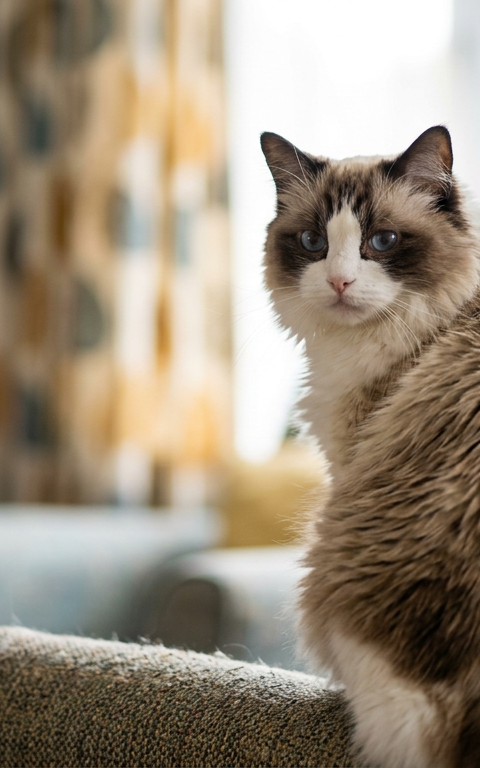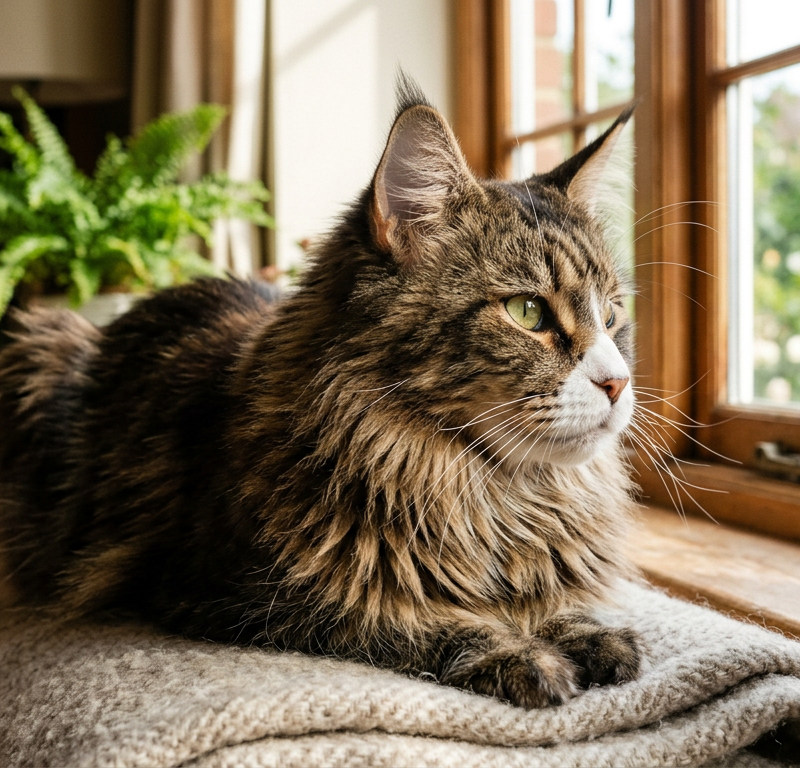
Discovering your cat losing hair above eyes in patches can be a surprising experience for any pet owner. The area between a cat's ears and eyes, known as the preauricular region, is naturally a bit thinner than the rest of the body. However, when the thinning becomes more pronounced or reveals bare skin, it is time to look closer at what your feline friend might be experiencing.
Most of the time, hair loss in this specific area is a result of natural aging or simple grooming habits. Because cats are fastidious groomers, they often rub their faces with their paws, which can gradually thin the fur over the brow. Understanding the difference between normal thinning and a wellness consideration is the first step in proactive pet care.
Understanding Normal Preauricular Alopecia
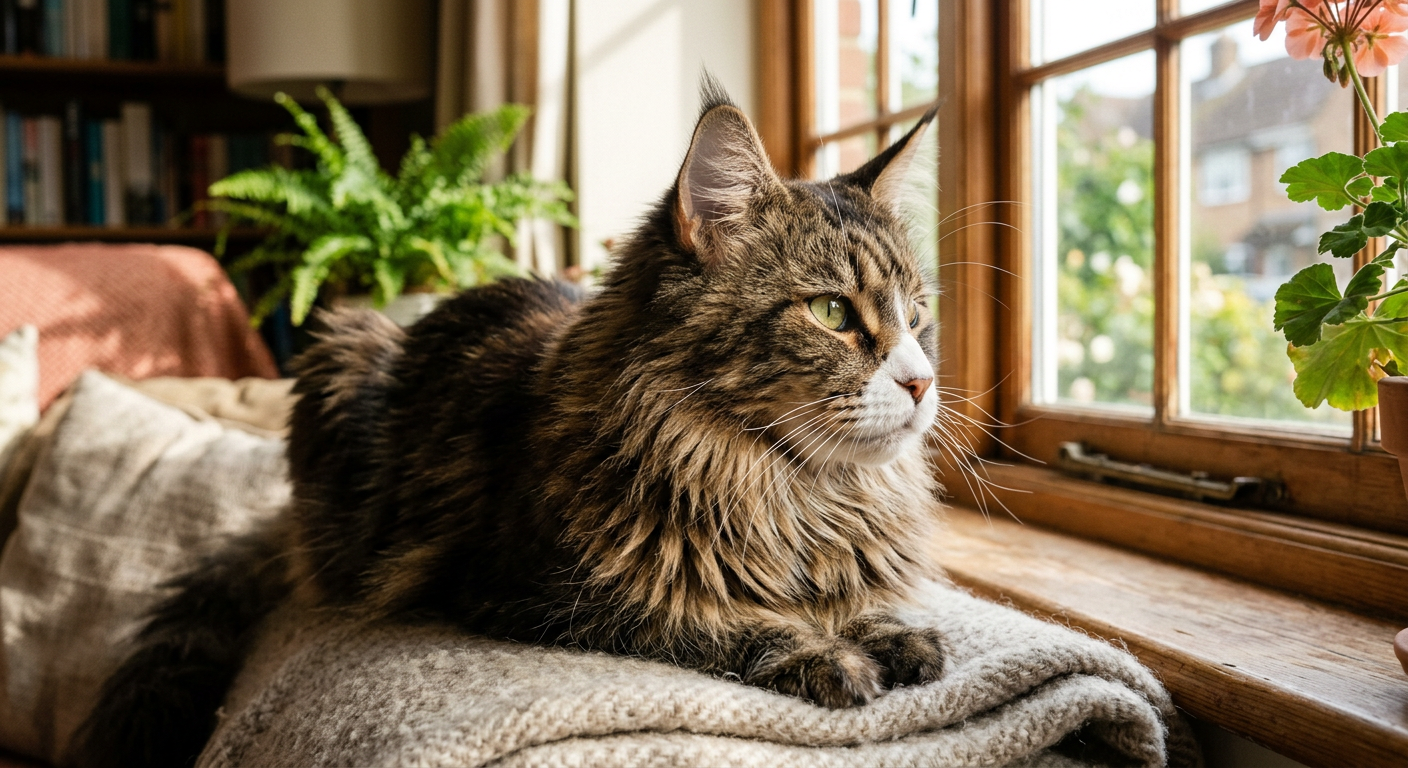
In many cases, seeing a cat losing hair above eyes in patches is actually a normal physiological occurrence called preauricular alopecia. This is a common thinning of the fur that occurs between the eye and the ear as cats mature. It is usually symmetrical, meaning it happens on both sides of the face equally.
For many short-haired breeds, such as the Russian Blue or the Siamese, this thinning is much more visible. It doesn't typically involve redness, scabbing, or itching. If you notice your cat is still acting like their happy self, this may just be a natural part of their unique look as they leave kittenhood behind.
When Thinning Becomes a Concern
While preauricular alopecia is normal, true "patches" of hair loss that appear suddenly deserve monitoring. If the skin looks inflamed or if your cat is scratching the area frequently, it might indicate an external factor. Keeping a diary of when you first noticed the change can be very helpful for your veterinarian.
Common Causes of Facial Hair Loss in Cats
Beyond natural thinning, several factors can cause a cat to lose fur around the brow and temples. Identifying the root cause requires observing your cat's behavior and checking the health of the underlying skin. Always consult a professional to get a definitive diagnosis for your pet.
- Allergies: Just like humans, cats can react to environmental triggers like dust, pollen, or certain proteins in their food.
- Parasites: Fleas, mites (notably Otodectes or Demodex), and ticks often gravitate toward the face and ears where the skin is thin.
- Fungal Infections: Conditions like ringworm can cause circular patches of hair loss that may spread to other parts of the body.
- Stress Grooming: If a cat is feeling anxious, they may over-groom their face, leading to mechanical hair loss.
Environmental and Food Sensitivities
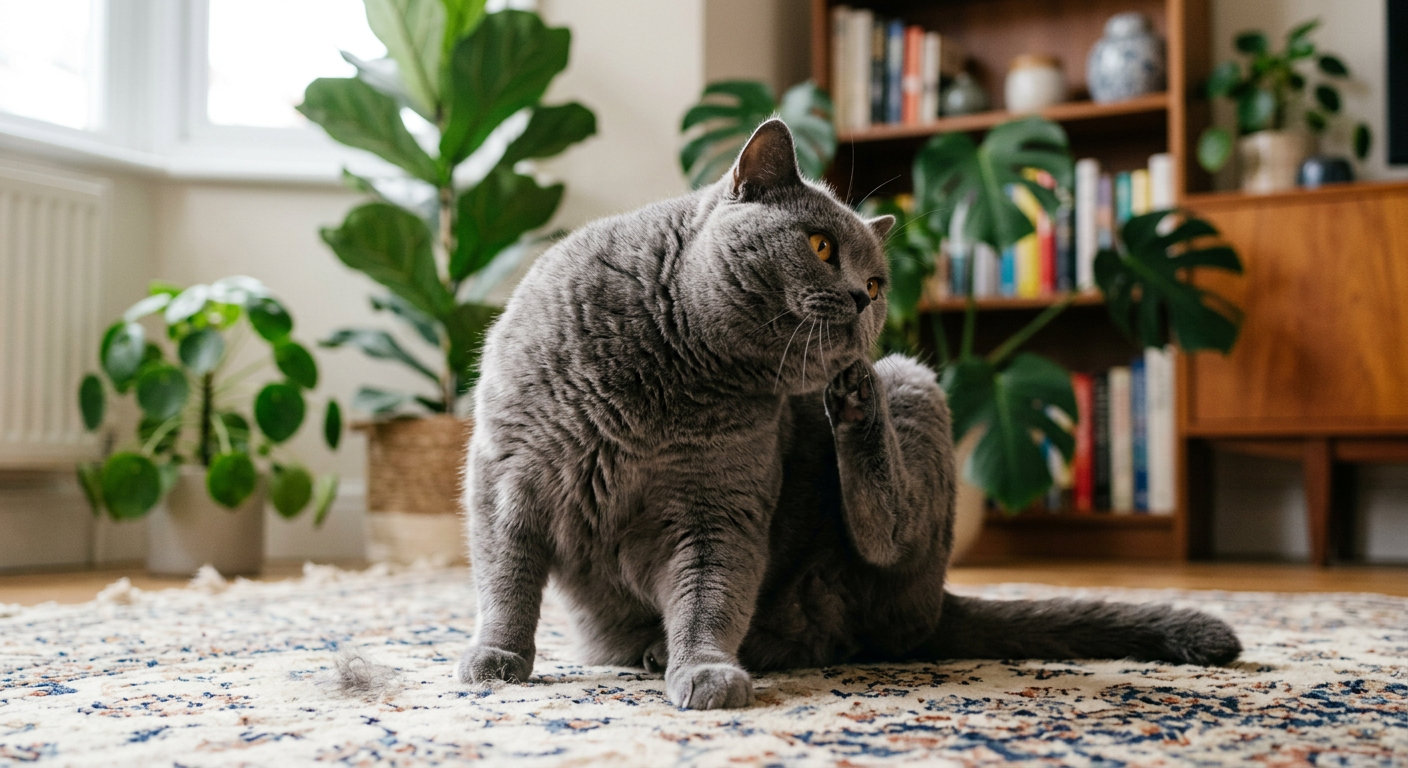
Allergies are a frequent culprit when a cat starts losing fur above the eyes. When a cat has an allergic reaction, it often manifests as "miliary dermatitis," which looks like small crusty bumps, or simple intense itching. This itching leads the cat to rub their face against furniture or use their claws to scratch, which physically removes the hair.
Changing a household cleaner, switching to a new brand of kibble, or even a new laundry detergent used on their favorite blanket can trigger this response. If you have a breed like a British Shorthair, their dense coat usually hides early signs of irritation until the hair loss becomes more prominent.
Diagnostic Steps Your Vet Might Take
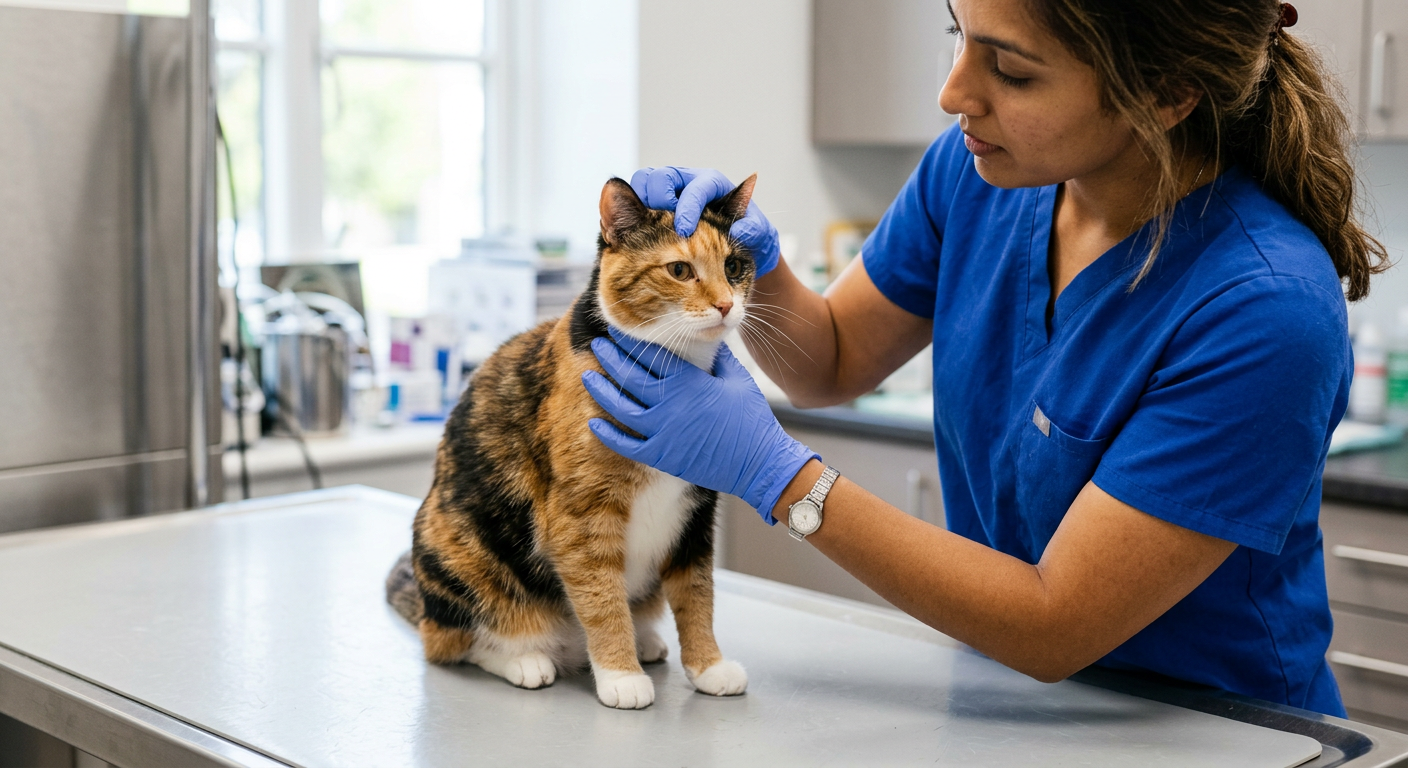
When you visit the clinic because your pet is losing fur in patches on their face, the veterinarian will likely perform a few simple tests. These are routine procedures designed to rule out common issues quickly and comfortably for your cat. Early detection often leads to much faster relief for your feline companion.
A "skin scraping" is a common first step. The vet gently collects a few surface skin cells to look for microscopic mites under a microscope. They might also use a "Wood’s lamp," which is a special UV light that can detect certain types of ringworm fungi, which glow neon green under the light.
Bloodwork and Allergy Testing
If external parasites are ruled out, your vet might suggest bloodwork to check for underlying systemic issues or specialized allergy testing. In some cases, a "food trial" is recommended, where your cat eats a specific hydrolyzed protein diet for several weeks to see if the hair begins to grow back.
Treatment and Home Management
The treatment for hair loss above the eyes depends entirely on the diagnosis. If the cause is fleas or mites, a prescription topical treatment usually clears the issue up within a few weeks. For fungal infections, your vet may provide an antifungal ointment or oral medication to stop the spread.
If the hair loss is attributed to stress or anxiety, creating a "cat-friendly" environment is key. Ensure your cat has plenty of vertical space, such as cat trees or shelves, and keep their litter box in a quiet, low-traffic area. Synthetic pheromone diffusers can also help translate a sense of calm to a worried kitty.
Grooming and Skin Support
Supporting your cat's skin health from the inside out is always a great proactive step. Supplements containing Omega-3 and Omega-6 fatty acids can help strengthen the skin barrier and improve coat luster. Always speak with your vet before adding new supplements to your cat's diet to ensure the dosage is safe for their age and weight.
To keep track of your cat's health milestones, you can use tools like our cat age calculator to see how they are maturing. Senior cats, for example, may have thinner skin and require different nutritional support than energetic teenagers.
Prevention Strategies for Healthy Coats
Preventive care is the best way to avoid seeing your cat losing hair above eyes in patches in the future. Consistent flea prevention is the most important step, as even indoor-only cats can occasionally be exposed to hitchhiking pests brought in by humans or other pets.
- Apply monthly flea and tick prevention recommended by your vet.
- Brush your cat regularly to monitor for skin changes and reduce excessive self-grooming.
- Keep the house clean and vacuumed to reduce environmental allergens.
- Provide a high-quality, balanced diet rich in essential nutrients.
Monitoring for Changes
Make it a habit to examine your cat's face during your daily cuddle sessions. Check for any sign of redness, scaling, or new patches of thinning. By catching these changes early, you can often resolve the underlying issue before it becomes a discomfort for your cat.
Life with a Thin-Haired Feline
In many instances, after a thorough check-up, you might find that your cat is perfectly healthy. Some cats simply have "eyebrow" areas that are much more sparse than others. This is particularly true as cats enter their senior years, where the hair follicles may slow down slightly.
As long as the skin looks healthy and your cat is eating, drinking, and playing normally, a little thinning might just be part of their charm. Every cat is unique, and their coat patterns are just one of the many things that make them special companions in our homes.
If you ever feel concerned about your cat losing hair above eyes in patches, the best course of action is to schedule a wellness exam. Your veterinarian can provide the peace of mind and the professional care needed to keep your cat's coat looking its best. Proactive care ensures that your cat remains comfortable and happy for years to come.