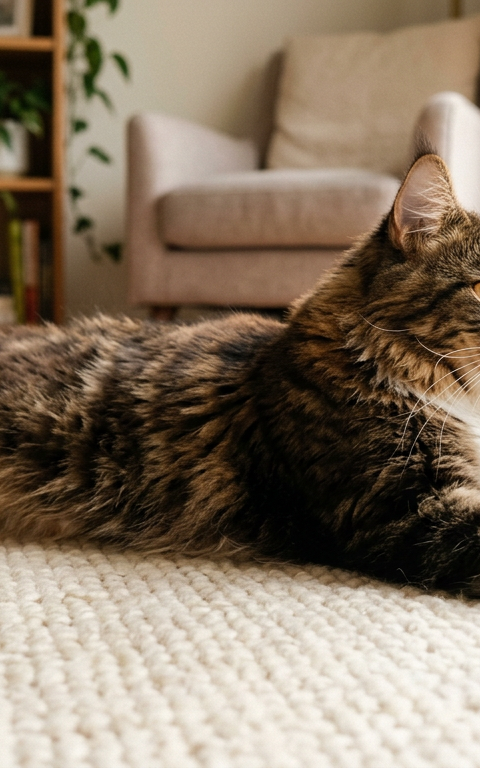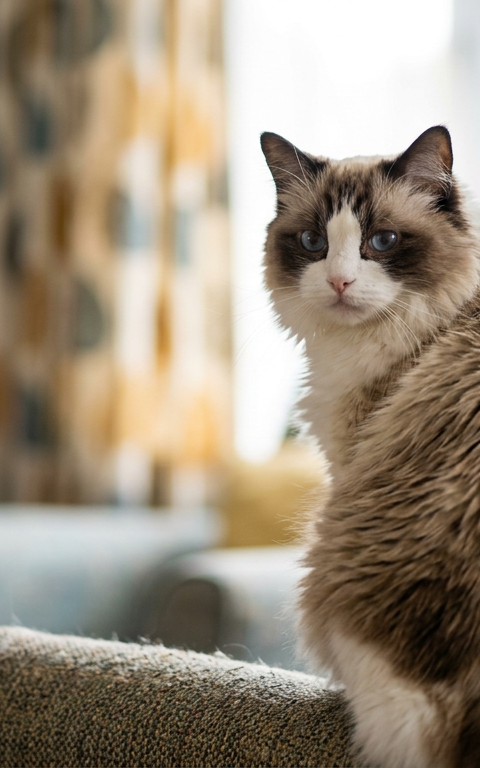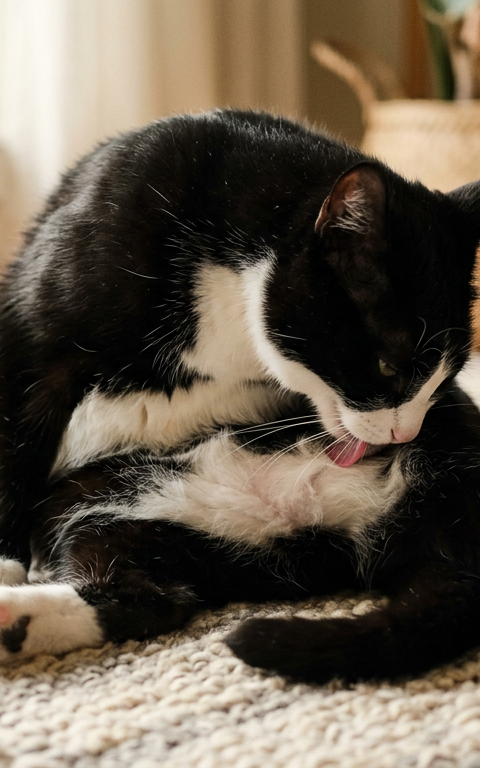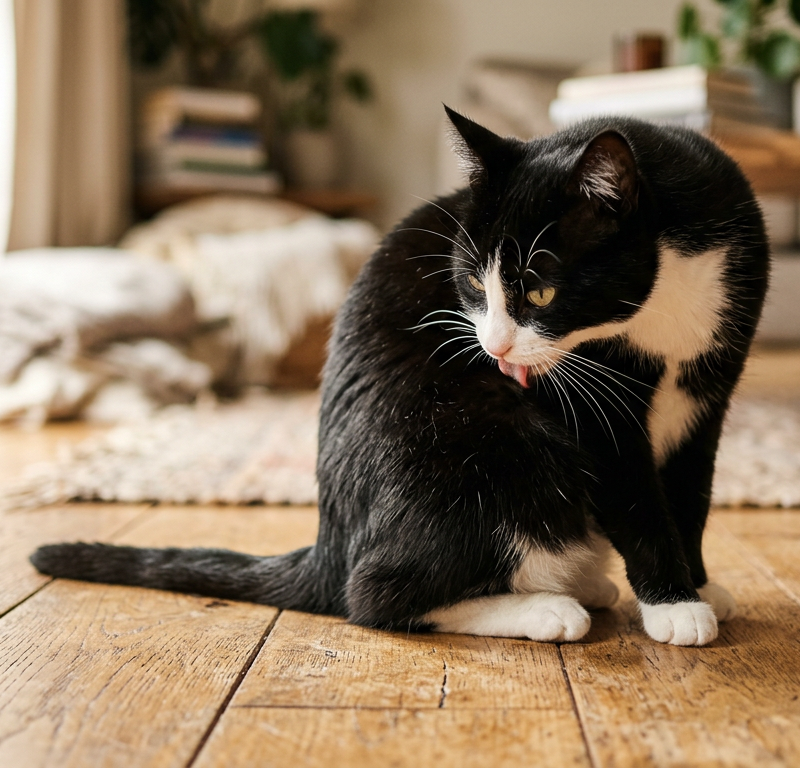
It can be a startling moment when you notice your feline friend is suddenly losing patches of hair. If you find your cat pulling fur out in clumps stress might be the underlying factor influencing this behavior. While grooming is a normal part of a cat's daily routine, excessive pulling or biting at the coat often indicates that something in their environment or body is off-balance.
Understanding the reasons behind this behavior is the first step toward helping your pet feel comfortable again. Cats are sensitive creatures that thrive on routine and predictability. When their world changes, they often express their internal tension through physical habits, much like humans might bite their nails or fidget during a difficult day.
Recognizing the Signs of Overgrooming
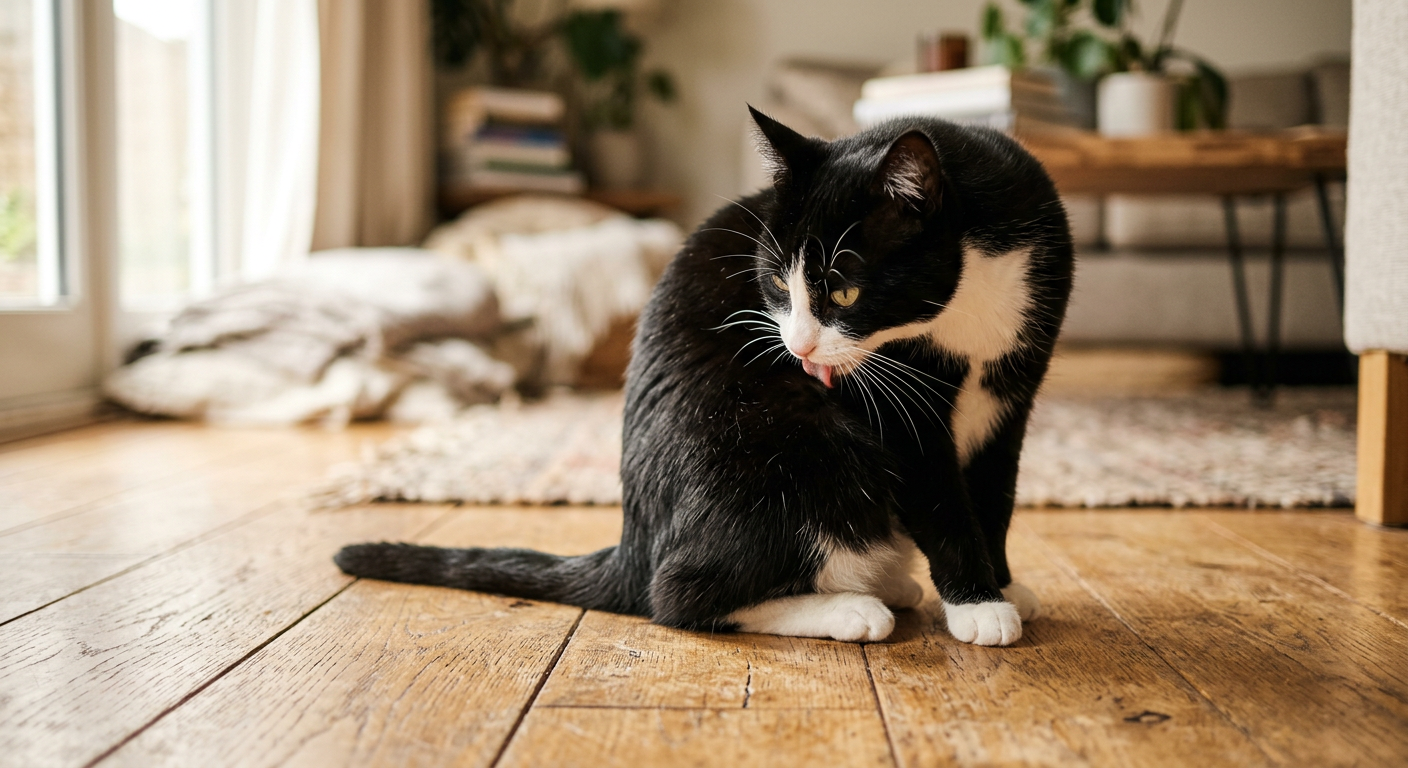
Before diving into the causes, it is important to distinguish between normal grooming and psychogenic alopecia. A healthy cat spends a significant portion of their waking hours cleaning themselves. However, grooming becomes a concern when it leads to broken hairs, thinning patches, or complete baldness in certain areas.
Common areas where cats pull their fur include the inner thighs, the belly, and the base of the tail. In these spots, the cat can easily reach the hair with their tongue and teeth. If you notice your cat suddenly focusing on one specific area with intensity, it may be time to look closer at their daily stressors.
Physical vs. Psychological Causes
While we are focusing on behavioral triggers, it is vital to rule out medical issues first. Skin allergies, fleas, or fungal infections can cause intense itching that mimics stress-pulling. Always consult your veterinarian to ensure a physical ailment isn't the primary cause of your cat's discomfort.
If your vet clears your cat of physical parasites or allergies, the focus shifts to their emotional well-being. This is where curious owners often notice a pattern between certain home events and their cat's grooming habits. For example, a British Shorthair or Russian Blue might react differently to household changes than more vocal breeds.
How Emotional Tension Triggers Fur Pulling
When we talk about a cat pulling fur out in clumps stress is frequently the culprit because grooming releases endorphins in a cat's brain. These are "feel-good" chemicals that help the cat self-soothe. If a cat feels overwhelmed, they may turn to this natural mechanism so often that it becomes a compulsive habit.
Environmental changes are the most common triggers for feline anxiety. Cats are highly territorial and even small shifts in their domain can feel significant to them. If your cat has started pulling at their coat, consider if any of the following have occurred recently:
- Moving to a new house or rearranging furniture in a major way.
- The addition of a new family member, whether it is a baby or another pet.
- A change in your work schedule that affects their feeding or play times.
- Conflict with outdoor cats that they can see through the window.
- Loud noises from nearby construction or frequent heavy thunderstorms.
Creating a Calming Environment for Your Cat
Once you identify that your cat is pulling hair from stress, the next step is to create a sanctuary where they feel safe. Reducing environmental "noise" helps lower their cortisol levels. This doesn't mean you have to change your entire life, but small adjustments can make a world of difference for a sensitive feline.
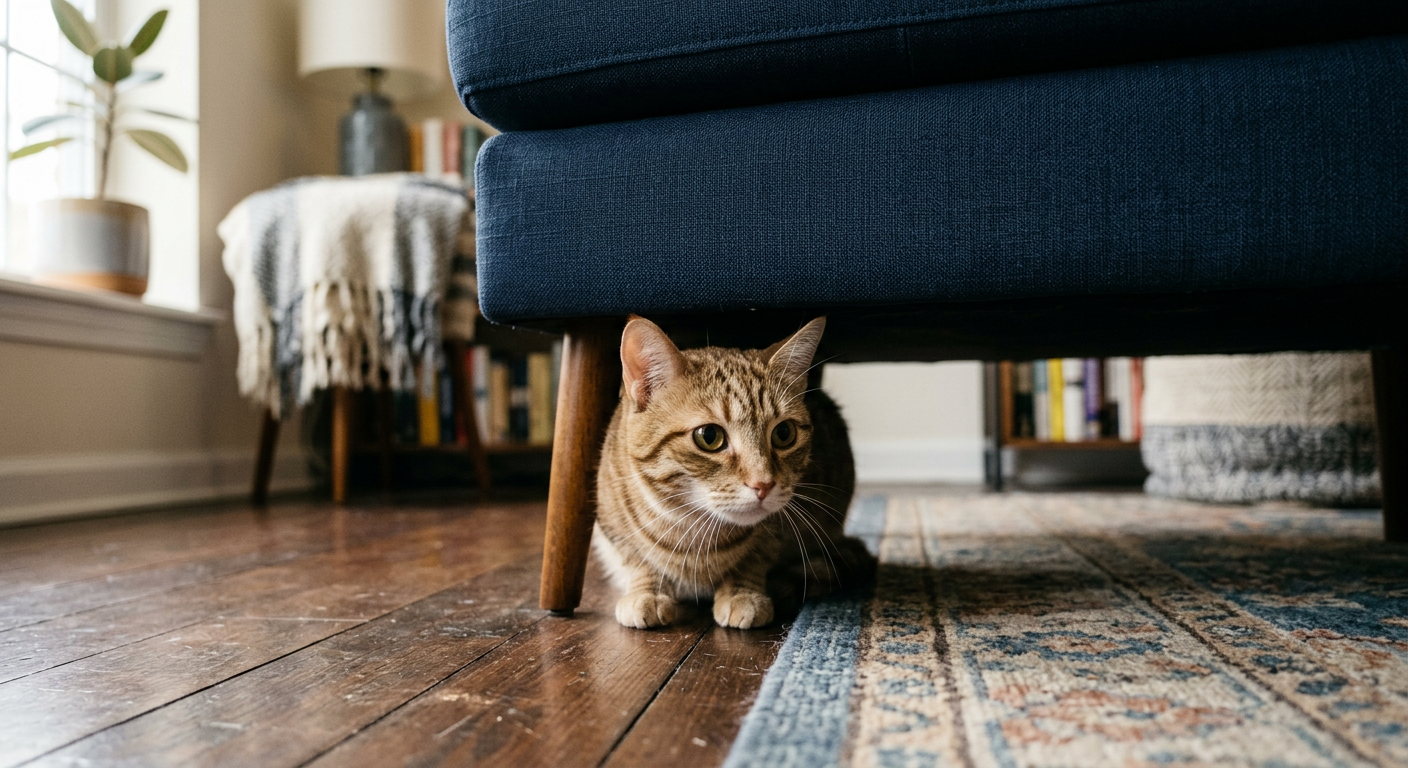
Start by providing vertical space. Cats feel safest when they can observe their surroundings from a high vantage point. A tall cat tree or a cleared shelf can give them a sense of security and control. Additionally, ensure they have "hidey-holes" where they can retreat if they feel overstimulated by guests or active children.
The Power of Routine
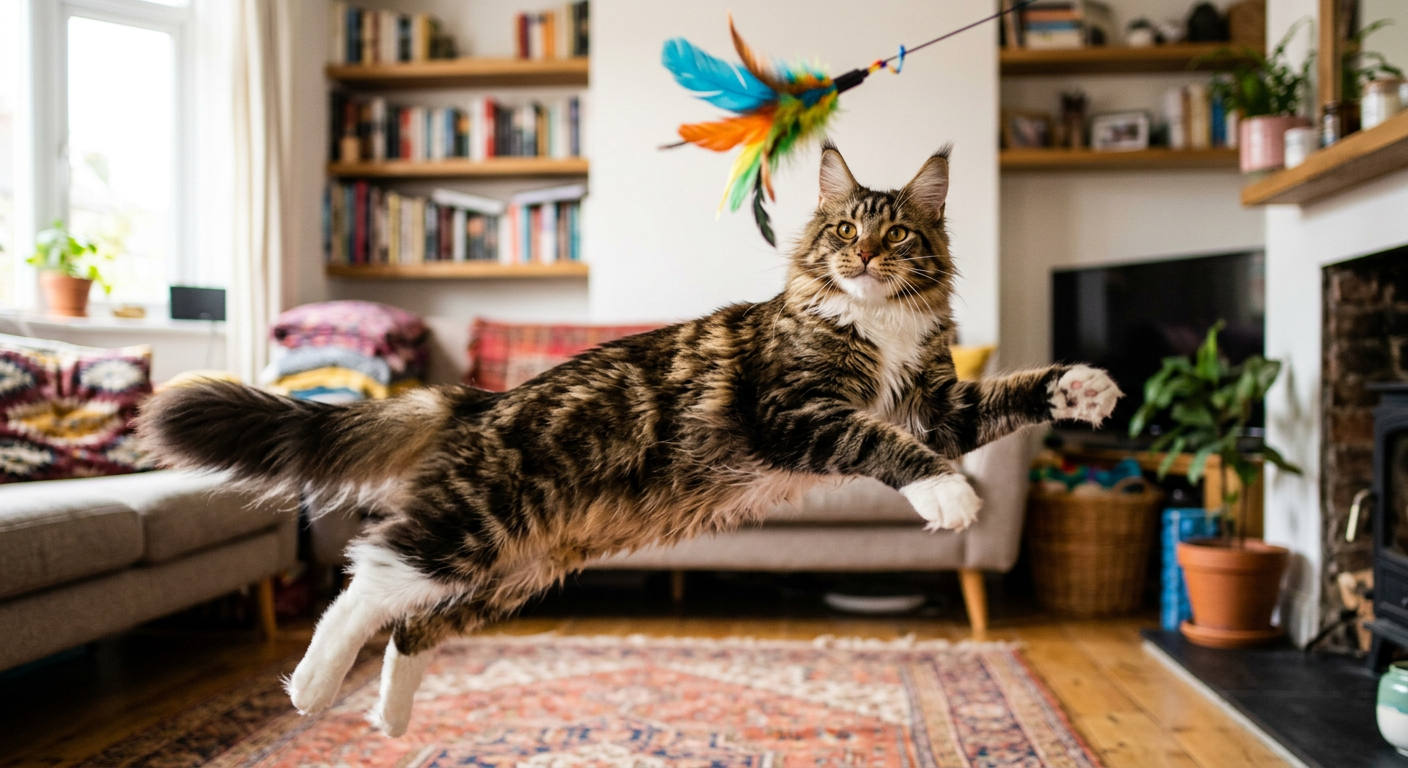
Predictability is the enemy of anxiety. Try to keep meal times and play sessions at the same time every day. Consistent interaction helps your cat realize that their needs will always be met, reducing the urge to engage in self-soothing behaviors like overgrooming. Even fifteen minutes of dedicated "wand toy" time can significantly lower their tension.
For some cats, pheromone diffusers can be an excellent proactive care tool. These devices mimic the facial pheromones cats use to mark their territory as safe. When the room smells like "home" to them, they are less likely to feel the need to pull their fur out as a coping mechanism.
Interactive Play and Mental Enrichment
Boredom is a subtle form of stress that can lead to many behavioral issues. If a cat doesn't have an outlet for their predatory instincts, that energy can turn inward. Engaging your cat in play mimics the "hunt, catch, kill, eat" cycle, which is deeply satisfying for their feline psyche.
Try introducing puzzle feeders instead of standard bowls. This encourages them to use their brain to get their food, keeping them occupied and distracted from grooming rituals. Rotating their toys every few days also keeps their environment fresh and interesting without being overwhelming.
If you have a specific breed, understanding their natural energy levels is helpful. For instance, you can use our Maine Coon age calculator to see where your cat is in their life cycle, as kittens and seniors have very different enrichment needs. A young, bored cat is far more likely to develop nervous habits than an older cat who is content to nap.
When to Seek Professional Guidance
If you have tried environmental changes and your cat is still pulling their coat in clumps, it is time to seek professional help. A veterinarian can offer specialized advice or, in some cases, mild anti-anxiety medication to help "break the cycle" of the habit. This is often a temporary measure used alongside behavior modification.
It’s also worth noting that some cats may have underlying pain. A cat might overgroom a specific joint because it hurts, not necessarily because they are anxious. Chronic pain is a significant stressor, and a professional examination can help identify if your cat needs joint support or other wellness considerations.
Monitoring Progress
Recovery from psychogenic alopecia takes time. Hair does not grow back overnight, and habits can be hard to break. Keep a journal of when you notice the behavior and what was happening in the house at that time. This data is incredibly helpful for your vet or a certified feline behavior consultant.
Celebrate the small victories. If you notice the "peach fuzz" starting to return to a bald patch, it’s a sign that your cat is feeling more relaxed. Your patience and gentle approach are the most important tools in helping your pet feel like themselves again.
Conclusion
Seeing your cat pulling fur out in clumps stress can be a worrying experience, but it is a manageable condition with the right approach. By focusing on environmental enrichment, routine, and ruling out medical causes with a veterinarian, you can help your feline friend return to a state of calm. Remember that every cat is an individual, and finding the right balance of play and peace might take a little Vitamin P—patience.
Your cat relies on you to be their advocate. By observing their body language and responding to their needs with kindness, you are strengthening the bond you share. With a little extra care and attention, that beautiful coat will be back to its full glory in no time.
If you'd like a deeper look, the Pet Decoder symptom checker is a friendly tool that works with dogs and cats alike.