Rabbits have a unique and fascinating digestive system that relies on a process called hindgut fermentation. One of the most important, albeit slightly unusual, parts of this process is the production and consumption of cecotropes. If you find your rabbit not eating cecotropes what does it mean for their health and well-being? Understanding this behavior is a key part of proactive care for any rabbit owner.
Cecotropes are not typical waste; they are nutrient-dense packets of protein, vitamins, and beneficial bacteria. Healthy rabbits usually consume them directly as they are passed, often during the night or early morning. When these "night droppings" are left behind in the cage or stuck to your rabbit's fur, it is a sign that something in their routine or health needs adjustment.
What Exactly Are Cecotropes
To understand why a rabbit might stop eating them, we first need to know what they are. Unlike the hard, round, dry fiber pellets you usually see in the litter box, cecotropes are soft, shiny, and often clustered together like small grapes. They are produced in the cecum, a part of the digestive tract where fermentation occurs.
These specialized droppings are rich in Vitamin B and K, as well as essential amino acids. By re-ingesting them, rabbits give their bodies a second chance to absorb nutrients that weren't fully processed the first time. It is a natural and vital part of their biology.
Distinguishing Cecotropes from Diarrhea
It is common for new owners to confuse uneaten cecotropes with diarrhea. Diarrhea is a watery, shapeless stool and is considered a veterinary emergency for rabbits. Cecotropes, while soft and pungent, usually maintain a distinct "bunch of grapes" structure.
If your rabbit is leaving behind soft movements but otherwise appearing energetic and eating their hay, it is likely a cecotrope issue. However, if the stool is completely liquid, you should contact a professional immediately. You can read more about various pet health markers on our PetDecoder blog.
Common Reasons for Uneaten Cecotropes
There are several reasons why a rabbit might leave these nutrient packets behind. Often, it comes down to either a physical inability to reach them or a dietary imbalance that makes the cecotropes less appealing or overly abundant.
Dietary indiscretion is a primary culprit. If a rabbit’s diet is too high in protein or sugar and too low in fiber, their cecum may overproduce these pellets. When there are too many, or when they don't taste "right" due to an imbalanced gut flora, the rabbit may simply ignore them.
- High-sugar treats or too many fruits
- Excessive amounts of commercial pellets
- Lack of high-quality grass hay
- Sudden changes in brand or type of food
Physical Limitations and Mobility
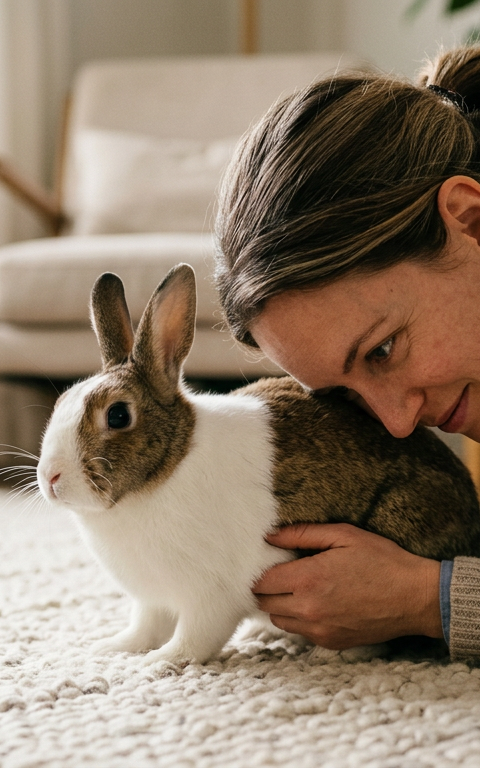
In many cases, the rabbit wants to eat the cecotropes but physically cannot reach them. Because rabbits typically consume these directly from the source, any condition that affects flexibility can interfere with this cycle. This is particularly common in older rabbits or specific breeds.
For example, a French Bulldog might face joint issues as they age, and similarly, senior rabbits often develop arthritis in their spine or hips. If it hurts to bend down, the cecotropes will fall to the floor instead of being eaten. Obesity is another major factor; if a rabbit is overweight, they may simply be unable to reach their underside.
Environmental and Stress Factors
Rabbits are sensitive creatures that thrive on routine and a sense of security. Stress can have a direct impact on their digestive motility. If a rabbit feels unsafe or is distracted by loud noises, new pets, or a change in their living environment, they may skip their grooming and cecotrope-eating rituals.
A change in the household, such as a new Golden Retriever vs Labrador Retriever puppy being introduced, might make a rabbit feel too anxious to engage in their normal behaviors. Ensuring your rabbit has a quiet, "predator-free" zone is essential for their digestive wellness.
Dental Wellness and Its Impact
Dental health is deeply intertwined with digestive health in lagomorphs. Rabbit teeth grow continuously, and if they are not worn down by plenty of hay, they can develop sharp spurs or misalignments. A rabbit with mouth pain will be less likely to reach down and handle the soft cecotropes.
If you notice your rabbit is also "scrunching" their face, drooling slightly, or being pickier about their hay, a dental checkup with a rabbit-savvy vet is a wise next step. Proactive dental care prevents a small issue from becoming a larger digestive hurdle.
How to Support Your Rabbit's Digestive Health
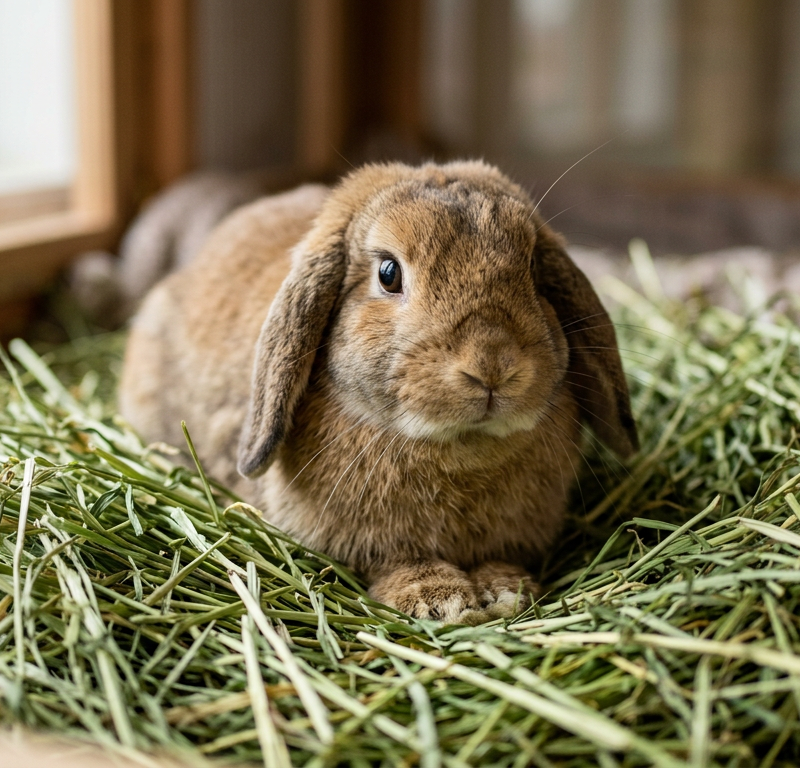
When you notice your rabbit not eating cecotropes what does it mean for your daily routine? It usually means it is time to get back to basics. The foundation of any healthy rabbit diet is long-strand grass hay, such as Timothy, Orchard, or Meadow hay. This should make up about 80% of their daily intake.
High fiber keeps the gut moving and ensures the cecum produces the right amount and quality of cecotropes. Try to limit pellets to a small, measured amount daily rather than "free-feeding." Most adult rabbits only need about 1/4 cup of pellets per 6 lbs of body weight.
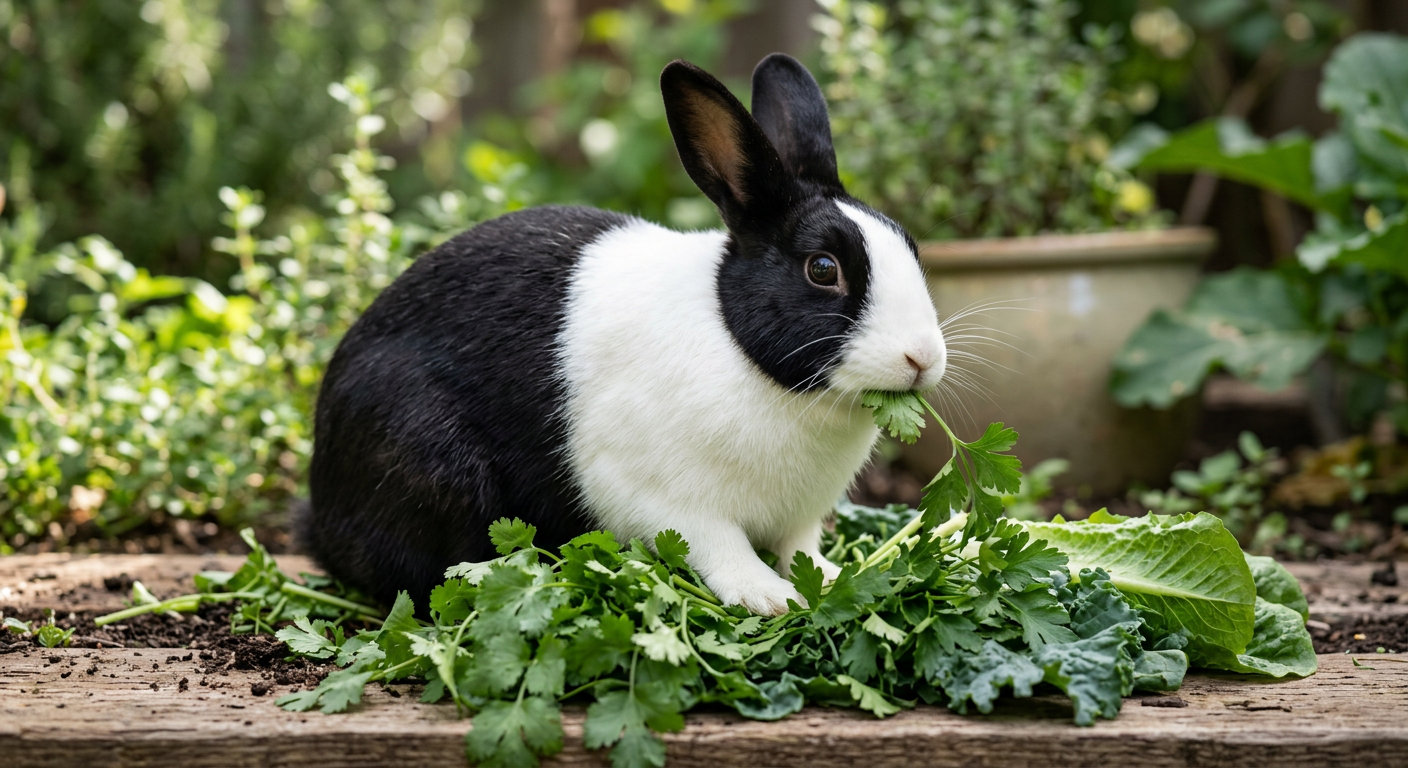
- Increase the variety of fresh, leafy greens (like romaine or cilantro).
- Reduce or eliminate sugary treats like carrots and fruit temporarily.
- Ensure constant access to fresh, clean water.
- Encourage exercise to help with weight management and gut motility.
When to See a Veterinarian
While minor dietary tweaks often solve the issue of uneaten cecotropes, some situations require professional intervention. If the "clumping" is accompanied by a lack of appetite for hay, lethargy, or a bloated abdomen, these are signs of "GI Stasis," a serious condition where the digestive system slows down or stops.
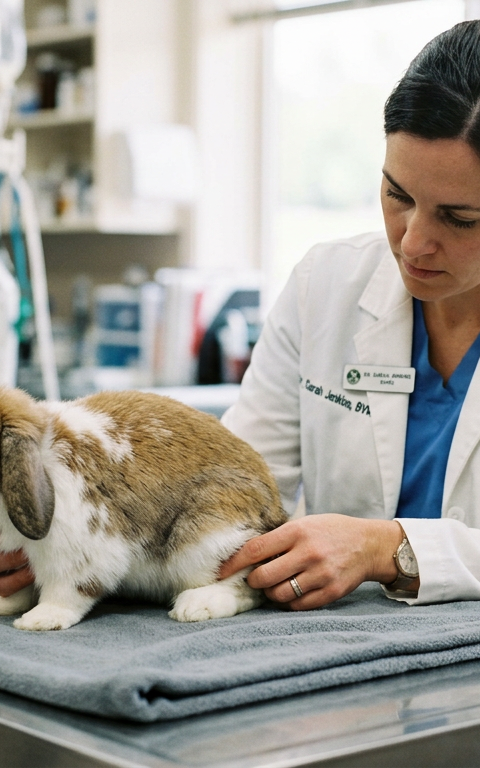
If your rabbit’s rear end becomes consistently messy with smashed cecotropes, it can lead to skin irritation or "flystrike," which is a wellness consideration that needs immediate attention. A veterinarian can perform a physical exam to rule out arthritis or dental disease and help you create a tailored nutrition plan.
Conclusion
Seeing your rabbit not eating cecotropes what does it mean for your long-term care? Usually, it is a helpful "communication" from your pet that something in their diet or physical comfort needs an adjustment. By focusing on high-fiber hay, maintaining a healthy weight, and providing a stress-free environment, you can help your rabbit get back to their normal, healthy cycles.
Monitoring these small changes is a wonderful way to practice proactive wellness. For more tips on understanding your pets' unique behaviors and needs, feel free to explore our other resources. Your attentive care is the best tool for ensuring your rabbit lives a long, happy, and hop-filled life.