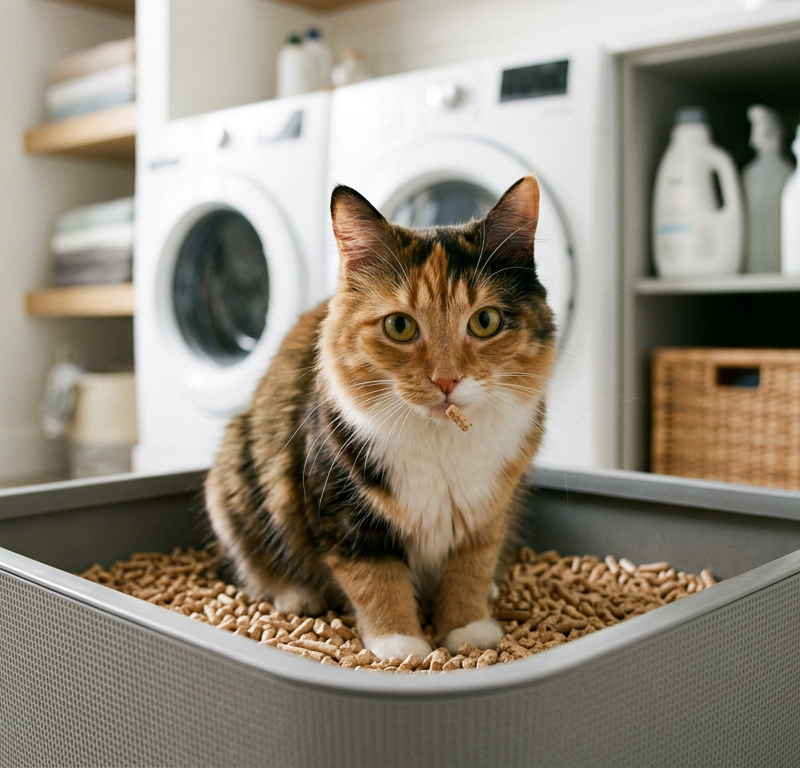
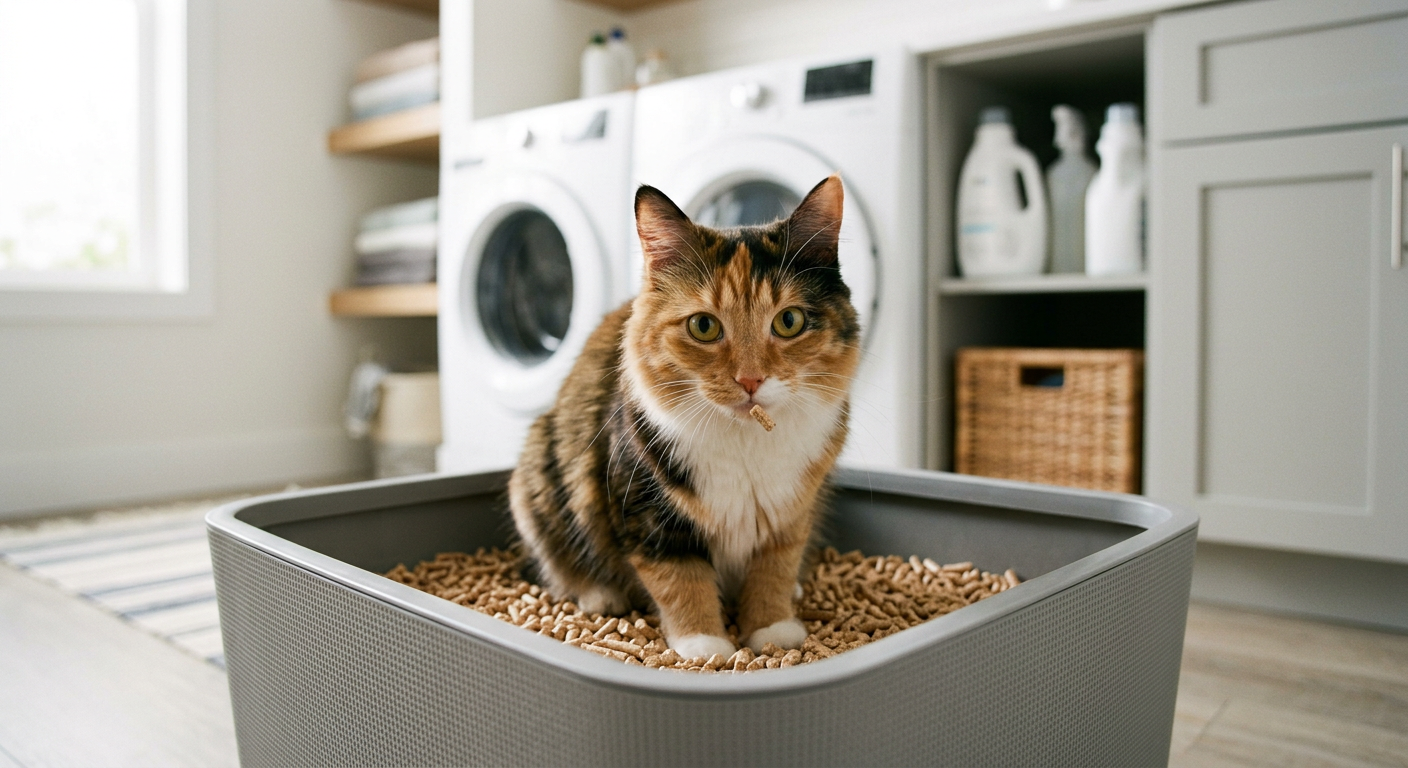
Few things are as baffling to a pet parent as catching your feline friend snacking on their substrate. If you have ever wondered, "cat eating litter is this dangerous," you are likely feeling a mix of confusion and concern. While it might seem like a quirky habit, eating non-food items—a condition known as pica—is often a signal from your cat that something in their body or environment needs attention.
Most cats are naturally fastidious creatures with very specific tastes. When they deviate from their usual gourmet kibble to munch on clay or crystals, it is a sign to pause and investigate. Understanding the "why" behind this behavior is the first step in ensuring your cat stays healthy and happy. This guide will walk you through the potential causes, risks, and proactive steps you can take.
Possible Reasons for Litter Consumption
When a cat begins eating litter, it is rarely about the flavor. Instead, it is usually a physical or psychological response to a need that isn't being met. Identifying the root cause helps you provide the right support for your pet.
Nutritional Deficiencies and Anemia
One of the most common medical reasons for this behavior is anemia. When a cat is anemic, they may lack essential minerals like iron, or have a low red blood cell count. In an instinctive attempt to replenish these minerals, they might turn to clay-based litters which contain minerals like bentonite.
Similarly, a general vitamin deficiency can trigger these cravings. If their daily diet is missing key nutrients, their body may drive them to seek out unconventional sources. While litter doesn't actually provide nutrition, the cat's instinct doesn't always know the difference between soil and processed litter.
Curiosity in Kittens
Just like human toddlers, kittens explore their world with their mouths. A young kitten may take a few experimental nibbles of their litter as they learn what is food and what isn't. While this is often a phase, it is a period where you must be exceptionally careful about the type of litter you use.
If you have a young kitten, using a non-clumping, natural litter (like paper or pine) is much safer. This prevents internal blockages if they do decide to "taste-test" their box during their developmental weeks.
Is Cat Eating Litter Dangerous for Health
The short answer is yes, it can be, depending on the material and the amount consumed. When considering if cat eating litter is this dangerous, the primary concern is the physical impact on the digestive system. Most modern litters are designed to absorb moisture and clump together, which is great for cleaning but problematic for digestion.
The Risk of Intestinal Blockage
Clumping litters are formulated to expand and harden when they come into contact with liquid. If a cat swallows these granules, the litter can clump inside their stomach or intestines. This can lead to a serious physical blockage that prevents food and waste from passing through.
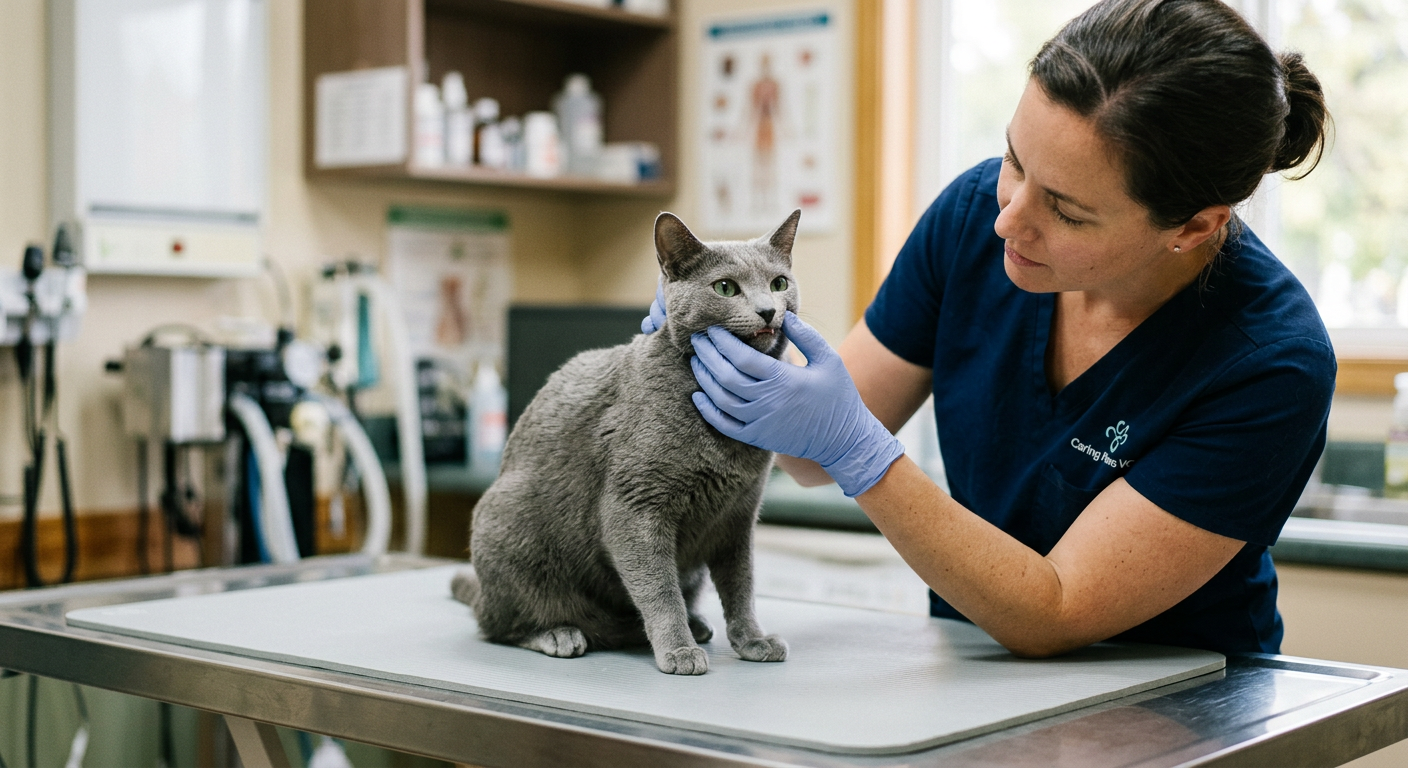
Symptoms of a blockage can include vomiting, lethargy, and a loss of appetite. If you notice these signs alongside litter consumption, it is vital to contact your veterinarian immediately for a wellness check-up. They can perform imaging to see if there is an obstruction.
Toxicity and Chemical Additives
Many commercial litters are treated with fragrances, deodorizers, and dust-control chemicals. While these make our homes smell better, they aren't meant to be ingested. Consuming these chemicals can lead to stomach upset or, in rare cases, toxicity. Even "natural" litters can be dusty, and inhaling or eating large amounts of that dust isn't ideal for feline respiratory health.
Psychological Factors Contributing to Pica
Sometimes the cause isn't physical at all, but rather emotional. Cats are sensitive animals that thrive on routine and stimulation. When their environment feels lacking, they may develop unusual habits to cope.
Boredom and Stress
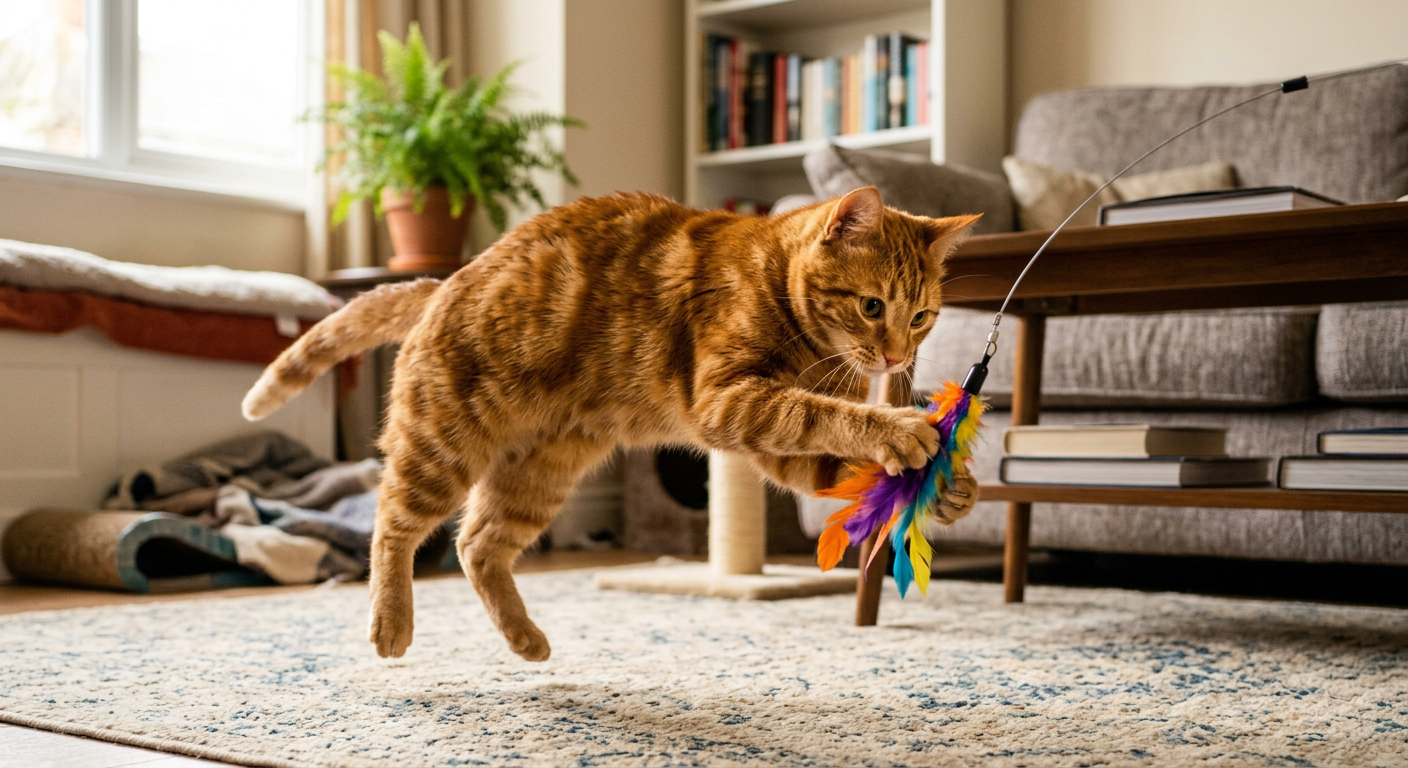
An indoor cat without enough environmental enrichment may turn to the litter box for "entertainment." It sounds strange to us, but the texture and crunch might provide a sensory experience they are craving. Stress, such as a move to a new home or the addition of a new pet, can also trigger pica as a self-soothing mechanism.
If you suspect stress is the cause, try to increase play sessions and provide more vertical space. You can also read about decoding cat eating quirks and food preferences to see if changing their feeding routine might help satisfy their natural hunting instincts.
Cognitive Dysfunction
In older cats, eating litter can sometimes be a sign of cognitive decline. Senior cats may become confused or forget their usual habits. If your older feline companion starts showing this behavior, it is a good idea to discuss senior wellness with your vet. You can also use our British Shorthair age calculator or other breed-specific tools to better understand your cat's current life stage.
Proactive Steps to Stop the Behavior
Once you identify that your cat is sampling their substrate, you should take immediate action to protect their health. Here are several steps you can take to redirect your cat and ensure their safety:
- Switch to a safe litter: Immediately replace clumping clay litter with a natural, edible alternative like compressed sawdust, recycled paper, or corn-based litter. These are less likely to cause a blockage if a small amount is eaten.
- Consult your veterinarian: Schedule a blood test to check for anemia, kidney issues, or nutritional gaps. This is the most important step in ruling out underlying health conditions.
- Increase enrichment: Provide puzzle feeders, new toys, and daily dedicated play time to prevent boredom-driven pica.
- Modify the diet: Ensure you are feeding a high-quality, meat-first diet. Sometimes simply switching to a more nutrient-dense food can stop the cravings.
- Remove the temptation: If the behavior happens when you aren't around, try to supervise them or use a motion-activated camera to see when it occurs.
Differentiating Between Normal and Abnormal Eating
It is important to distinguish between a "one-off" curious nibble and a persistent habit. If your cat eats litter once and stops, they likely just found the texture interesting or confusing. However, if they return to the box specifically to eat, it has become a behavioral or medical issue that requires intervention.
Regularly monitoring your cat's behavior around their box is a great way to catch these issues early. While we usually focus on what goes *into* the litter box, we need to be just as aware of what might be coming out of it via your cat's mouth. Knowing when "cat eating litter is this dangerous" is key to being a proactive pet owner.
Conclusion
While discovering your cat eating litter is this dangerous in terms of potential blockages, it is a manageable issue when caught early. By staying observant and working closely with your veterinarian, you can narrow down whether the cause is a mineral deficiency, stress, or simple kitten curiosity. Always prioritize safety by choosing non-toxic litter options and providing a stimulating environment that keeps your cat's mind off their substrate and on their toys instead.