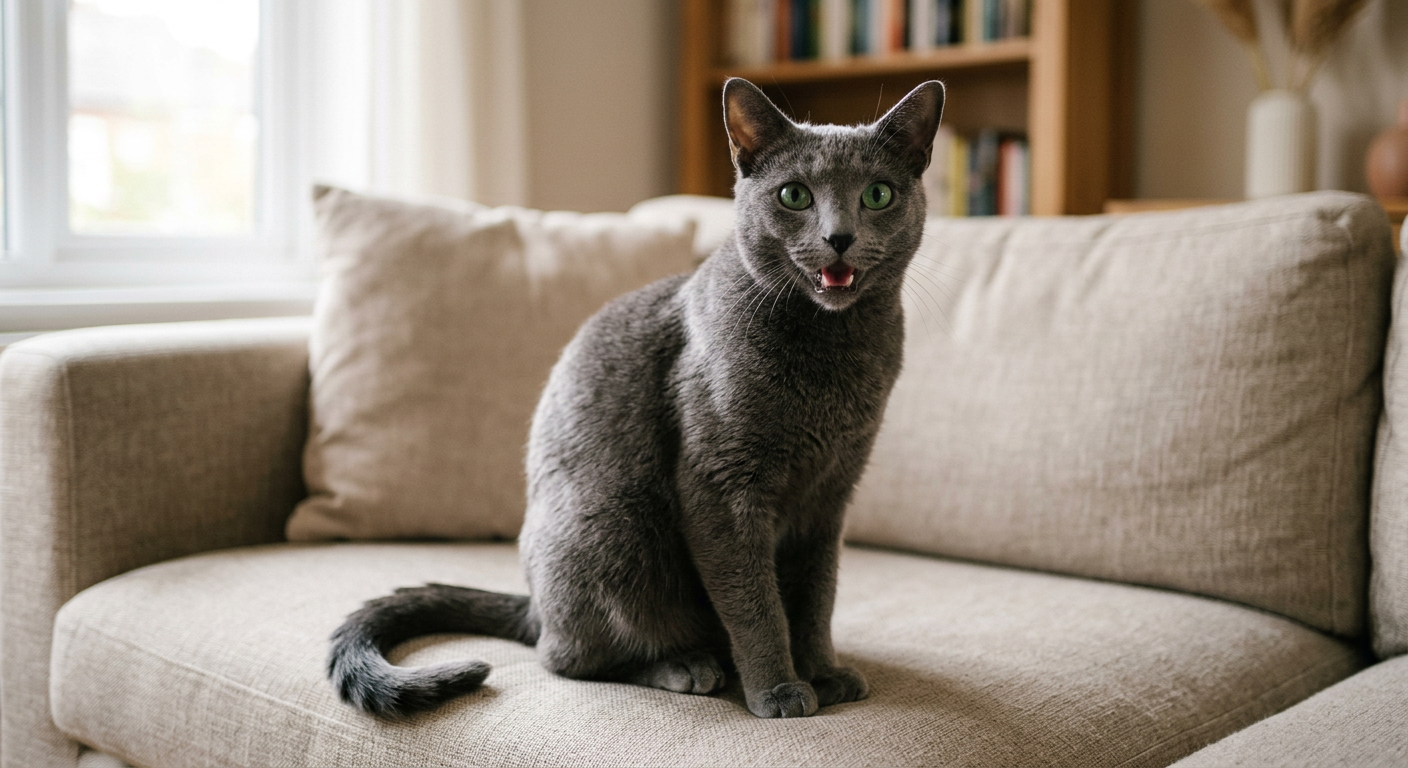
Observing your feline friend breathing with their mouth open can be a concerning moment for any pet owner. While dogs often use their mouths to cool down after a walk, cats are primarily nasal breathers. If you see a cat breathing with mouth open not panting in the traditional sense, it signifies that they are seeking more oxygen or feeling some discomfort that requires immediate attention.
Understanding the context of this behavior is the first step toward ensuring your cat's wellness. Open-mouth breathing is relatively rare in the feline world compared to our canine companions. By learning the subtle differences between heat-related cooling and more serious respiratory signals, you can provide the best possible care for your pet.
Distinguishing Between Panting and Open-Mouth Breathing
It is important to recognize what normal feline behavior looks like. Most people are familiar with dogs lolling their tongues out on a hot day, but cats typically only do this under extreme stress or after intense physical exertion. Even then, it should only last for a very short duration.
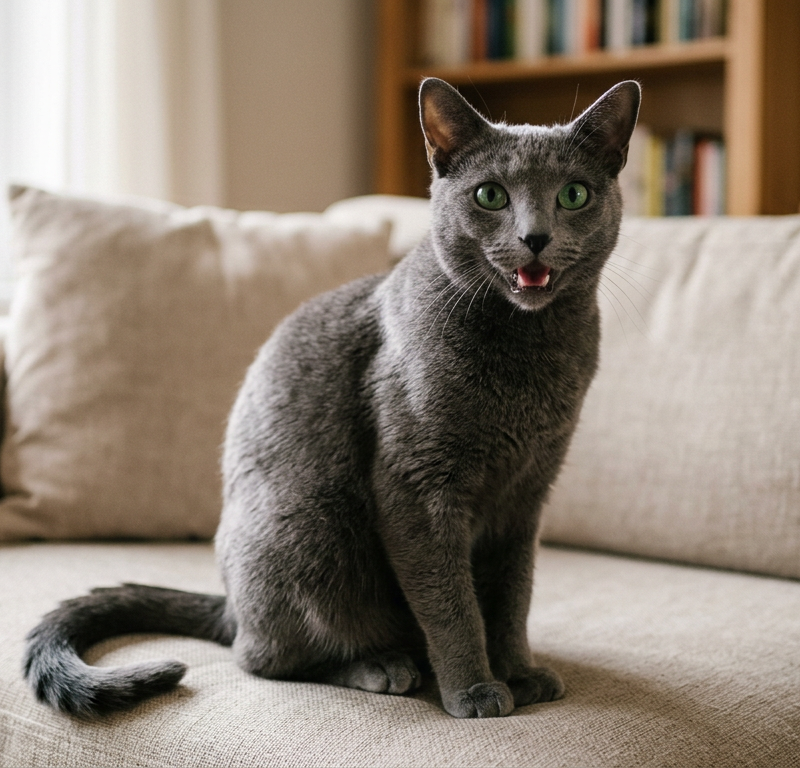
When a cat breathes through their mouth without the rhythmic, fast-paced action of panting, it often looks like they are gasping or holding their mouth slightly ajar. This is frequently a sign that the nasal passages are restricted or that the lungs are working harder than usual to circulate air. If you notice this during rest, it is especially noteworthy.
When Panting Might Be Normal
There are a few instances where a cat might briefly breathe with their mouth open. Intense play, such as chasing a feather wand for twenty minutes, can leave a cat momentarily breathless. Similarly, an extremely high-temperature environment may cause a cat to attempt to cool down this way.
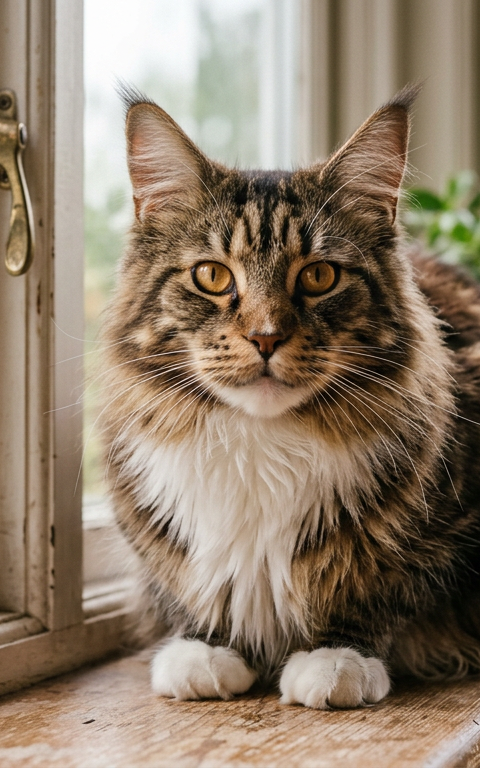
However, if the environment is cool and the cat has been resting, the behavior is unusual. Understanding your cat's life stage can also help provide context for their physical health. For example, older cats may have different wellness needs than kittens. You can check your pet's developmental stage using our Maine Coon age calculator or a similar tool for your specific breed.
Common Reasons for Mouth Breathing in Cats
Several factors can lead to a cat using their mouth to breathe. These range from temporary environmental triggers to underlying physical conditions that affect the upper respiratory tract. By observing accompanying signs, you can better describe the situation to a veterinary professional.
Upper Respiratory Infections
Just like humans get colds, cats can suffer from viral or bacterial infections. Congestion in the nose or sinuses can force a cat to breathe through their mouth because their primary airway is blocked. You might also notice discharge from the eyes or nose during these episodes.
- Sneezing or coughing
- Lethargy or reduced appetite
- Watery or cloudy eye discharge
- Visible congestion or "snuffling" sounds
If you find that your pet is also sneezing frequently, you may want to read more about cat sneezing repeatedly to see if the symptoms align with a common cold or allergy.
Asthma and Allergies
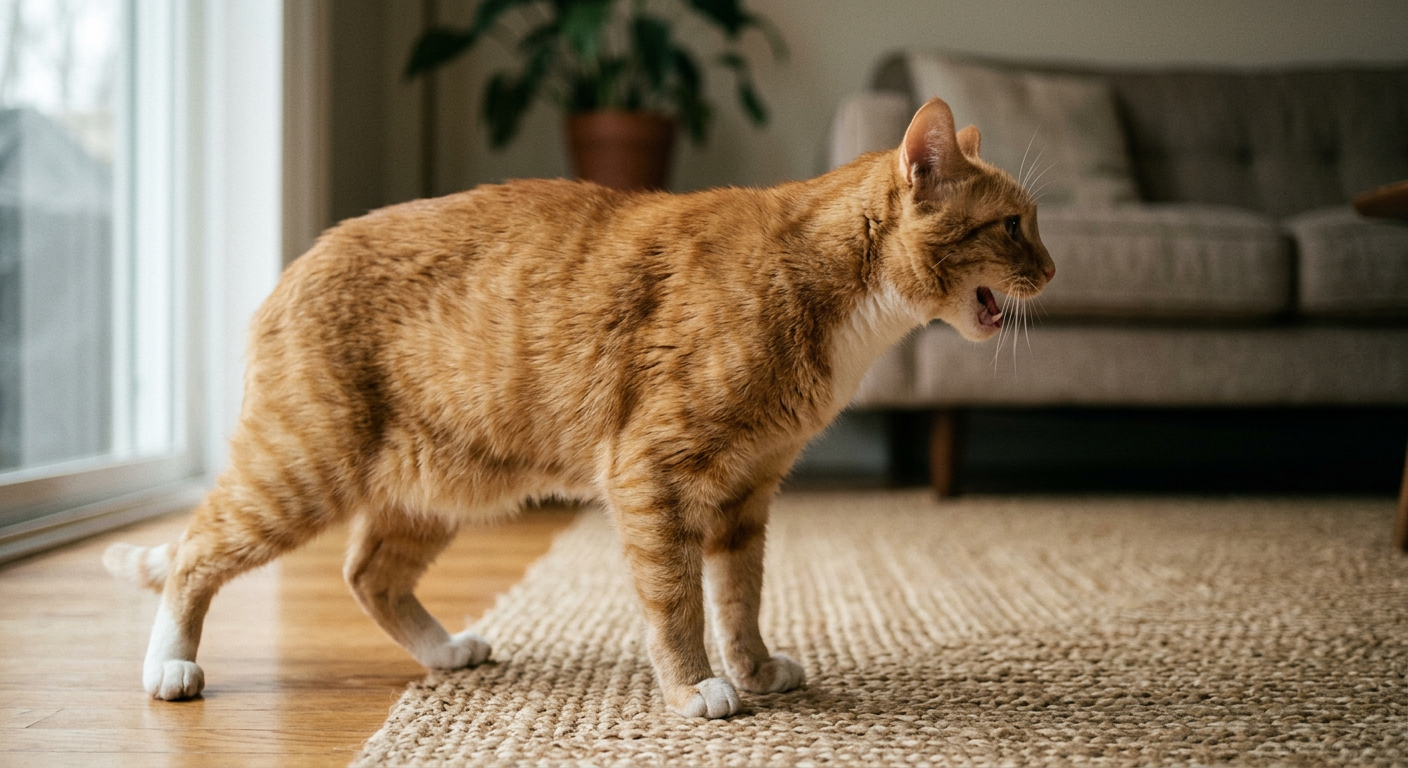
Feline asthma is more common than many owners realize. It involves an inflammation of the airways that makes breathing difficult. When a cat experiences an asthma flare-up, they may stretch their neck out and open their mouth to try and draw in more air. Common triggers include pollen, dusty cat litter, or household perfumes.
Congestive Heart Failure and Fluid Buildup
In some cases, the heart may not be pumping blood efficiently, leading to fluid accumulation in or around the lungs. This condition, known as pleural effusion or pulmonary edema, makes it very difficult for the lungs to expand fully. A cat in this state will often keep their mouth open to maximize every breath they take.
The Role of Breed Predisposition
Certain breeds are more prone to heart conditions, such as Hypertrophic Cardiomyopathy (HCM). Knowing your cat's lineage can help you stay proactive with cardiac screenings. For instance, owners of specific breeds often monitor heart health more closely as their pets age. You can explore breed traits further in our guide to reading visible body signs in cats to understand what is normal for your specific pet.
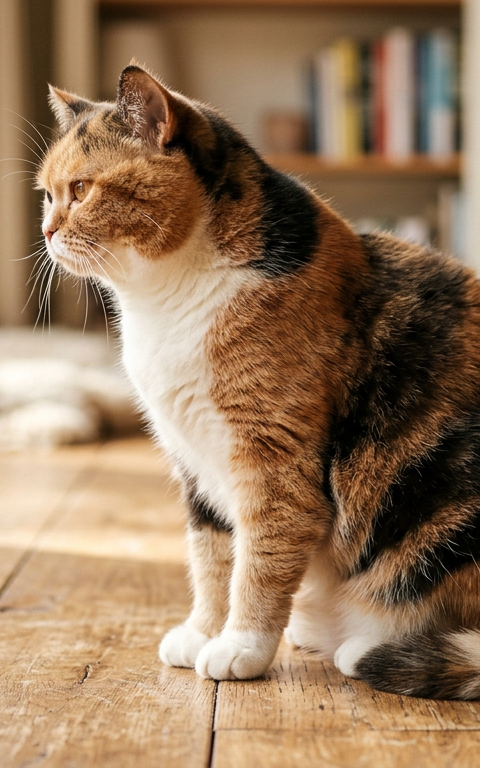
If you are considering adding a new feline to your home and want to compare the health profiles of different types, looking at our comparison pages like the British Shorthair vs Scottish Fold can provide valuable insights into breed-specific wellness considerations.
Stress and Emotional Triggers
While we are focusing on physical symptoms, we cannot overlook the impact of stress. A cat that is feeling overwhelmed—perhaps during a car ride or a move—may display open-mouth breathing. This is a physiological reaction to the "fight or flight" response, where the body prepares for high activity by increasing oxygen intake.
If the mouth breathing stops immediately once the stressor is removed and the cat returns to a calm state, it is likely an emotional response. However, if the behavior persists in a quiet, safe environment, it warrants a proactive check-up with a veterinarian to rule out physical causes.
When to Seek Veterinary Care
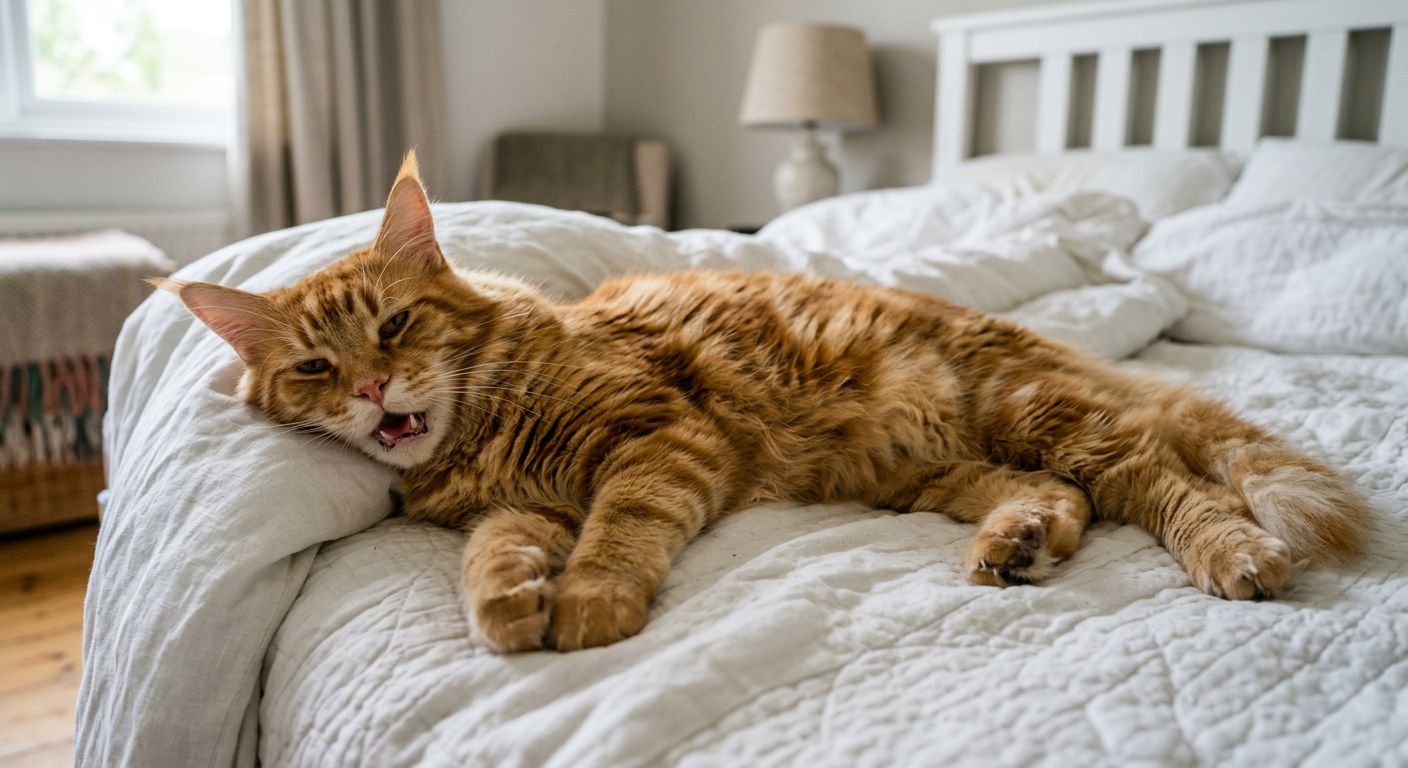
Because cats are masters at hiding discomfort, any change in breathing patterns should be taken seriously. Mouth breathing is often a late-stage sign that a cat is struggling. Seeing a veterinarian quickly can lead to a more comfortable outcome for your pet.
Look for these secondary signs that indicate a need for a professional wellness exam:
- Blue or pale tinged gums (indicating low oxygen).
- Extreme lethargy or unwillingness to move.
- Abdominal breathing, where the stomach moves significantly with each breath.
- A "tripod" stance, where the cat stands with elbows out to help the chest expand.
Your vet may use diagnostic tools like X-rays, blood work, or an ultrasound of the heart to determine the exact cause. Early intervention is always the best path forward for feline respiratory health.
Proactive Management for Respiratory Health
While you cannot prevent every health issue, you can create an environment that supports clear airways. Keeping your home free of heavy smoke, using low-dust litter, and ensuring your cat maintains a healthy weight can all reduce the strain on their respiratory system.
Regular check-ups are also vital. During an annual exam, a vet can listen to your cat's heart and lungs for any subtle murmurs or crackles that might not be audible to the untrained ear. Catching these signs early allows for lifestyle adjustments or medications that keep your cat breathing easy for years to come.
In conclusion, seeing a cat breathing with mouth open not panting is a clear communication from your pet that they need help. Whether it is a temporary bout of congestion or a more chronic condition like asthma, being observant and proactive is the hallmark of a great pet owner. By staying informed and working closely with your veterinarian, you can ensure your cat enjoys a vibrant, healthy life.