Understanding your feline companion involves more than just hearing their purrs or meows. Reading visible body signs in cats is an essential skill for every cat owner, as it allows you to interpret their emotions, health status, and overall well-being. Because cats are masters of subtle communication, learning to decode their physical cues can significantly strengthen the bond you share with your pet.
From the flick of a tail to the dilation of their pupils, every movement a cat makes tells a story. In this guide, we will explore the nuances of feline body language, helping you understand what your cat is trying to communicate through their posture, facial expressions, and more. If you also share your home with dogs, you might find it interesting to compare different breeds and their unique communication styles.
The Importance of Head and Facial Cues
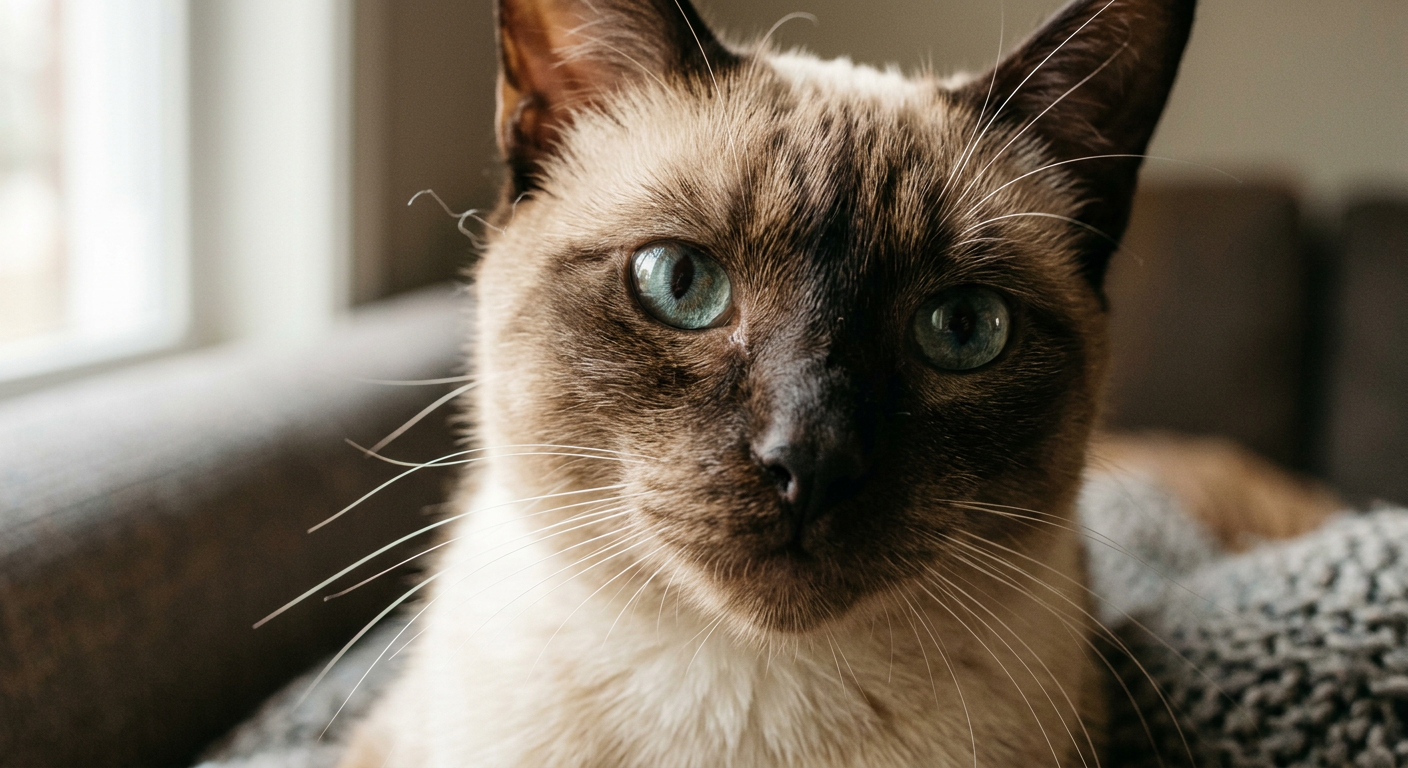
A cat's face is incredibly expressive if you know what to look for. Reading visible body signs in cats often starts with the eyes, ears, and whiskers. These features react almost instantaneously to changes in the environment or the cat's internal state.
Watching the Eyes and Pupils
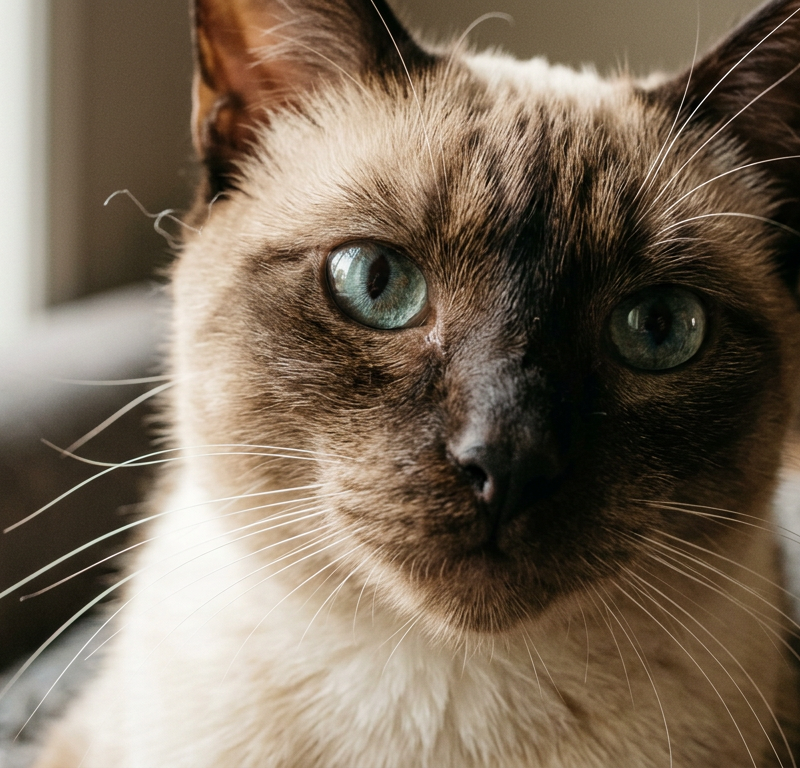
The eyes are often called the windows to the soul, and this is certainly true for cats. Slow blinking is a sign of extreme trust and affection, often referred to as a "cat kiss." When your cat looks at you and slowly closes their eyes, they are telling you they feel safe and comfortable in your presence.
Conversely, rapidly dilating pupils (mydriasis) can indicate excitement, fear, or a sudden burst of adrenaline. If the pupils are constricted into narrow slits, the cat may be feeling agitated or ready to hunt. Always consider the lighting in the room, as pupils naturally change size based on ambient light levels.
Interpreting Ear Positions
A cat's ears are highly mobile and can rotate independently. Ears that are pointed forward usually indicate a cat is relaxed, curious, or engaged with something in front of them. This is the neutral "happy cat" position most owners love to see.
If the ears begin to twitch or turn backward, the cat might be feeling slightly annoyed or overstimulated. When the ears are pinned flat against the head (the "airplane ears" look), it is a clear sign of fear or defensiveness. In these moments, it is best to give your cat some space and let them calm down.
The Role of Whisker Alignment
Whiskers are sophisticated sensory organs, but they also serve as visual indicators of mood. In a relaxed state, whiskers hang loosely to the side. When a cat is interested in something, the whiskers often fan out and point forward.
If you notice the whiskers are pulled tightly back against the cheeks, the cat is likely feeling threatened or stressed. This tucked-back position is often accompanied by other signs of discomfort, such as a hunched posture or a tucked tail.
Understanding Tail Language and Movement
The tail is perhaps the most famous indicator of feline emotion. Unlike dogs, where a wagging tail usually indicates happiness, a moving tail in a cat can mean a variety of things depending on the speed and rhythm of the motion.
The Upright and Confident Tail
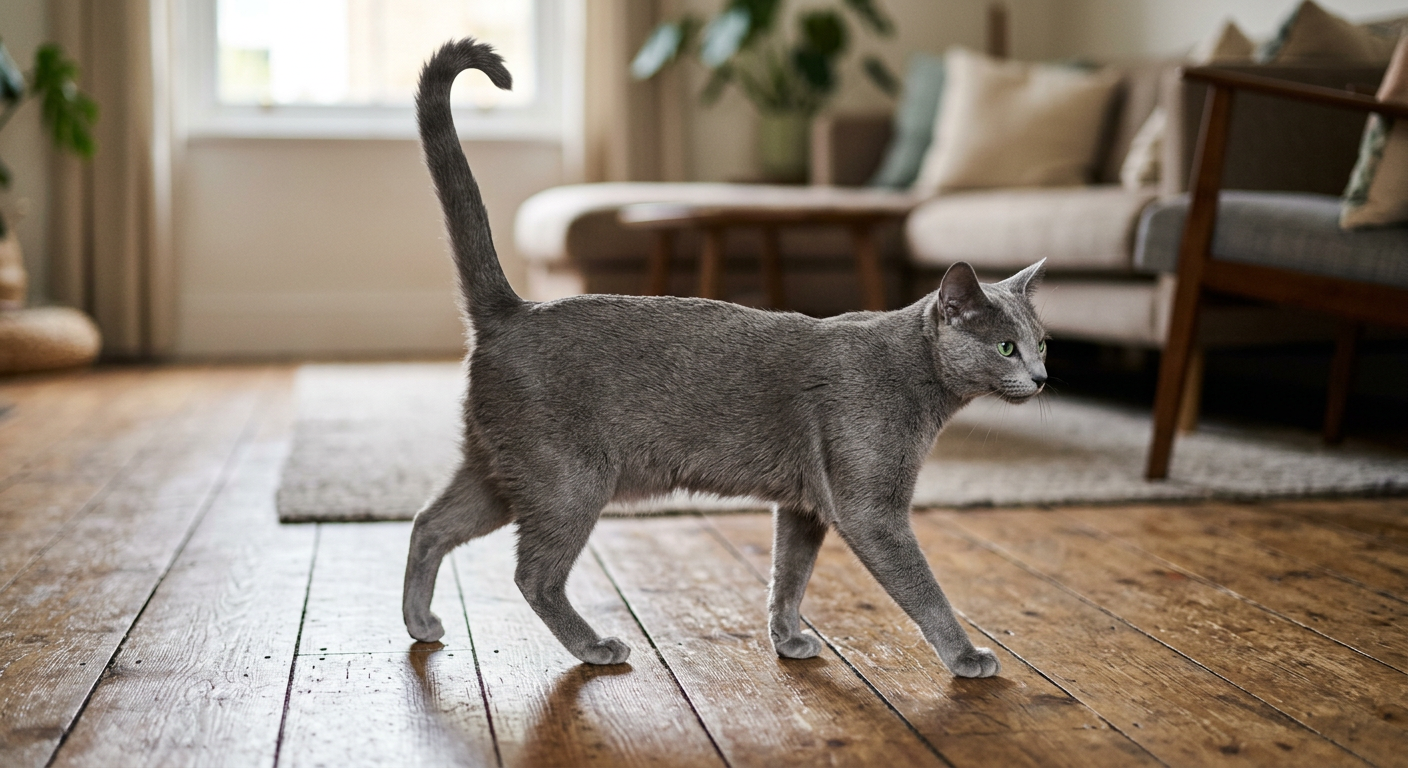
A tail held high in the air generally signifies a confident, friendly cat. If the tip of the upright tail has a slight hook or "question mark" shape, it means your cat is feeling particularly playful and welcoming. This is a great time to engage in light play or offer some gentle strokes.
Sometimes, a cat will quiver the base of their upright tail when they see someone they love. This "tail shiver" is a sign of pure excitement and joy, often seen during feeding time or when you first return home after work.
The Meaning of Flicking and Thumping
When a cat flicks the end of their tail, it usually indicates a growing sense of frustration or focus. You might see this when they are watching a bird through the window. However, if the entire tail begins to thrash back and forth with force, the cat is likely overstimulated or angry.
A thumping tail—where the cat strikes the floor or furniture—is a clear request for space. If you are petting your cat and they begin to thump their tail, it is a proactive sign to stop and let them rest. Overlooking this sign can sometimes lead to "petting-induced aggression."
The Puffed-Up "Bottle Brush" Tail
When a cat feels startled or severely threatened, they may puff out the fur on their tail and along their spine. This makes the cat look larger than they actually are, serving as a deterrent to potential predators. This is a defensive reaction rooted in instinct.
If your cat's tail is tucked between their legs or wrapped tightly around their body, they are likely feeling fearful or insecure. This posture is common in new environments or when meeting unfamiliar animals for the first time.
Decoding Body Posture and Physical Stance
Reading visible body signs in cats involves looking at the animal as a whole. The way a cat carries its weight and positions its limbs can provide a wealth of information about its comfort levels and health.
The Relaxed and Vulnerable Belly
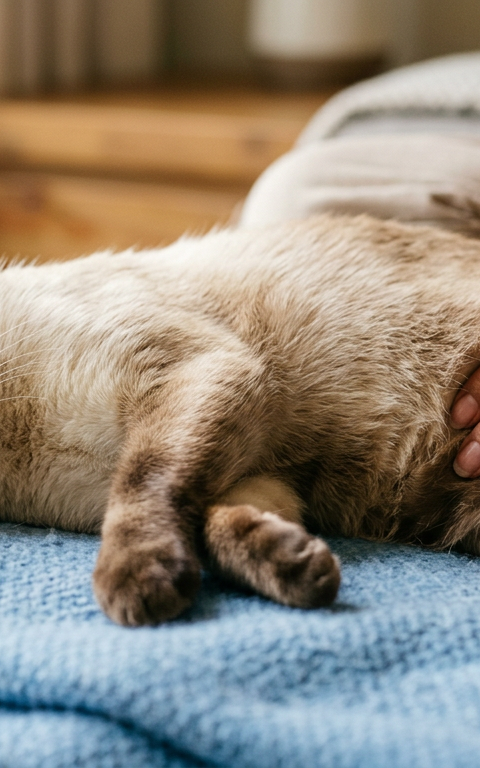
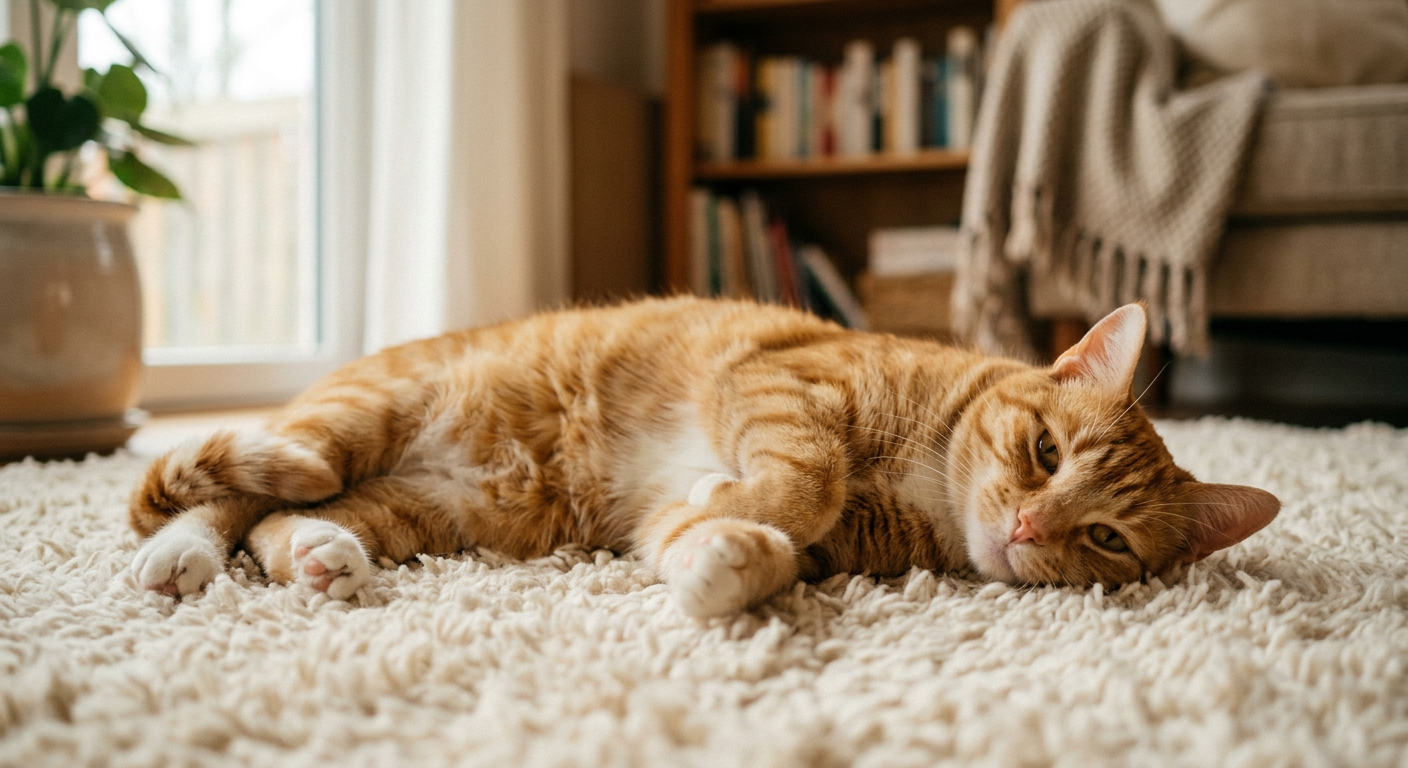
When a cat rolls over and exposes its belly, it is a sign of supreme trust. However, it is important to remember that for many cats, an exposed belly is not an invitation for a belly rub. For some, it is a defensive posture that allows them to use all four sets of claws if needed.
Learn to read the context: a cat rolling around on the carpet while purring is likely happy. A cat that rolls over during a tense encounter is likely signaling that they are ready to defend themselves. If you are curious about how your cat's age affects their energy for these behaviors, check out the Maine Coon age calculator for insights into their life stages.
The Arched Back and Tensed Muscles
An arched back can mean two very different things depending on the fur. A gentle arch accompanied by a rub against your leg is a sign of affection. However, an arch with bristled fur (piloerection) is a sign that the cat feels threatened and is trying to appear more imposing.
Observe the tension in the muscles. A relaxed cat has soft, fluid movements. A stressed or unwell cat may appear "braced" or stiff, sitting in a hunched position with their head lowered. If your cat seems consistently stiff or reluctant to jump, it is always worth a proactive visit to the veterinarian.
The "Loaf" Position vs. The "Crouch"
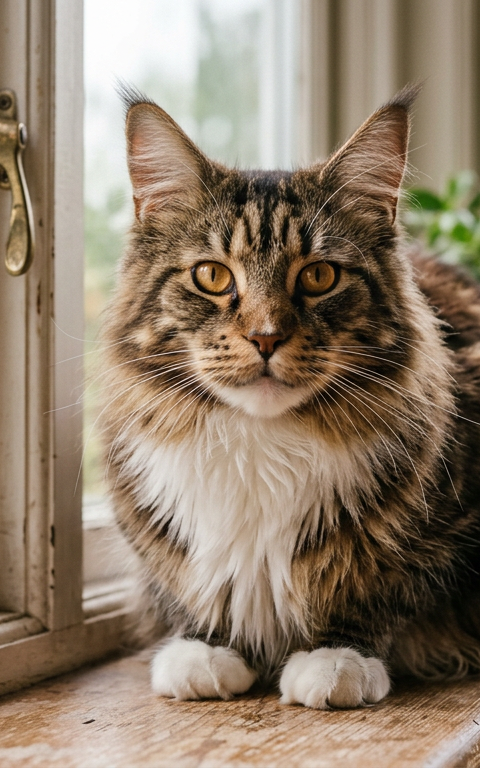
The "loaf," where a cat tucks their paws under their body, is usually a sign of a contented cat who feels safe enough to take their hands off the "steering wheel." They are comfortable and likely ready for a nap.
The crouch, on the other hand, involves the cat staying low to the ground with their weight shifted onto their haunches. This position indicates the cat is ready to spring into action—either to hunt a toy or to flee from a perceived threat. A persistent crouched position while hiding can sometimes be a sign of physical discomfort.
Physical Symptoms and Wellness Considerations
While most body signs reflect emotion, some physical cues are more closely tied to health and wellness. Recognizing these signs early allows for proactive care and ensures your cat stays happy for years to come.
- Grooming Habits: A healthy cat maintains a sleek, clean coat. Sudden changes, such as over-grooming a specific spot until it's bald or a greasy, unkempt appearance, can indicate stress or underlying wellness concerns.
- Respiratory Changes: Signs like repeated sneezing or open-mouthed breathing should always be monitored closely.
- Changes in Gait: If a cat starts limping or seems hesitant to climb their favorite cat tree, it may be a sign of joint sensitivity or injury.
- Eye Discharge: Healthy eyes should be clear and bright. Persistent tearing or discharge may require a professional evaluation.
By paying attention to these physical indicators, you can act as a better advocate for your pet's health. Always consult with a veterinarian if you notice sudden or dramatic shifts in your cat's physical appearance or behavior.
How Context Changes the Meaning
Reading visible body signs in cats is not just about identifying individual cues; it is about looking at the "big picture." A single sign, like a twitching tail, can mean different things depending on what else is happening in the room.
For example, if your cat is looking at a toy with dilated pupils and a twitching tail, they are likely in "play mode." However, if they have those same dilated pupils and a twitching tail while being approached by a vacuum cleaner, they are likely feeling fearful. Always look at the ears, eyes, and tail together to get the most accurate read on your cat's state of mind.
Similarly, social context matters. A cat might show different signs when interacting with a bonded feline housemate compared to a complete stranger. Learning your specific cat's unique "dialect" is part of the joy of pet ownership. Over time, you will recognize the subtle differences between their "hiding" and their "napping" postures.
Summary of Feline Body Language
Developing your skills in reading visible body signs in cats will transform your relationship with your pet. By observing their head, tail, and overall body posture, you can provide a more supportive and enriching environment for them.
Remember that every cat is an individual. While these general rules apply to most felines, your cat may have their own unique ways of communicating. Whether you are using a Russian Blue age calculator to track their development or just watching them play in the living room, staying observant is the best way to ensure their happiness. If you are ever unsure about a physical change you see in your cat, your veterinarian is always the best resource for guidance and peace of mind.