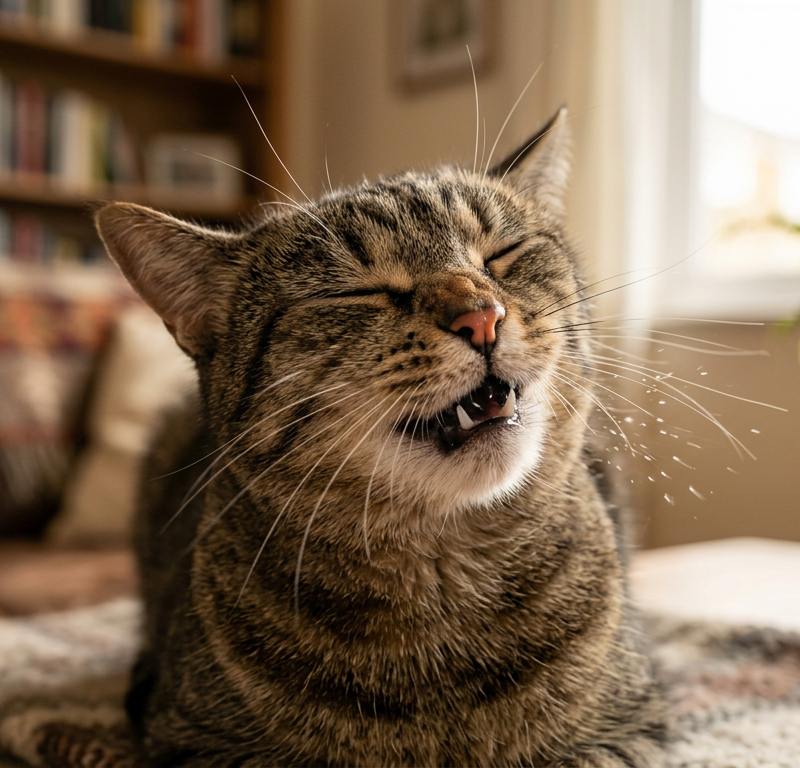
It is quite common to see your feline friend let out an occasional "achoo" while they are grooming or exploring a dusty corner. However, when you notice your cat sneezing repeatedly should i worry is a question that naturally comes to mind for any dedicated pet parent. While a single sneeze is usually just a reflex to clear the nasal passages, repetitive sneezing often signals that something in their environment or their health requires a closer look.
Monitoring your cat's behavior is the first step in proactive wellness. Most instances of sneezing are minor and resolve quickly, but understanding the underlying causes can help you decide when a visit to the veterinarian is necessary. By observing the frequency of the sneezing and any accompanying signs, you can ensure your cat stays comfortable and healthy.
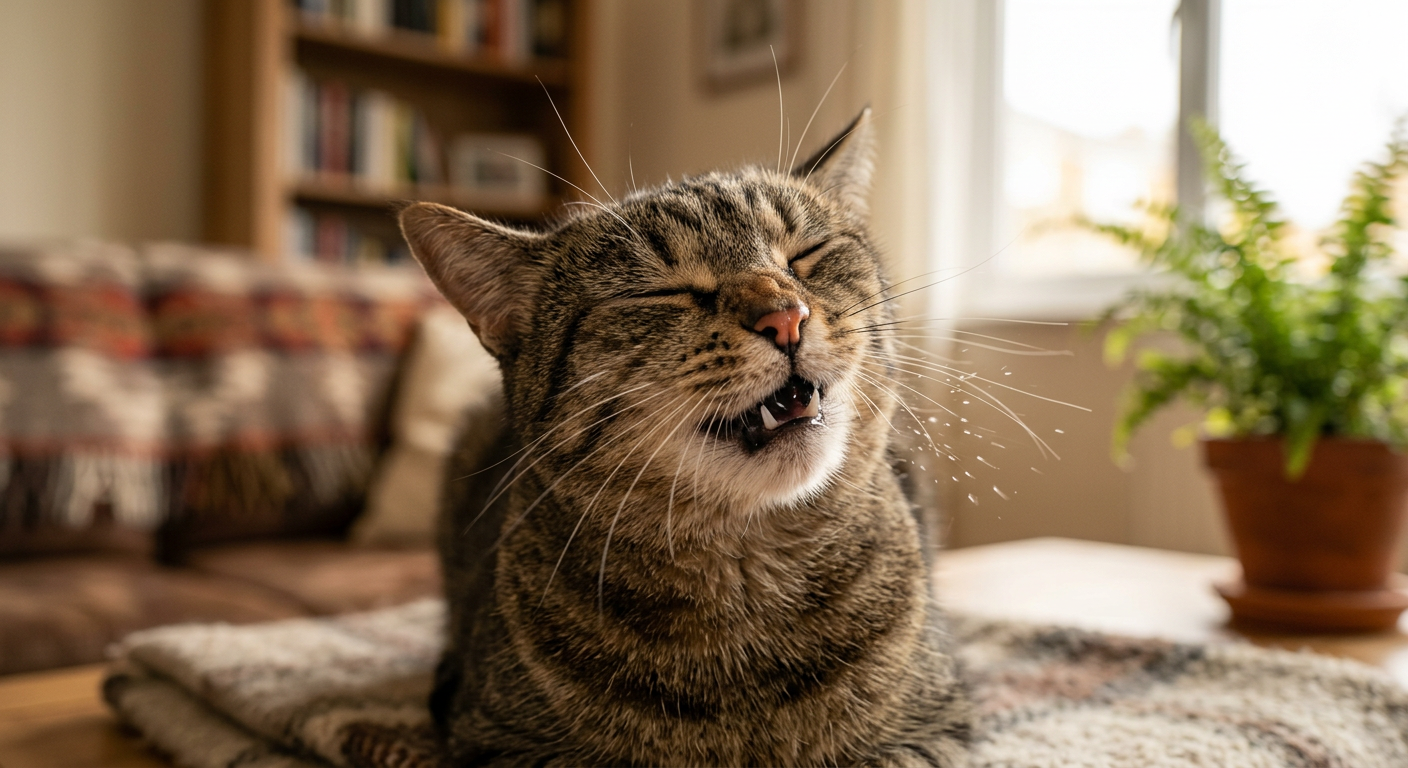
Understanding the Mechanics of a Cat Sneeze
A sneeze is a biological mechanism designed to expel irritants from the upper respiratory tract. Just like humans, cats have sensitive nasal membranes that react to foreign particles. When these membranes are tickled or irritated, the body triggers a forceful burst of air through the nose to clear the way.
When wondering about a cat sneezing repeatedly should i worry, consider the context. If the sneezing happens only when you are cleaning with strong-smelling products or after your cat has been digging in the litter box, it is likely a simple reaction to environmental triggers. If the sneezing persists regardless of the setting, it may indicate a more consistent irritation or a health consideration.
Environmental Irritants and Allergens
Our homes are filled with microscopic particles that can tickle a cat's nose. Common culprits include dust, pollen, mold spores, and even strong perfumes or scented candles. Some cats are more sensitive to these factors than others, leading to bouts of sneezing when they encounter them.
Cigarette smoke and chemical cleaners are also frequent triggers for feline respiratory sensitivity. If you have recently changed your laundry detergent or litter brand, your cat might be reacting to the new scent or increased dust levels. Transitioning to unscented, low-dust products is a great way to support their respiratory comfort.
Upper Respiratory Infections in Cats
One of the most common reasons for persistent sneezing is an upper respiratory infection, often referred to as a "cat cold." These infections are typically viral or bacterial in nature. Feline Viral Rhinotracheitis (caused by feline herpesvirus) and Feline Calicivirus are the most frequent viral causes of respiratory issues in cats.
If you are asking yourself cat sneezing repeatedly should i worry, look for other signs of a cold. These might include watery eyes, a runny nose, or a slight decrease in energy levels. While many cats recover from these infections with rest and proper hydration, a veterinarian can provide supportive care to manage symptoms and prevent secondary bacterial infections.
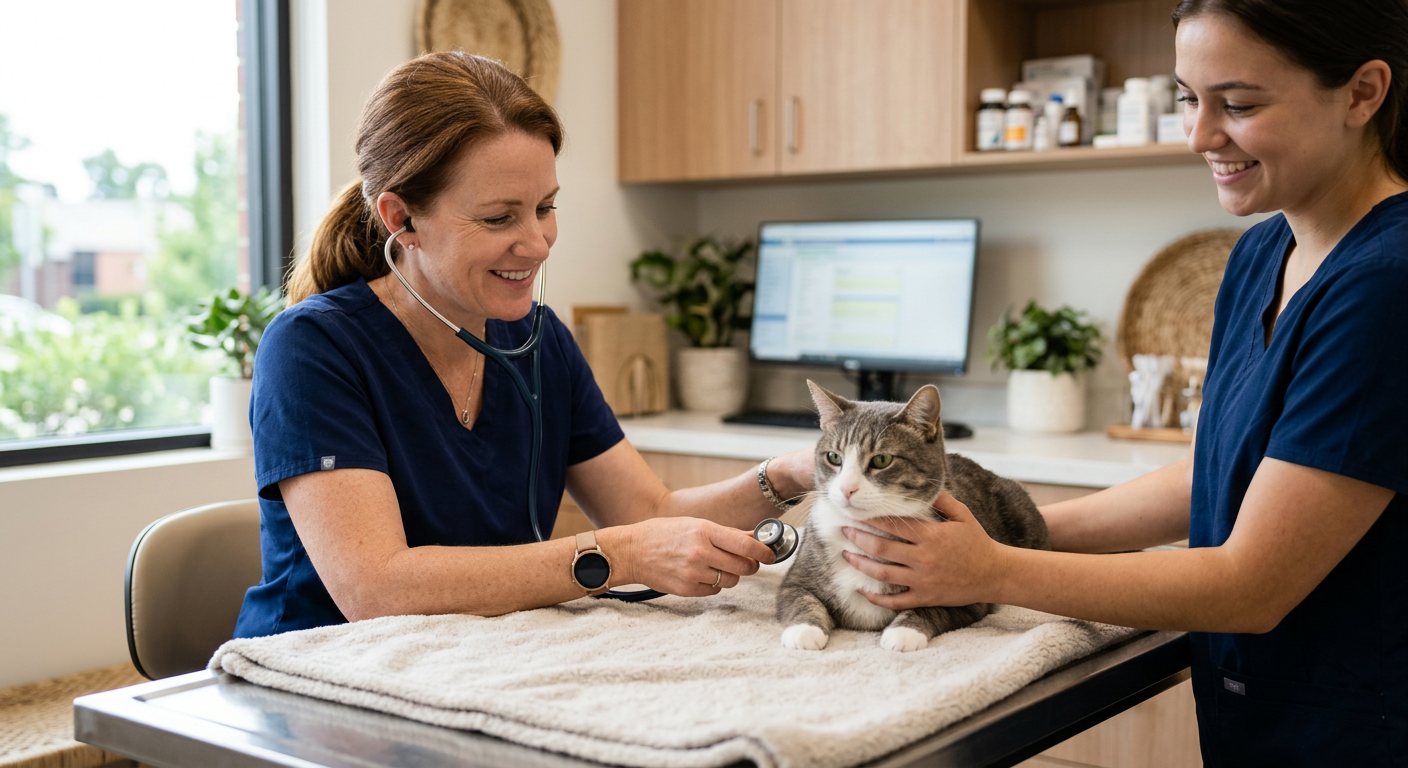
Bacterial vs Viral Issues
While viruses are the primary cause of many infections, bacteria such as Bordetella or Chlamydia can also play a role. Bacterial infections often produce thicker, colored discharge from the nose or eyes. Your vet may recommend a specific wellness plan to help your cat's immune system get back on track.
Ensuring your cat is up to date on their vaccinations is a proactive way to reduce the severity of these infections. You can check how your cat's life stage affects their health needs by using our British Shorthair age calculator or other breed-specific tools to understand their current developmental phase.
Foreign Objects and Nasal Blockages
Sometimes, a cat sneezing repeatedly should i worry can be answered by looking at their adventurous nature. Cats love to sniff grass, plants, and small crevices. Occasionally, a small foreign object like a blade of grass, a seed, or a piece of fluff can get stuck in the nasal passage.
A sneeze caused by a foreign object is usually sudden and very frequent as the cat tries to dislodge the item. If the sneezing is accompanied by pawing at the face or if it seems localized to one nostril, a foreign body might be the cause. In these cases, professional assistance is needed to safely remove the object without causing further irritation.
Nasal Polyps and Growths
In older cats or those with chronic inflammation, small benign growths called nasal polyps can develop. These polyps can block the nasal passages and cause persistent sneezing or noisy breathing. While they are usually not life-threatening, they can make your cat uncomfortable, and a vet can often remove them to restore clear breathing.
The Role of Dental Health
It might seem surprising, but dental health is closely linked to respiratory wellness. The roots of a cat's upper teeth sit very close to their nasal passages. If a tooth becomes infected or an abscess develops, the inflammation can spread to the sinuses, leading to chronic sneezing.
If you notice your cat sneezing repeatedly should i worry, take a gentle look at their gums and teeth. Bad breath or a reluctance to eat crunchy food can be indicators that the sneezing is related to a dental issue. Regular dental checkups are an essential part of a comprehensive pet wellness strategy.
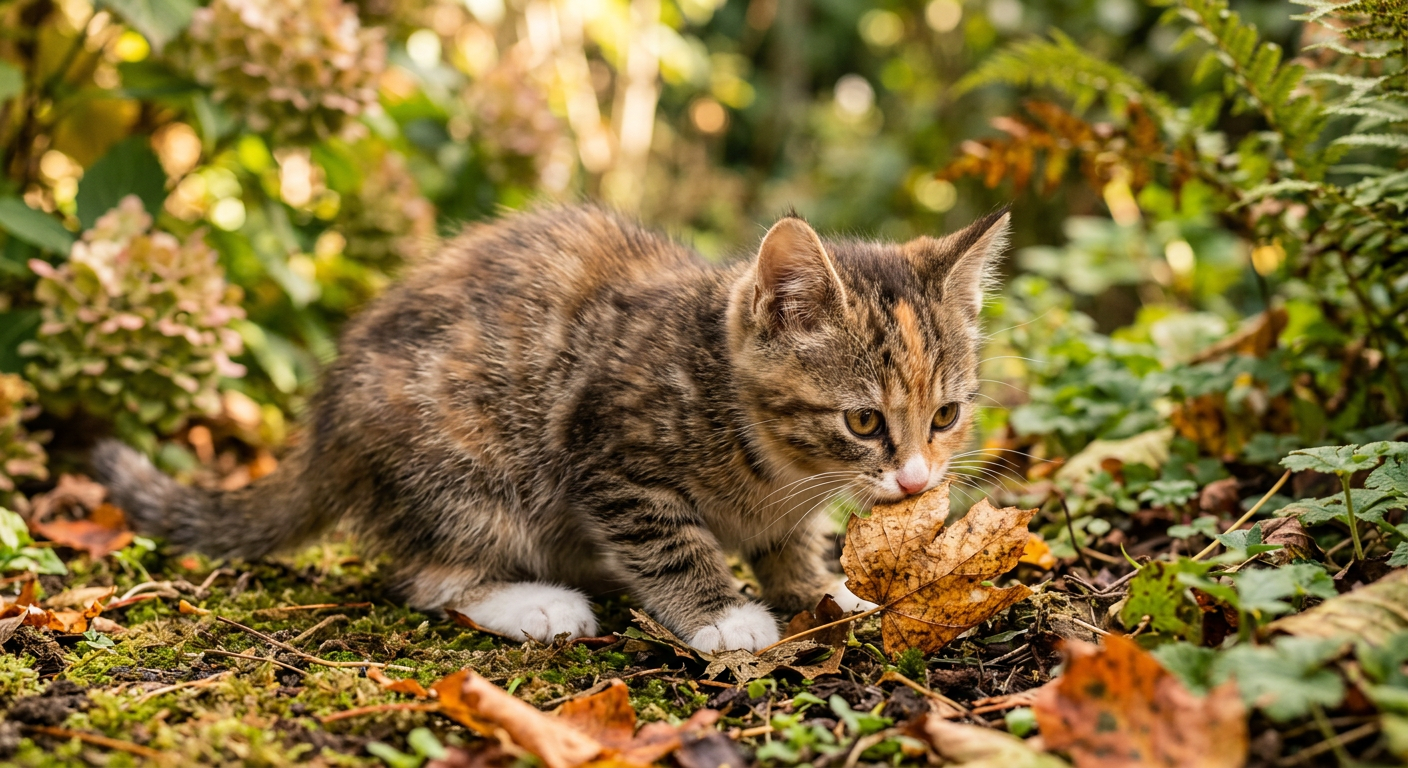
When Sneezing Becomes a Chronic Pattern
Some cats experience "chronic rhinosinusitis," where the nasal passages remain inflamed for long periods. This is often seen in cats who have had severe respiratory infections in the past. Managing this condition involves keeping the air clean, using humidifiers, and working closely with your vet to manage flare-ups.
Comparing Feline Health Needs
Different breeds may exhibit different respiratory patterns. For example, flat-faced (brachycephalic) breeds like the Persian or British Shorthair vs Scottish Fold comparisons often highlight different sinus structures that can impact how a cat sneezes. Understanding your specific cat's anatomy can help you better interpret their symptoms.
Large breeds like the Maine Coon may have different immune system milestones compared to smaller breeds. Keeping track of their age and development helps you identify when a change in behavior, like increased sneezing, is out of the ordinary for their life stage.
When to Consult Your Veterinarian
While an occasional sneeze is no cause for concern, there are specific signs that mean it is time to seek professional advice. If the sneezing is accompanied by a loss of appetite, lethargy, or visible discomfort, a veterinary consultation is the best course of action. They can perform a thorough exam and determine the exact cause of the irritation.
Specific symptoms to watch for include bloody discharge, swelling around the bridge of the nose, or persistent squinting. If the question of cat sneezing repeatedly should i worry is keeping you up at night, a quick call to your clinic can provide peace of mind and a clear path toward helping your cat feel better.
Preparing for the Vet Visit
When you take your cat to the vet, it helps to have a record of when the sneezing started and what the discharge (if any) looks like. Note any changes in the household, such as new pets, new plants, or different cleaning products. This information is invaluable for your vet to make an accurate assessment of your cat's respiratory health.
In the meantime, you can support your cat by keeping them hydrated and ensuring they have a warm, stress-free environment. Steam from a warm shower can sometimes help soothe irritated nasal passages, but always consult your vet before trying any at-home remedies.
Proactive Steps for Respiratory Health
Prevention is a key part of feline wellness. Keeping your home clean and well-ventilated reduces the presence of allergens that trigger sneezing. Regularly changing air filters and using high-quality, dust-free cat litter can make a significant difference in your cat's daily comfort.
If you find yourself asking cat sneezing repeatedly should i worry, remember that your attentiveness is your cat's greatest asset. By being proactive and observant, you can catch health considerations early and ensure your feline companion enjoys a long, healthy, and sneeze-free life.