Have you ever noticed your cat staring intensely at their food bowl or perhaps flicking their paw into their water dish? Decoding cat eating quirks and food preferences is a journey into the wild ancestry and unique sensory world of our feline companions. While we might view a meal as a simple daily routine, cats experience their food through a complex lens of instinct, texture, and temperature.
Understanding why your cat acts the way they do around their dinner plate can help you build a stronger bond. Often, behaviors that seem strange to us are actually survival mechanisms passed down from their desert-dwelling ancestors. By learning the language of their appetite, you can ensure they feel safe and satisfied in your home.
Whisker Fatigue and Bowl Placement
One of the most common issues owners face when decoding cat eating quirks and food preferences is whisker fatigue. A cat's whiskers are incredibly sensitive tactile organs packed with nerve endings. When a bowl is too deep or narrow, those whiskers brush against the sides repeatedly, causing sensory overload.
If you notice your cat scooping food out of the bowl with their paw or leaving food around the edges, they might be experiencing this discomfort. Switching to a shallow, wide saucer can make a world of difference. It allows them to eat without their whiskers hitting the rim, creating a much more peaceful dining experience.
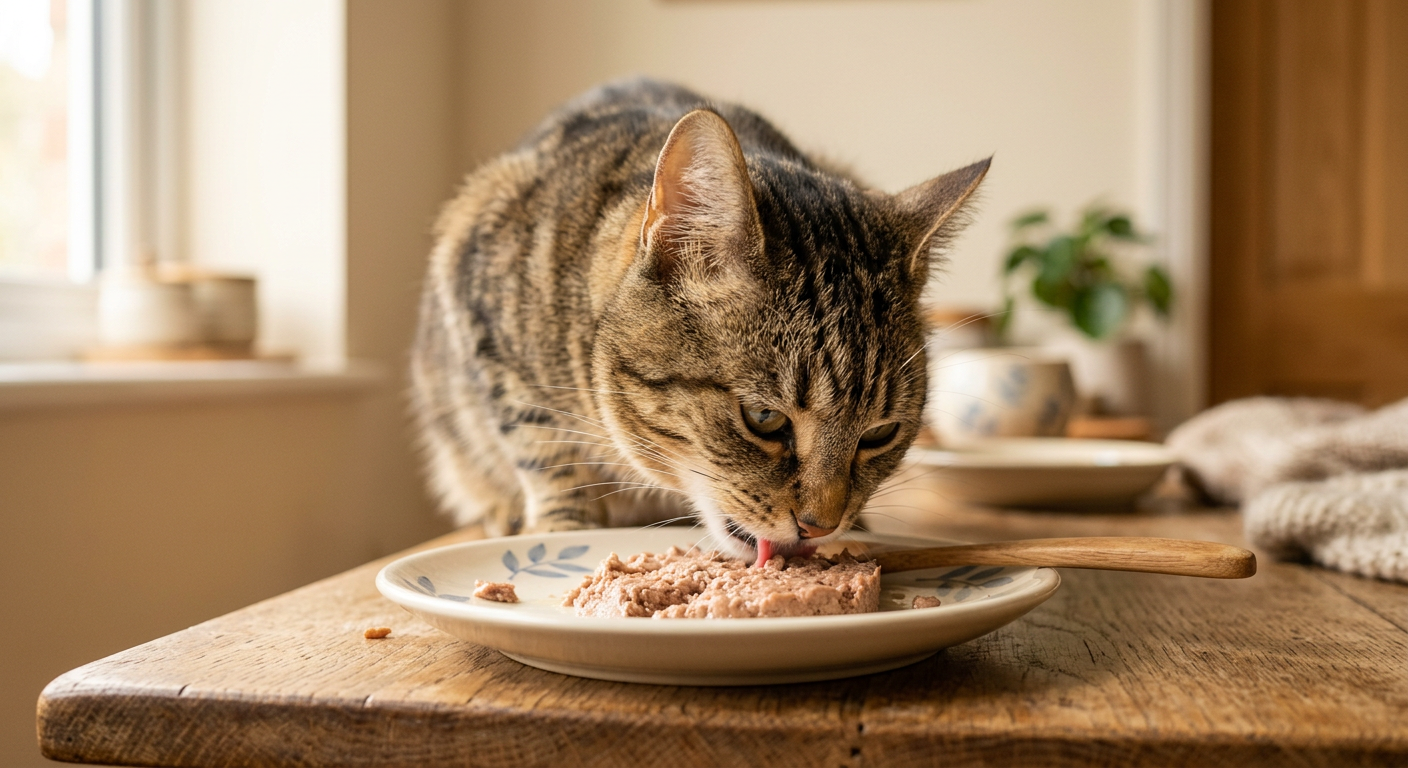
The location of the food bowl also plays a massive role in their comfort. In the wild, cats are both predators and prey. Eating in a corner where they can't see the room behind them can make them feel vulnerable. Try placing their feeding station in an open area where they can scan the environment while they crunch.
The Social Aspect of Feline Dining
While cats are often seen as solitary hunters, many domestic cats are "social eaters." They may follow you into the kitchen and meow until you stand near them while they eat. This behavior is a sign of trust; they feel safer knowing you are "watching their back" while they are distracted by their meal.
If you have multiple cats, decoding cat eating quirks and food preferences becomes even more important. Some cats may hover over another's bowl, not necessarily out of hunger, but as a subtle display of hierarchy. Providing separate feeding stations in different rooms can reduce tension and allow every cat to eat at their own pace.
Temperature and Texture Preferences
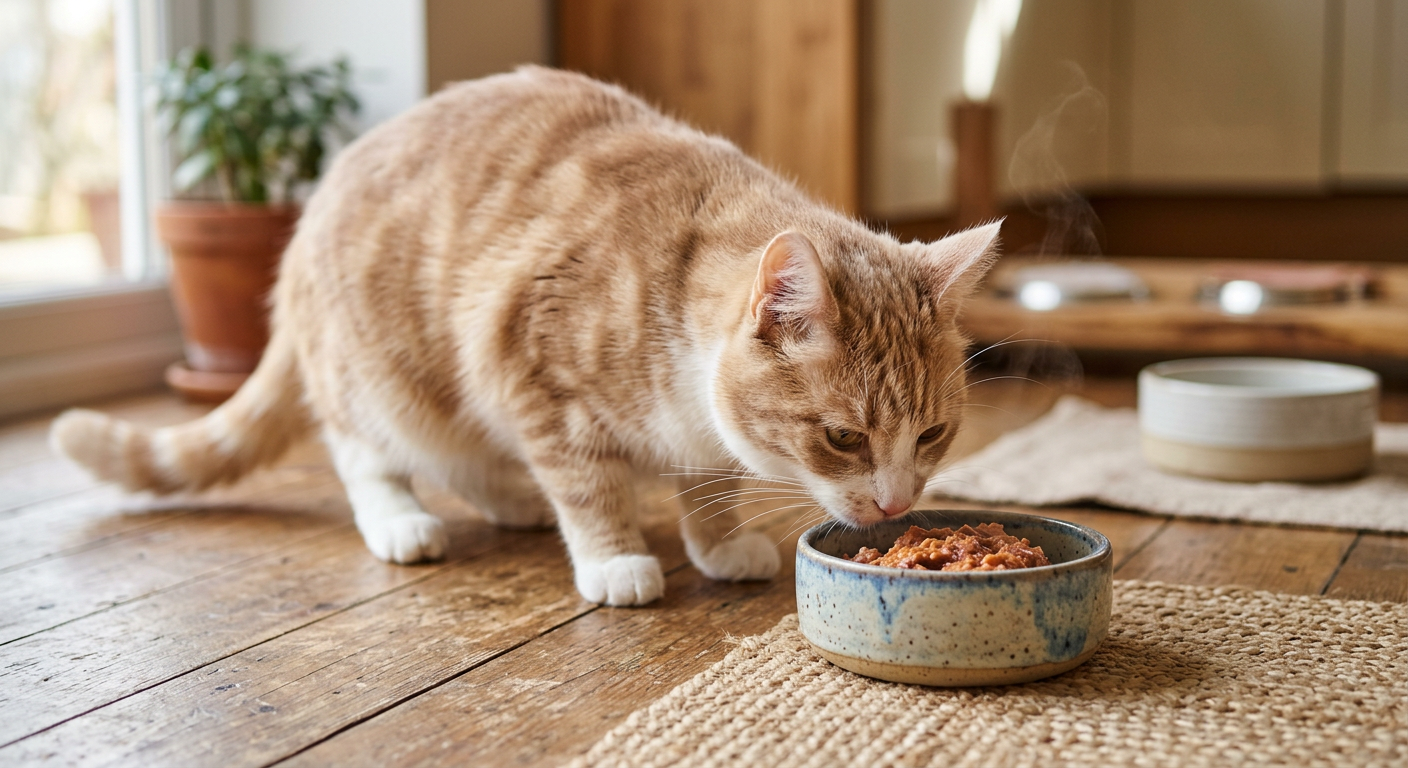
When we talk about decoding cat eating quirks and food preferences, we cannot ignore the physical state of the food. Cats are obligate carnivores, and their biology is tuned to the qualities of fresh prey. In nature, prey is typically body temperature, which is why many cats turn their noses up at food straight from the refrigerator.
Warming wet food slightly can release aromas that stimulate a cat's keen sense of smell. Be careful not to make it hot; a gentle room temperature or lukewarm state is usually ideal. This simple step can entice a picky eater who seems uninterested in their standard canned diet.
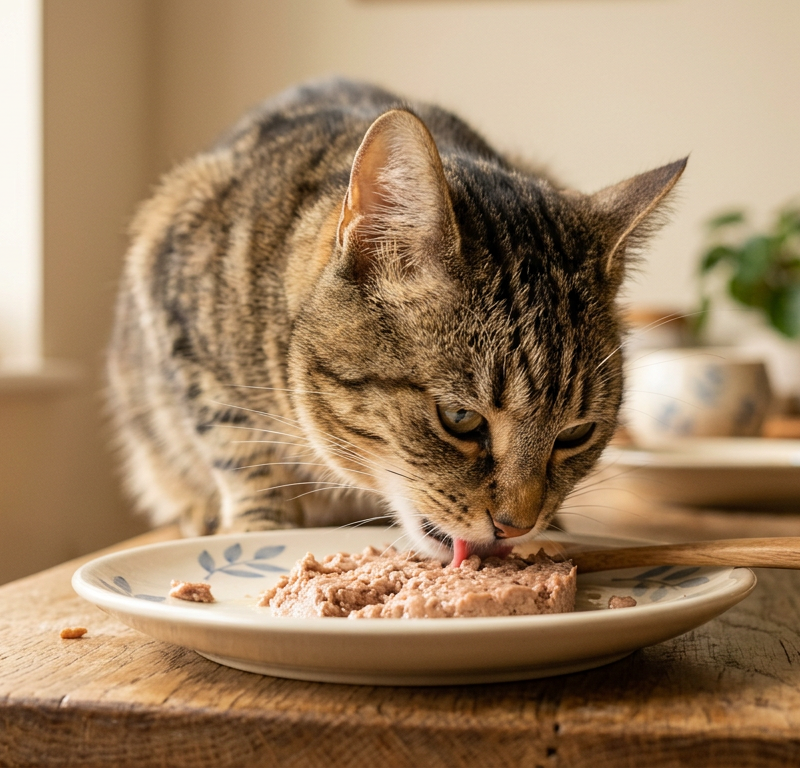
Texture is another critical factor. Some cats are "gravy lovers" who lick up the liquid and leave the chunks behind, while others prefer the uniform consistency of a pate. This preference is often established early in life. If you are raising a kitten, exposing them to various textures can help prevent them from becoming overly picky adults.
The Crunch Factor
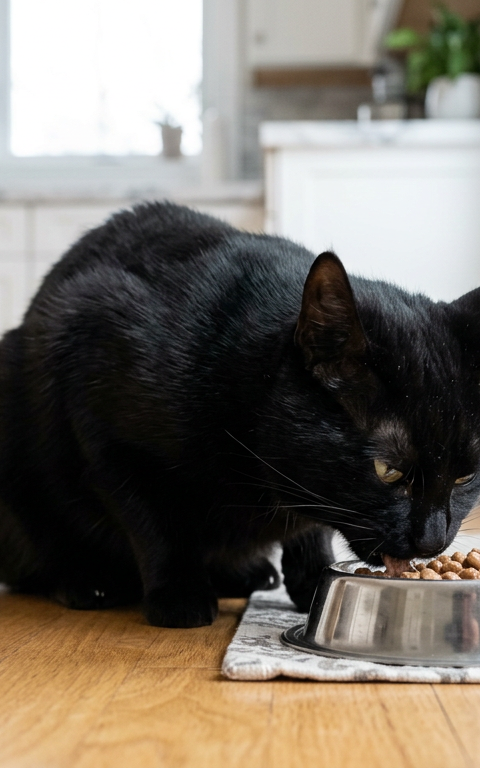
Dry kibble offers a different sensory experience than wet food. Many cats enjoy the resistance and "crunch" of dry food, which can also provide a small amount of mechanical cleaning for their teeth. However, relying solely on dry food can lead to hydration issues, as cats have a low thirst drive.
Many owners find success with a "mixed" diet. You can learn more about balancing different food types by checking out our cat feeding guide. Always remember that any major changes to your cat's diet should be discussed with your veterinarian to ensure their nutritional needs are met.
The Mystery of the Water Bowl
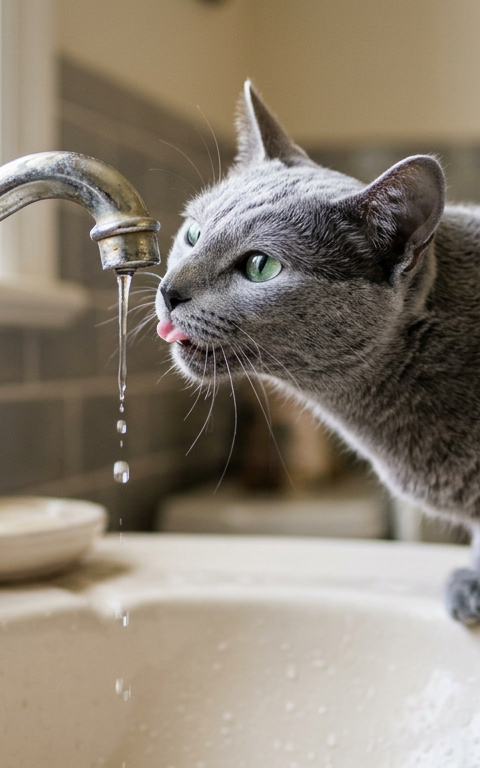
Water preferences are a huge part of decoding cat eating quirks and food preferences. You may have noticed your cat prefers drinking from a dripping faucet rather than their pristine water bowl. This is an ancestral instinct; in the wild, standing water is more likely to contain bacteria, while running water is generally safer.
If your cat frequently tips over their water bowl or "digs" at the water, they might be trying to create movement. They may also struggle to see the water level in a still bowl. A pet fountain is a great investment for these cats, as the constant flow is both enticing and easier for them to locate visually.
Another quirk involves the placement of water. Some cats dislike having their water bowl right next to their food bowl. In nature, cats avoid drinking water that is near their kill to prevent contamination. Moving the water dish to a different part of the room, or even a different floor, often increases a cat's daily water intake.
Understanding Pickiness and Food Aversion
Is your cat really picky, or is there something else going on? Decoding cat eating quirks and food preferences requires a bit of detective work. Cats can develop "food aversions" very quickly. If a cat feels nauseous or stressed while eating a specific brand, they may associate that food with the negative feeling and refuse to eat it again.
It is important to distinguish between a feline who is being selective and one who is unwell. If a cat stops eating for more than 24 hours, it is a wellness consideration that requires professional advice. Unlike dogs, cats can develop serious liver issues if they go without food for even a few days.
The Impact of Age on Appetite
As cats age, their preferences and requirements shift. A senior cat might have a diminished sense of smell, making their food less appealing. They may also experience dental sensitivities that make hard kibble difficult to chew. For those curious about how their cat's age relates to human years, our Maine Coon age calculator (or our other breed-specific tools) can provide fun insights into their life stage.
Older cats often benefit from more frequent, smaller meals that are highly aromatic. High-sided bowls might also become difficult for them to access if they have joint discomfort. Proactive care for seniors involves adjusting the environment to match their changing physical capabilities.
Common Behavioral Quirks at Mealtime
Do you have a "grazer" or a "scarfer"? Some cats prefer to eat tiny amounts throughout the day, while others attempt to finish the entire bowl in seconds. Gravity-defying "zoomies" after eating are also common, as the burst of energy from nutrients can trigger a playful mood.
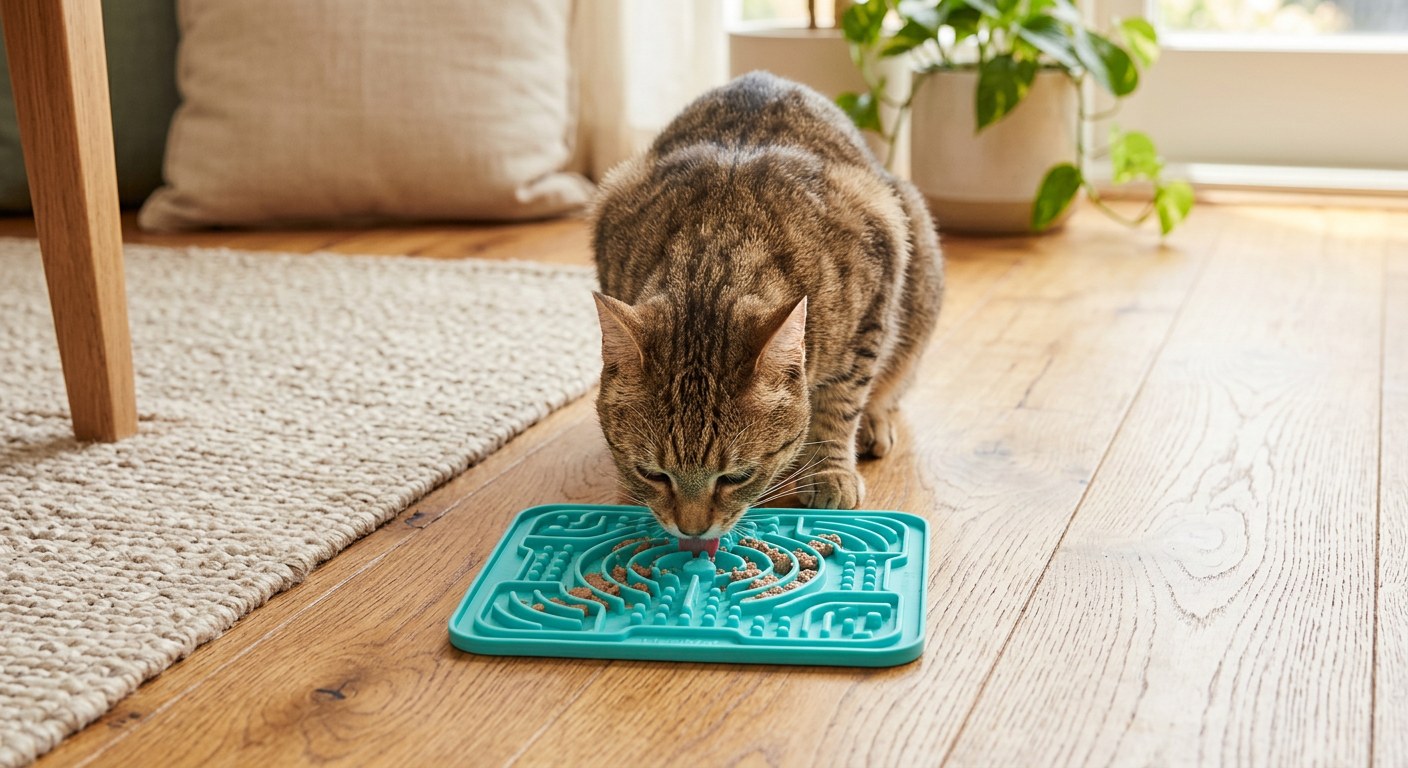
If your cat eats too quickly and then immediately bring the food back up, they may need a slow-feeder mat or bowl. These tools have ridges and valleys that force the cat to use their tongue to navigate the food, slowing down the ingestion process. This turns mealtime into a mental game and aids in better digestion.
Another interesting quirk is "food burying." You might see your cat scratching the floor around their bowl after they finish eating. They aren't trying to tell you the food is bad; they are attempting to hide the scent of their meal from potential predators. It is a sign that their wild instincts are alive and well.
Conclusion and Proactive Care
Decoding cat eating quirks and food preferences is about more than just finding the right brand of kibble. It is about respecting your cat's biological heritage and providing an environment that caters to their specific needs. From the shape of the bowl to the temperature of the pate, every detail matters to your feline friend.
By observing your cat's habits without judgment, you can make small adjustments that significantly improve their quality of life. Whether it is moving the water bowl or warming up their dinner, these gestures of care are always appreciated. Always consult with a veterinarian if you notice sudden changes in appetite or behavior, as they are the best resource for your pet's health.
Every cat is an individual with their own unique personality. Embracing these quirks is part of the joy of cat ownership. Stay curious, keep observing, and enjoy the specialized bond that comes from truly understanding your cat's needs.