If you have ever caught your feline friend looking at you with a lopsided expression, you might wonder, why does my cat squint one eye while awake? While cats often use slow blinks to communicate affection, a persistent squint in just one eye usually signals that something specific is happening within that ocular environment. Understanding the subtle cues your cat gives you is a vital part of proactive care.
A single-eye squint, often referred to by veterinarians as blepharospasm, is typically a protective reflex. Because cats are masters at masking discomfort, this physical sign is one of the few ways they show us that their eye feels unusual. By exploring the common reasons behind this behavior, you can better support your cat’s vision and overall wellness.
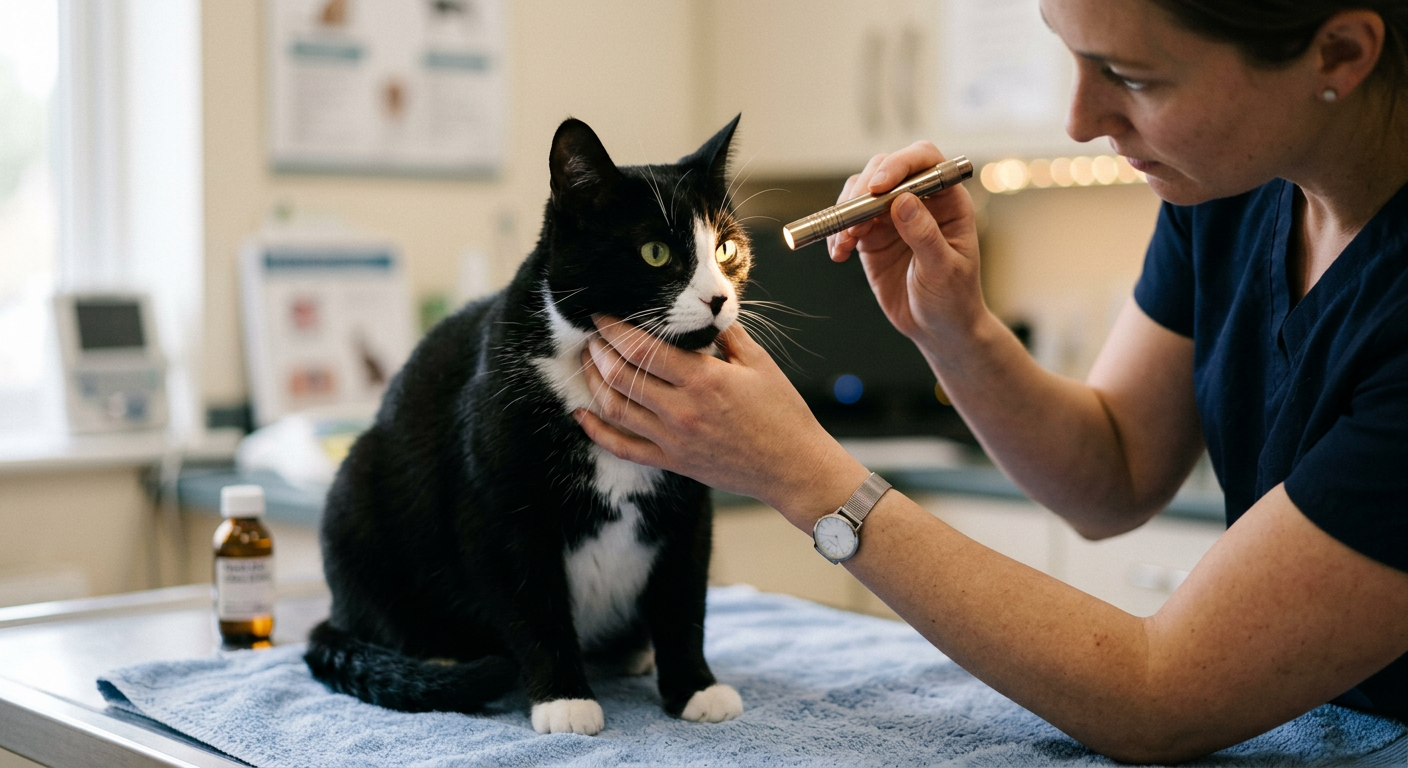
Common Environmental Causes for Squinting
Sometimes the answer to why does my cat squint one eye while awake is as simple as a minor environmental irritant. Cats are curious explorers, often putting their faces into dusty corners or tall grass. A small speck of dust, a stray hair, or even a tiny piece of plant matter can become trapped under the eyelid, causing the cat to blink or squint to try and dislodge it.
Household products can also play a role in eye sensitivity. Strong perfumes, cleaning chemicals, or aerosol sprays may irritate the delicate surface of the eye. If your cat starts squinting shortly after you have finished cleaning or light a scented candle, the two events may be linked. Ensuring good ventilation and using pet-safe products can help maintain their comfort.
Allergies and Sensitivities
Just like humans, cats can suffer from seasonal or environmental allergies. Pollen, mold, or dust mites can cause the conjunctiva—the pink tissue around the eye—to become inflamed. While allergies usually affect both eyes, it is possible for one eye to react more strongly if it had direct contact with an allergen.
If you notice redness or a clear discharge alongside the squinting, it might be time to look at their environment. Keeping your home dust-free and using HEPA filters can significantly reduce these symptoms. For more tips on managing your pet's environment, check out our Pet Health and Wellness: A Proactive Care Guide.
Understanding Corneal Scratches and Abrasions
One of the most frequent reasons for a sudden squint is a corneal ulcer or scratch. The cornea is the clear, outer layer of the eye, and it is incredibly sensitive. A scratch can happen during a play session with another pet, a run-in with a thorny bush, or even by the cat accidentally scratching their own face.
When the cornea is damaged, the cat will squint to protect the eye from light and air, both of which can cause stinging. You may notice the eye looks slightly cloudy or that the cat is pawing at their face. Because these scratches can progress quickly if bacteria enter the wound, a veterinary visit is essential to ensure proper healing with medicated drops.
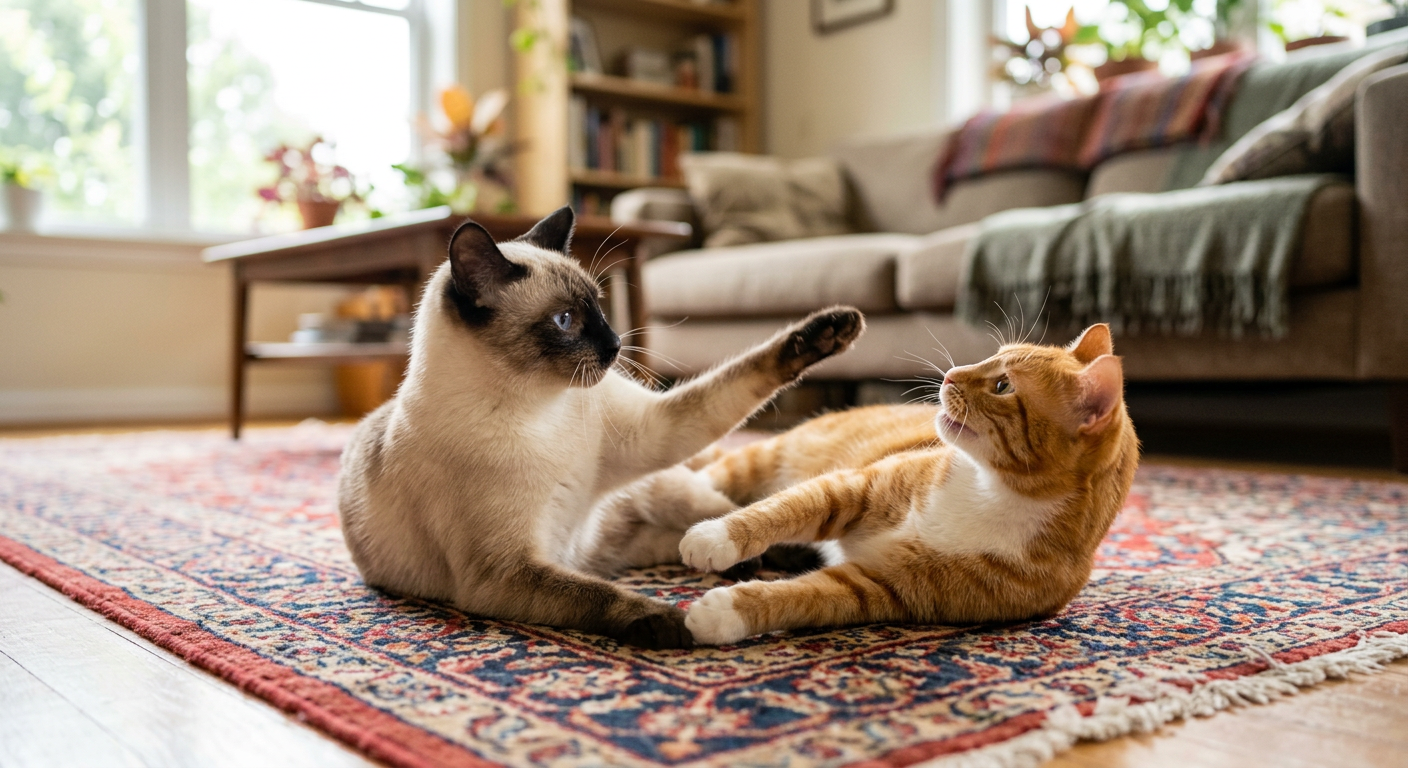
Infectious Reasons for One-Eye Squinting
Infections are a primary wellness consideration for cat owners. When a cat squints one eye, it may be the early stage of a viral or bacterial flare-up. Feline Herpesvirus-1 (FHV-1) is a common culprit that can stay dormant in a cat's system and emerge during times of stress, often affecting just one eye initially with squinting and discharge.
Conjunctivitis, also known as "pink eye," is another frequent issue. This is an inflammation of the lining of the eyelids and can be caused by bacteria like Chlamydia or Mycoplasma. While it often spreads to both eyes, it frequently starts in just one, leading to that characteristic lopsided squint.
- Viral Flare-ups: Often triggered by stress or changes in the home.
- Bacterial Infections: May cause yellow or green discharge.
- Uveitis: Inflammation inside the eye that requires professional diagnosis.
Maintaining a low-stress environment and a high-quality diet can help support your cat's immune system against these issues. To learn more about how your pet's internal health reflects in their behavior, visit our post on Mental Health Signs in Dogs and Cats.
Proactive Ocular Care for Different Breeds
The shape of a cat's face can influence how often they experience eye issues. Brachycephalic (flat-faced) breeds like the Persian or British Shorthair have shallower eye sockets and more prominent eyes, making them more prone to irritation and tear duct issues. Owners of these breeds should be particularly observant of any changes in eye symmetry.
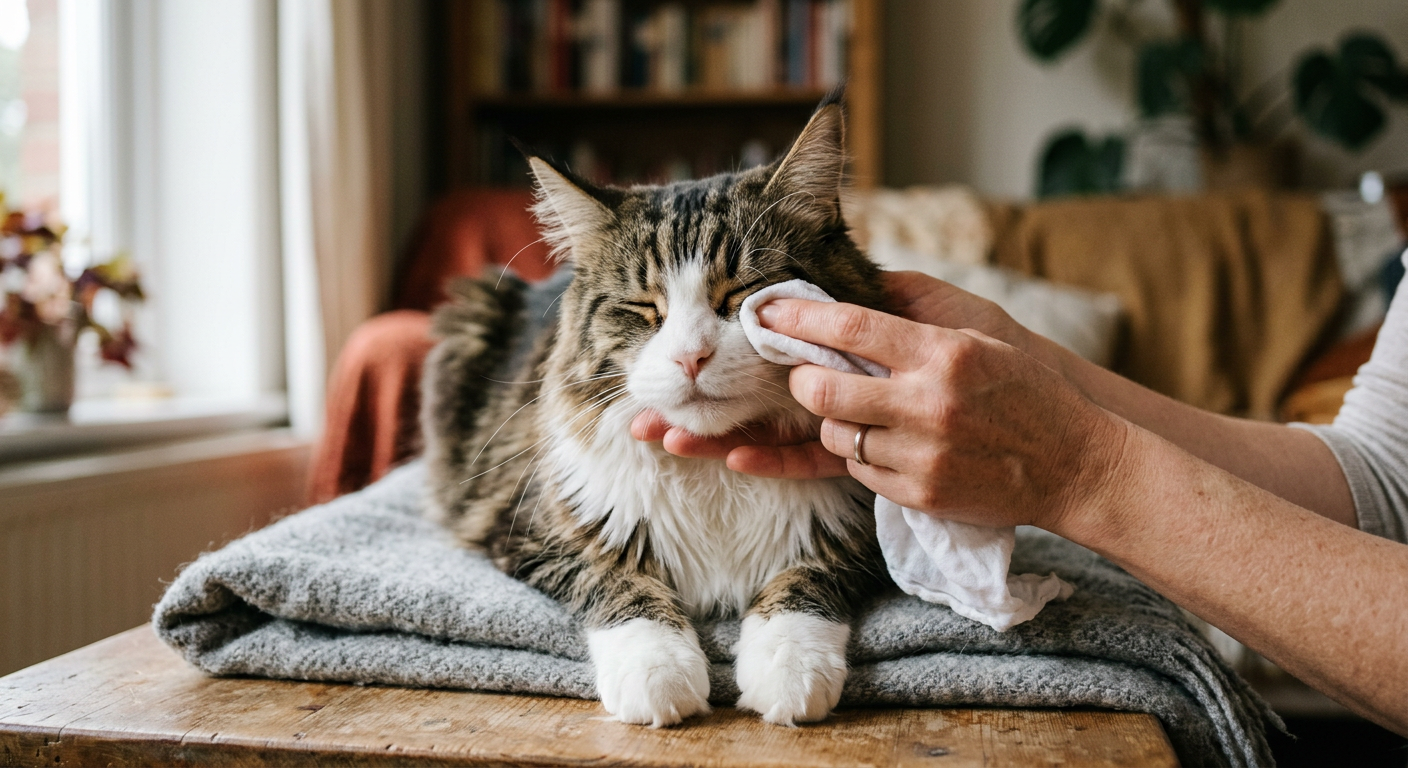
If you own a breed known for specific health traits, like a Maine Coon or a British Shorthair, staying ahead of their wellness needs is key. Regularly wiping the corners of their eyes with a damp, soft cloth can prevent the buildup of discharge that might lead to skin irritation or secondary infections.
When to Consult a Veterinarian
While a brief squint from a stray hair might resolve on its own, persistent squinting should never be ignored. The eye is a delicate organ, and many conditions can worsen rapidly without professional intervention. You should seek veterinary advice if you notice the following:
- The squinting lasts for more than 24 hours.
- There is significant cloudiness or a change in eye color.
- The cat is lethargic or has a reduced appetite.
- There is thick, colored discharge (yellow or green).
- The cat is constantly pawing or rubbing at the eye.
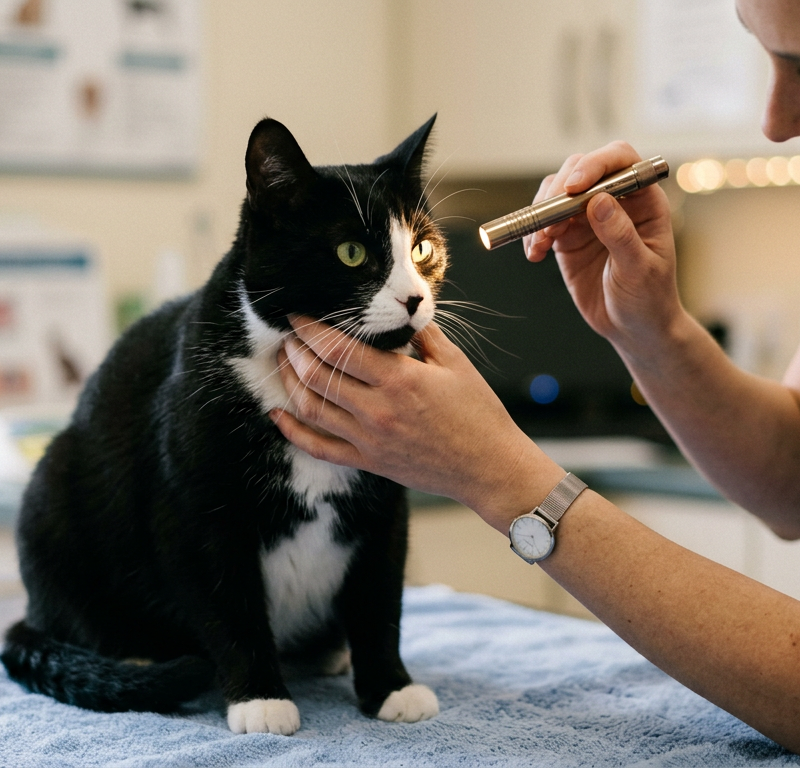
Your veterinarian can perform a fluorescein stain test to look for hidden scratches or use a tonometer to check the internal pressure of the eye. These simple tests provide peace of mind and ensure your cat receives the right treatment, whether it be antibiotics, anti-inflammatories, or simply a thorough flushing of the eye.
Conclusion
Identifying why does my cat squint one eye while awake is the first step in ensuring your feline friend remains comfortable and healthy. From simple dust particles to minor scratches or viral flare-ups, a squint is your cat's way of communicating that their eye needs a little extra attention. By staying observant and acting quickly when you notice changes, you play a vital role in their long-term vision and happiness. Always remember that when it comes to the eyes, a quick professional check-up is the best way to keep those bright eyes clear and pain-free.