It can be a bit puzzling when you notice your furry friend focusing intently on one specific spot. You might find yourself asking, "why does my dog keep licking the same paw?" While occasional grooming is perfectly normal for dogs, repetitive or obsessive licking of a single foot usually signals that something specific is going on with their wellness.
Understanding this behavior requires a bit of detective work. Because dogs explore the world with their paws, they are prone to minor irritations that we might not notice at first glance. By paying close attention to when and how they lick, you can help your veterinarian determine the best path forward for your pet's comfort.
Common Physical Causes for Paw Licking
The most frequent reason a dog focuses on one paw is a direct physical stimulus. Just like we might rub a sore thumb, dogs use their mouths to soothe areas that feel unusual or uncomfortable. Identifying the source of the discomfort is the first step in proactive care.
Environmental Irritants and Allergies
Allergies are a leading cause of pododermatitis, which is the medical term for skin inflammation on the paw. If your dog has been walking through freshly cut grass, treated lawns, or salty sidewalks in winter, they may be experiencing contact dermatitis. You can learn more about managing these types of conditions in our Pet Health and Wellness: A Proactive Care Guide.
Food sensitivities can also manifest as itchy paws. When a dog has a systemic allergic reaction, the histamine release often causes the extremities to feel itchy or "tingly." If you suspect their diet is the culprit, it may be time for understanding pet nutrition labels to identify potential triggers.
Injuries and Foreign Objects
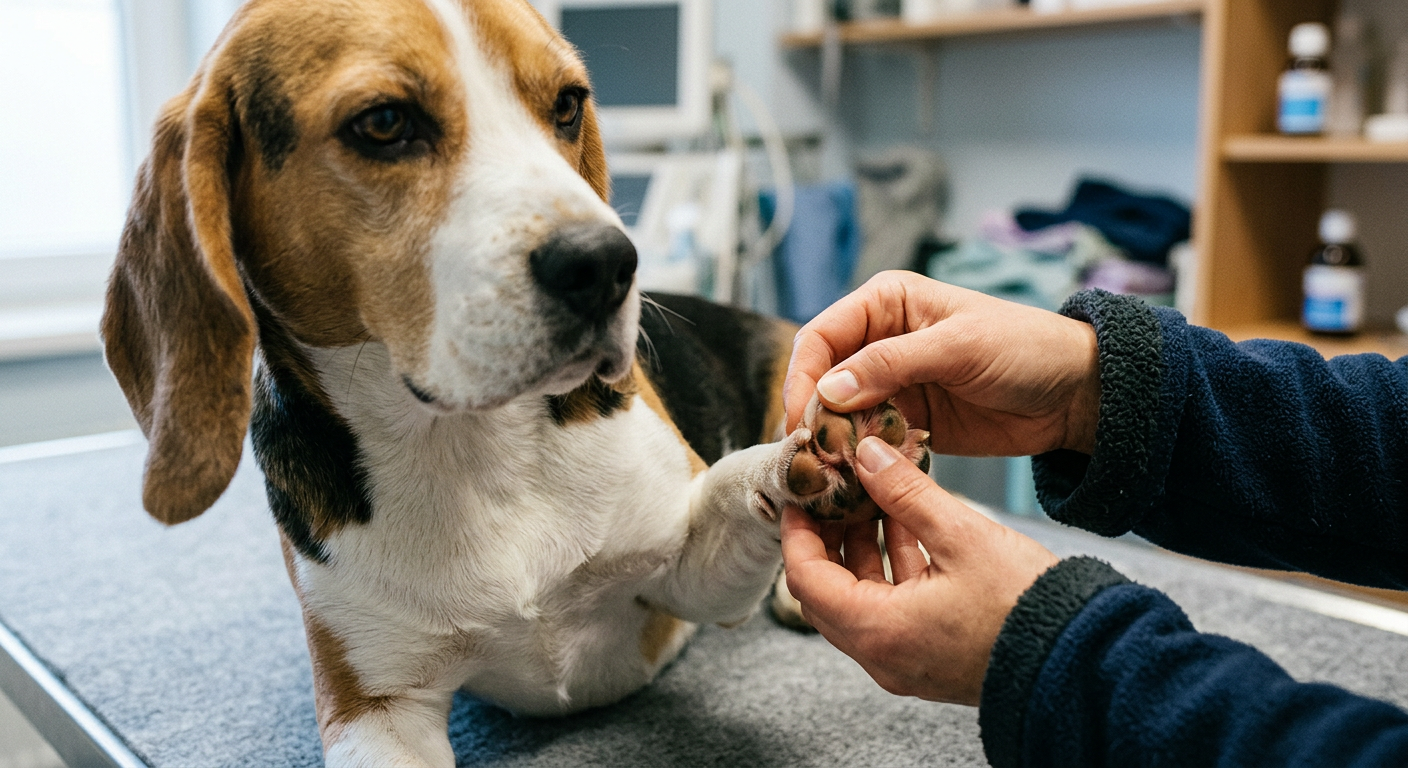
Sometimes the answer to why does my dog keep licking the same paw is as simple as something being stuck. Burrs, small pebbles, or even a tiny piece of glass can lodge between the toes or in the paw pad. Check for cracked pads or torn nails, which can be quite sensitive.
Insect bites or stings are another possibility. A bee sting or a spider bite on a single paw will cause localized swelling and itching, leading to focused licking. Always check between the webbing of the toes, as this is a common hiding spot for irritants.
The Role of Joint and Internal Discomfort
It is important to remember that the licking might not be about the skin at all. Sometimes, dogs lick the skin over a joint that feels stiff or achy. This is particularly common in older pets who may be experiencing age-related changes in their mobility.
Referred Pain and Arthritis
If your dog is licking a front paw near the wrist (carpus), they might be trying to soothe internal discomfort. Large breeds are especially prone to joint sensitivities as they mature. If you have a larger dog, you might want to check a Great Dane age calculator or a Doberman Pinscher age calculator to see if they are entering their senior years.
Licking releases endorphins in a dog's brain, which acts as a natural, mild pain reliever. If the licking is accompanied by a slight limp or difficulty getting up after a nap, it is a strong indicator that the issue is musculoskeletal rather than dermatological.
Psychological and Behavioral Factors
If a veterinarian has ruled out physical injury or allergies, the behavior might be rooted in the dog's emotional state. Repetitive behaviors often serve as a coping mechanism for stress or lack of stimulation.
Boredom and Lack of Stimulation
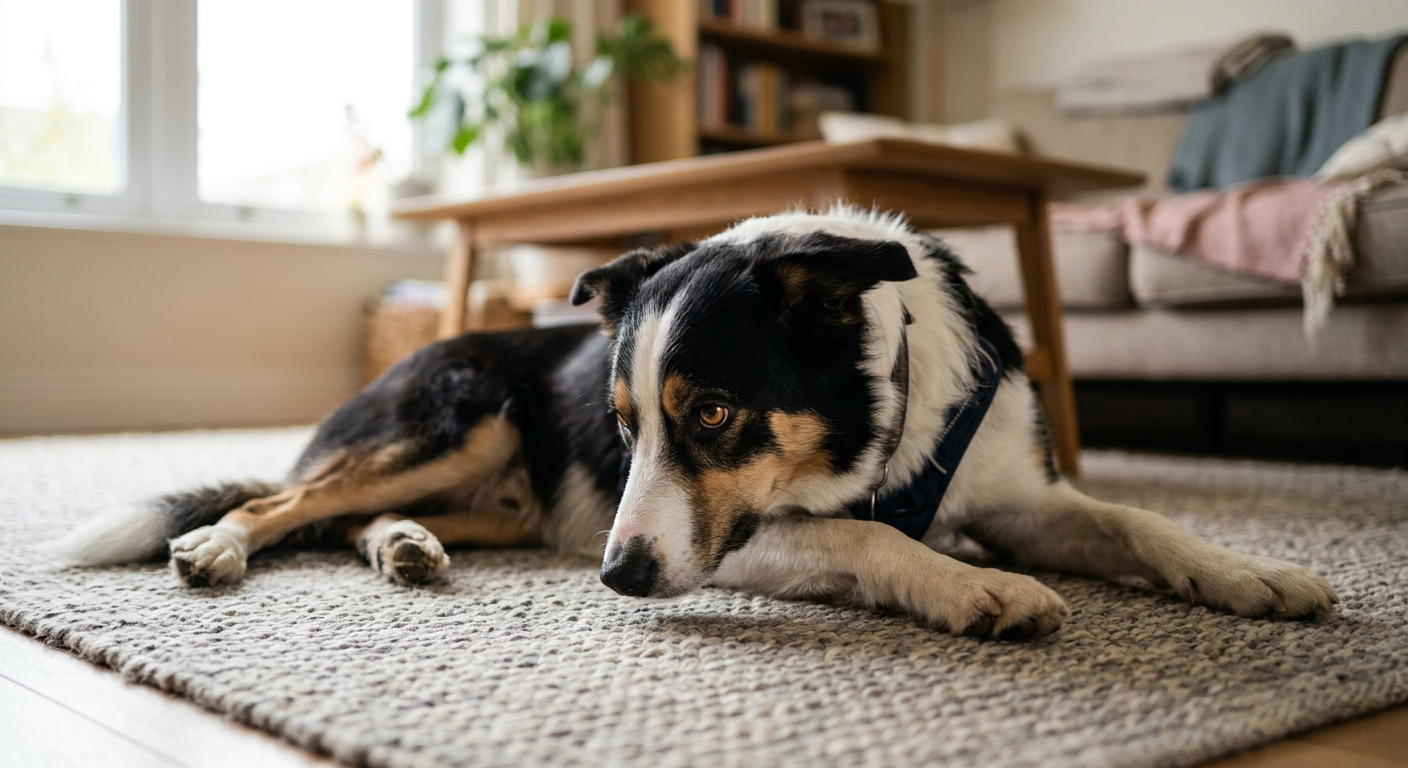
Dogs are active creatures that need mental and physical outlets. When a dog doesn't have enough to do, they may turn to their own body for "entertainment." This can quickly become a habit that is hard to break. Ensuring your pet gets enough movement is key; you can follow our exercise guidelines by breed and age to ensure they are staying busy.
Anxiety and Stress
Changes in the household, such as a new pet, a move, or a change in work schedules, can trigger anxiety. Licking is a self-soothing behavior, much like a human biting their nails. Over time, this can lead to an "acral lick granuloma," a firm, raised area caused by chronic licking. For more on spotting these behaviors, see our guide on mental health signs in dogs and cats.
How to Inspect Your Dog's Paw Safely
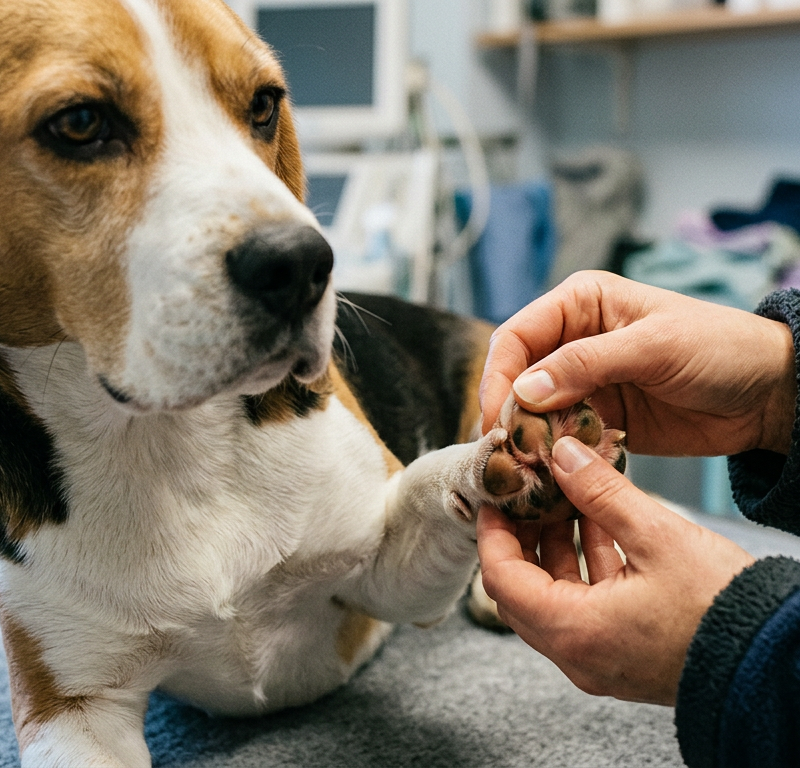
If you notice your pup won't stop cleaning their foot, perform a gentle home inspection. Use a calm voice and offer treats to make the experience positive. Here is a quick checklist for your inspection:
- Check between toes: Look for redness, swelling, or hidden debris like grass seeds.
- Inspect the pads: Look for cuts, blisters, or areas where the skin looks thin or raw.
- Check the nails: Look for cracks, splits, or signs of an ingrown nail.
- Smell the paw: A "frito-like" or musty smell can sometimes indicate a yeast imbalance, which is common in moist environments.
- Feel for heat: Compare the temperature of the licked paw to the others; significant heat can indicate inflammation.
When to Consult a Veterinarian
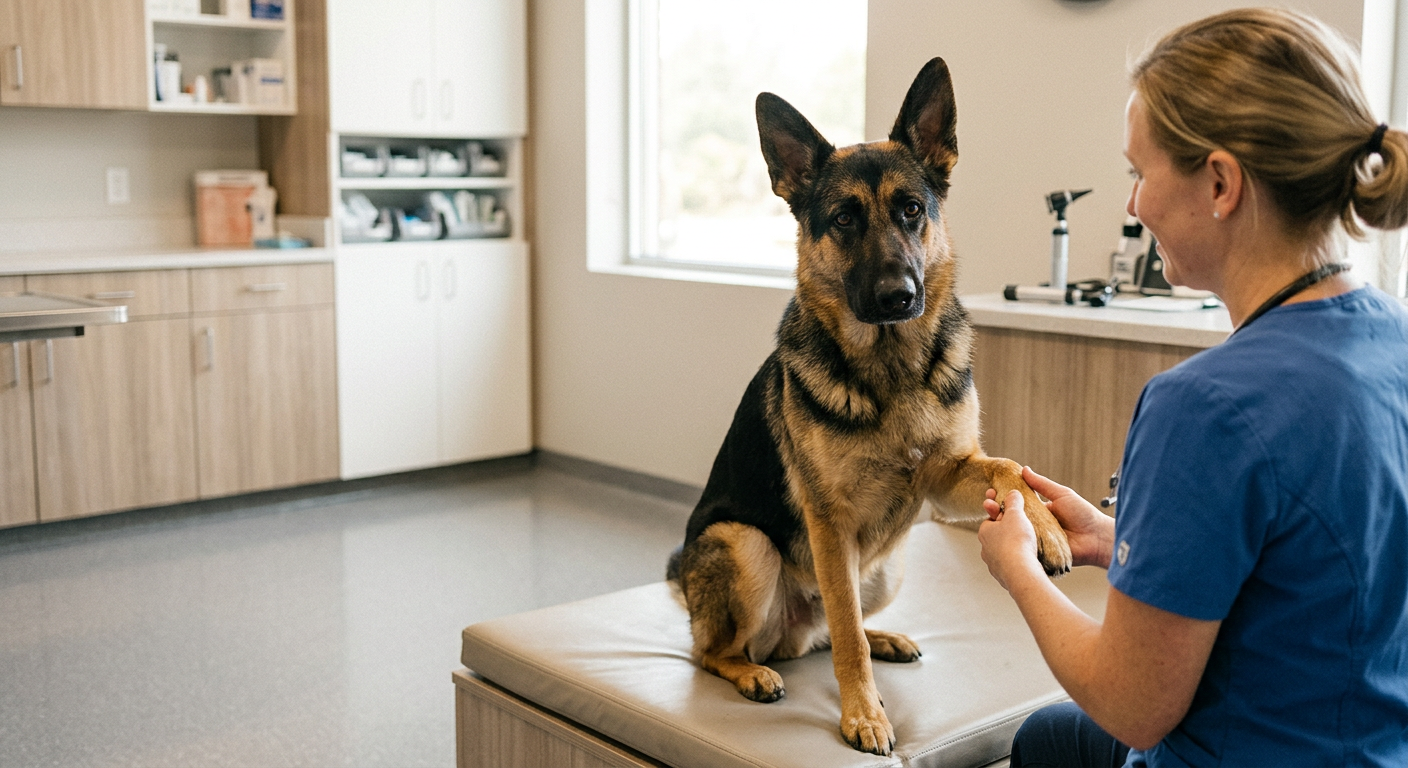
While a little licking isn't always a cause for concern, you should reach out to your veterinarian if you notice any of the following:
- The skin is broken, bleeding, or oozing.
- The dog is limping or favoring the leg.
- The licking is preventing the dog from sleeping or eating.
- The area has become hairless or thickened.
- The dog becomes protective or growls when you try to touch the paw.
Your vet may recommend a variety of approaches, from topical soothing creams and hypoallergenic diets to increased environmental enrichment. In some cases, a protective bootie or a temporary recovery collar might be used to give the skin time to heal without further irritation.
Conclusion
Determining why does my dog keep licking the same paw is the first step toward ensuring your companion feels their best. Whether the cause is a stubborn blade of grass, a seasonal allergy, or a bit of underlying stress, your proactive attention makes a world of difference. By staying observant and working closely with your veterinarian, you can help your pet get back to their happy, comfortable self.