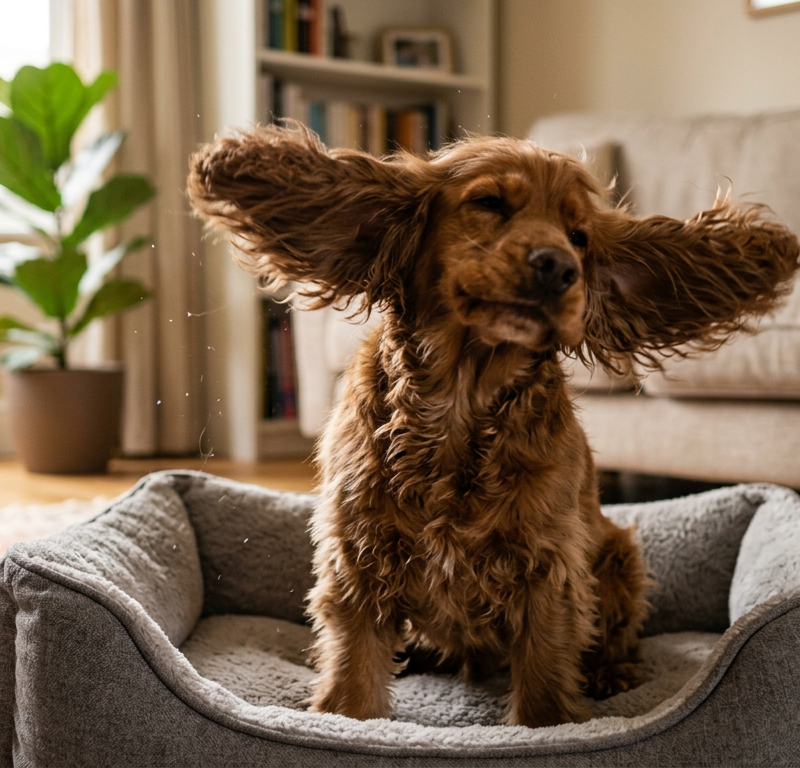
It is a quiet afternoon, and your furry friend is drifting between dreams. Suddenly, they sit up, give their head a vigorous wobble, and then flop back down into a deep slumber. You might find yourself wondering, why does my dog shake their head between naps? While this behavior is often just a normal part of waking up, it can sometimes be a subtle signal about their ear health or comfort levels.
Head shaking is a natural canine reflex designed to remove irritants from the ear canal. Just as we might rub our eyes or stretch after waking, dogs use this motion to "reset" their equilibrium or clear out debris. Understanding the nuances of this behavior helps you stay proactive about your pet's wellness and ensures they stay comfortable during their downtime.
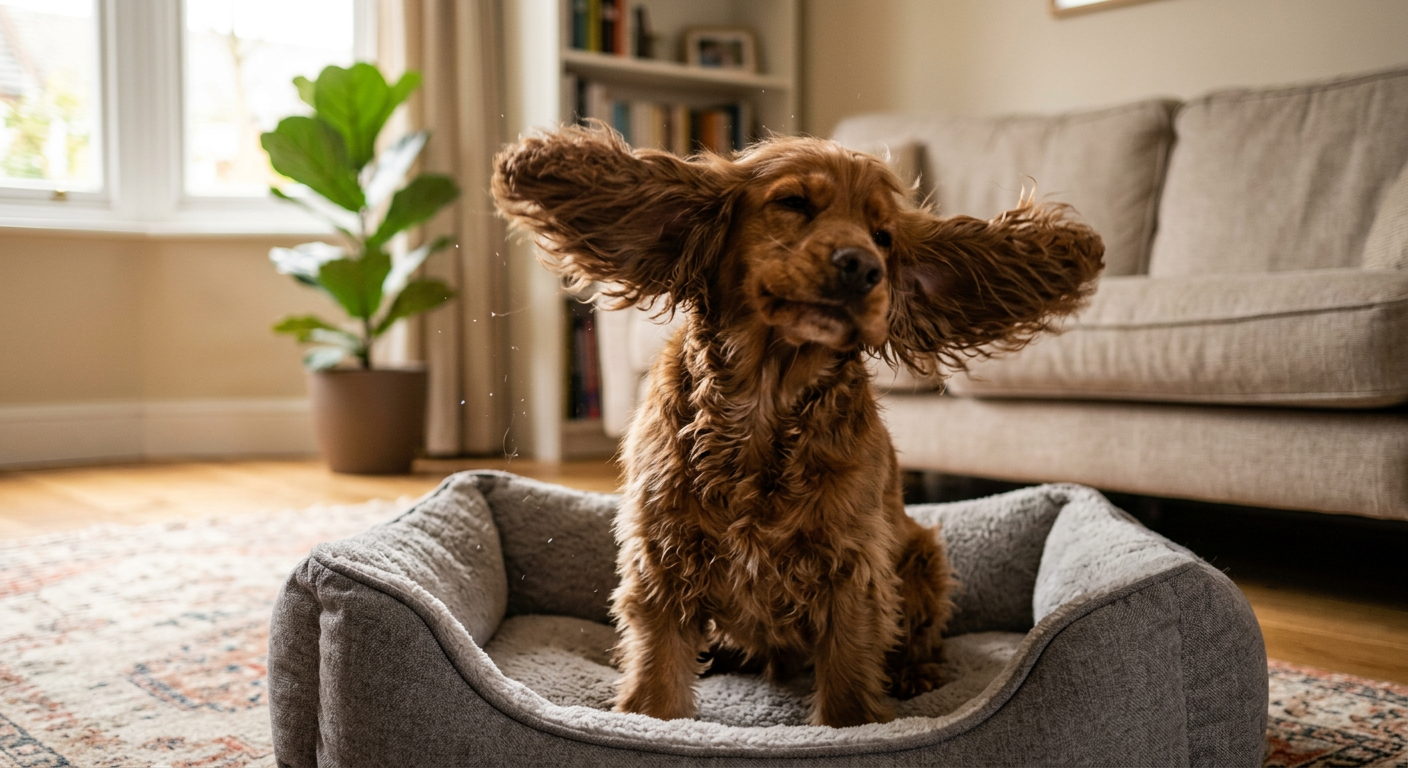
The Mechanics of Why Does My Dog Shake Their Head Between Naps
When a dog shakes their head after waking, they are often reacting to a physical sensation that occurred while they were still. During sleep, wax, moisture, or even a stray hair can settle deeper into the ear canal. The sudden movement upon waking is an instinctive way to shift these materials and relieve any mild itching or pressure.
In most cases, a single shake followed by a long stretch is perfectly normal. It acts as a physical "wake-up call" for their vestibular system, which helps them regain their balance after lying in one position for an extended period. If your dog seems bright-eyed and goes right back to resting, there is usually no cause for concern.
However, if the shaking becomes repetitive or is accompanied by scratching, it might be time to look closer. For breeds with long, heavy ears like the Cavalier King Charles Spaniel, moisture can easily become trapped, leading to a more frequent need to shake. Monitoring these patterns is a key part of proactive pet care.
Normal Reset vs. Health Consideration
Distinguishing between a routine "wake-up shake" and a health-related issue is important for every pet parent. A normal shake is usually brief, effective, and infrequent. You will notice your dog performs the action, looks satisfied, and continues with their day or returns to sleep without further fuss.
On the other hand, if you notice your dog shaking their head multiple times within a few minutes, or if they tilt their head to one side while resting, it could indicate a minor irritation. Chronic head shaking can occasionally lead to aural hematomas—small pockets of blood within the ear flap—so keeping an eye on the frequency is always a good idea.
Common Reasons for Head Shaking After Sleeping
There are several reasons why a dog might feel the urge to flap their ears between periods of rest. Some are environmental, while others are related to their unique anatomy. By identifying these triggers, you can help minimize discomfort and keep their ears clean and healthy.
- Ear Wax Buildup: Just like humans, dogs produce cerumen (ear wax). When a dog lies on one side, this wax can shift or pool, causing a tickling sensation when they eventually move.
- Trapped Moisture: If your dog recently had a bath or went for a swim, water can remain in the L-shaped ear canal. The warmth of a nap can make this moisture feel more apparent, leading to a shake upon waking.
- Allergies: Environmental allergens like dust mites or pollen can cause inflammation in the ear lining, making the ears feel itchy as the dog rouses from sleep.
- Foreign Objects: Occasionally, a small piece of grass or a "foxtail" seed can find its way into the ear, creating a persistent tickle that is most noticeable when the dog changes positions.
When to Consult a Veterinarian
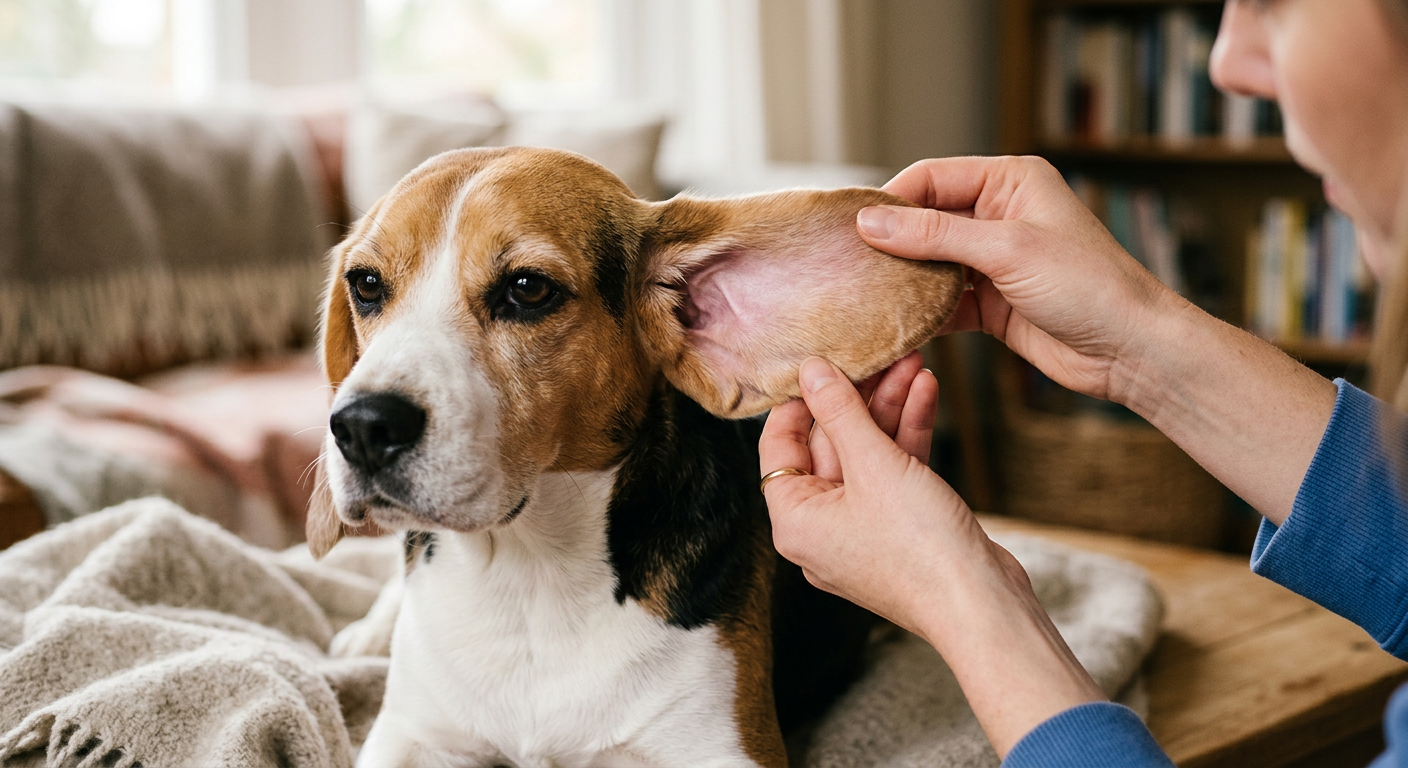
While the occasional shake is nothing to worry about, certain signs suggest a visit to the veterinarian is in order. Ear infections, also known as otitis externa, are common in dogs and are much easier to manage when caught early. If you notice a "yeasty" or sweet smell coming from the ears, or if the inner ear flap looks red and angry, professional guidance is the best path forward.
Another sign to watch for is discharge. Healthy ears should be relatively clean and dry. If you see dark, coffee-ground-like debris or yellow discharge, your dog may be dealing with ear mites or a bacterial imbalance. A vet can perform a quick swab to determine the exact cause and provide the right soothing drops or cleansers.
It is also helpful to consider your dog's breed and age. For example, a French Bulldog vs Poodle comparison shows very different ear structures; the Poodle's hairy ear canals may require more frequent cleaning than the Frenchie's open, upright ears. You can check your pet's specific needs using an age calculator to see how their wellness requirements change over time.
Preventative Ear Care Tips
Maintaining ear health is a vital component of a happy life for your dog. Simple, regular maintenance can significantly reduce the frequency of head shaking and prevent minor irritations from becoming larger issues. Start by gently checking your dog's ears once a week during a calm moment.
If your dog has hairy ears, talk to your groomer about whether "plucking" or trimming the hair is appropriate for your specific pet. Excessive hair can trap moisture and wax, contributing to that itchy feeling between naps. Additionally, using a vet-recommended ear cleaner after swimming can help dry out the canal and keep the environment balanced.
The Role of Diet and Environment
Believe it or not, what your dog eats can affect their ear health. Food sensitivities often manifest as skin irritation, specifically in the ears and paws. If you suspect your dog's head shaking is related to itching, reviewing nutrition labels can help you identify potential triggers like specific proteins or fillers.
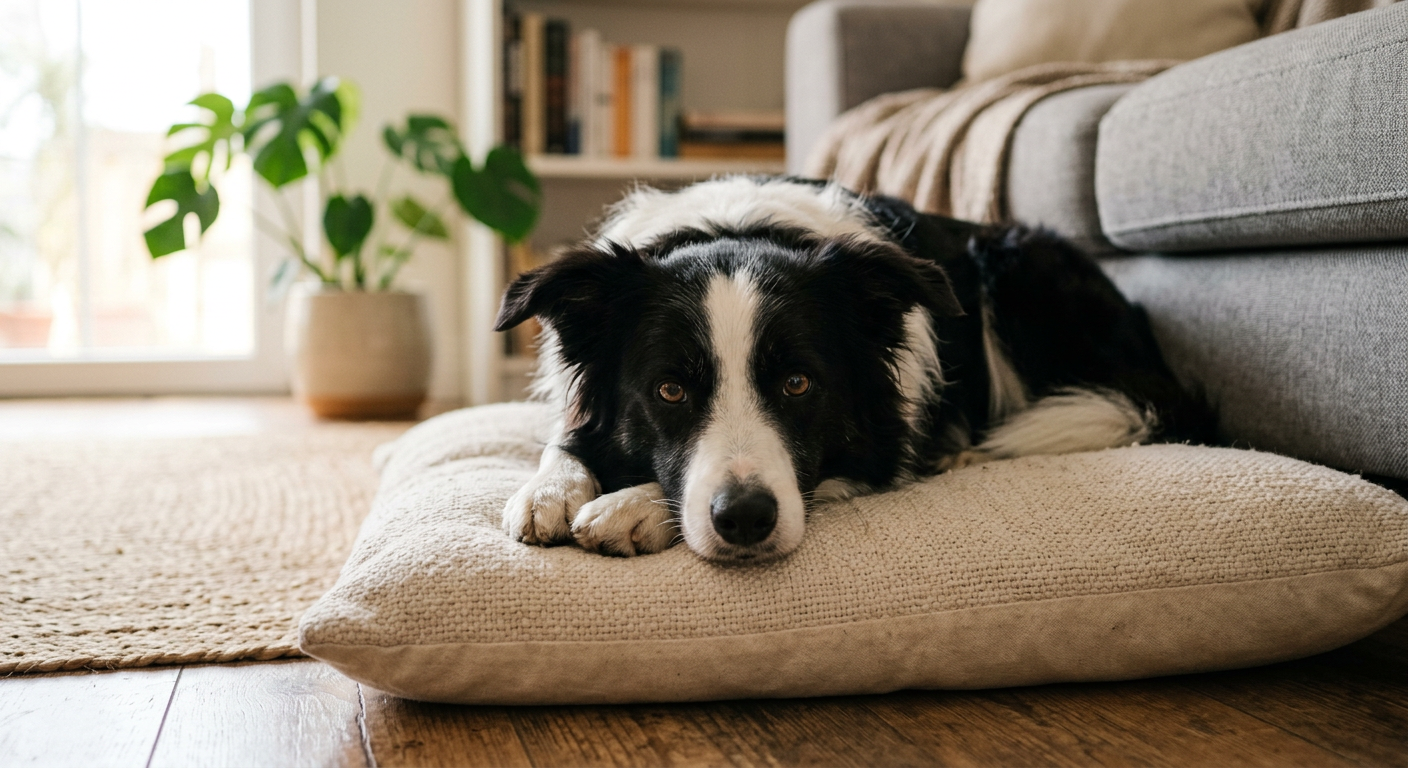
Keeping your home environment clean also helps. Regularly washing your dog's bedding can reduce the presence of dust mites, which are a common cause of nighttime and post-nap ear itching. A clean sleeping area leads to a more restful sleep and fewer reasons for your dog to wake up feeling uncomfortable.
Conclusion
So, why does my dog shake their head between naps? In most instances, it is a simple physical adjustment to clear the ears and wake up the senses. By staying observant and practicing regular ear hygiene, you can ensure this quirky behavior remains nothing more than a part of their daily routine. If you ever feel concerned about the frequency or intensity of the shaking, your veterinarian is always the best resource to ensure your companion stays in tip-top shape.