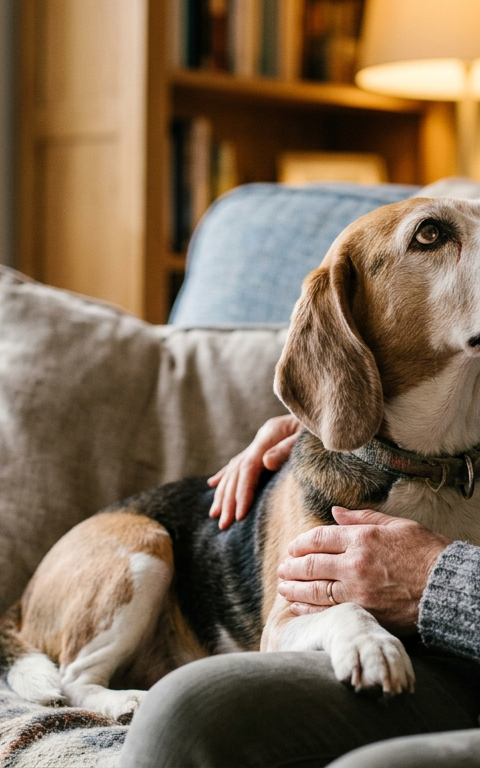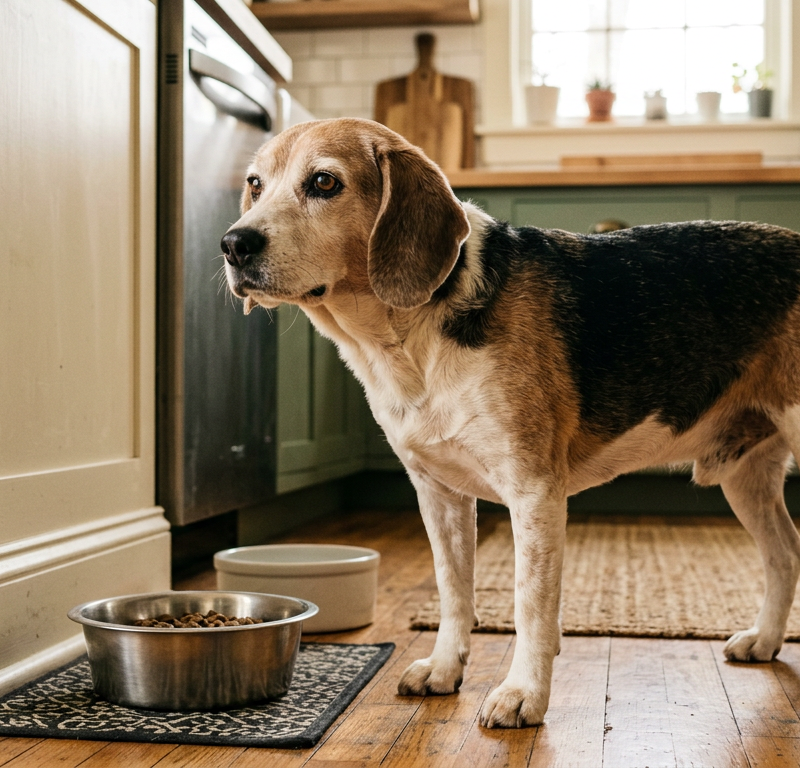
Watching your loyal companion enter their golden years is a rewarding experience, but it often comes with new observations about their physical condition. One of the most common questions pet parents ask is, "Why is my senior dog losing weight despite eating?" This situation can feel confusing, especially when your dog seems to have a hearty appetite but continues to look thinner over time.
Weight changes in older dogs are frequently subtle at first. You might notice their ribs becoming more prominent or their waist tucking in more than usual. Understanding the biological shifts that occur during aging can help you provide the best possible care for your senior friend.
Natural Metabolic Shifts in Aging Dogs
As dogs age, their bodies process nutrients differently than they did during their puppyhood or adult years. Even if the bowl is licked clean every day, the way those calories are utilized changes. A senior dog's metabolism may actually slow down, yet their ability to absorb specific nutrients can decrease simultaneously.
Changes in Digestive Efficiency
In many older canines, the digestive tract becomes less efficient at breaking down proteins and fats. This means that while the food goes in, the essential building blocks for muscle and energy aren't always making it into the bloodstream. This is a common factor when a senior dog is losing weight despite eating well.
Protein is particularly vital for seniors to maintain their physical structure. If their diet isn't optimized for an aging digestive system, they may begin to drop pounds. You can check how your pet's age compares to human years using our Golden Retriever age calculator to better understand their current life stage needs.
Muscle Loss Versus Fat Loss
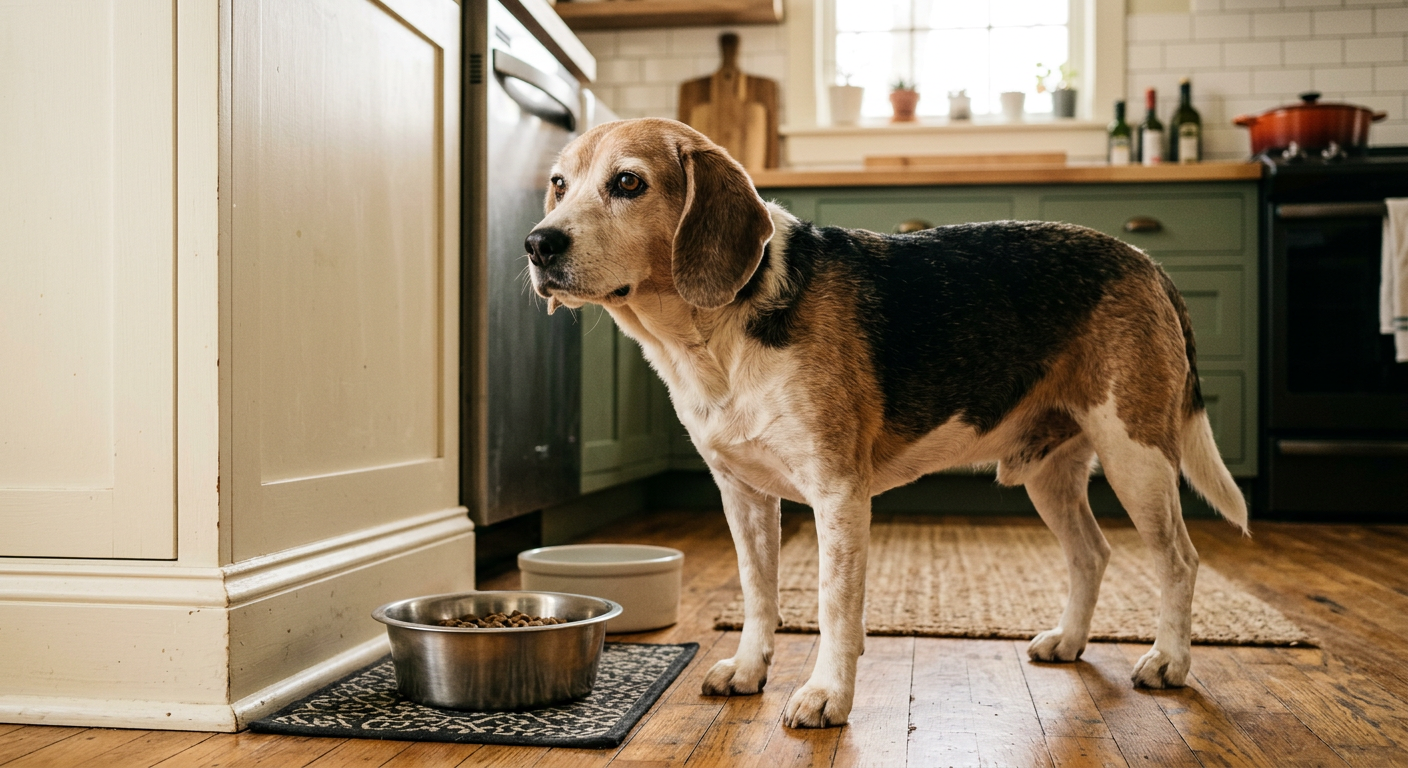
It is important to distinguish between losing body fat and losing lean muscle mass. Many elderly dogs experience sarcopenia, which is the age-related loss of muscle tissue. This can occur even if the dog is consuming a regular amount of calories.
Identifying Sarcopenia
You might notice your dog's hips looking "bony" or their spine becoming more visible, which is often related to old dog losing muscle mass in back legs. When muscle disappears, the dog may appear to be getting thinner overall, even if their body fat percentage remains relatively stable. This loss of tone can affect their mobility and strength.
The Role of Exercise
While an older dog may not be sprinting after tennis balls like they once did, gentle movement is essential for maintaining muscle. Without consistent, low-impact activity, the body naturally begins to shed muscle tissue. Incorporating short, frequent walks can support their physical frame as they age.
Common Wellness Considerations for Weight Loss
When a dog maintains a strong appetite but loses weight, veterinarians often look at how the body is using (or losing) energy. Several manageable conditions can cause the body to burn through calories faster than they can be replaced. Seeking professional advice is the best way to determine the root cause.
- Metabolic conditions like diabetes or thyroid imbalances.
- Gastrointestinal issues that interfere with nutrient absorption.
- Internal organ functions that require more energy to maintain.
- Dental discomfort that changes how efficiently they chew their food.
Dental Health and Caloric Intake
Sometimes, a dog wants to eat but finds the process difficult. Dental issues can lead to "messy eating," where it looks like they finished their meal, but a significant portion was dropped or not chewed properly. Proper chewing is the first step in healthy digestion, so regular dental checkups are a key part of senior wellness.
Nutritional Adjustments for Senior Dogs
If your senior pet is losing weight while eating, their current diet might simply need an upgrade. Senior-specific formulas are often designed with more "bioavailable" nutrients, meaning they are easier for an aging gut to process. High-quality proteins are the cornerstone of a good senior diet.
Increasing Caloric Density
In some cases, your veterinarian might recommend a more calorie-dense food. This allows the dog to get more energy from a smaller volume of food. This is particularly helpful if your dog also shows signs of senior dog not finishing food anymore occasionally, as every bite needs to count.
The Importance of Hydration
Adequate water intake is vital for digestion. If your dog has changed their drinking habits, such as an old dog drinking a lot of water suddenly, it could be related to how their body is processing their diet. Always ensure fresh water is available to help their system function at its best.
When to Consult Your Veterinarian
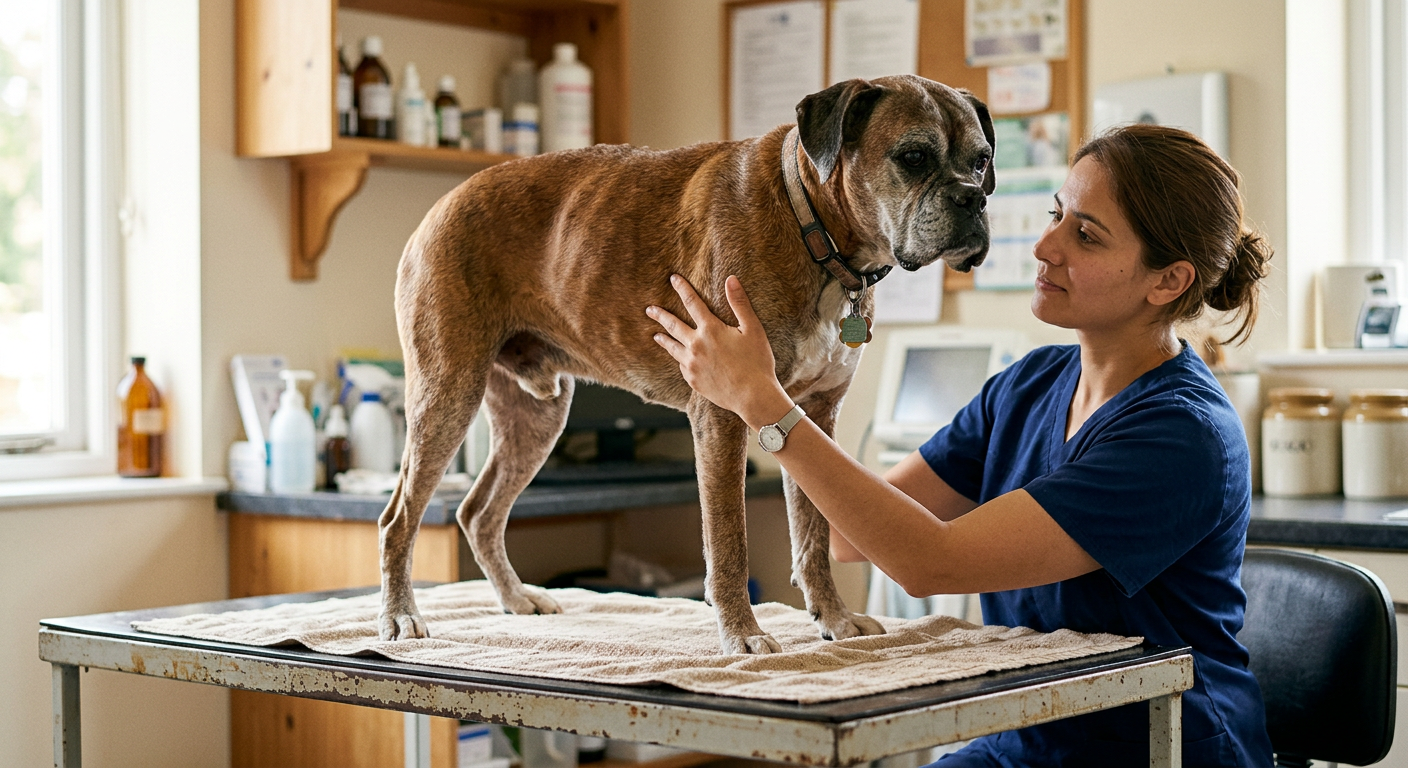
While some weight fluctuation is a normal part of the aging process, significant or rapid weight loss should always be discussed with a professional. A veterinarian can perform a "Senior Wellness Screen," which typically includes blood work and a physical exam to rule out underlying issues.
Tracking Progress at Home
Keep a simple log of your dog’s weight and appetite. Weighing them once every two weeks on a digital scale (if size permits) can provide helpful data for your vet. Note any other changes, like if your senior dog is stumbling when walking, as mobility issues and weight loss sometimes go hand-in-hand.
Proactive Senior Care
Early detection is the hallmark of proactive senior dog care. By noticing that your dog is getting thinner while eating their usual meals, you are already taking a great first step. Most age-related weight issues can be managed effectively with diet changes, supplements, or specific therapies prescribed by your vet.
Supporting Your Senior Dog through Transitions
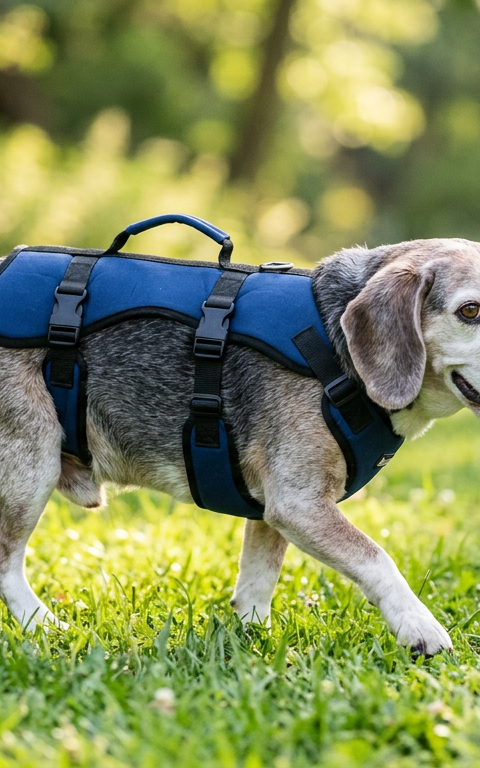
Caring for an older dog is all about making adjustments to keep them comfortable. As their body changes, so must their environment and routine. Whether it is adding a ramp for easier access to the couch or switching to a highly digestible wet food, these small changes make a big difference.
Remember that every dog’s journey into their senior years is unique. Watching for signs like weight loss, even when they seem hungry, helps you stay ahead of their needs. With the right support and nutritional plan, your dog can continue to enjoy a high quality of life well into their sunset years.
Conclusion
Understanding why is my senior dog losing weight despite eating is a vital part of geriatric pet ownership. From shifts in metabolism and muscle loss to changes in how nutrients are absorbed, there are many natural reasons for these physical changes. By staying observant and working closely with your veterinarian, you can ensure your senior companion maintains the strength and energy they need to stay happy and active by your side.