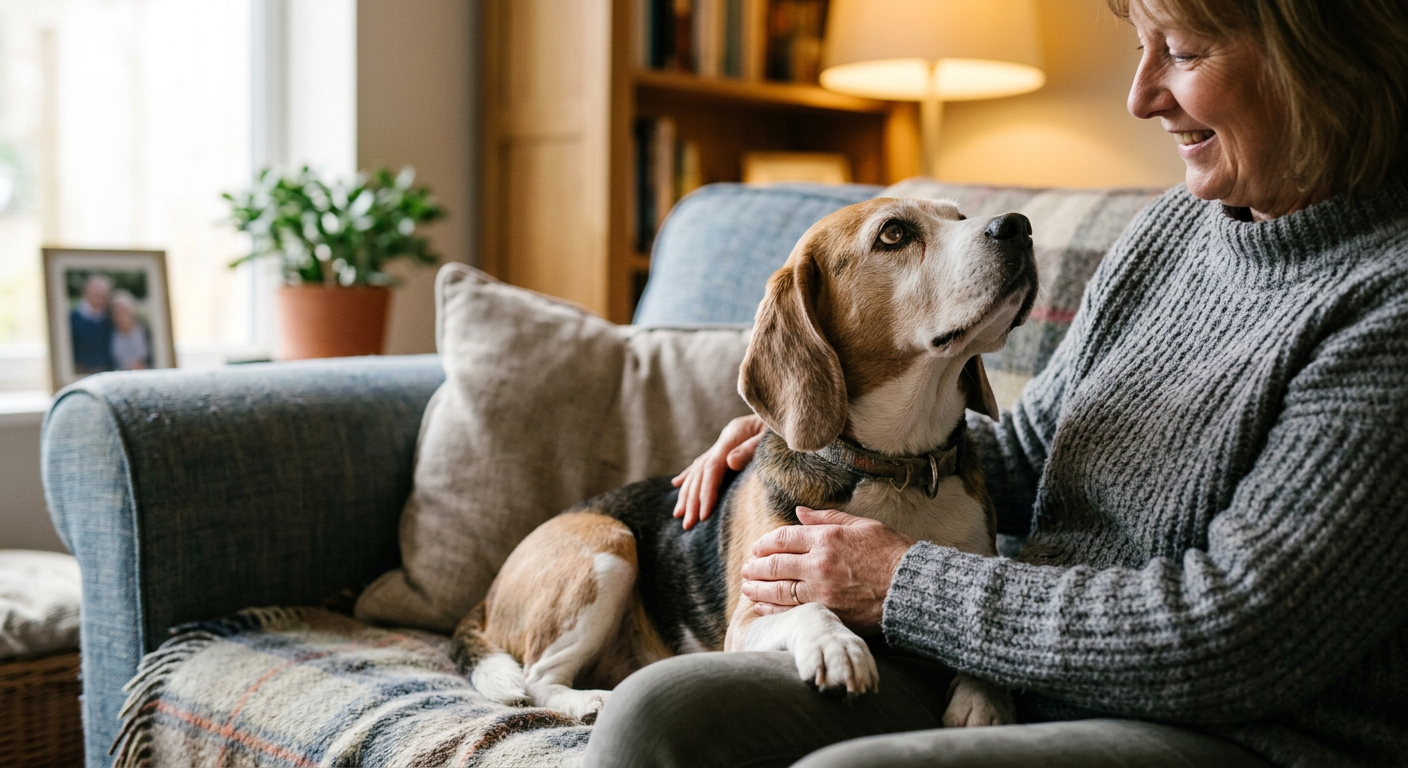
Watching your loyal companion enter their golden years is a beautiful experience, but it often comes with new behaviors that can leave you feeling concerned. You might notice that your senior dog suddenly clingy and anxious seems to follow you from room to room more than they ever did in their youth. This shift in personality is quite common in aging pets and usually signals that they are looking for extra comfort as their world begins to change.
While it can be heartwarming to feel so needed, sudden changes in behavior are often the way our dogs communicate their internal state. When an older pet starts acting like a "velcro dog," it is often a response to physical or cognitive shifts. Understanding the root cause is the first step in ensuring your companion remains happy and secure during their senior years.
Physical Changes and Their Impact on Confidence
As dogs age, their primary senses—sight and hearing—may begin to dull. Imagine how you might feel if the world suddenly became a bit blurrier or quieter. A dog who cannot see as well in the dark or hear your footsteps as clearly might become more dependent on your physical presence to feel safe. This sensory decline is a very common reason for increased attachment.
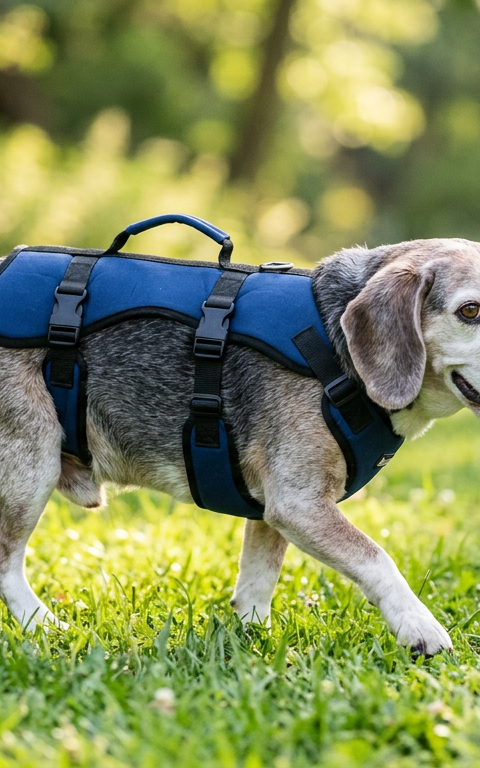
Pain or physical discomfort can also play a significant role. If a pet is dealing with joint stiffness or other age-related wellness considerations, they naturally turn to their trusted human for protection. They feel more vulnerable when they aren't at 100%, and your presence acts as a safety net. If you notice your senior dog stumbling when walking, this physical instability could be the direct trigger for their newfound clinginess.
Cognitive Changes in Aging Dogs
Just like humans, dogs can experience cognitive changes as they grow older. This is sometimes referred to as Canine Cognitive Dysfunction (CCD). One of the hallmark signs of this condition is a change in social interactions, which can manifest as being overly affectionate or distressed when you leave the room.
You might also notice other signs alongside the anxiety, such as pacing or confusion. For example, if you have wondered why does my elderly dog stare into space, these two behaviors often go hand-in-hand. When the mind feels a bit "foggy," your dog looks to you as their North Star to guide them through their daily routine.
Addressing Nighttime Anxiety and Restlessness
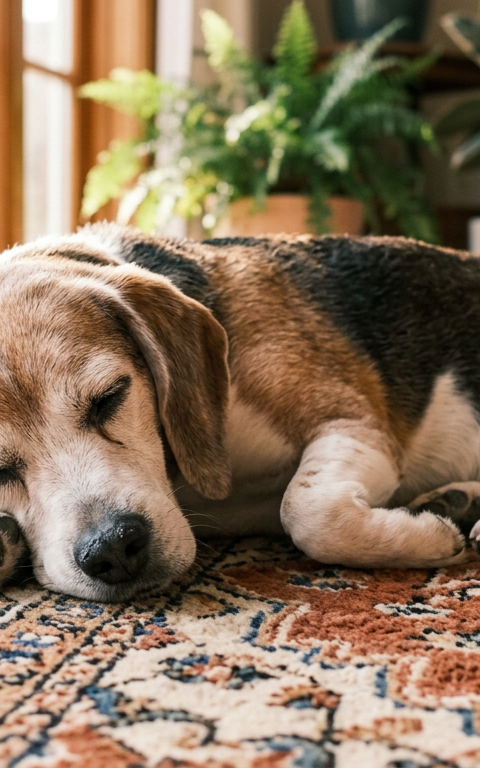
Many owners report that the clinginess intensifies as the sun goes down. This "sundowning" effect can cause an older dog to become restless, vocal, or insistent on being near you at night. The dim light makes it harder for them to navigate, and their internal clock may be slightly off, leading to a disruption in sleep patterns.
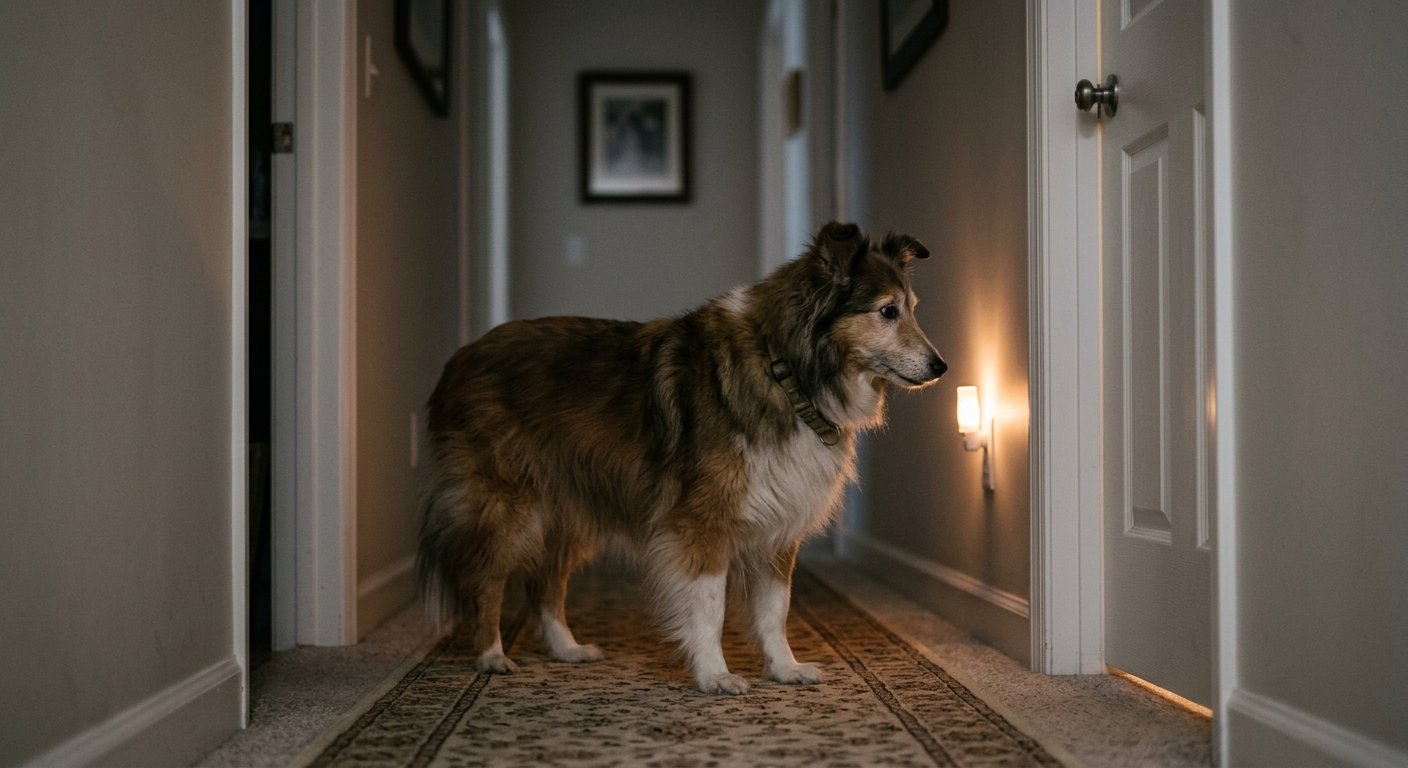
To help with nighttime anxiety, consider the following adjustments to their environment:
- Add nightlights in hallways and near their bed to help with navigation.
- Provide a high-quality orthopedic bed that supports aging joints.
- Keep a consistent bedtime routine to provide a sense of predictability.
- Consider a pheromone diffuser or calming music designed for pets.
Separation Anxiety in Senior Years
Even dogs that were perfectly fine being alone for years can develop separation anxiety in their senior stage. This "late-onset" anxiety happens because their coping mechanisms are stretched thin by other age-related changes. When you pick up your keys or put on your shoes, their stress levels may spike because they feel less equipped to handle the environment without you.
It is helpful to keep departures and arrivals very low-key. If you have a large breed, you might notice this more acutely as they reach their senior milestones. For instance, checking a Great Dane age calculator can help you realize just how quickly these gentle giants reach their senior phase, helping you adjust your expectations for their emotional needs.
Managing the Clinginess
While you want to support your dog, it is also important to encourage independence so they don't become distressed by every minor separation. You can try "graduated departures" where you leave the room for just a few minutes and return before they get anxious. Providing mentally stimulating toys, like food puzzles, can also give them something positive to focus on while you are busy.
When to Consult Your Veterinarian
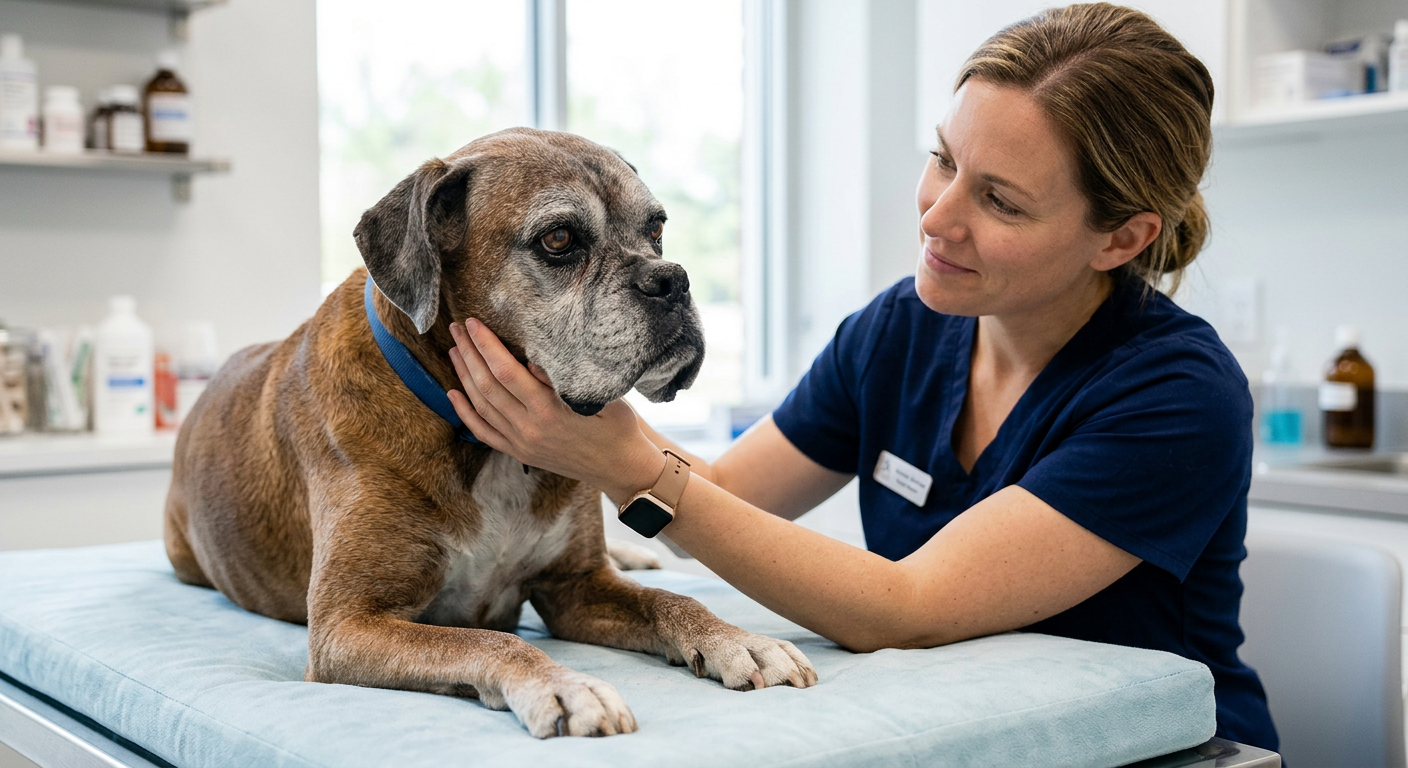
Whenever a behavior change happens "suddenly," it warrants a proactive wellness check with your veterinarian. Clinginess isn't just an emotional state; it can be a symptom of underlying medical issues like urinary tract infections, thyroid imbalances, or dental pain. A professional can help rule out these factors and may suggest supplements or medications to help soothe their anxiety.
Be sure to track any other changes you see. Is your dog also showing a loss of muscle? You can read more about old dog losing muscle mass in back legs to see if physical weakness is contributing to their need to stay close to you. Providing your vet with a full picture of their daily habits will lead to a much better support plan.
Creating a Secure Environment
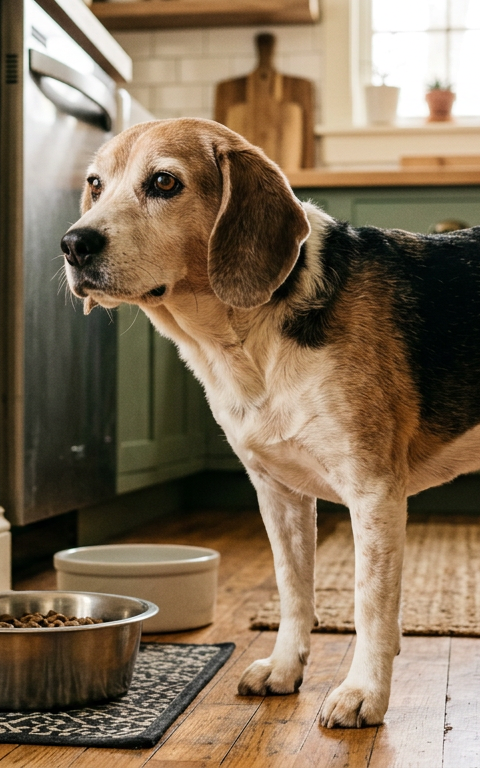
Making small changes to your home can greatly reduce an older dog's stress levels. Non-slip rugs on hardwood floors can help them feel more confident moving around independently. If they know they won't slip, they might not feel the need to lean on you or follow your every step for physical support.
Consistency is the greatest gift you can give an anxious senior. Try to keep meal times, walks, and medications at the same time every day. In a world that is becoming a bit more confusing for them, a predictable schedule is incredibly grounding. If you are curious how your dog's age compares to others, you might look at a Golden Retriever vs Labrador Retriever comparison to see how different breeds navigate the aging process.
The Power of Gentle Reassurance
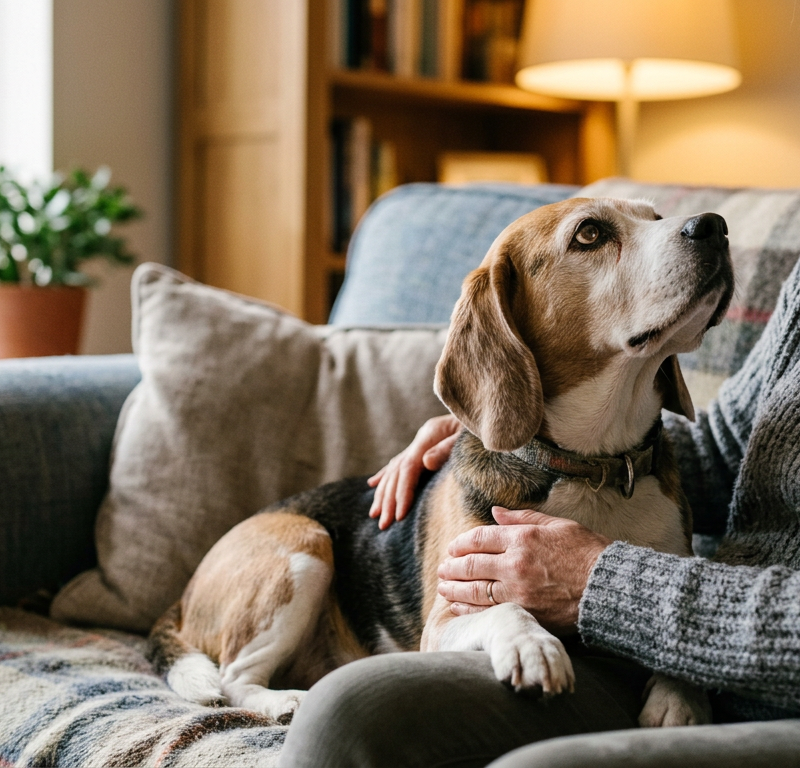
Sometimes, all a senior dog needs is a gentle hand on their head or a soft word. You don't necessarily have to stop what you are doing to provide comfort. Simply acknowledging their presence can lower their cortisol levels. If they are following you, a quick "I'm right here, buddy" can go a long way in settling their nerves.
Conclusion
Discovering that your senior dog suddenly clingy and anxious is a sign that they are entering a new chapter of life that requires a little extra grace. By addressing their physical comfort, managing their environment, and consulting with a vet, you can help them navigate these changes with confidence. Your bond is their greatest source of strength, and with a few adjustments, you can ensure their senior years are filled with peace and security.