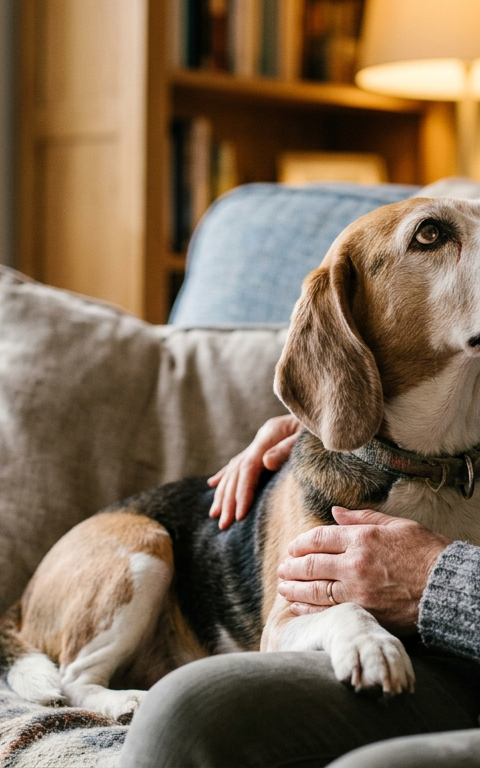
It can be a tender moment for any pet owner when you notice your long-time companion beginning to struggle with their mobility. Seeing an old dog back legs giving out when walking is a common experience for those caring for senior pets, often signaling that your furry friend is entering a new stage of their life. While it may feel concerning, understanding the underlying reasons for these physical changes is the first step in providing proactive care.
Aging is a natural process that affects the musculoskeletal and nervous systems of our dogs. By identifying the signs early and working closely with your veterinarian, you can implement supportive measures to maintain your pet's comfort and quality of life. In this guide, we will explore the common wellness considerations associated with hind limb weakness and how you can help your senior dog stay mobile.
Common Reasons for Hind Leg Weakness in Seniors
When a dog's rear legs begin to collapse or tremble during a stroll, several factors could be at play. Most often, this is not due to a single event but a gradual shift in their physical condition. Many breeds, such as the German Shepherd, are genetically predisposed to certain hip and joint issues that become more apparent in their golden years.
One of the most frequent causes is osteoarthritis. Over years of playing fetch and going for walks, the cartilage that cushions the joints can wear down, leading to discomfort and a reduced range of motion. When the joints feel stiff, a dog may shift their weight awkwardly, leading to their back legs giving out momentarily.
Muscle Atrophy and Nerve Function
Another common consideration is the loss of muscle tone. As dogs age, they naturally become less active, which can lead to old dog losing muscle mass in back legs. Without strong muscles to support the skeletal structure, the legs may feel "rubbery" or weak during exercise.
Neurological changes can also play a role. Conditions like Degenerative Myelopathy (DM) affect the spinal cord, disrupting the communication between the brain and the hind limbs. This often starts as a slight wobble or the scuffing of paws before progressing to more frequent instances of the legs buckling.
Recognizing the Early Signs of Mobility Shifts
Mobility changes rarely happen overnight. Often, there are subtle clues that your dog’s rear strength is waning. You might notice your pet taking longer to stand up after a nap or showing hesitation before climbing a flight of stairs. These are early indicators that their body is requesting a slower pace.
- Scuffing or dragging the back nails on the pavement.
- A "bunny hopping" gait where both back legs move together.
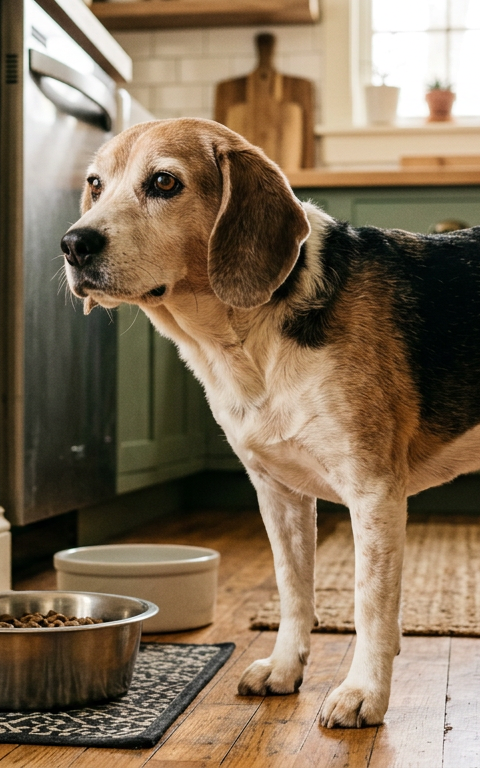
- Trembling in the thighs while standing at the food bowl.
- Reluctance to jump onto the sofa or into the car.
- Loss of balance on slippery surfaces like hardwood or tile.
If you observe a senior dog stumbling when walking normal or not, it is always best to record a short video of the behavior. Showing this to your veterinarian can be incredibly helpful for an accurate assessment, as dogs often experience a surge of adrenaline at the clinic that masks their symptoms.
Environmental Adjustments for Safer Movement
Modifying your home environment is one of the kindest things you can do for an aging dog. Because an old dog back legs giving out when walking can lead to slips and falls, creating a "traction-rich" environment is essential. Large area rugs or rubber yoga mats placed over slippery floors can provide the grip your dog needs to feel confident.
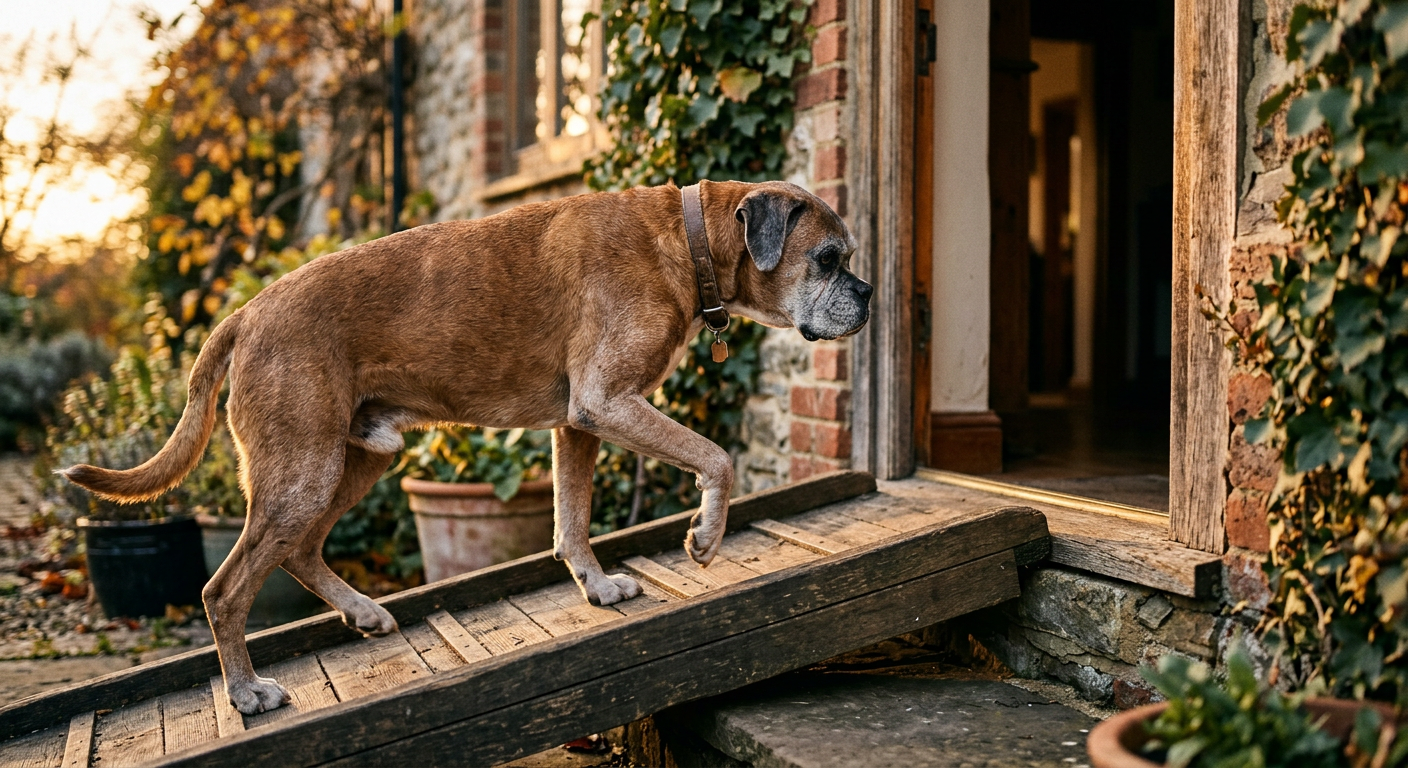
Consider the use of ramps. If your dog still enjoys sleeping in your bed or traveling in the SUV, a sturdy ramp eliminates the impact of jumping. This preserves the remaining joint health and prevents the sudden strain that often causes legs to buckle.
Assisted Walking Tools
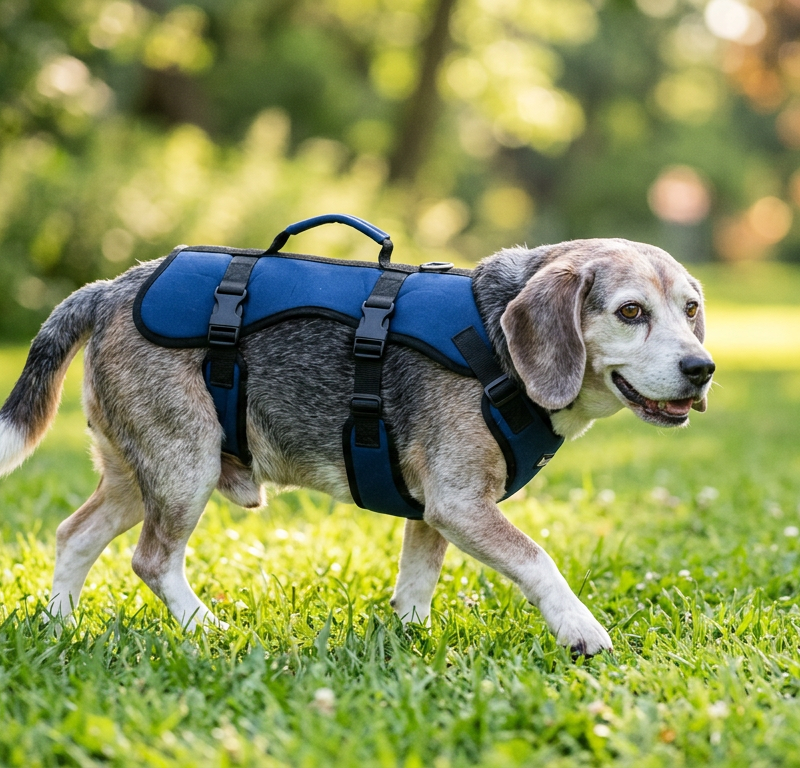
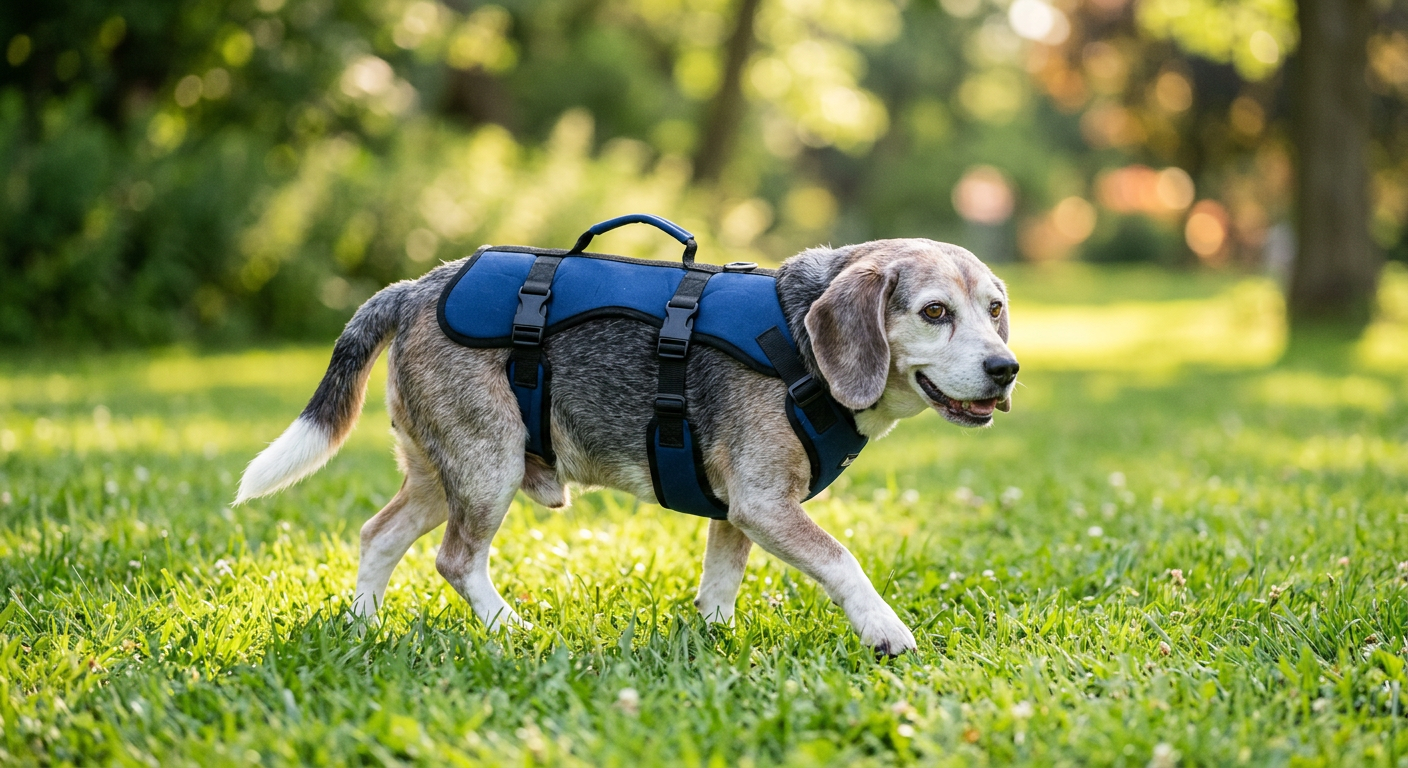
There are many wonderful products designed to help senior dogs maintain their independence. A rear-lift harness or a simple towel slung under the abdomen can provide the extra support needed for bathroom breaks. For dogs with more significant mobility challenges, custom-fitted wheelchairs allow them to continue enjoying outdoor adventures without putting weight on their weakened limbs.
Proactive Wellness and Veterinary Care
When you notice your pet's hind end is becoming unstable, a visit to the veterinarian is the most important step. They can perform a physical exam to pinpoint whether the issue is joint-related, muscular, or neurological. Modern veterinary medicine offers a variety of ways to manage discomfort, including specialized diets, supplements like glucosamine and chondroitin, and laser therapy.
Weight management is perhaps the most critical factor you can control. Even a few extra pounds can put significant stress on aging joints. Ensuring your dog stays at an ideal weight can significantly reduce the frequency of their legs giving out. If you are noticing other changes, such as your senior dog not finishing food anymore, consult your vet to ensure their nutritional needs are being met during this transition.
Physical Therapy and Gentle Exercise
Consistent, low-impact exercise is vital. While long hikes might be a thing of the past, short, frequent walks on soft grass help maintain muscle mass. Hydrotherapy, or swimming in a controlled environment, is an excellent way for senior dogs to build strength without any impact on their joints.
Maintaining Quality of Life and Comfort
It is important to remember that a decrease in mobility does not mean a decrease in happiness. Many senior dogs adapt remarkably well to their physical limitations. Focusing on mental stimulation, such as puzzle toys or scent work, can keep their spirits high even when their bodies are slowing down.
Pay attention to other senior behaviors as well. Sometimes mobility issues coincide with cognitive changes, such as when an elderly dog stares into space. Keeping a holistic view of your dog’s health helps you provide the best possible care for their mind and body. Whether you are comparing the needs of a Boxer vs Golden Retriever, every senior dog deserves a tailored approach to their aging process.
Conclusion
Caring for an old dog back legs giving out when walking requires patience, observation, and a lot of love. By making simple home adjustments, staying consistent with veterinary check-ups, and providing gentle physical support, you can help your companion navigate their senior years with dignity. While their pace may be slower, the bond you share remains as strong as ever, and with the right care, they can continue to enjoy a comfortable and fulfilling life by your side.