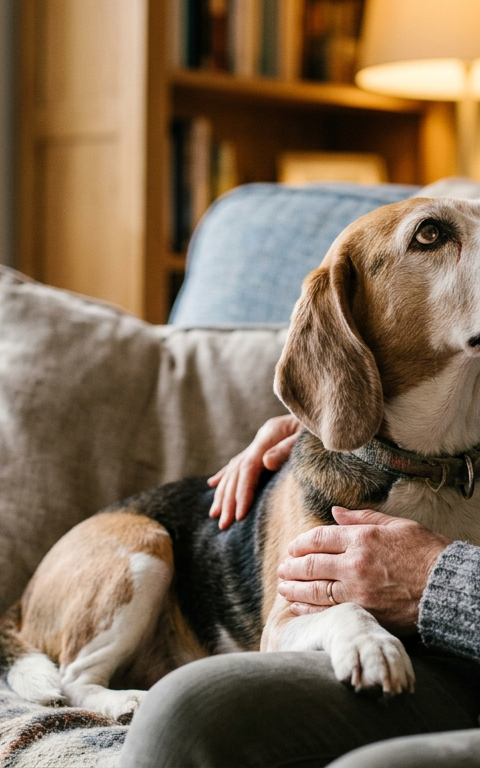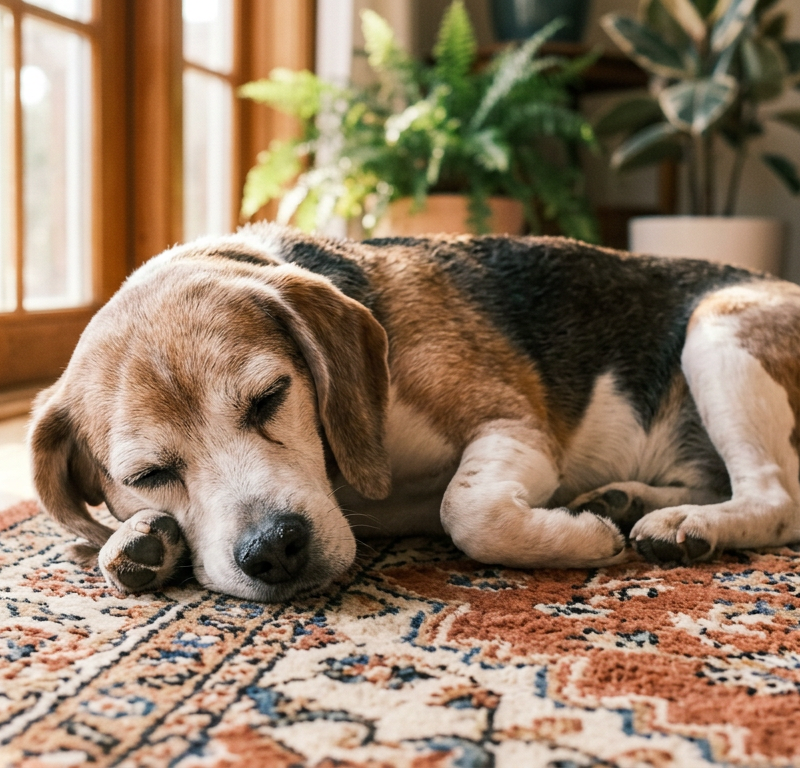
Watching your loyal companion transition into their golden years is a journey filled with quiet moments and new routines. One of the most common observations pet parents make is that their canine friend seems to spend much more time napping than they used to. You might find yourself wondering if an elderly dog sleeping all day is this normal or if it is a sign that they need a little extra help from a veterinarian.
As dogs age, their metabolic rate slows down, and their bodies require more time to recover from physical activity. While a puppy is a whirlwind of energy followed by a crash, a senior dog tends to spread their energy thin. Understanding what constitutes a healthy rest pattern can help you ensure your pet remains comfortable and happy during their sunset years.
Understanding the Sleep Cycle of a Senior Dog
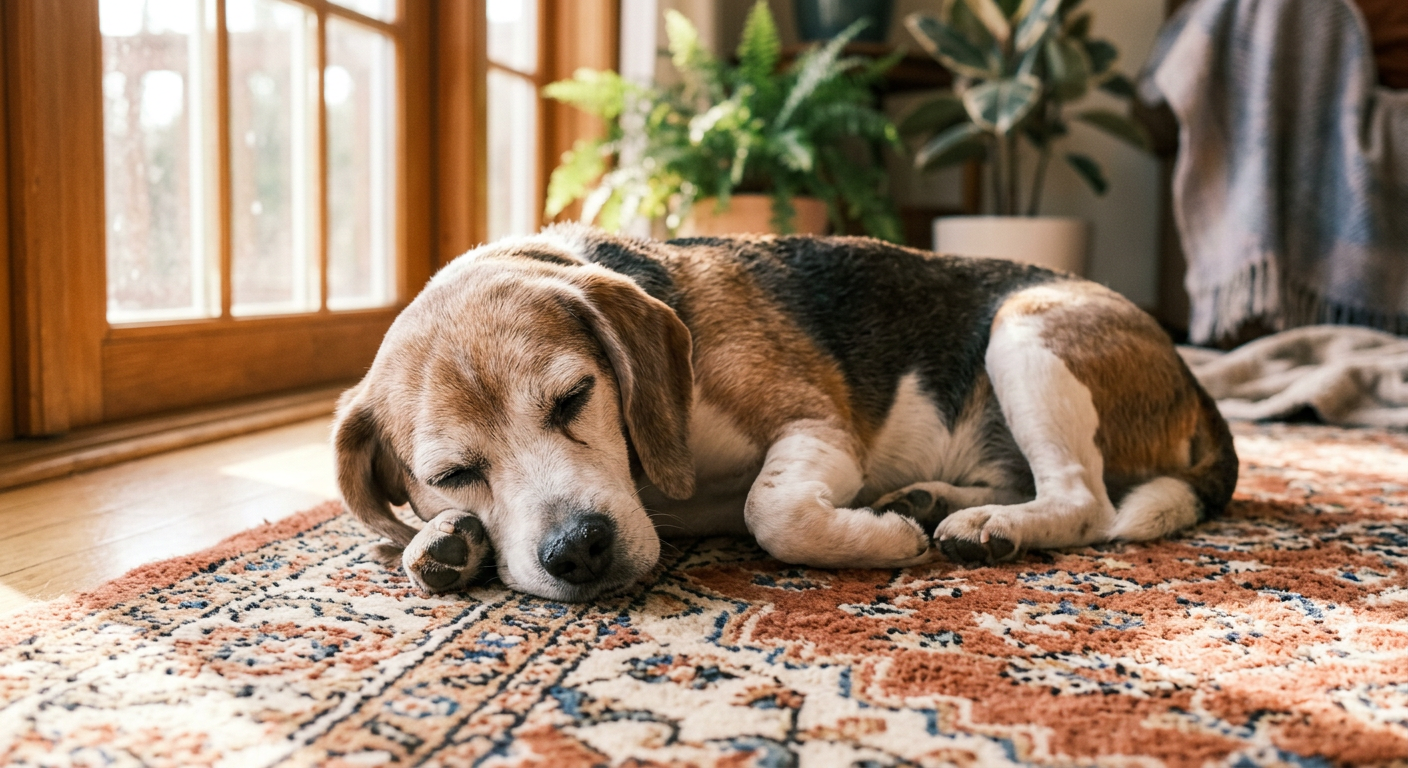
On average, adult dogs sleep between 12 and 14 hours a day. However, once a dog enters their senior phase—usually around age seven for larger breeds and age ten for smaller ones—that number can easily jump to 18 or even 20 hours. This shift is often a natural part of the aging process as their internal systems prioritize rest over exertion.
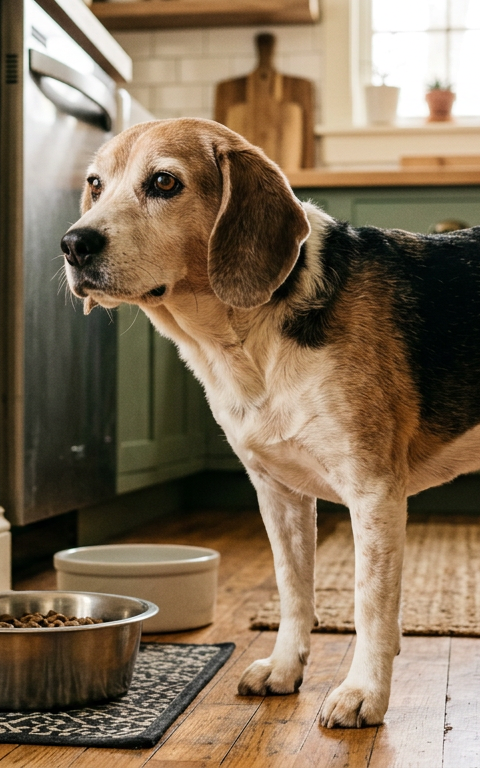
Deep sleep is vital for cognitive health and physical repair. In older dogs, the quality of sleep matters just as much as the quantity. You may notice your dog taking more frequent "power naps" throughout the afternoon rather than one long block of activity. This often helps them manage their energy levels for their favorite parts of the day, like mealtime or a short evening stroll.
Physical Factors Influencing Extra Rest
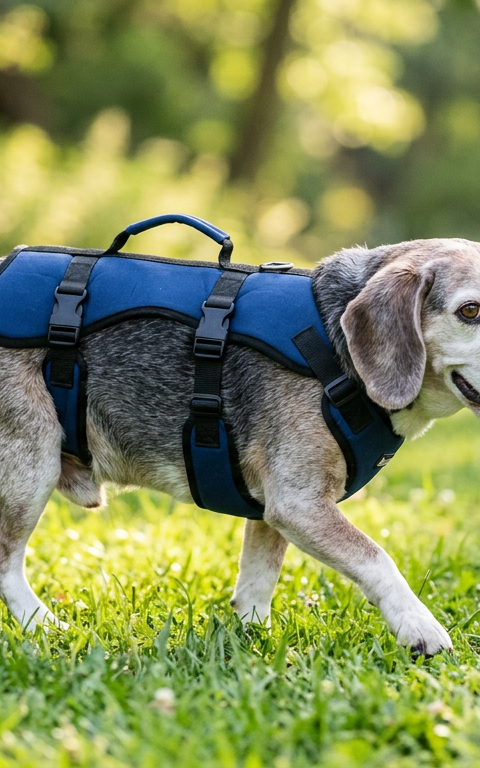
One primary reason your senior dog sleeps more is simply that moving takes more effort. Issues like joint stiffness or a loss of muscle tone can make every walk or play session more taxing. If you notice your old dog losing muscle mass in back legs, they may opt to stay in their bed simply because getting up requires significant strength.
Weight management also plays a role in energy levels. Senior dogs who carry a few extra pounds will tire much faster than those at an ideal weight. Ensuring they have a supportive, orthopedic bed can make their long naps more restorative, reducing the stiffness they feel when they finally decide to wake up and move around.
Distinguishing Between Healthy Rest and Lethargy
It is important to differentiate between a dog that is enjoying a long nap and a dog that is lethargic. Sleep is a choice and a biological need; lethargy is often a lack of ability to engage even when something exciting is happening. If your dog is difficult to wake or shows no interest in things they usually love, it may be time for a check-up.
Healthy senior sleep usually follows a predictable pattern. Your dog should still be alert and "present" when they are awake. If they transition from sleeping to being active with ease, their increased rest is likely just a natural byproduct of aging. However, if they seem confused upon waking, it might be a sign of cognitive changes.
- Waking easily: Your dog lifts their head when they hear the treat jar or the leash.
- Engagement: They are still happy to greet you at the door, even if they do it more slowly.
- Normal functions: They are eating, drinking, and using the bathroom regularly.
- Consistent patterns: Their sleep schedule doesn't change drastically overnight.
Cognitive Changes and Sleep Patterns
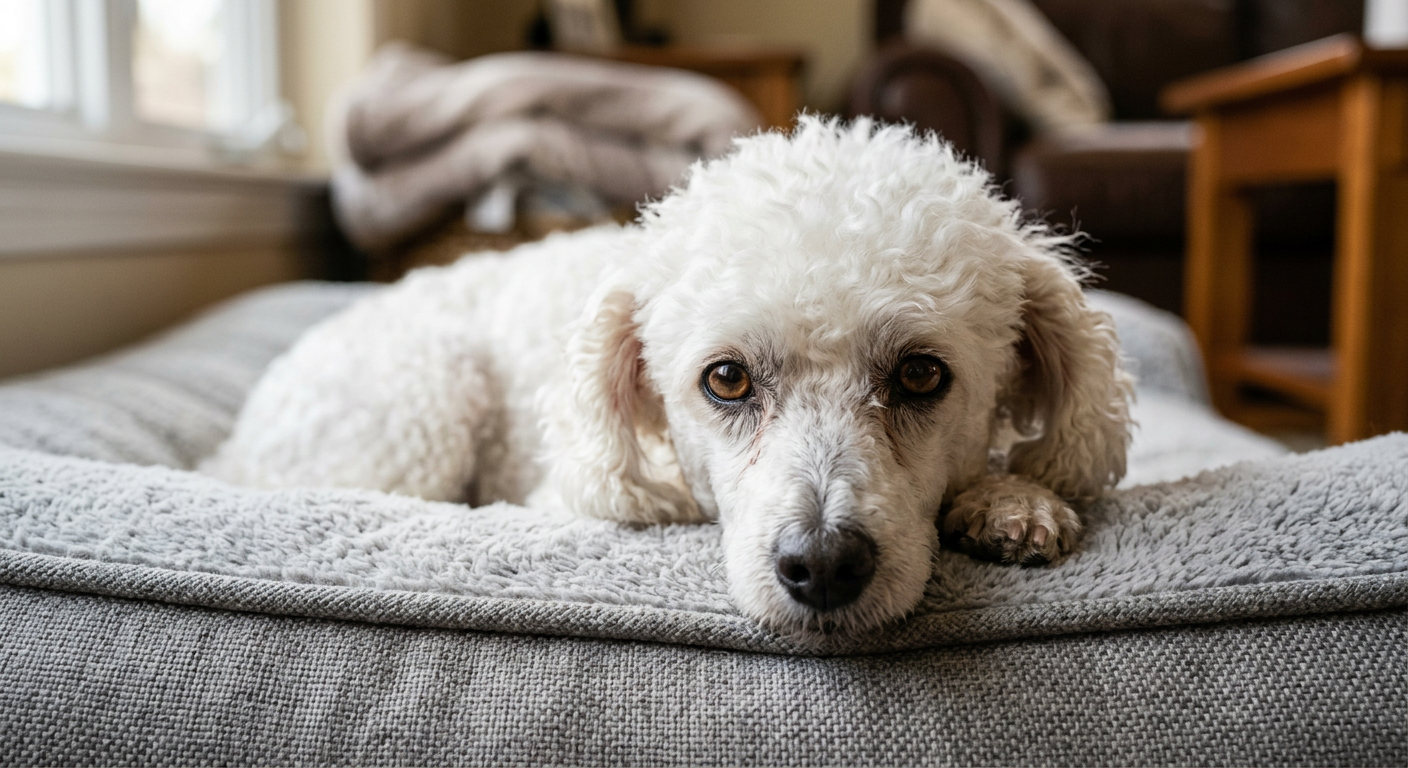
Sometimes, an increase in daytime napping is linked to Canine Cognitive Dysfunction (CCD). This can sometimes lead to a "flipped" sleep cycle where the dog sleeps all day but becomes restless at night. If you've ever asked why does my elderly dog stare into space, it might be connected to these cognitive shifts that also affect their rest-wake cycles.
When to Consult a Professional
While increased rest is common, sudden changes are always worth discussing with a veterinarian. If your dog goes from sleeping 14 hours to 20 hours in the span of a few days, that warrants a professional opinion. Veterinarians can run blood tests to rule out underlying conditions like hypothyroidism or anemia, which can cause significant fatigue.
Observation is your best tool. Keep a "sleep diary" for a few days to track how many hours your dog is actually asleep. Note if they are panting while resting or if they seem to have trouble finding a comfortable position. These small details can provide a veterinarian with valuable clues about your dog's comfort levels.
You can also check how your dog's age compares to human years to get a better perspective on their life stage. For example, using a Labrador Retriever age calculator can help you understand that a 10-year-old Lab is roughly equivalent to a 75-year-old human, making those long naps much more understandable.
How to Support Your Sleeping Senior
Providing a high-quality environment for your dog’s rest can greatly improve their quality of life. Make sure their bed is in a quiet, draft-free area of the home. As dogs age, they can become more sensitive to temperature and noise, so a peaceful "retirement corner" is ideal.
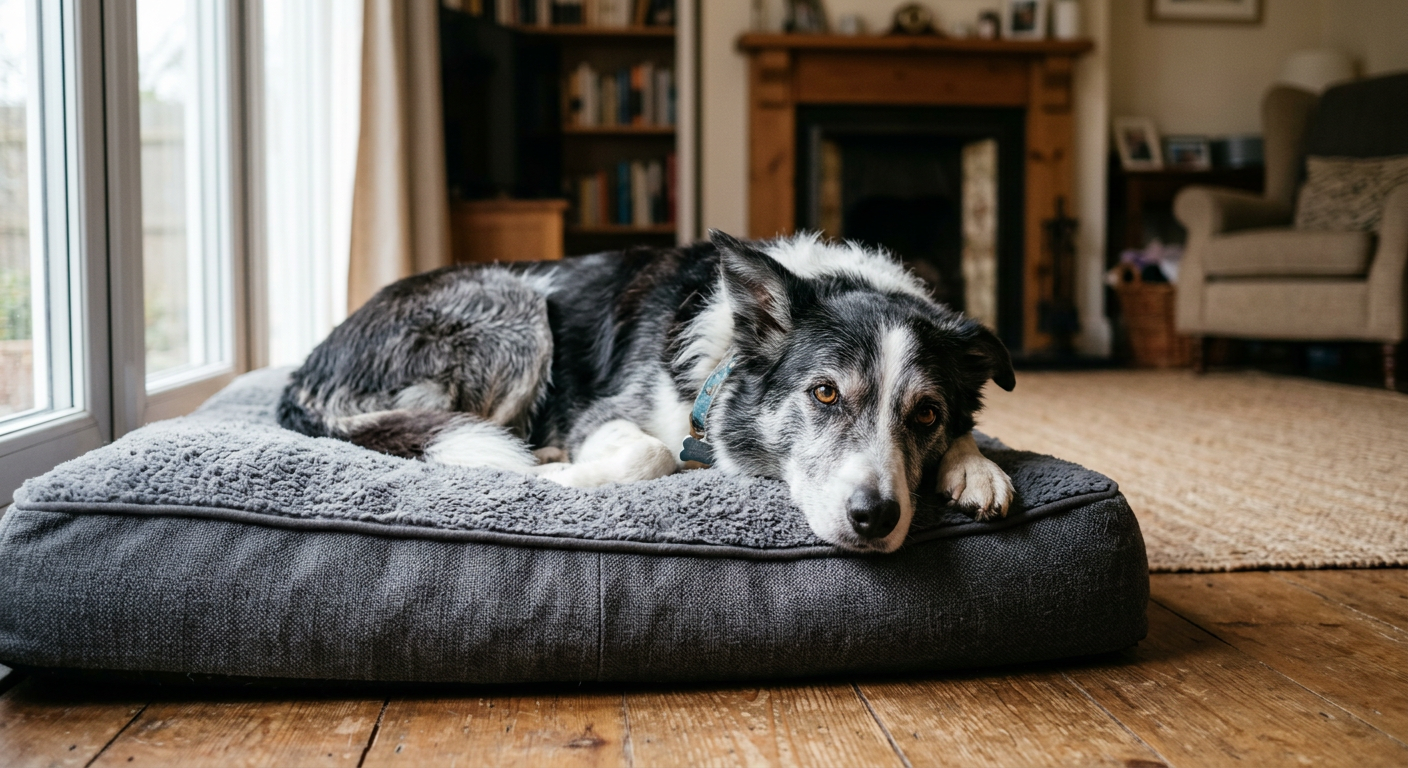
Supportive bedding is non-negotiable for seniors. Memory foam or orthopedic dog beds help distribute their weight evenly and take pressure off aching joints. If your dog has a favorite breed-specific trait, like the long back of a Dachshund, specialized support becomes even more critical to prevent discomfort during long bouts of sleep.
Gentle Engagement During Waking Hours
Even if your dog is sleeping more, mental stimulation is still important. When they are awake, engage them with "low-impact" activities. Snuffle mats, food puzzles, or short, slow "sniffari" walks allow them to use their brain without overexerting their bodies. This ensures that the time they spend awake is high-quality and fulfilling.
Maintaining a routine also helps. Senior dogs thrive on predictability. Feeding, walks, and potty breaks at the same time each day provide a rhythm that can help regulate their internal clock. This structure can prevent them from becoming overly tired or feeling anxious about when their next needs will be met.
Summary of Senior Dog Sleep Habits
In most cases, an elderly dog sleeping all day is this normal part of their aging journey. Just as we slow down and appreciate a afternoon nap as we get older, our dogs find comfort in the quiet moments of the day. By monitoring their behavior and ensuring they are comfortable, you are providing the best possible care for your aging friend.
Always trust your intuition. You know your dog better than anyone else. If you feel their sleepiness is accompanied by pain, a lack of appetite, or a change in personality, reaching out to your vet is the proactive way to handle senior wellness. With the right support, your senior dog can enjoy a peaceful and restful retirement by your side.