Watching your beloved pet grow older is a journey filled with specialized care and deep emotional bonds. One behavior that often catches owners by surprise is when a long-time companion begins pausing in the middle of a room, seemingly focused on nothing at all. If you find yourself asking, why does my elderly dog stare into space, you are certainly not alone in this observation.
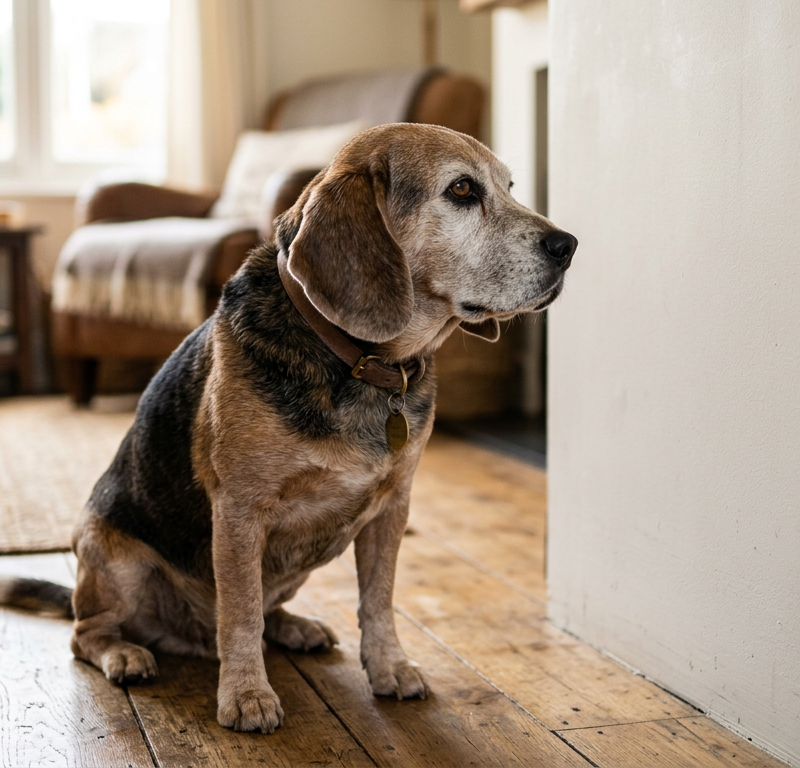
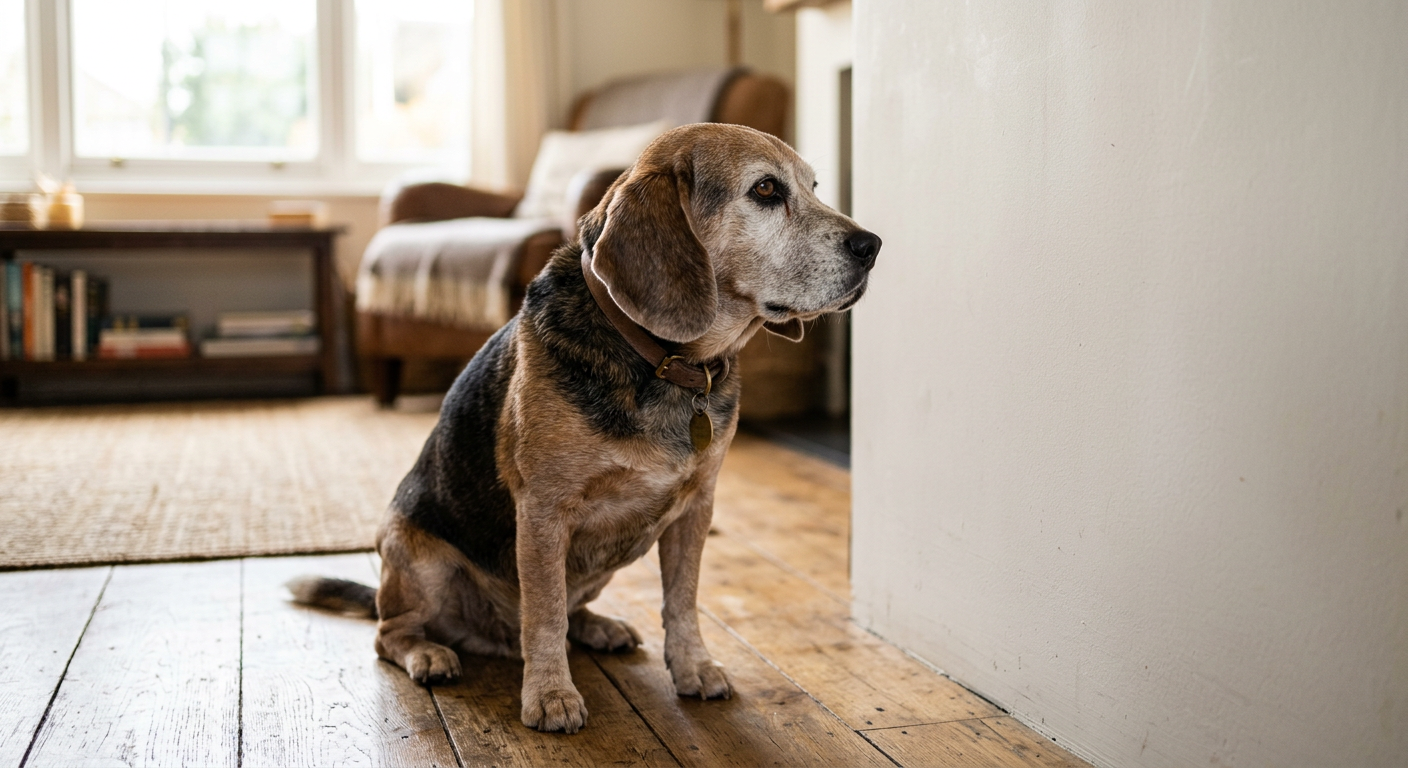
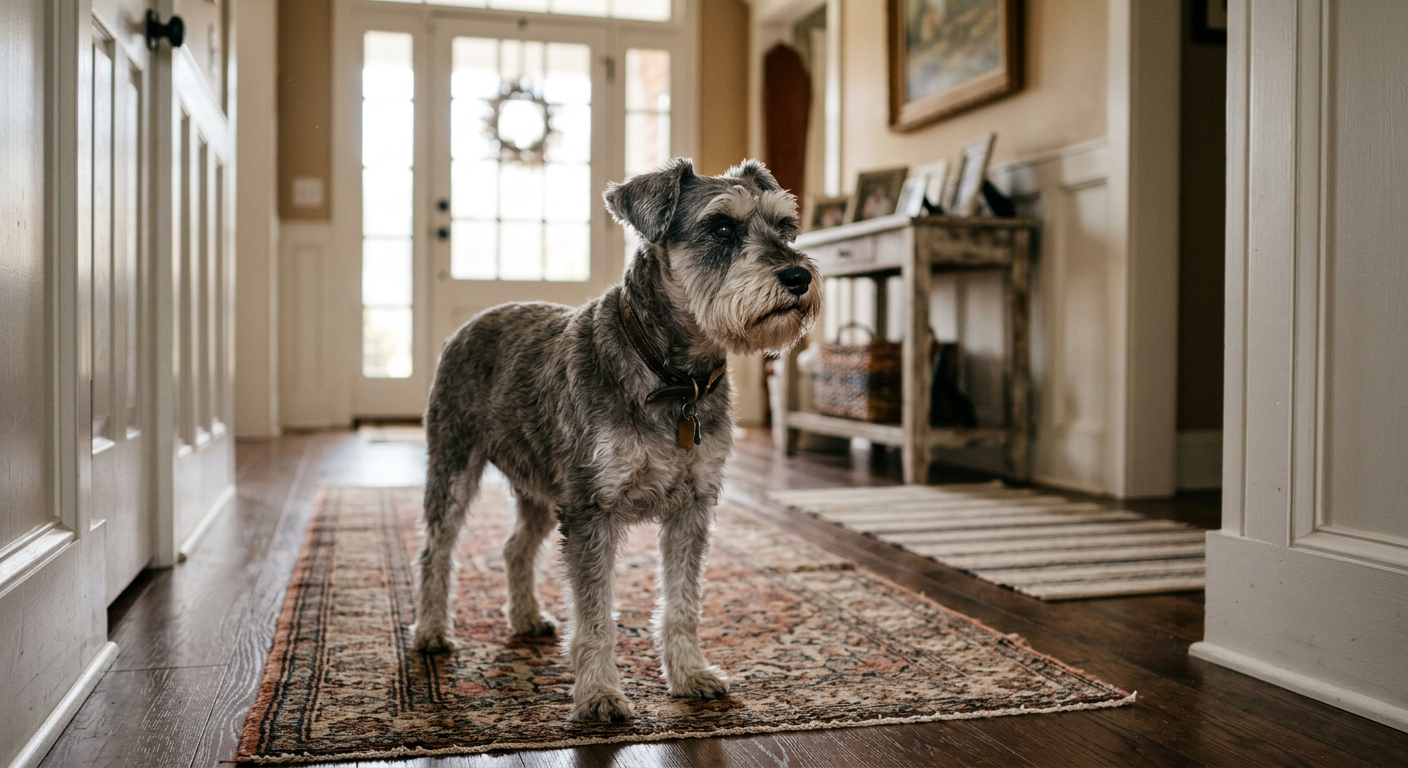
This behavior can be subtle at first, perhaps occurring only once or twice a day. Over time, you might notice your senior pet standing in a hallway or staring at a blank wall for several minutes. While it can be unsettling to witness, understanding the biological and cognitive reasons behind these moments is the first step in providing proactive care for your aging friend.
In many cases, this behavior is a natural part of the aging process, much like how humans might become more forgetful or easily distracted. By identifying different triggers, you can work closely with your veterinarian to ensure your pet remains comfortable and engaged during their golden years.
Understanding Canine Cognitive Dysfunction Syndrome
One of the most common reasons why does my elderly dog stare into space is a condition known as Canine Cognitive Dysfunction (CCD). Often compared to Alzheimers in humans, CCD is a neurodegenerative condition that affects a dog's memory, learning, and comprehension. It is a gradual process that alters how your pet interacts with their environment.
When a dog experiences cognitive decline, their brain may struggle to process sensory information correctly. This can lead to moments of "freezing" or zoning out. It is as if their internal GPS has momentarily lost its signal, leaving them unsure of where they are or what they were planning to do next.
The DISHA Acronym for Senior Dogs
Veterinarians often use the acronym DISHA to help owners identify signs of cognitive decline. If you notice staring alongside these other symptoms, it may point toward CCD:
- Disorientation: Getting lost in familiar places or stuck in corners.
- Interactions: Changes in how they greet family members or other pets.
- Sleep-wake cycles: Sleeping all day and pacing or vocalizing at night.
- House-soiling: Forgetting previous potty training.
- Activity: Decreased interest in play or repetitive aimless wandering.
If your pet is showing these signs, it may be helpful to check their biological age using our German Shepherd age calculator or a similar tool for your specific breed to put their life stage into perspective.
Sensory Decline and Environmental Focus
Sometimes, what looks like staring into the void is actually a dog trying to compensate for failing senses. As dogs age, their vision and hearing often diminish. A dog with nuclear sclerosis or cataracts might stare intently at a shadow or a reflection because they are trying to make sense of a blurry image.
Similarly, senior dogs have incredibly sensitive hearing, even when they start to lose higher frequencies. Your pet might be staring at a wall because they can hear a small insect crawling inside the drywall or a distant sound outside that you cannot perceive. Because their processing speed is slower, they may stay focused on that spot long after the sound has stopped.
Health and Wellness Considerations
While cognitive changes are a primary suspect, other physical wellness issues can manifest as "spacing out." Chronic pain or discomfort can sometimes cause a dog to go into a trance-like state. This is often a coping mechanism for managing internal signals of discomfort, such as joint stiffness or abdominal pressure.
Metabolic issues, such as kidney or liver dysfunction, can also lead to lethargy and altered mental states. When the body isn't filtering toxins efficiently, it can result in a "foggy" feeling. Similarly, low blood sugar or high blood pressure can cause temporary periods of staring or confusion.
If you notice your dog is also having physical trouble, such as a senior dog stumbling when walking, it is vital to schedule a full geriatric screening. Physical and mental health are deeply intertwined in senior pets.
Neurological Factors and Focal Seizures
In some instances, staring into space can be a manifestation of a focal seizure. Unlike grand mal seizures that involve convulsions, focal seizures occur in a specific part of the brain and might only cause a "blank" look, repetitive chomping, or minor muscle twitches. These "absence seizures" can look exactly like a dog who has simply zoned out for a moment.
How to Support Your Senior Dog
Creating a predictable and supportive environment can significantly reduce your dog's confusion and staring episodes. Consistency is key for a dog dealing with age-related changes. Try to keep furniture in the same place and maintain a strict routine for meals, walks, and bedtime.
Mental stimulation is just as important for seniors as it is for puppies. Gentle brain games, such as hiding high-value treats in a snuffle mat, can help keep neural pathways active. While they may not be able to run as far as a Boxer or a Labrador Retriever in their prime, these small mental "work-outs" provide essential engagement.
Consider the following steps to boost your dog's quality of life:
- Increase lighting in dark hallways to assist with failing vision.
- Use non-slip mats on hardwood floors to prevent slipping and anxiety.
- Keep paths clear of clutter to reduce the chances of them getting "stuck."
- Supplement their diet with Omega-3 fatty acids and antioxidants (after consulting your vet).
When to Consult Your Veterinarian
It is always a good idea to record video of your dog's staring behavior. Because pets often act differently at the clinic than they do at home, showing your veterinarian exactly what you are seeing can be incredibly helpful for a diagnosis. Note the time of day, the duration of the episode, and whether you can "snap" them out of it by calling their name or touching them.
If your pet is also experiencing physical changes, like an old dog losing muscle mass in back legs, your vet may want to run blood work, check blood pressure, or perform a neurological exam. Many age-related conditions can be managed with medication, dietary changes, or environmental adjustments that greatly improve your dog's comfort.
Comfort in the Golden Years
Realizing why does my elderly dog stare into space often brings a mix of relief and a desire to help. While we cannot stop the clock, we can certainly make every moment of our dogs' senior years as comfortable and peaceful as possible. These quiet moments of staring may just be a sign that they need a little extra patience and guidance from their favorite person.
By staying observant and proactive about their wellness, you can ensure that your faithful companion feels safe and loved, even when the world around them feels a bit more confusing than it used to be. Celebrate the slow pace and continue to cherish the unique bond you share.