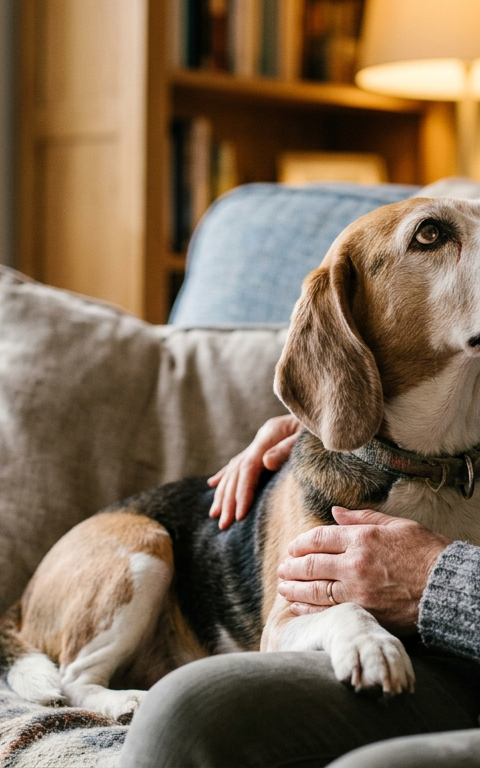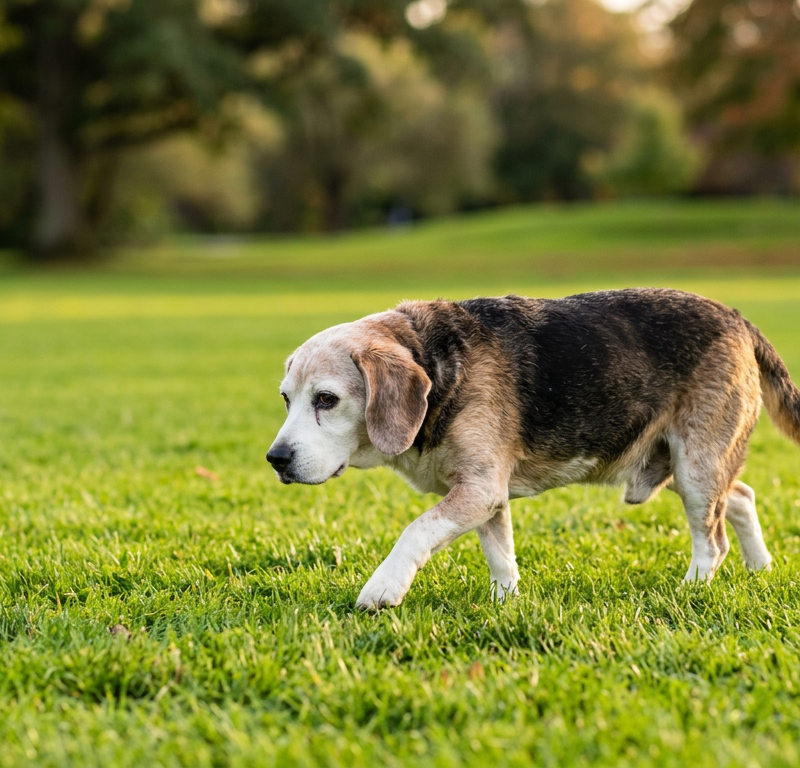
Watching your loyal companion enter their golden years is a rewarding experience filled with gentle walks and quiet moments. However, it can be concerning for pet parents when they notice their senior dog stumbling when walking normal or not. While we often expect our dogs to slow down as they age, a loss of coordination or an unsteady gait usually indicates an underlying wellness consideration that needs attention.
Mobility is a key indicator of quality of life for senior pets. When a dog begins to trip, sway, or lose their balance, it is their body's way of communicating that something has changed. Understanding the difference between expected aging and signs that require a veterinary visit is the first step in providing proactive care for your senior friend.
Is Stumbling a Normal Part of Canine Aging
In short, while slowing down is a normal part of getting older, frequent stumbling or falling is not considered "normal." Much like humans, dogs may lose some muscle tone or experience mild stiffness as they age. You might notice your Labrador Retriever taking a bit longer to stand up after a nap, but they should still be able to navigate a flat floor without losing their footing.
Stumbling, also known as ataxia in the veterinary world, suggests a disruption in the communication between the brain and the limbs. This can happen for several reasons, ranging from simple muscle weakness to more complex neurological issues. If your dog is consistently dragging their paws or crossing their legs while walking, it is time to look closer at their daily comfort levels.
Muscle Loss and Sarcopenia
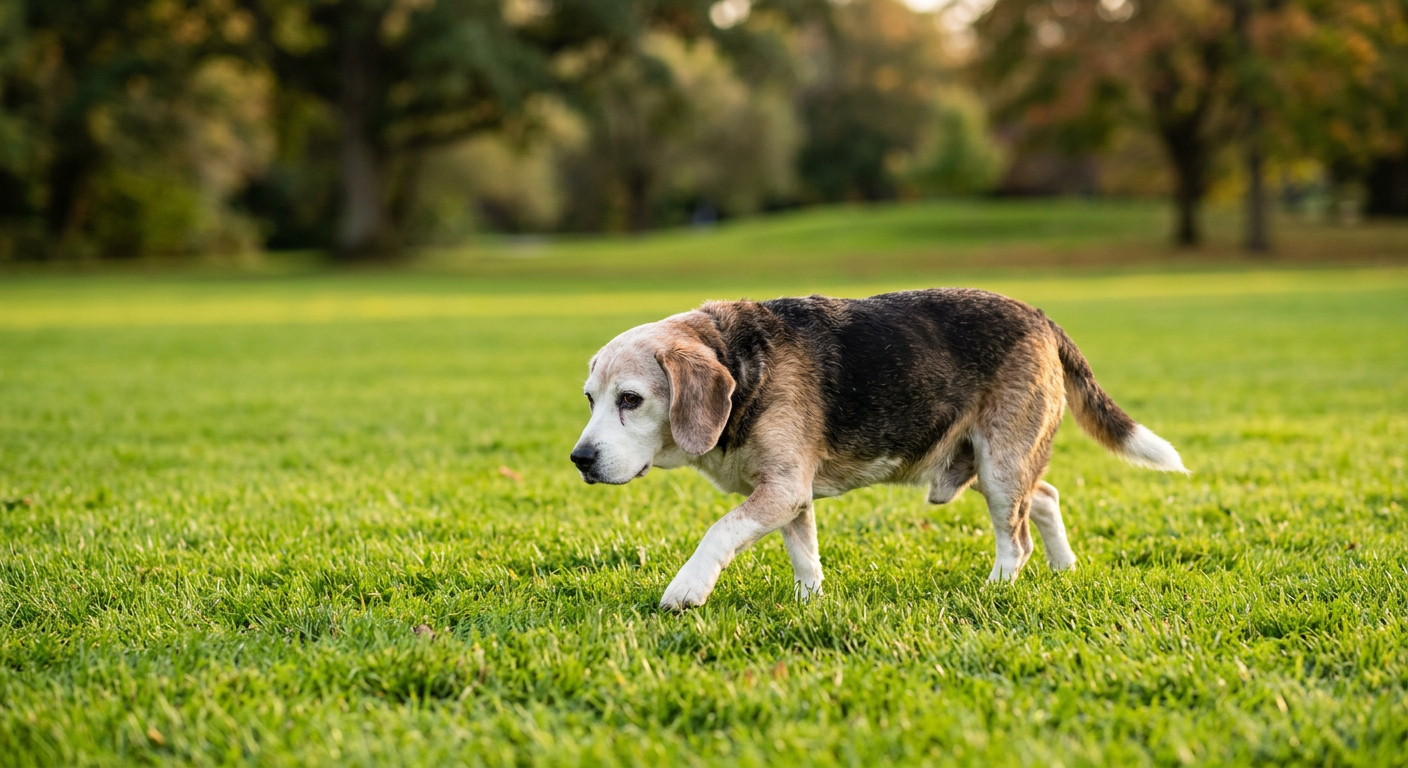
As dogs age, they can experience sarcopenia, which is the natural loss of muscle mass associated with getting older. This often affects the hind legs first. When the muscles that support the joints weaken, the dog may appear "wobbly" or prone to tripping over small obstacles like rugs or door thresholds.
Vision Changes in Seniors
Sometimes, what looks like a balance issue is actually a sight issue. Senior dogs often develop nuclear sclerosis or cataracts, which can make it difficult for them to judge depth or see changes in floor texture. If your dog only stumbles in low light or when approaching stairs, their eyes might be the primary focus for your next vet visit.
Common Causes of an Unsteady Gait in Older Dogs
When investigating a senior dog stumbling when walking normal or not, veterinarians look at several different body systems. Identifying the root cause is essential for creating a management plan that keeps your dog comfortable and mobile for as long as possible.
It is helpful to observe exactly how your dog is moving. Are they "knuckling" (walking on the tops of their paws)? Are they swaying in the rear end like they are walking on a boat? Keeping a short video log of these movements can be incredibly helpful for your veterinarian during an exam.
Arthritis and Joint Wear
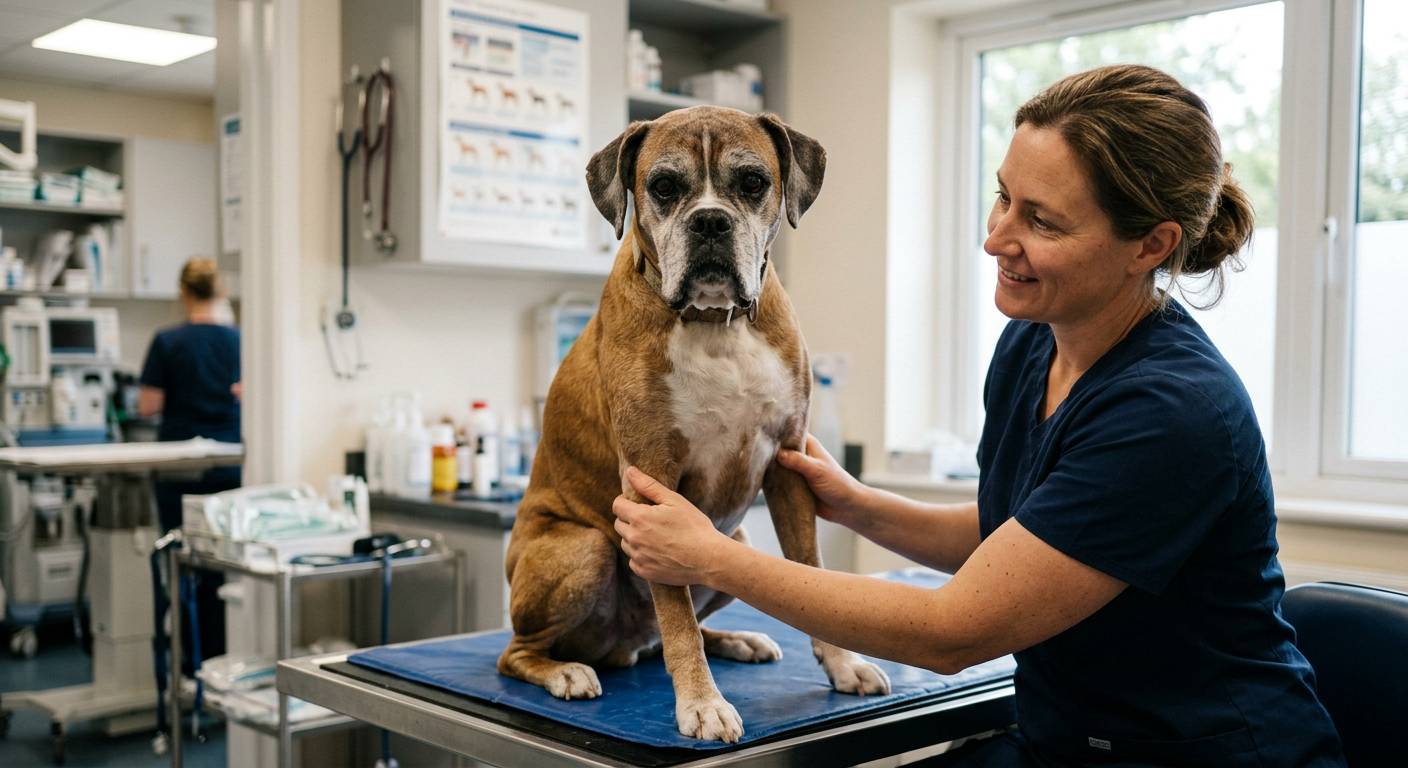
Osteoarthritis is one of the most common reasons for mobility changes in senior dogs. When joints become inflamed and painful, a dog will naturally change their gait to compensate. This shifting of weight can lead to a lack of coordination and occasional stumbles, especially after periods of rest.
Vestibular Disease
Often called "Old Dog Vestibular Syndrome," this condition affects the balance center in the inner ear. It can come on very suddenly, causing a dramatic head tilt, flickering eyes, and a significant loss of balance. While it can look very worrying to owners, many dogs recover well with supportive care and time.
- Intervertebral Disc Disease (IVDD): Often seen in breeds with long backs, this affects the spinal cord's ability to send signals.
- Degenerative Myelopathy: A progressive condition common in certain breeds that leads to hind limb weakness.
- Cognitive Dysfunction: Similar to dementia in humans, this can cause a dog to become disoriented and lose their footing.
- Heart Conditions: If the heart isn't pumping enough oxygenated blood, a dog may feel faint or weak.
Distinguishing Between Weakness and Neurological Issues
It is important to determine if your dog is stumbling because they are physically weak or because their brain isn't quite sure where their feet are. This distinction helps narrow down the potential causes and treatments. For example, a German Shepherd might show different signs of hind-end weakness compared to a smaller breed.
Neurological stumbling often involves "proprioception" issues. This is the body's ability to perceive its own position in space. If you gently turn your dog's paw over so the top is touching the ground and they don't immediately flip it back, this is a clear sign of a neurological communication gap rather than simple muscle fatigue.
Hind End Weakness vs Ataxia
Hind end weakness usually looks like your dog is struggling to generate the power to jump or climb. Ataxia, on the other hand, looks like a "drunken" walk. If your dog is swaying or crossing their back legs while they move, they are likely experiencing ataxia. Both require a professional evaluation to ensure the dog isn't in discomfort.
Proactive Management for Mobility in Seniors
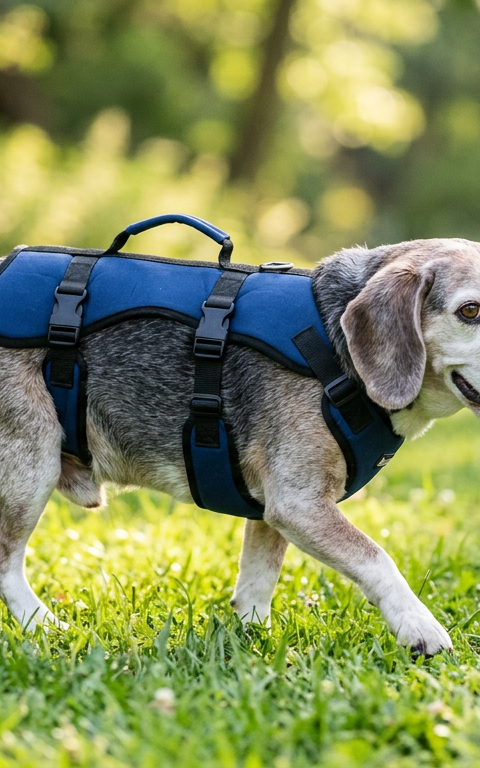
Once you have consulted with your veterinarian and ruled out acute medical issues, there are many ways to support your senior dog's mobility at home. Proactive care can significantly improve their confidence and keep them active in their later years.
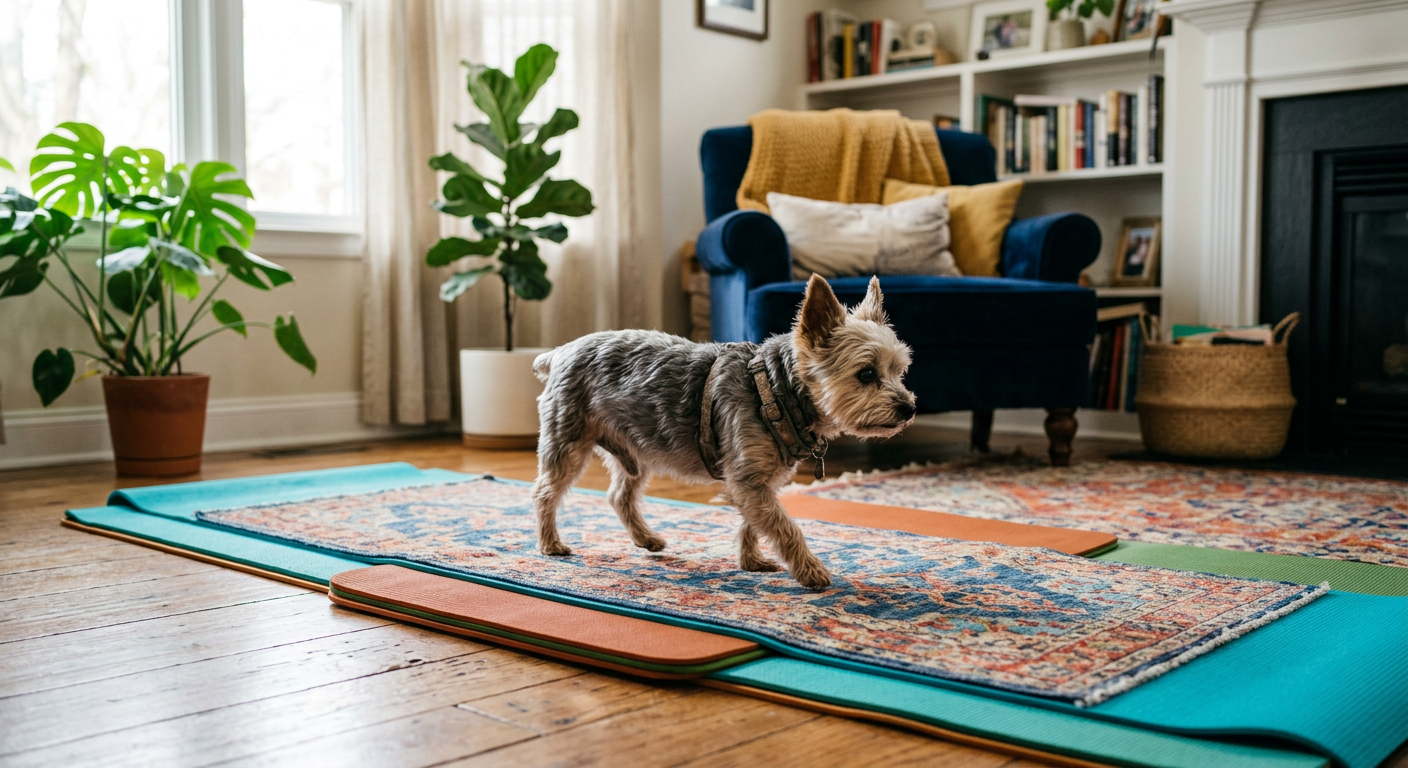
Environmental modifications are often the most immediate way to help. If your home has hardwood or tile floors, these can be very slippery for a senior dog with a compromised gait. Adding yoga mats, area rugs, or "toe grips" can provide the traction they need to feel secure while moving from room to room.
Weight Management and Nutrition
Maintaining an ideal body weight is perhaps the most important thing you can do for a senior dog with balance issues. Every extra pound puts unnecessary stress on aging joints and makes it harder for weak muscles to do their job. Talk to your vet about a senior-specific diet and supplements like Glucosamine, Chondroitin, and Omega-3 fatty acids.
Physical Therapy and Gentle Exercise
Rest is important, but total inactivity can actually make stumbling worse as muscles continue to atrophy. Low-impact activities like short, frequent walks or underwater treadmill sessions can help maintain muscle mass. Gentle stretching and massage can also keep the limbs limber and improve circulation to the extremities.
When to Seek Urgent Veterinary Care
While many causes of an unsteady walk in older dogs are chronic and manageable, some situations require immediate attention. If your senior dog suddenly cannot stand at all, appears to be in significant pain (panting, whining, or shaking), or has a sudden change in pupil size, contact an emergency vet or your regular clinic immediately.
For more information on comparing how different large breeds age, you might find our guide on the German Shepherd vs Rottweiler helpful for understanding breed-specific mobility trends. Every breed ages at a different rate, and being aware of these nuances helps you stay ahead of potential wellness needs.
In conclusion, while a senior dog stumbling when walking normal or not can be a source of worry, it is also an opportunity to adjust their care plan for maximum comfort. By working closely with your veterinarian and making simple changes to their environment and diet, you can help your senior dog navigate their golden years with grace and steadiness. Remember that most mobility challenges have solutions that can lead to many more happy, tail-wagging days ahead.