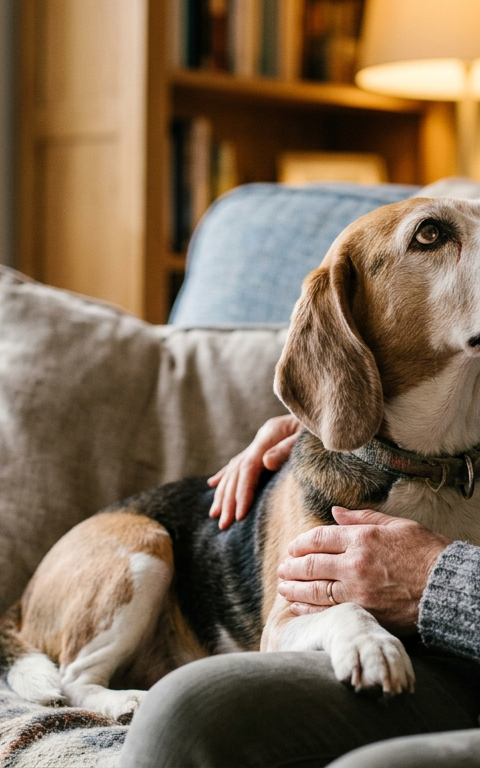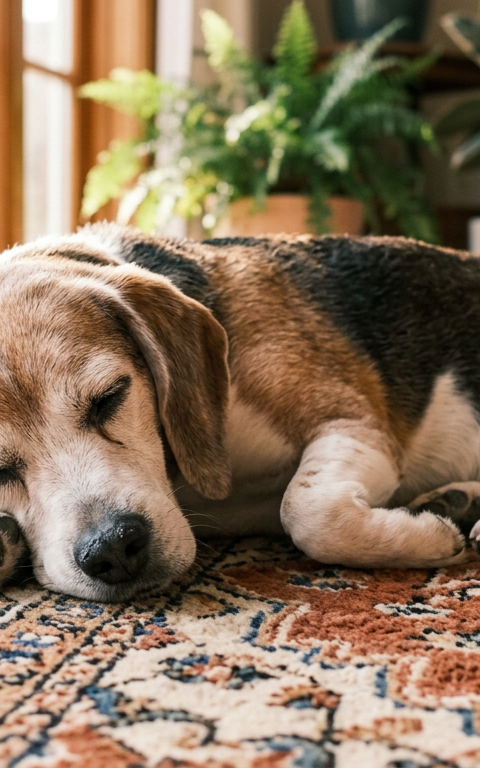
Watching your loyal companion enter their golden years is a journey filled with love and new adjustments. One common change many owners notice is their old dog losing muscle mass in back legs, a condition that can affect their mobility and overall strength. This physical transition is often a natural part of the aging process, but understanding why it happens can help you provide the best support for your furry friend.
When a dog's hindquarters begin to look thinner or their hips seem more prominent, it usually indicates muscle atrophy. While it might feel concerning to see your once-athletic pet slowing down, there are many proactive ways to manage this change. By focusing on nutrition, gentle movement, and comfort, you can help maintain their quality of life for years to come.
Understanding Muscle Atrophy in Senior Dogs
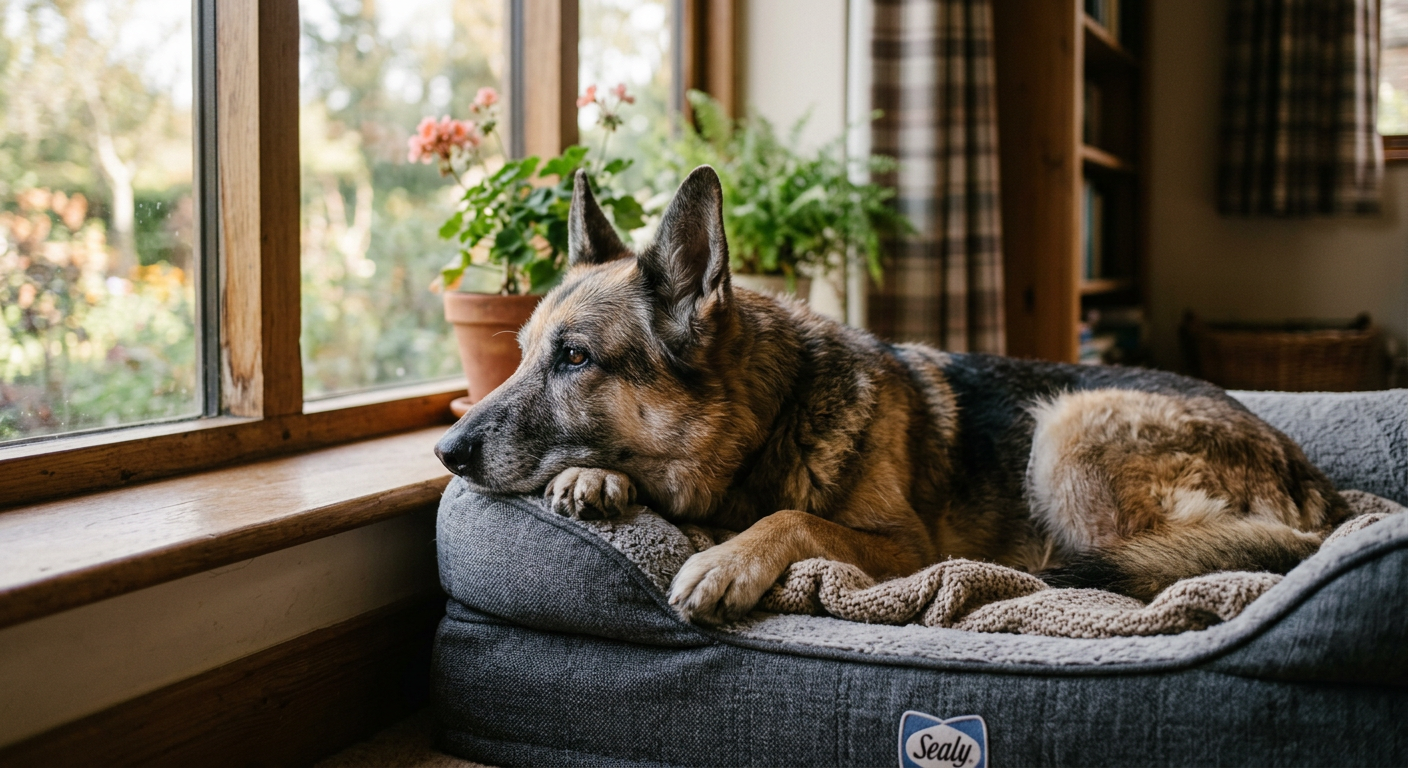
Muscle atrophy, or sarcopenia, refers to the involuntary loss of skeletal muscle mass and strength. In senior dogs, the back legs are often the first area to show significant thinning because these muscles are responsible for power and stabilization. You might notice your dog having more difficulty standing up from a tiled floor or skipping a step while climbing stairs.
The aging body naturally becomes less efficient at processing protein and repairing muscle fibers. This means that even with a healthy appetite, an older pet might lose some of that physical "bulk" they had in their youth. Identifying these changes early allows you to adapt their environment and routine to prevent secondary issues like slips or falls.
Common Causes of Hind Leg Weakness
There are several reasons why an older dog might lose muscle in their rear. Osteoarthritis is a primary factor, as joint discomfort often leads a dog to move less. When they reduce their activity to avoid discomfort, the muscles naturally begin to shrink from underuse. This creates a cycle where less muscle leads to less joint support, which in turn causes more discomfort.
Neurological conditions, such as Degenerative Myelopathy (DM), can also play a role. These conditions affect the signals sent from the brain to the legs, causing the muscles to waste away because they aren't receiving the proper instructions to contract. If you notice your dog's gait changing alongside muscle loss, you may want to check if their stumbling is normal or requires a veterinary visit.
Signs Your Dog is Losing Leg Strength
Detecting muscle loss in the early stages can be tricky, especially in breeds with thick fur. It is helpful to periodically run your hands over your dog's thighs and hips to feel for changes in muscle tone. If the bones of the pelvis feel much sharper than they used to, or if the "meatiness" of the thigh has decreased, atrophy is likely occurring.
Other behavioral signs include:
- Hesitation before jumping into the car or onto the sofa.
- A "bunny hopping" gait where the back legs move together.
- Trembling or shaking in the hind legs after standing for a short period.
- Increased slipping on hardwood or laminate flooring.
- Dragging the hind paws, often evidenced by worn-down nails.
The Role of Nutrition in Muscle Maintenance
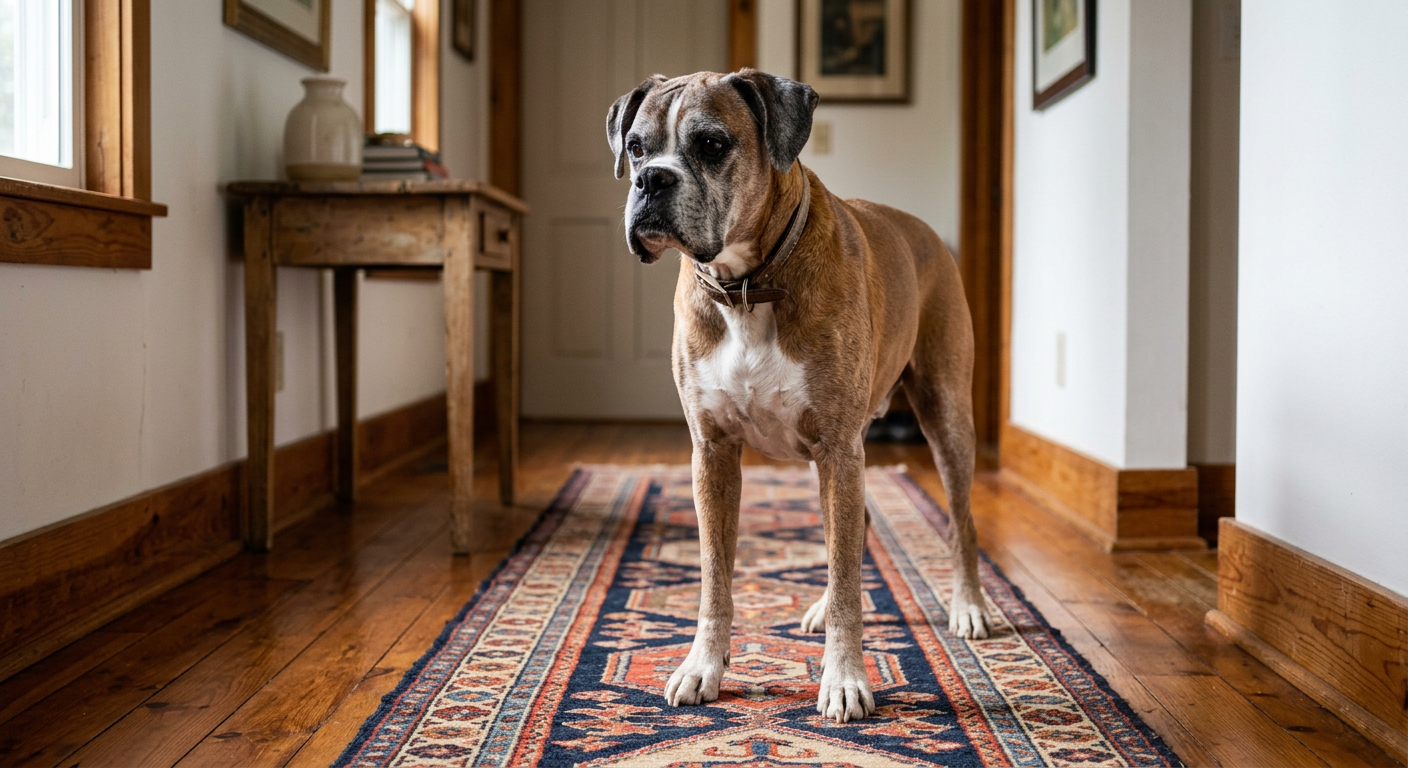
As dogs age, their nutritional requirements shift significantly. Many owners assume senior dogs need less protein to protect their kidneys, but unless a specific medical condition exists, most seniors actually need high-quality, easily digestible protein to fight muscle wasting. Protein provides the essential amino acids required to repair and maintain muscle tissue.
Consulting with your veterinarian about a senior-specific diet is a great first step. They may recommend supplements such as Omega-3 fatty acids, which help manage inflammation in the joints, or Glucosamine and Chondroitin to support cartilage. A well-nourished body is much better equipped to stay strong and resilient during the aging process.
Adjusting Caloric Intake
Weight management is a delicate balance for seniors. Carrying extra weight puts immense pressure on weakening hind legs, accelerating the loss of mobility. Conversely, being underweight can mean the body is burning muscle for energy. Using a tool like a breed age calculator can help you understand where your dog is in their life stage and how their caloric needs might be changing.
Gentle Exercise and Physical Therapy
It might seem counterintuitive to exercise a dog with weakening legs, but movement is medicine. The goal isn't high-intensity fetching, but rather functional movement that keeps the muscles engaged. Short, frequent walks on soft surfaces like grass are much better than one long trek on concrete.
Controlled movements, such as "sit-to-stands" (doggy squats), can help target the specific muscles in the hind end. Hydrotherapy is another fantastic option for senior pets. Swimming or using an underwater treadmill allows the dog to build muscle without the impact of gravity on their sore joints. This buoyancy provides a safe environment for them to move freely and build strength.
Creating a Senior Friendly Home Environment
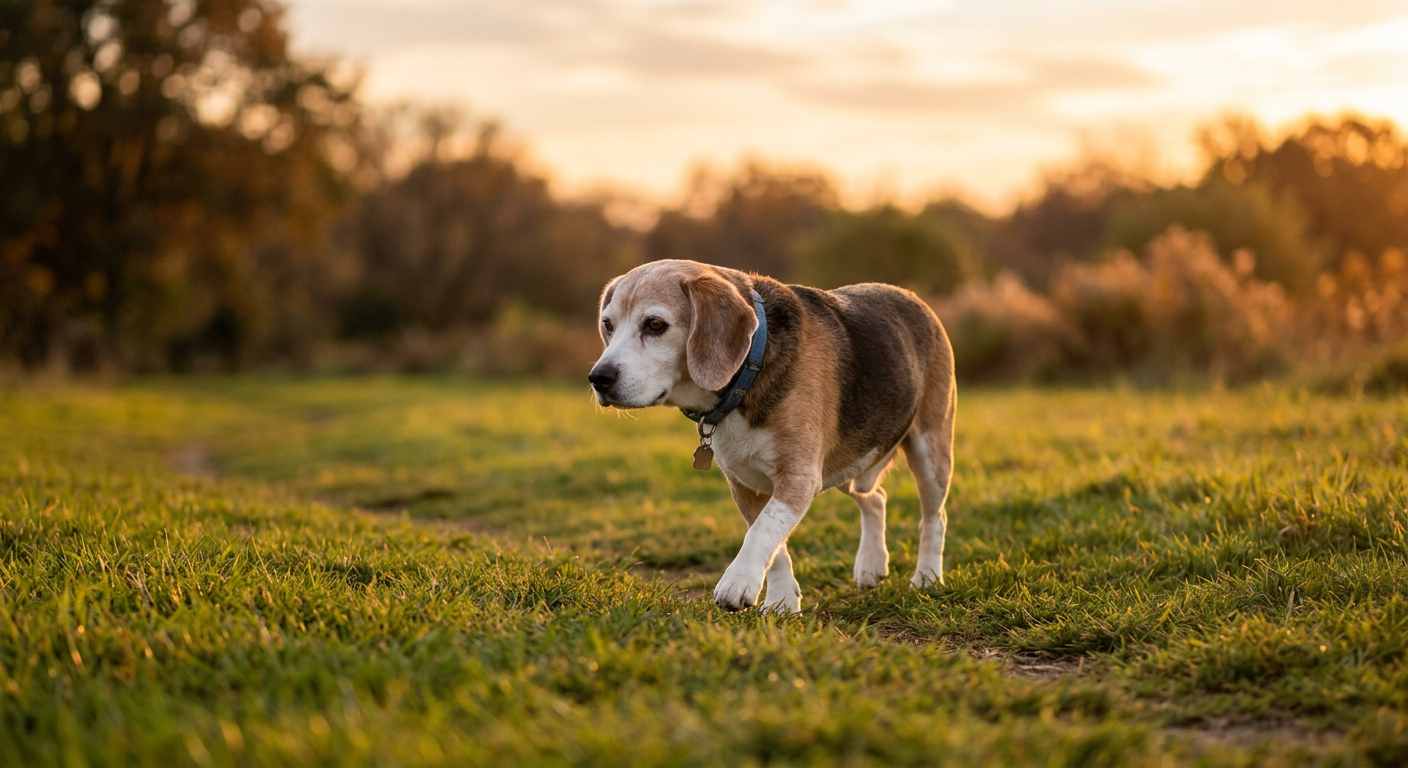
Making small adjustments to your home can make a massive difference for a dog experiencing hind leg atrophy. Since muscle loss leads to less stability, slippery floors can become a significant obstacle. Placing yoga mats or runner rugs in high-traffic areas helps your dog gain the traction they need to move confidently without fearing a fall.
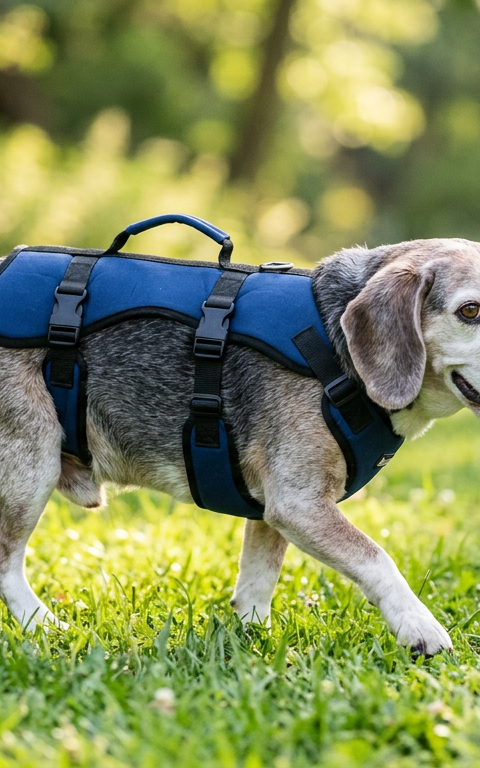
Consider using a supportive harness with a handle on the back. This allows you to gently assist your dog when they are rising from a nap or navigating stairs. These "assistive devices" take some of the load off their back legs while still allowing them to use their muscles to walk. Taking these steps ensures your home remains a safe sanctuary for your aging friend.
When to See a Veterinarian
While some muscle loss is expected with age, a professional evaluation is essential to rule out treatable conditions. A vet can perform a physical exam to check for pain, nerve response, and joint health. They may suggest laser therapy, acupuncture, or specific medications to manage discomfort, which often results in the dog becoming more active and rebuilding some of that lost muscle naturally.
Conclusion
Seeing an old dog losing muscle mass in back legs is a sign that your pet is entering a new chapter of life. While you may not be able to stop the clock, you have many tools to support their strength and comfort. Through a combination of high-quality nutrition, targeted gentle exercise, and a slip-free home, you can help your senior dog navigate their environment with ease. Your proactive care ensures that their later years remain full of the joy and companionship they have always given you.