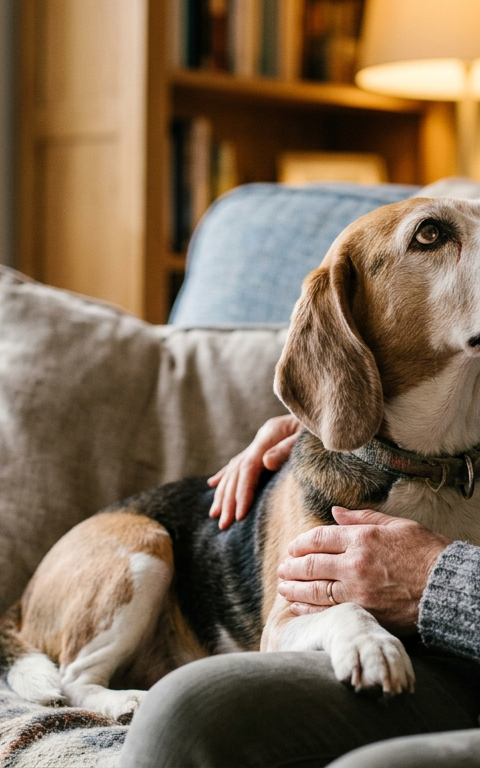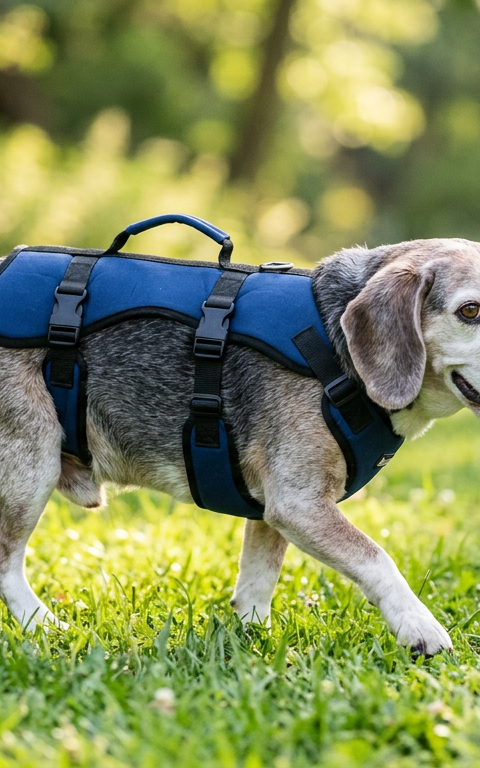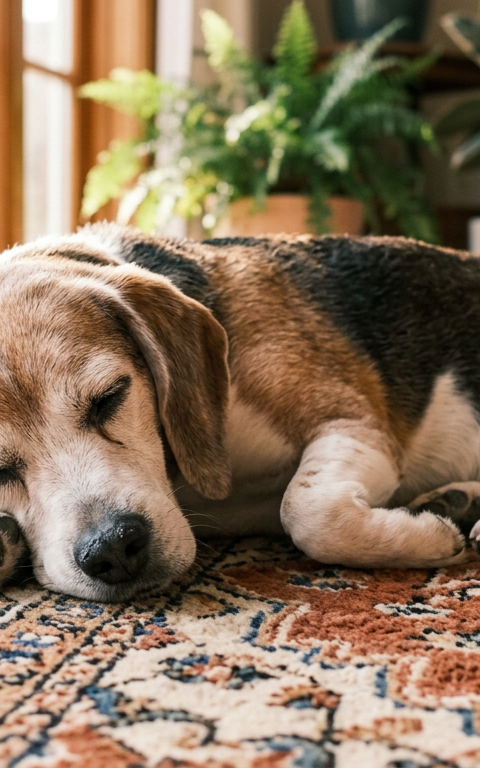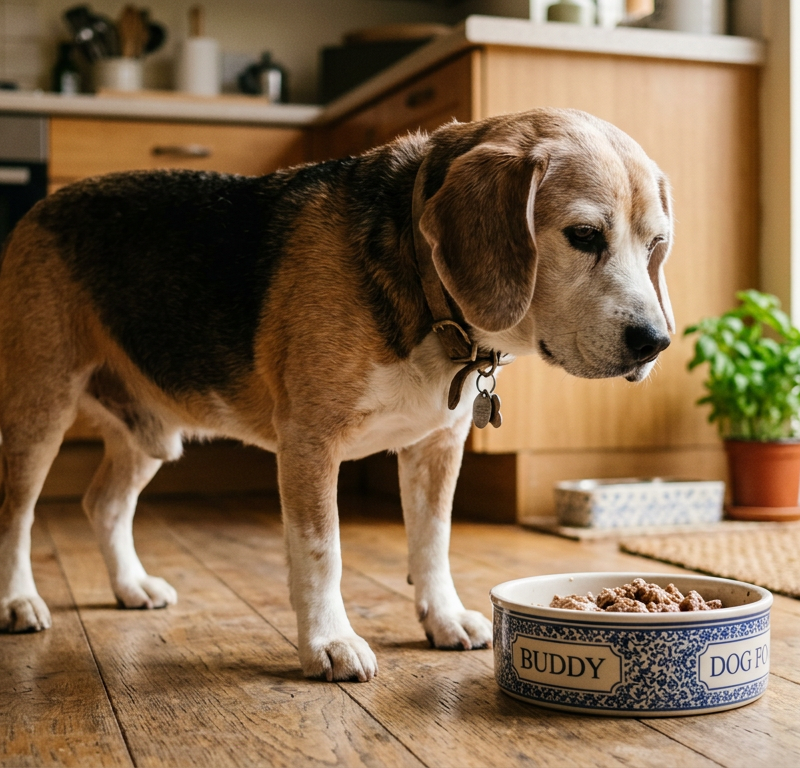
Watching your loyal companion grow silver around the muzzle is a beautiful journey, but it often comes with subtle changes in their daily habits. One of the most common concerns for pet parents is noticing a senior dog not finishing food anymore after years of enthusiastic eating. While a hearty appetite is often seen as a sign of health, a decrease in interest doesn't always indicate a major problem. Understanding the "why" behind these changes is the first step in supporting your dog through their golden years.
As dogs age, their metabolic needs and sensory experiences shift significantly. What was once a high-energy furnace for calories may now be a slower, more deliberate system. By observing these changes with a proactive mindset, you can adjust their environment and nutrition to ensure they remain comfortable and well-nourished. Let's explore the various factors that influence a senior dog's appetite and how you can help.
The Natural Slowdown of Senior Metabolism
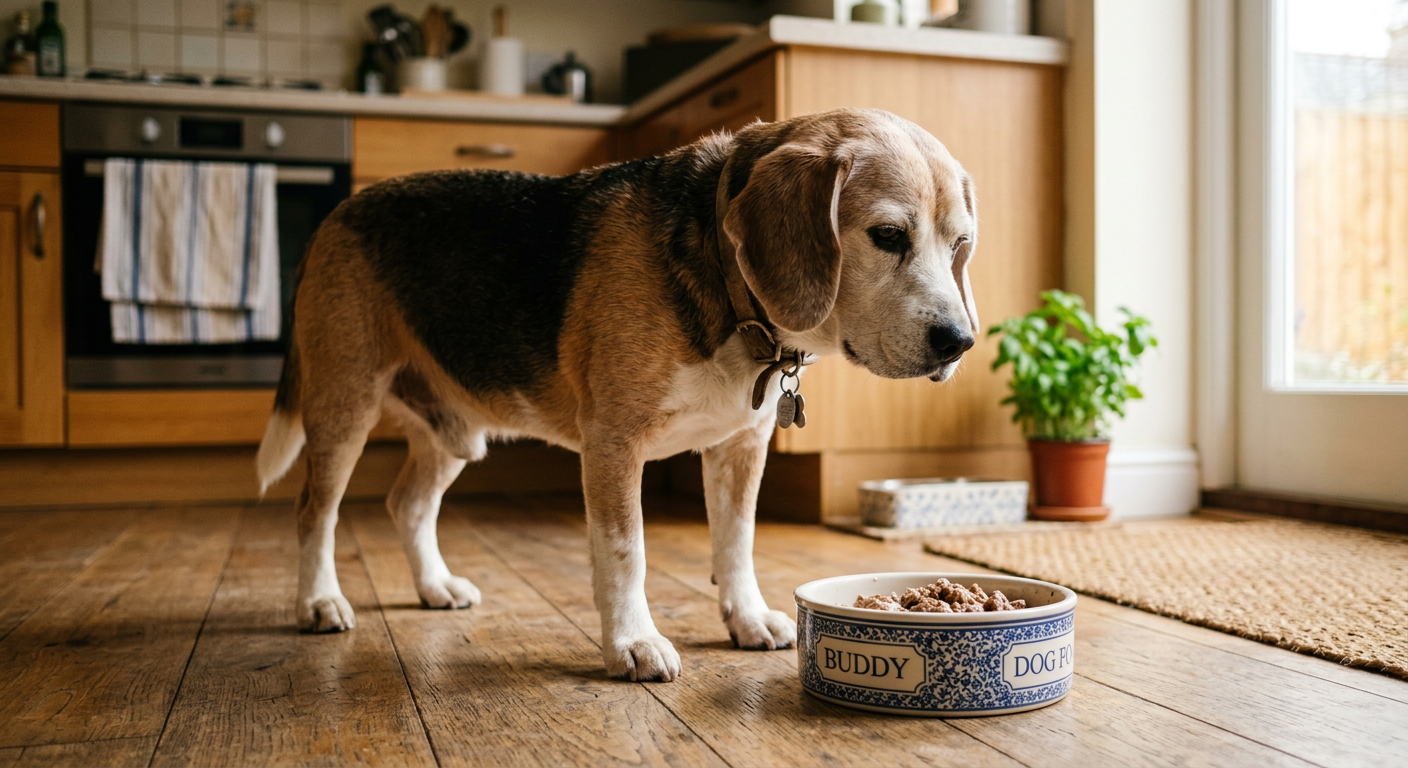
One of the most frequent reasons for a senior dog not finishing food anymore is a simple decrease in energy requirements. Older dogs generally move less, sleep more, and lose a bit of their lean muscle mass. Because they aren't burning as many calories as they did in their youth, their body naturally signals them to eat less. You can learn more about these physical shifts in our guide on old dog losing muscle mass in back legs.
When a dog's activity level drops, their caloric intake needs to follow suit. If you are still serving the same portion sizes as you did when they were five years old, they may simply be "full" halfway through the bowl. This isn't necessarily a loss of appetite, but rather a proper self-regulation of energy needs. Adjusting to a senior-specific formula can often help balance these changing nutritional requirements.
Changes in Digestion
As dogs age, their digestive systems may become slightly less efficient at processing certain ingredients. This can lead to a feeling of fullness or mild gas, which might make them hesitate to finish a large meal. Smaller, more frequent feedings can sometimes resolve this issue by putting less strain on the digestive tract.
Muscle Maintenance and Protein
While they need fewer calories overall, senior dogs often require high-quality, easily digestible protein to maintain their existing muscle. If their current food is high in fillers but low in usable protein, they might feel unmotivated to eat. Transitioning to a diet specifically formulated for seniors can make a noticeable difference in their enthusiasm at mealtime.
Dental Health and Oral Comfort
If your dog approaches the bowl with interest but stops eating after a few bites, the issue might be physical discomfort rather than a lack of hunger. Dental issues are very common in older pets. Tartar buildup, gingivitis, or a fractured tooth can make crunching on hard kibble a painful experience. When it hurts to chew, the dog will naturally stop eating before they are actually finished.
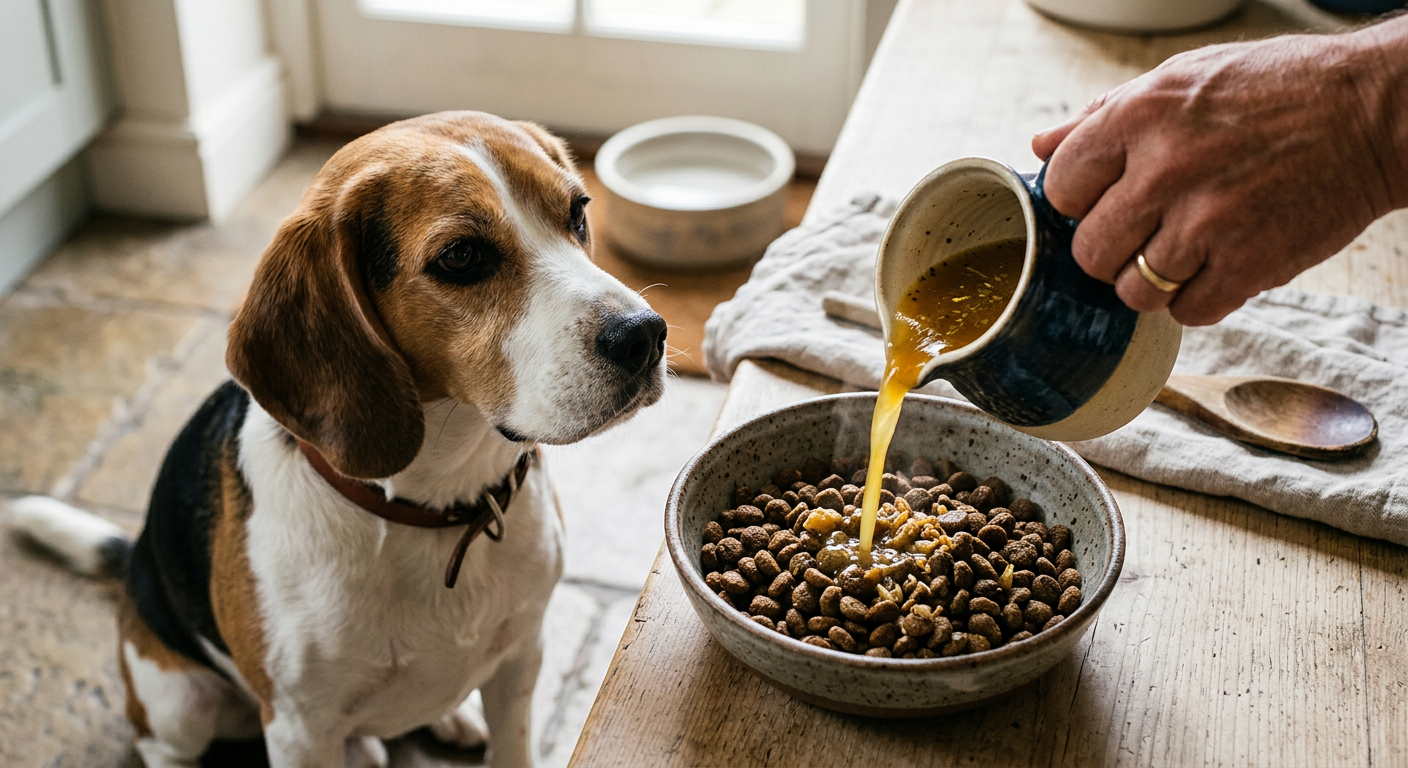
Softening their food with warm water or a low-sodium bone broth can often provide immediate relief. This makes the meal easier to lap up and reduces the need for heavy chewing. If you notice your dog dropping food out of their mouth or tilting their head strangely while eating, a veterinary dental checkup is a great next step to ensure their mouth is healthy.
The Impact of Sensory Decline
A dog's sense of smell is their primary gateway to tasting and enjoying food. As dogs age, their olfactory senses can dull, making their once-delicious kibble seem bland and unappealing. If they can’t smell the "good stuff," they are much less likely to have a robust appetite. This sensory decline is a natural part of the aging process, much like vision or hearing loss.
- Warm up wet food to release enticing aromas.
- Add a "topper" like a spoonful of canned pumpkin or plain yogurt.
- Switch to foods with a stronger natural scent, such as those featuring fish.
- Ensure the food is fresh; stale kibble loses its scent quickly.
By amping up the aroma of the meal, you can often reignite the interest of a senior dog not finishing food anymore. It turns mealtime back into a sensory highlight of their day. You can also compare different high-quality life-stage diets using our tool for breeds like the Golden Retriever and Labrador Retriever to see which formulas prioritize aroma and palatability.
Environmental and Cognitive Factors
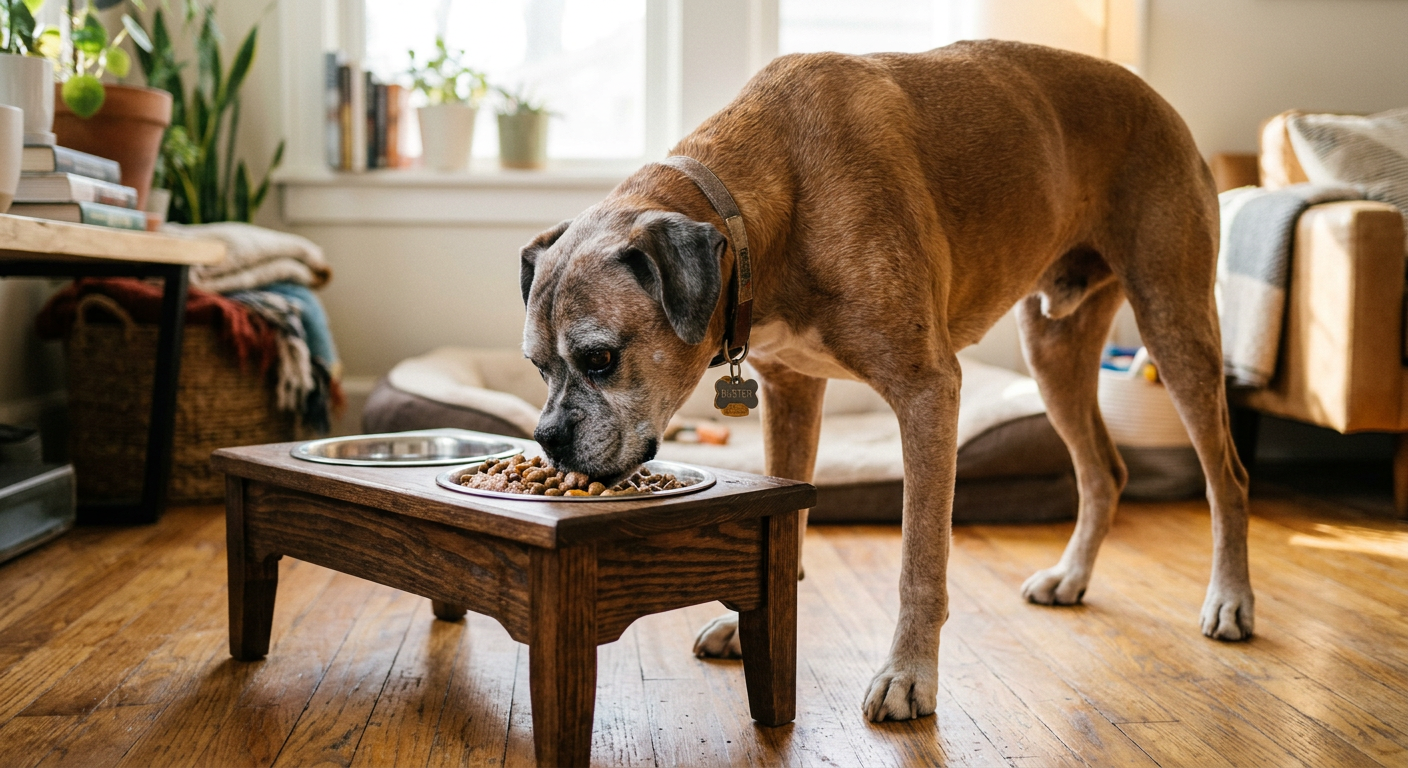
Sometimes the reason for a change in eating habits isn't the food itself, but where and how it is served. Senior dogs often suffer from arthritis, which can make bending down to a floor-level bowl uncomfortable. If standing for five minutes to finish a meal causes joint pain, they might walk away early just to get off their feet. Using an elevated feeder can significantly improve their posture and comfort during meals.
Cognitive changes can also play a role in nighttime or mealtime behaviors. Some senior dogs become easily distracted or forget they were eating if there is too much noise in the house. For dogs experiencing cognitive decline, keeping a strict routine and a quiet, dedicated feeding area can help them stay focused on the task at hand. If your dog also exhibits unusual behaviors like staring into space, it might be worth mentioning these combined signs to your veterinarian.
Identifying "Pickiness" vs. Wellness Concerns
It is important to distinguish between a "fussy" eater and a dog with a brewing health concern. If your senior dog stops eating entirely or loses weight rapidly, this requires professional attention. However, if they are still happy, active (for their age), and maintaining a stable weight despite leaving a few kibbles behind, they may simply be adjusting to their new "senior normal." Monitoring their weight and body condition score is the best way to track if they are getting enough nutrients.
The Role of Hydration
Older dogs can sometimes lose their sense of thirst along with their sense of hunger. Adding water to their food serves the dual purpose of hydrating them and making the food easier to eat. Proper hydration supports kidney function and overall metabolic health, which are vital for aging canines. Always ensure they have easy access to fresh water in multiple locations throughout the house.
Creating an Optimal Feeding Routine
Helping a senior dog not finishing food anymore often comes down to making small, thoughtful adjustments to their daily routine. Consistency is key for older animals who may find change stressful. Try to feed them at the exact same times each day and in a location where they feel safe from other pets who might try to "help" them finish their leftovers.
- Offer smaller portions more frequently (3-4 times a day).
- Use shallow, wide bowls to prevent "whisker fatigue" or discomfort.
- Place a non-slip mat under their feeding station to help them stand securely.
- Monitor their weight weekly to ensure their intake is sufficient.
If you're curious about how your dog's age compares to human years and how that might affect their needs, check out our German Shepherd age calculator or the specific calculator for your dog's breed. Knowing exactly where they are in their life stage can help you set realistic expectations for their appetite and energy levels.
When to Consult Your Veterinarian
While many appetite changes are part of the normal aging process, a senior dog not finishing food anymore should always be monitored closely. If the decreased appetite is accompanied by vomiting, diarrhea, lethargy, or a sudden change in water consumption, it’s time to schedule a wellness visit. Your vet can run routine blood work to check on organ function and ensure there isn't an underlying reason for the change.
Regular checkups are the cornerstone of senior care. These visits allow you to discuss nutritional adjustments, joint supplements, and any concerns you have about their changing habits. Most of the time, a few simple tweaks to their diet and environment are all that’s needed to keep them happy and satisfied at mealtime.
Sharing your life with a senior dog is a privilege. By paying close attention to their subtle signals and adapting to their changing needs, you ensure their final years are full of comfort and love. Whether it's adding a splash of broth or elevating their bowl, these small acts of care make a world of difference to your aging friend.