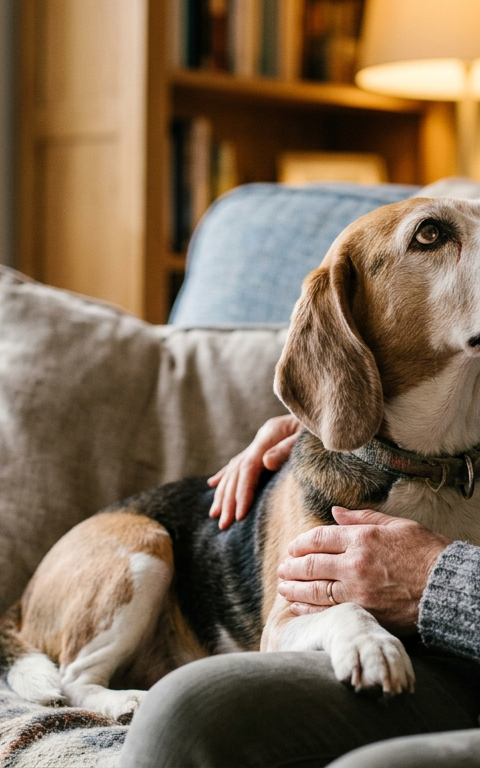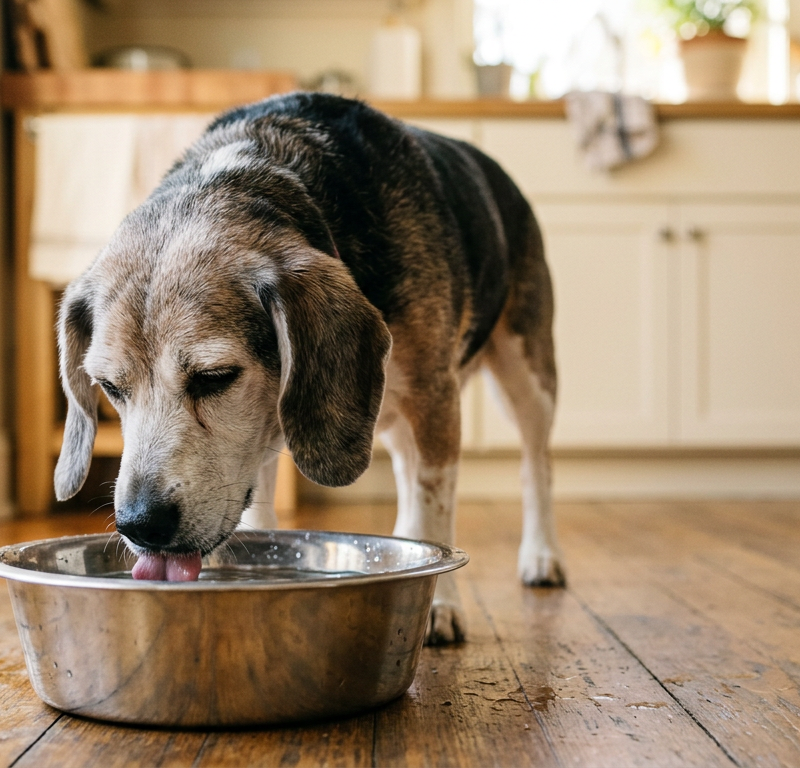
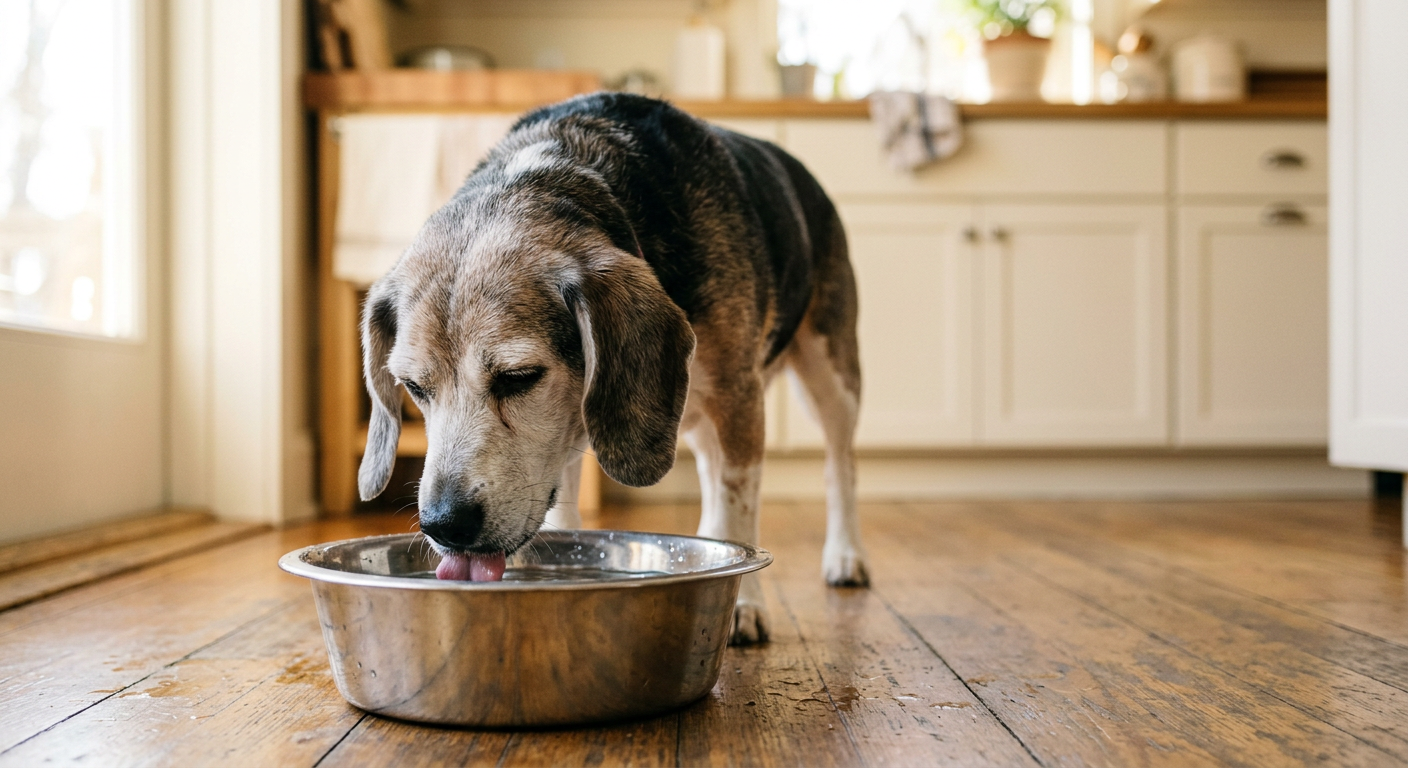
Watching your loyal companion enter their golden years is a rewarding experience, but it often comes with a new set of observations for pet parents. One common change owners notice is an old dog drinking a lot of water suddenly. While staying hydrated is essential for canine health, a dramatic increase in thirst—medically known as polydipsia—usually signals that your dog's body is trying to maintain a delicate internal balance.
When an aging pet begins visiting the water bowl more frequently, it is often accompanied by polyuria, or increased urination. This shift can be subtle at first, perhaps noticed only because you are refilling the bowl more often or seeing more frequent requests to go outside. Understanding the "why" behind these changes is the first step in providing the proactive care your senior dog deserves during their later life stages.
If you are curious about how your pet's age compares to human years, checking a Labrador Retriever age calculator can provide helpful context for their life stage. Knowing where they stand in their senior journey helps you better interpret new behaviors and physical changes.
Common Reasons for Increased Thirst in Senior Dogs
As dogs age, their organ systems may not function with the same efficiency they once did. Several wellness considerations can lead to a senior dog drinking more than usual. Kidney function is often at the top of the list, as the kidneys become less effective at concentrating urine, requiring the dog to drink more to flush out metabolic waste.
Endocrine disorders are also frequently seen in older pets. Conditions like Diabetes Mellitus or Cushing’s Disease (hyperadrenocorticism) disrupt the body's hormonal balance, leading to excessive thirst. In many cases, the body is attempting to dilute high levels of glucose or compensate for overactive adrenal glands by flushing the system with water.
The Role of Diet and Medication
Sometimes, the cause is external rather than internal. If your veterinarian has recently prescribed a new medication, such as a diuretic for heart health or a steroid for inflammation, you might see your dog consuming more liquid as a side effect. Even a change in diet, such as moving from wet food to dry kibble, can cause a noticeable uptick in daily water consumption.
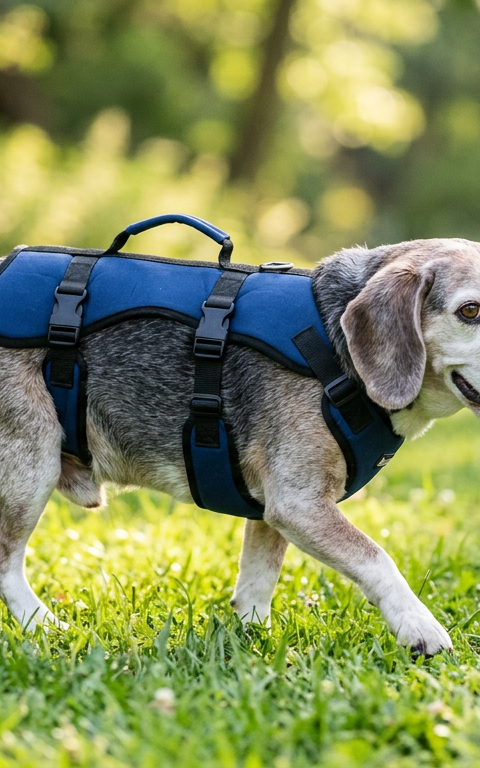
It is also worth noting that some senior dogs may experience a loss of mobility. They might drink a large amount at once because it is difficult for them to get up and walk to the bowl frequently. If you notice your senior dog stumbling when walking, they may be timing their hydration around when they feel strongest, leading to "binge drinking" episodes.
How to Monitor Your Dog's Water Intake
Before heading to the vet, it is helpful to have concrete data. To determine if an old dog is drinking a lot of water suddenly, you should measure exactly how much they consume over a 24-hour period. A general rule of thumb is that a healthy dog drinks about one ounce of water per pound of body weight, though this varies based on activity level and diet.
- Use a measuring cup to fill the water bowl to a specific level each morning.
- At the end of the day, measure how much is left.
- Keep a log for 3 to 5 days to see if the increased thirst is consistent or sporadic.
- Note any other changes, such as accidents in the house or a change in appetite.
Sharing this log with your veterinarian can significantly speed up the diagnostic process. It helps them differentiate between a dog who is simply thirsty due to a warm day and a dog who is experiencing a clinical change in hydration needs.
Diagnostic Steps for Excessive Thirst
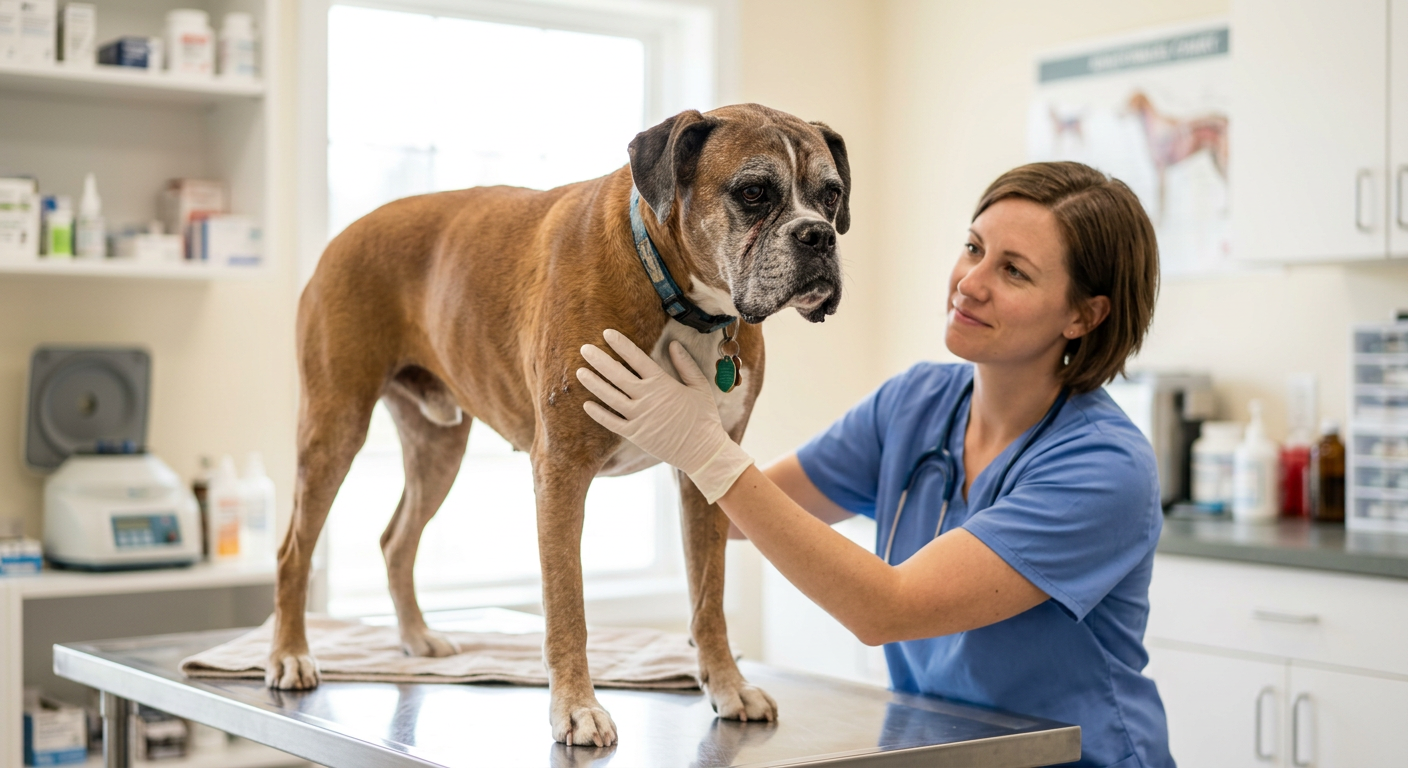
When you visit the clinic, your vet will likely start with a physical exam and a discussion of your dog's lifestyle. Because excessive drinking can stem from various underlying factors, diagnostic testing is the most reliable way to find answers. A standard geriatric wellness panel usually includes a Complete Blood Count (CBC), a chemistry profile, and a urinalysis.
The urinalysis is particularly vital. It checks the "specific gravity" of the urine, which tells the vet how well the kidneys are concentrating fluids. If the urine is very dilute, it confirms that the water is passing through the system without being properly filtered. Further tests, like an ultrasound or specific hormone screenings, might be recommended based on those initial results.
Differentiating Between Behavior and Wellness
While most cases of increased thirst in seniors are physical, some are cognitive. Some older dogs develop a condition similar to dementia, which might cause them to "forget" they just drank or lead to repetitive behaviors. If you find that your elderly dog stares into space or seems confused near their water station, mention these behavioral clues to your vet as well.
Managing Hydration at Home
If your senior dog is diagnosed with a condition that increases thirst, management becomes the primary goal. Never withhold water from a dog who is drinking excessively unless specifically instructed by a vet for a short-term test. Withholding water can lead to rapid dehydration if their body is unable to conserve fluids naturally.
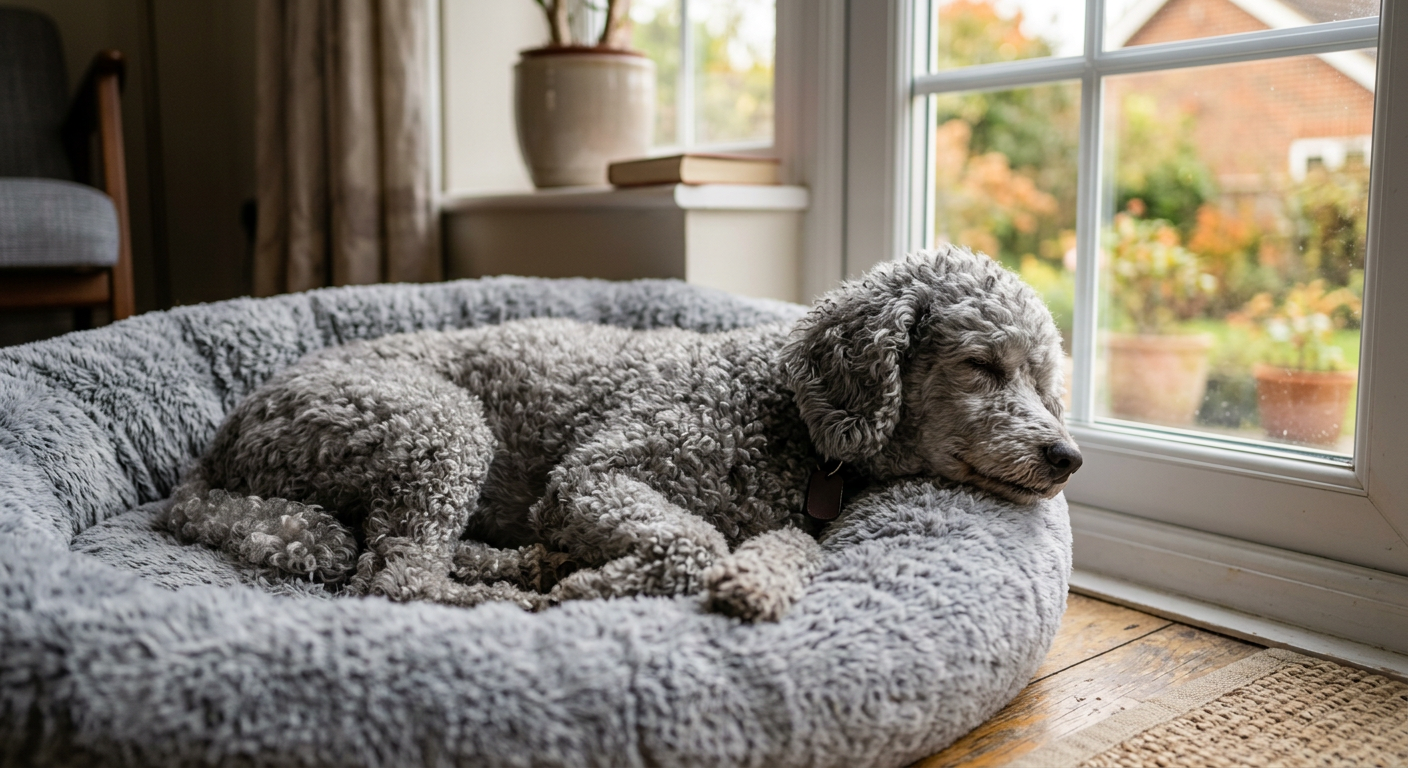
To make life easier for a dog with increased thirst, consider placing multiple water bowls throughout the house. This ensures they don't have to travel far when they feel the urge to hydrate. Using raised bowls can also help dogs with arthritis drink more comfortably without straining their necks or front legs.
Adapting Your Routine
Increased drinking inevitably leads to more frequent bathroom breaks. You may need to adjust your schedule to allow for a late-night walk or an early-morning outing. For dogs struggling with bladder control due to the high volume of fluid, using puppy pads or specialized indoor turf can prevent accidents and reduce stress for both you and your pet.
Monitoring their muscle condition is also wise during this time. Sometimes, metabolic issues that cause thirst can also affect physical strength. Observing if an old dog is losing muscle mass in back legs alongside their thirst can provide your vet with a bigger picture of their overall metabolic health.
Conclusion
Noticing an old dog drinking a lot of water suddenly can feel overwhelming, but it is simply a signal from your pet's body that it needs a little extra support. By staying observant and working closely with your veterinary team, you can manage many of the underlying causes effectively. Whether the solution involves a simple diet change or ongoing medication, your proactive steps ensure your dog remains comfortable and well-hydrated throughout their senior years.
Every dog ages differently, and comparing traits can sometimes offer peace of mind. For example, looking at a German Shepherd vs Labrador Retriever comparison can show how different breeds handle the aging process and common senior health milestones. Remember, your vet is your best partner in navigating these changes and keeping your senior companion happy and healthy.