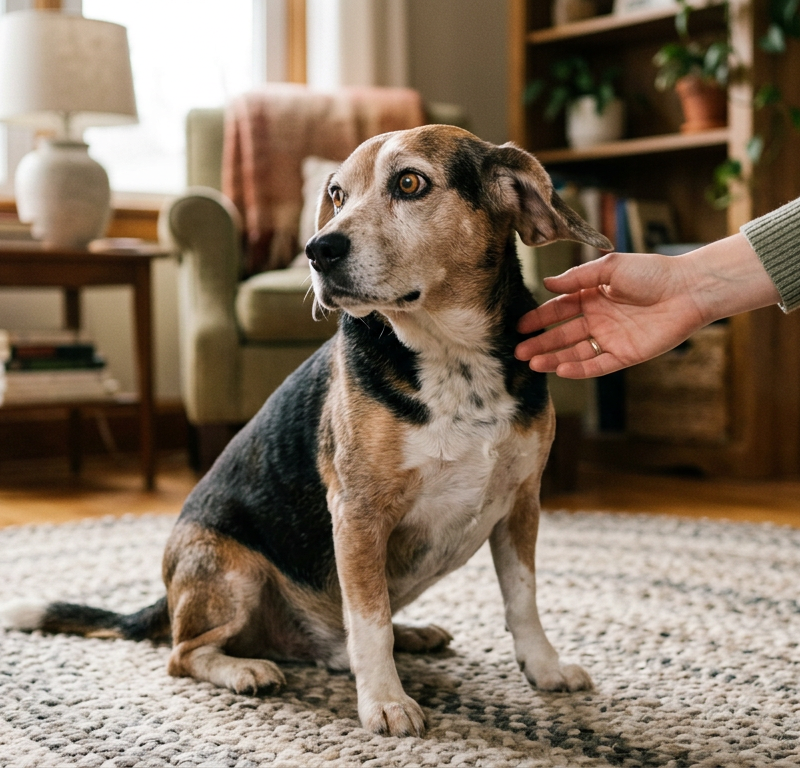
As our canine companions enter their golden years, we often notice subtle shifts in their personalities and physical reactions. One of the most common questions pet parents ask is, "why does my senior dog flinch when I pet him?" It can be a bit surprising when a dog that once leaned into every touch suddenly recoils or seems startled by a gentle hand.
Understanding these changes is a vital part of proactive care for aging pets. In most cases, flinching isn't a sign of a behavioral problem but rather a physiological response to the aging process. By identifying the root cause, you can adjust your interactions to ensure your furry friend feels safe, comfortable, and loved throughout their senior years.
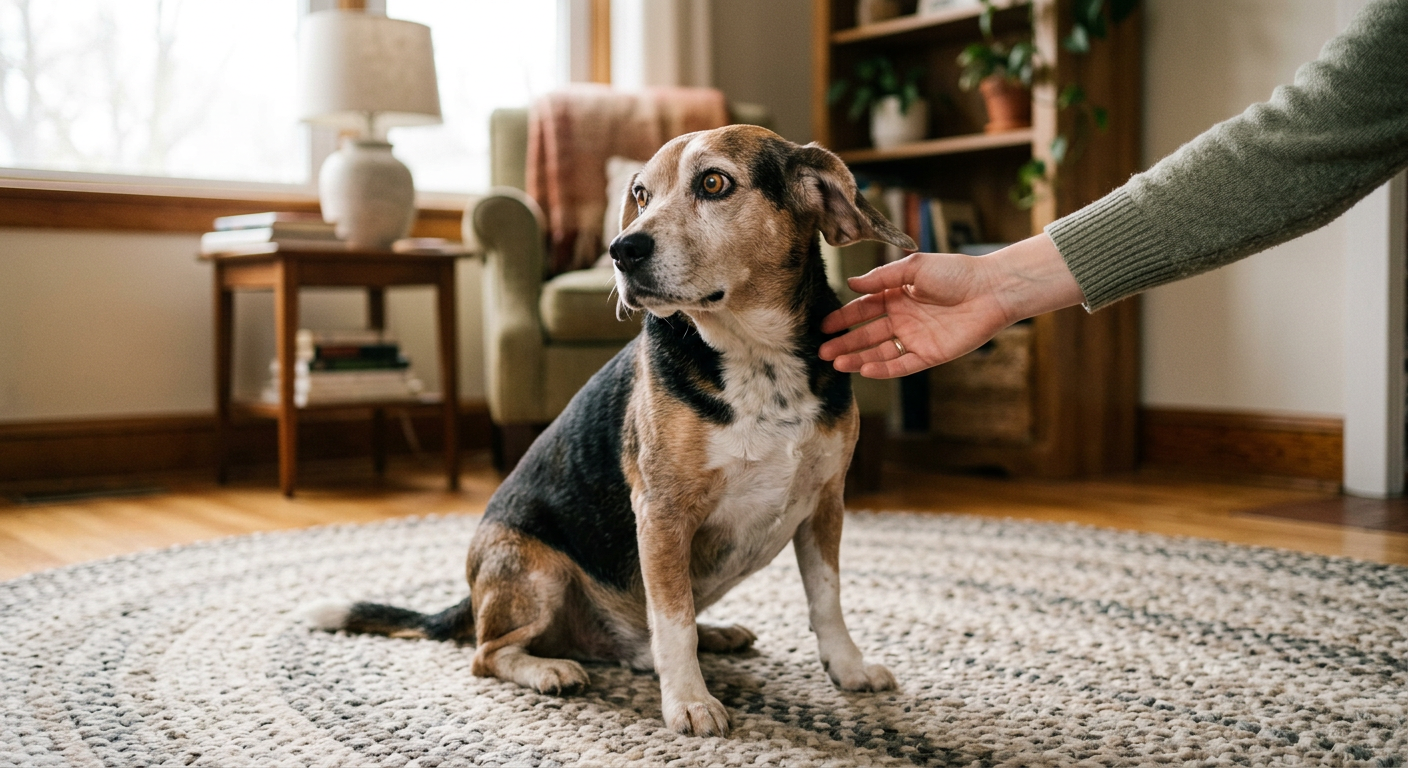
Sensory Changes and Startle Responses
One of the most frequent reasons a senior dog might pull away is a decline in their primary senses. Just like humans, dogs experience changes in their vision and hearing as they age. If your dog cannot see your hand approaching or hear your footsteps, a sudden touch can be quite startling.
Vision Impairment
Conditions like cataracts or nuclear sclerosis are common in older dogs. These conditions can create cloudy vision or peripheral blind spots. If you approach your dog from the side or reach over their head, they may not realize you are there until the moment of contact, causing a reflexive flinch.
Hearing Loss
Age-related hearing loss, or presbycusis, means your dog might not hear you call their name or walk across the room. When you touch a dog that is resting or preoccupied, and they haven't heard you coming, their natural "startle reflex" kicks in. This is especially common in breeds like the German Shepherd, who are often very alert to their surroundings.
Physical Discomfort and Wellness Considerations
Physical sensitivity is another major factor when considering why an older dog reacts to touch. As dogs age, their bodies undergo various changes that can make certain areas more sensitive than they used to be. It is always best to consult a veterinarian if you notice new signs of physical discomfort.
Chronic conditions like arthritis or joint stiffness can make petting uncomfortable if the pressure is applied to a sore spot. Many owners also notice their old dog losing muscle mass in back legs, which can lead to instability and a feeling of vulnerability. When a dog feels unstable, they may flinch because they fear being pushed off balance.
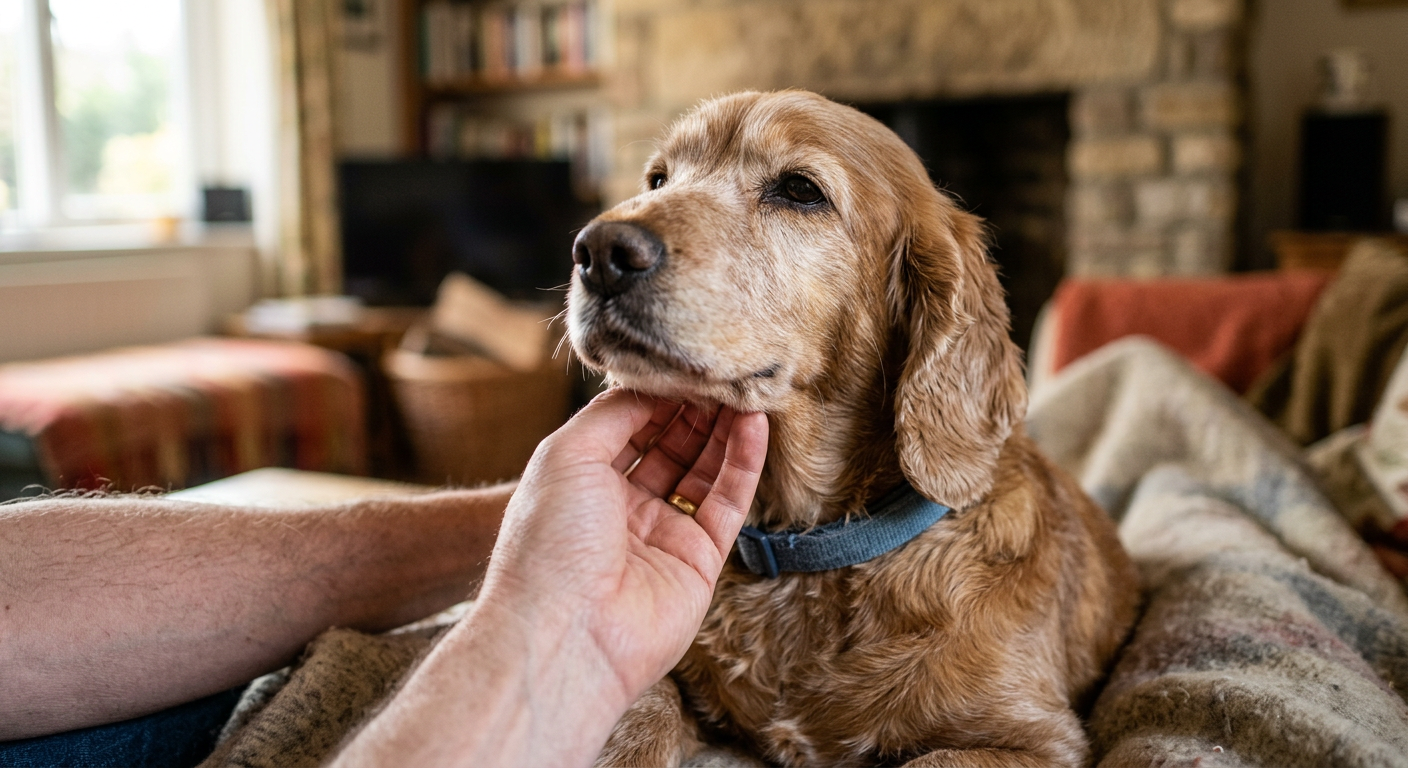
Skin Sensitivity and Lumps
Senior dogs are prone to developing lipomas (fatty tumors), sebaceous cysts, or simple skin thinning. A gentle stroke over a previously unnoticed lump might cause a sharp sensation. Additionally, older skin can lose its elasticity, making the tugging of fur during petting feel more intense than it did in their youth.
Cognitive Changes in Aging Dogs
Cognitive dysfunction syndrome (CDS) is the canine version of dementia. It can lead to confusion, disorientation, and altered responses to familiar stimuli. A dog experiencing cognitive decline might forget who is petting them for a brief second or feel overwhelmed by sensory input.
You might notice other signs along with flinching, such as your elderly dog staring into space or wandering aimlessly. In these instances, the flinch is less about physical pain and more about a momentary lack of recognition or environmental awareness. Keeping a consistent routine can help reduce the anxiety associated with these cognitive shifts.
How to Approach Your Senior Dog Safely
If your senior dog has become touch-sensitive, you don't have to stop showing them affection. You simply need to change your approach to match their new needs. Making a few small adjustments to your daily routine can significantly reduce their stress levels.
- Announce yourself: Before touching your dog, speak softly to them from a distance. If they are hearing impaired, try flickering a light or gently tapping the floor so they feel the vibrations.
- Pet in their line of sight: Avoid reaching over your dog's head. Instead, bring your hand up from below their chin or pet their chest where they can see your movement clearly.
- Watch for body language: Look for subtle cues like ear position, lip licking, or "whale eye" (showing the whites of their eyes). These are signs that they might be feeling overwhelmed.
- Keep sessions short: Older dogs may have a lower threshold for stimulation. Several brief, gentle petting sessions are often better than one long one.
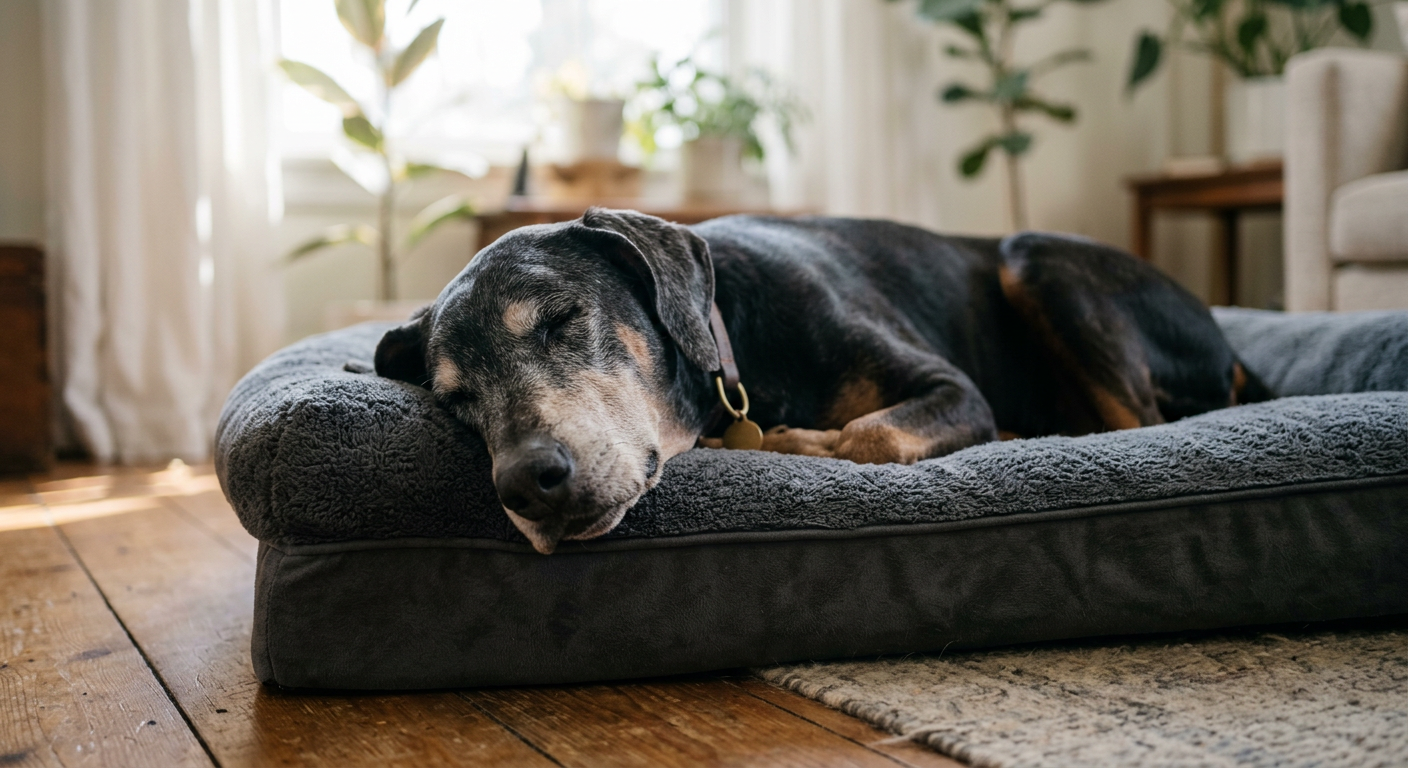
When to Consult Your Veterinarian
While flinching can be a normal part of the aging process, it can also indicate underlying health issues that require professional attention. A wellness exam is the best way to rule out hidden sources of pain or illness. You may want to compare how different breeds age; for example, a Boxer vs Labrador Retriever might show different signs of joint wear at the same age.
Be sure to mention to your vet if the flinching is accompanied by other changes, such as a senior dog not finishing food or a senior dog stumbling when walking. These symptoms together can help your vet create a comprehensive wellness plan, which might include supplements, pain management, or specialized diets to support their aging body.
Conclusion
Understanding why does my senior dog flinch when I pet him allows you to provide the best possible care during their twilight years. Whether the cause is failing eyesight, joint sensitivity, or cognitive changes, your patience and adaptations make a world of difference. By approaching your dog with mindfulness and respect for their changing physical boundaries, you can maintain the deep bond you have shared for a lifetime.
Remember that every dog ages differently. Staying observant and working closely with your veterinarian ensures that your senior dog remains comfortable, confident, and happy in their home environment. A flinch isn't a rejection of your love; it is simply a request for a little extra gentleness and understanding.