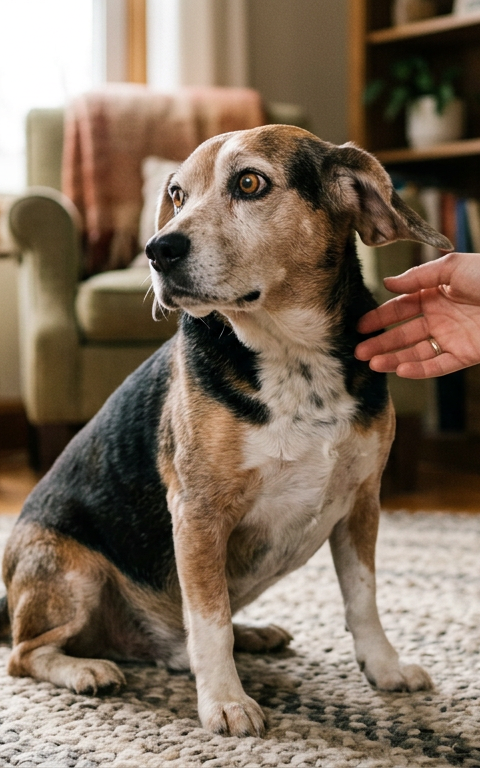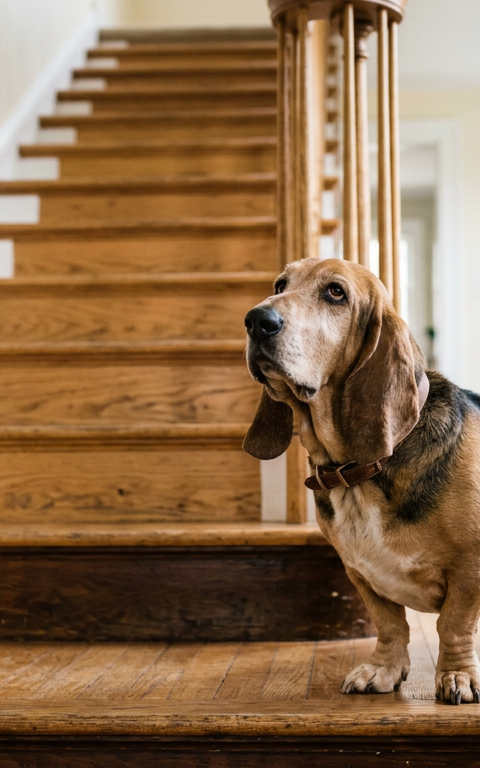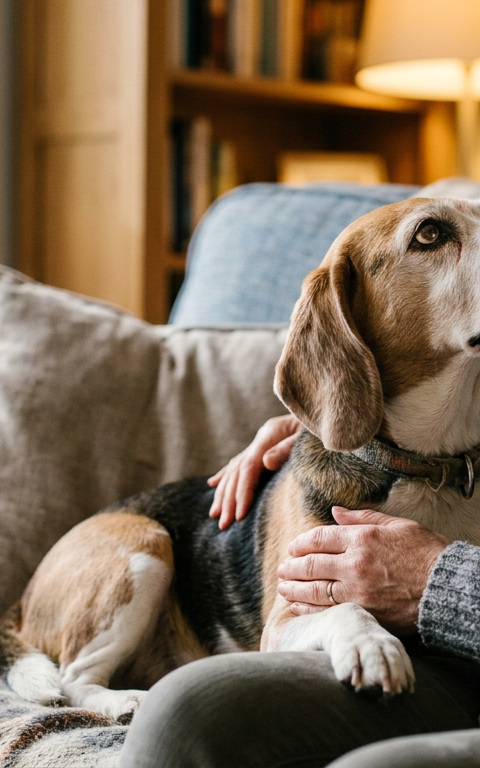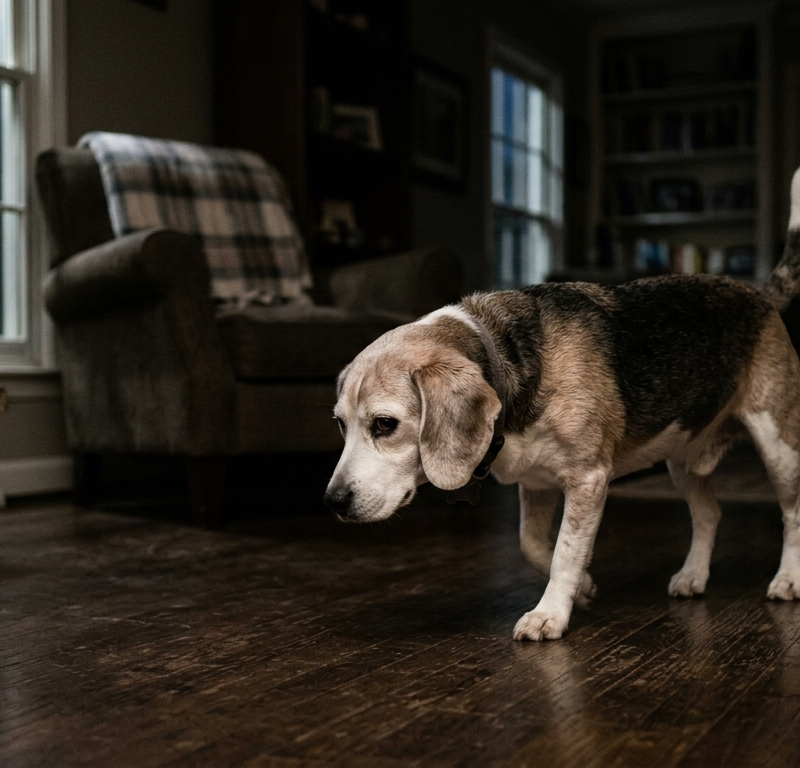
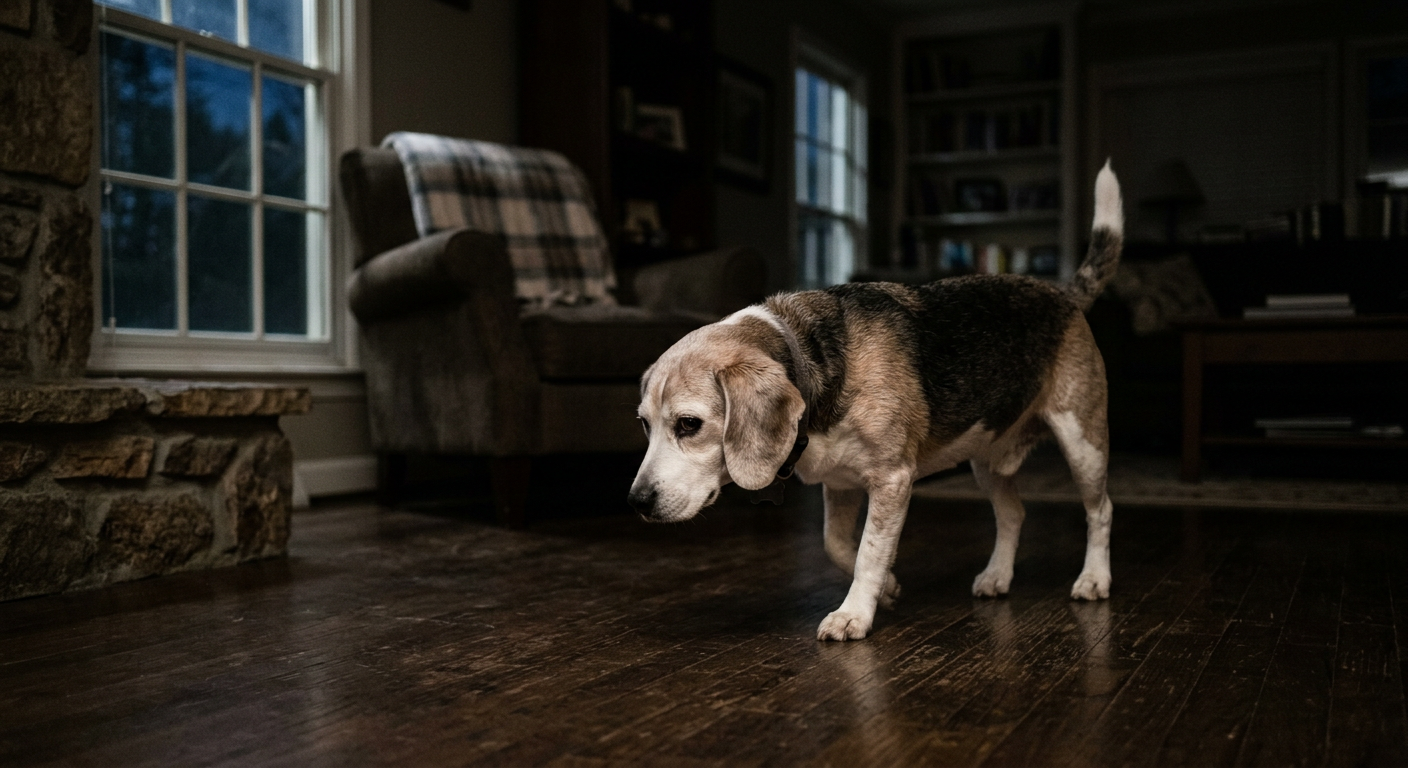
Watching your loyal companion enter their golden years is a rewarding experience, but it often brings new behaviors that can leave you feeling curious. If you find yourself asking why does my senior dog pace around at night, you are certainly not alone. Many pet parents notice their once-sleepy dogs becoming restless as the sun goes down, leading to midnight wandering and rhythmic clicking of paws on hardwood floors.
This behavior, often referred to as nighttime restlessness, is a common phase of the aging process in canines. While it can be a bit disruptive to your own sleep schedule, understanding the underlying reasons is the first step in helping your dog find comfort. From simple changes in their internal clock to manageable wellness considerations, there are many ways to support your senior dog's sleep quality.
Common Reasons for Nighttime Pacing in Older Dogs
As dogs age, their bodies and minds undergo significant shifts. One of the most frequent reasons for pacing is a change in their circadian rhythm. Just like humans, senior dogs may experience a "sundowning" effect where they become more active or confused as daylight fades. This can result in your dog wandering aimlessly through the house during hours they previously spent dreaming.
Physical discomfort is another major factor. A dog that was comfortable on a standard bed five years ago may now find it difficult to get settled. When a dog cannot find a comfortable position due to stiff joints, they often stand up and pace in an attempt to alleviate the pressure or find a "better" spot that doesn't exist. You might notice this more in larger breeds; for example, you can check the German Shepherd age calculator to see how your dog's life stage compares to human years and why joint support is so vital.
Cognitive Changes and Sensory Decline
Age-related cognitive decline, sometimes called Canine Cognitive Dysfunction (CCD), is a very common reason for a senior dog to pace at night. This condition can affect a dog's spatial awareness and memory. They may wake up in the dark, feel momentarily disoriented, and begin walking to reorient themselves. This often goes hand-in-hand with staring into corners or getting "stuck" behind furniture.
Loss of vision or hearing can also play a role. If a dog cannot see well in low light, the shadows of the night may be confusing. They pace to stay close to familiar scents or to find their human companions for a sense of security. If your dog is also showing signs of mental fog, you might find our guide on why does my elderly dog stare into space helpful for identifying similar patterns.
Physical Wellness and Nighttime Activity
Sometimes the reason for the midnight stroll is purely physiological. Senior dogs often have a reduced bladder capacity or may be processing fluids differently than they used to. If you have noticed your old dog drinking a lot of water suddenly, their nighttime pacing might simply be a polite, albeit silent, request to go outside for a bathroom break.
Metabolic changes or discomfort from internal systems can also cause a general sense of unease. Because dogs cannot tell us exactly where they feel "off," they use movement to manage the sensation. Pacing provides a rhythmic distraction from minor aches or the feeling of a full bladder. Consulting your veterinarian can help rule out these very manageable physical needs.
Creating a Restful Environment for Your Senior Dog
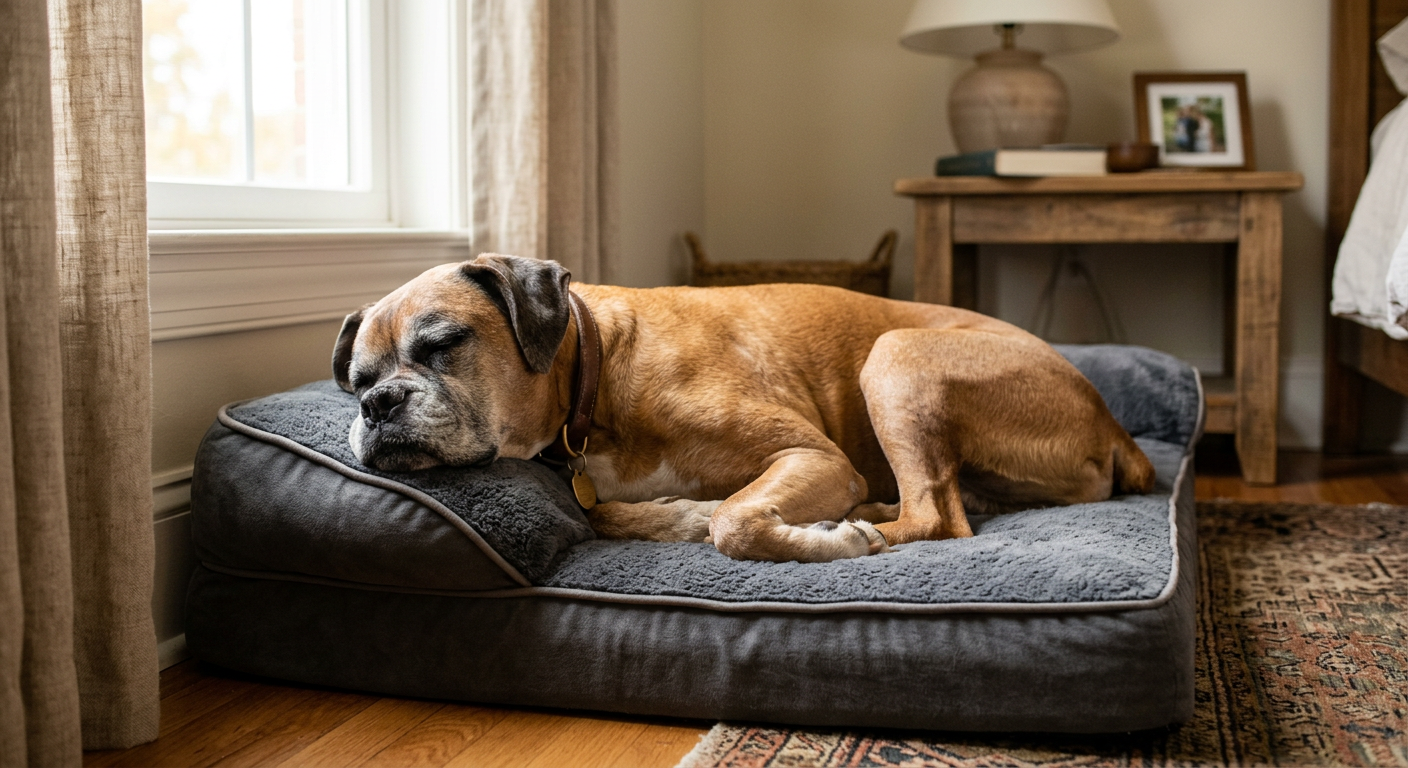
Improving your dog's sleep often starts with their immediate environment. Small adjustments to their sleeping area can make a significant difference in reducing the urge to pace. Consider these environmental upgrades to help your dog feel more secure at night:
- Orthopedic Bedding: High-quality memory foam beds provide better support for aging joints than soft, plush cushions.
- Night Lights: Placing low-level plug-in lights in hallways and near their bed can help visually impaired dogs navigate without confusion.
- Non-Slip Surfaces: If your dog paces because they feel unstable on tile or wood, adding yoga mats or rugs can provide the traction they need to feel safe.
- Pheromone Diffusers: Calming scents designed for dogs can create a soothing atmosphere that encourages relaxation.
Consistency is also key. Senior dogs thrive on predictable routines. Try to keep meal times, last-call bathroom breaks, and "lights out" at the same time every day. This helps reinforce their internal clock and signals to their brain that it is time to settle down for the night.
Managing Anxiety and Restlessness
Anxiety can manifest more frequently in older dogs as they become more dependent on their owners. Nighttime can feel lonely or quiet, triggering separation anxiety that wasn't there in their younger years. If your dog follows you from room to room or paces specifically when you go to bed, they may just be seeking reassurance.
Gentle activity during the day can also help. While a senior dog may not be able to go on long hikes, short "sniffari" walks are excellent for mental stimulation. A tired brain is often a quiet brain. Engaging their senses during the daylight hours can help them sleep more soundly through the night, reducing the frequency of nighttime wandering.
When to Consult Your Veterinarian
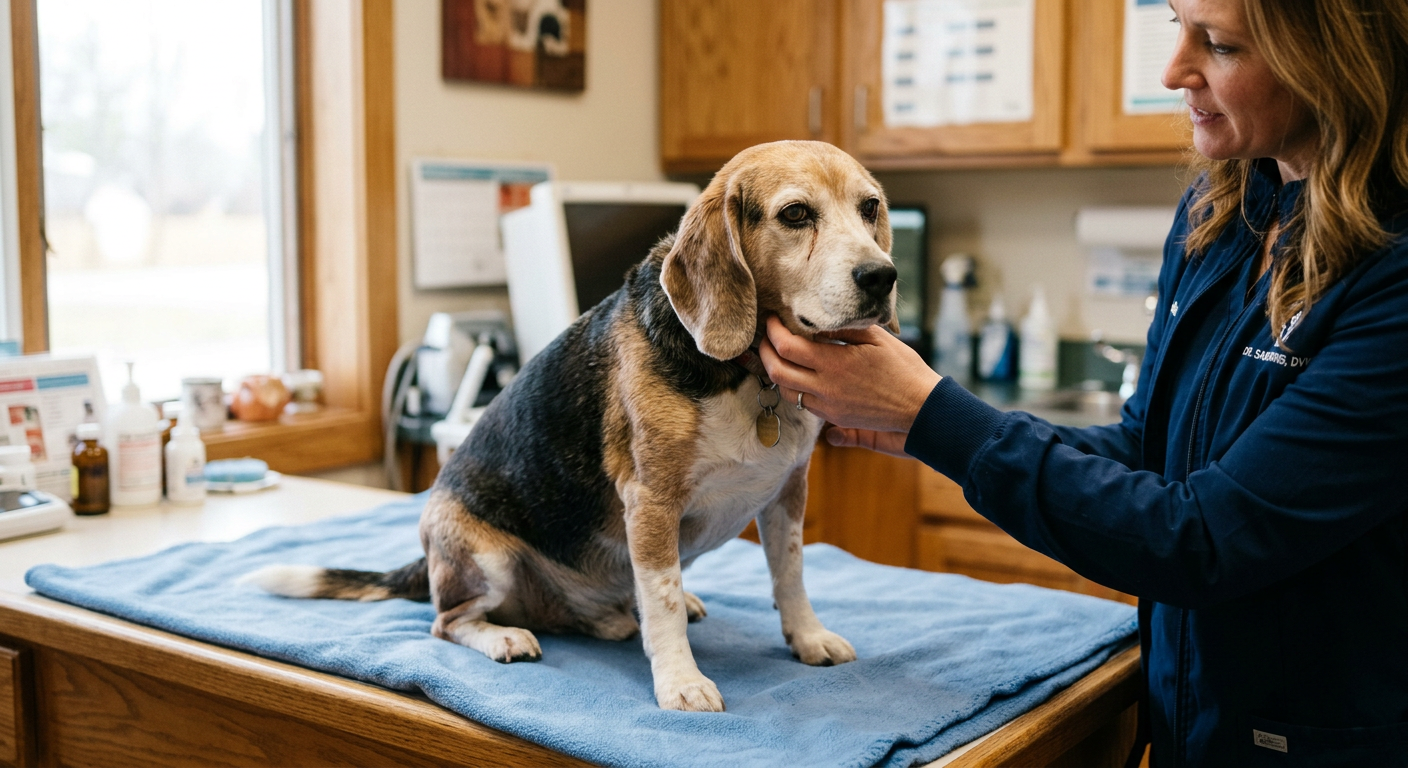
While pacing is a common part of aging, it is always a good idea to discuss new behaviors with your veterinarian. They can provide a professional assessment to ensure your dog is as comfortable as possible. Be prepared to share details such as:
- When the pacing usually starts and how long it lasts.
- Whether the dog seems distressed or is just calmly walking.
- Any other changes in appetite, thirst, or bathroom habits.
- If they are having trouble with mobility, such as a senior dog stumbling when walking during the day.
Your vet may suggest supplements, diet changes, or specific wellness plans tailored to your dog's breed and age. For instance, a Golden Retriever vs Labrador Retriever might have different predispositions for joint issues that contribute to restlessness.
Conclusion
It can be worrying to hear your companion moving about while the rest of the house is still, but understanding why does my senior dog pace around at night helps you approach the situation with patience and care. Most often, this behavior is a combination of natural aging, a desire for comfort, and a few minor "glitches" in their internal clock. By optimizing their environment and maintaining a steady routine, you can help your old friend enjoy their senior years with peace and plenty of restful sleep.