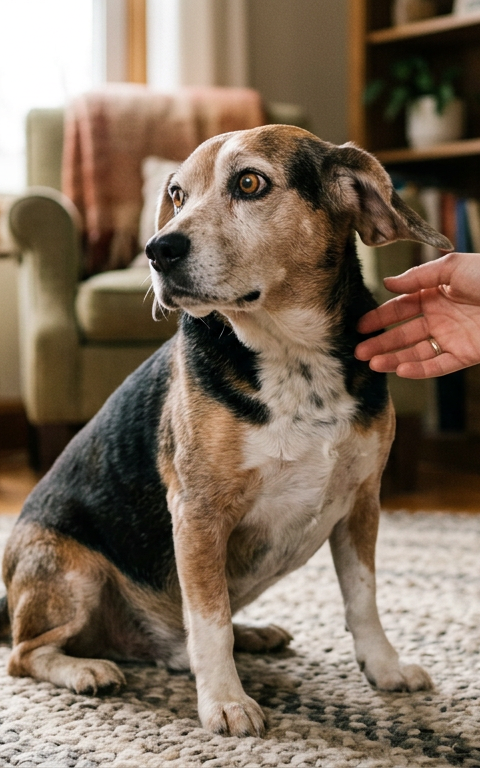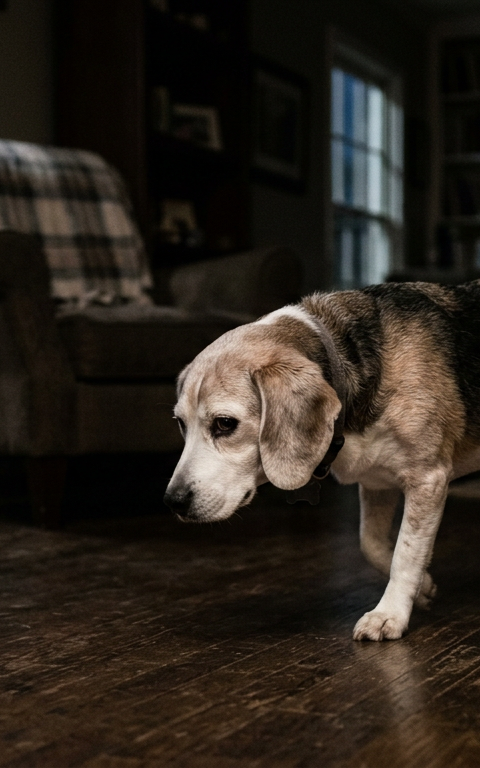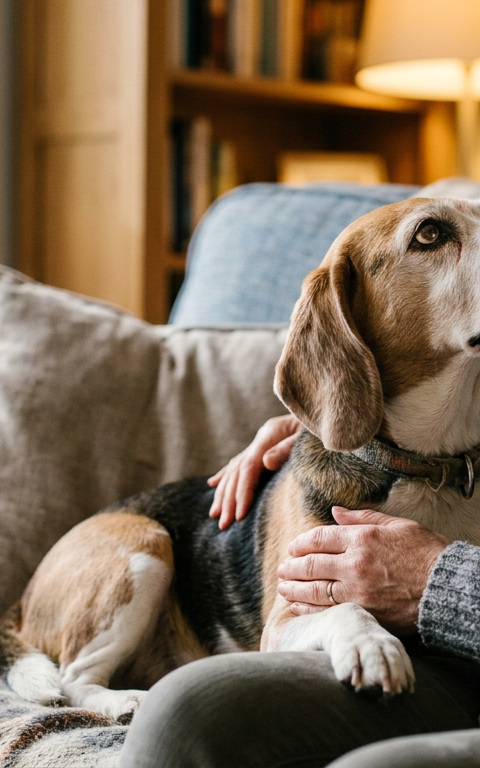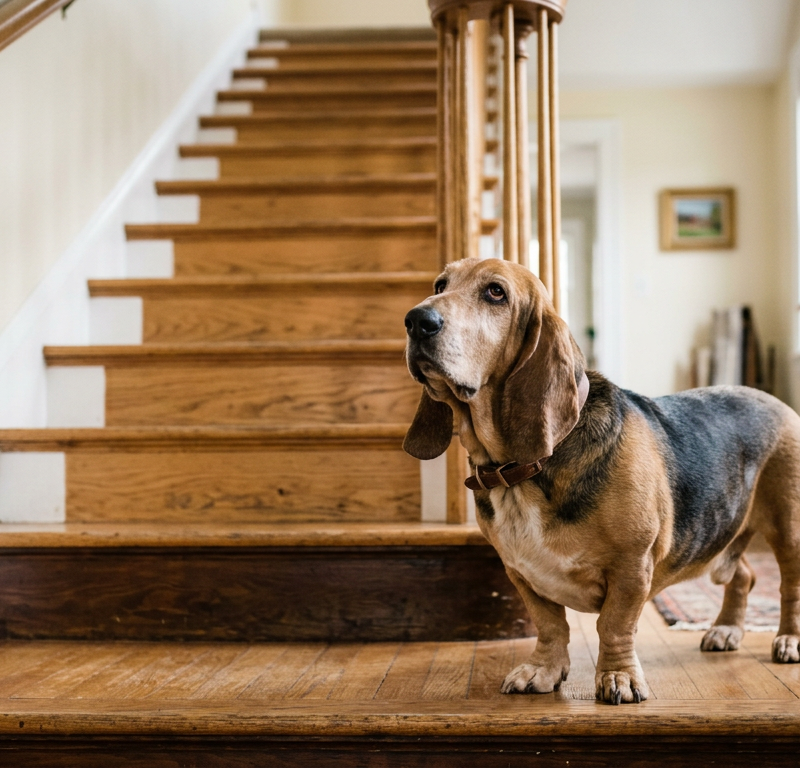
Watching your loyal companion slow down is a natural part of the aging process, yet it can still bring up many questions for pet parents. If you have started noticing that your furry friend pauses at the bottom of the staircase, you might be wondering, why does my older dog hesitate before climbing stairs? This behavior is a common signal that your dog’s physical needs are changing, and understanding the "why" is the first step in keeping them comfortable.
Hesitation isn't just a sign of getting older; it is often a calculated decision by your dog. They are assessing the task ahead and determining if their body is up for the challenge. By paying close attention to these subtle cues, you can provide the proactive care your senior dog deserves. Let's explore the physical and cognitive reasons behind this change in behavior.
Understanding Physical Discomfort and Joint Health
The most frequent reason a senior dog pauses before an incline is physical discomfort. As dogs age, the cartilage in their joints can wear down, leading to conditions like osteoarthritis. Climbing stairs requires a significant amount of power from the hind legs and stability from the hips, which can be taxing if those areas are sore.
If your dog is a larger breed, such as a Labrador Retriever, they may be more prone to hip and elbow issues. When they look up at a flight of stairs, they aren't just seeing steps; they are seeing a series of movements that might cause a temporary ache. You might notice them shifting their weight or "bunny hopping" with their back legs to minimize the impact.
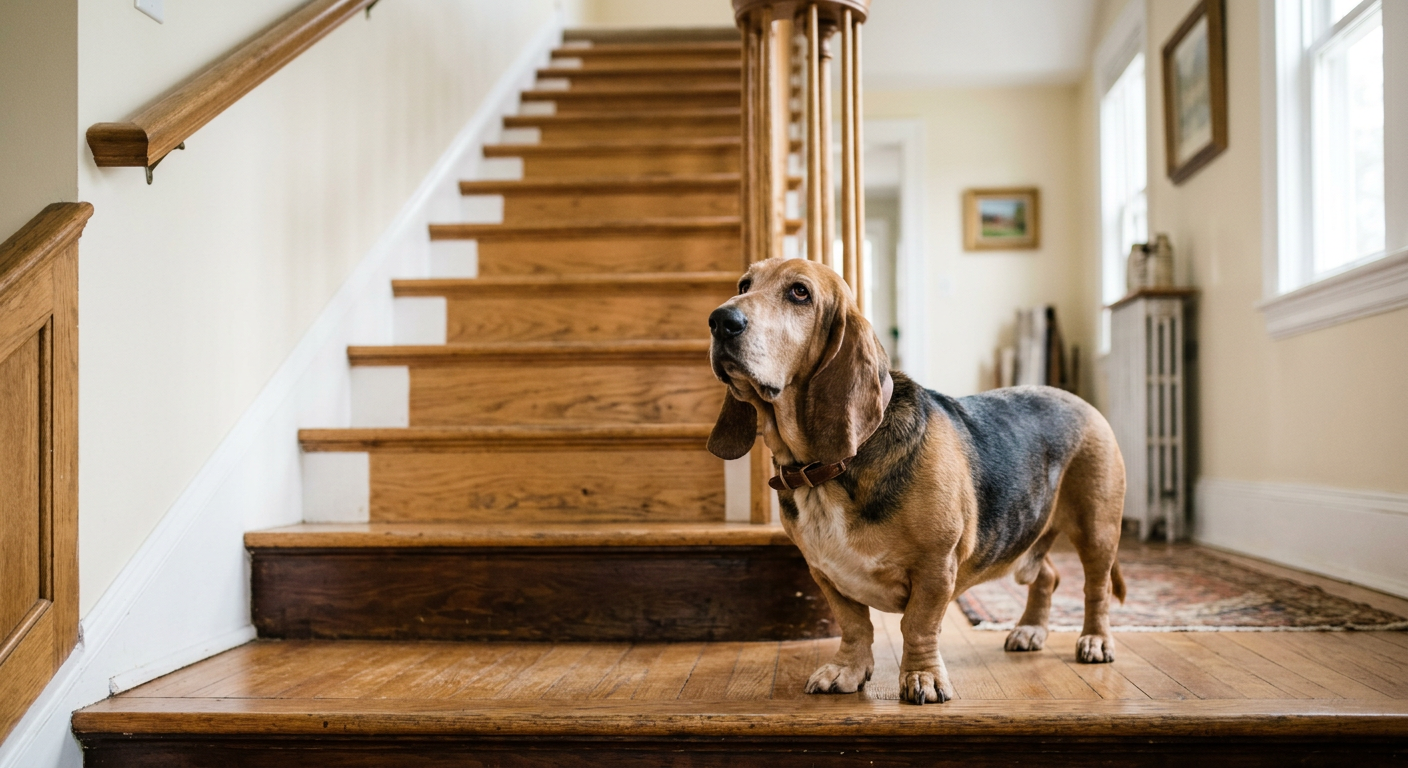
Muscle Weakness and Sarcopenia
Beyond joint health, general muscle loss plays a role. This condition, known as sarcopenia, is common in aging pets. When a dog loses strength in their glutes and thighs, the lift required to move to the next step becomes much harder. You can read more about identifying old dog losing muscle mass in back legs to see if this matches your pet's current condition.
Vision Changes and Depth Perception
Sometimes the issue isn't with the legs at all, but with the eyes. Senior dogs often develop nuclear sclerosis or cataracts, which can cloud their vision. This makes it difficult for them to judge the height of a step or the distance between landings. A dog who cannot see clearly will naturally hesitate because they aren't sure where to place their paws safely.
Cognitive Changes and Environmental Awareness
Aging affects the brain just as much as the body. Canine Cognitive Dysfunction (CCD) can lead to moments of confusion or spatial disorientation. Your dog might stand at the stairs and simply forget what they were intending to do, or they may feel overwhelmed by the environment. If you notice other signs, such as your why does my elderly dog stare into space, these could be related cognitive shifts.
A senior dog might also develop a fear of falling if they have had a previous slip. Once a dog loses their footing on a wooden or tiled staircase, they remember that experience. This learned caution manifests as a long pause or a refusal to climb until they feel absolutely secure.
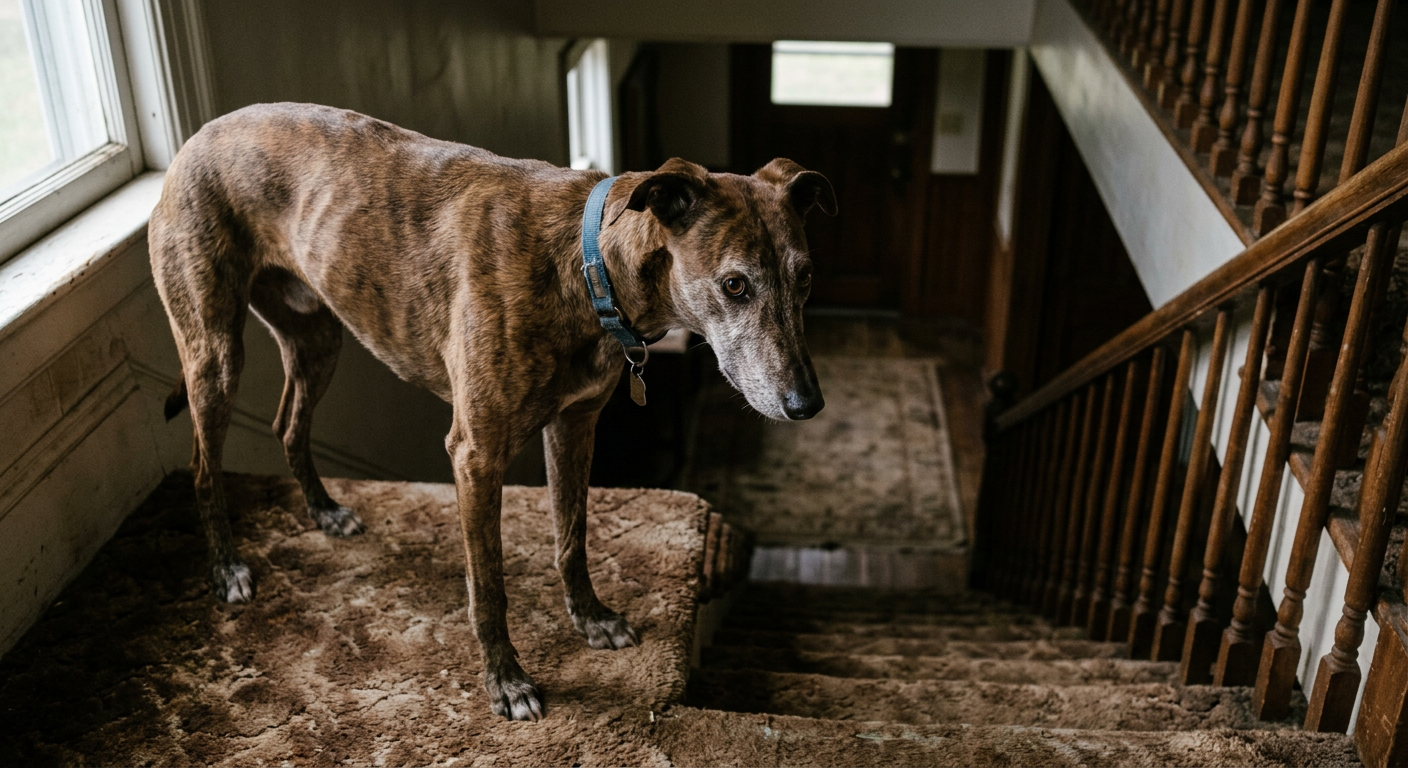
Identifying Secondary Symptoms
When your dog pauses before the stairs, it is rarely an isolated event. You should look for a cluster of signs that indicate how they are feeling overall. Consider the following questions:
- Are they also struggling to stand up after a long nap?
- Do they seem to be senior dog stumbling when walking on flat ground?
- Have they become more reluctant to jump into the car or onto the sofa?
- Is there a noticeable change in their gait, such as a slight limp or stiff movement?
How to Support Your Senior Dog at Home
The good news is that there are many ways to make your home more "senior-friendly." You don't necessarily have to avoid stairs entirely, but you can make them much safer and less intimidating for your aging friend. Small adjustments go a long way in rebuilding their confidence.
Improve Traction and Lighting
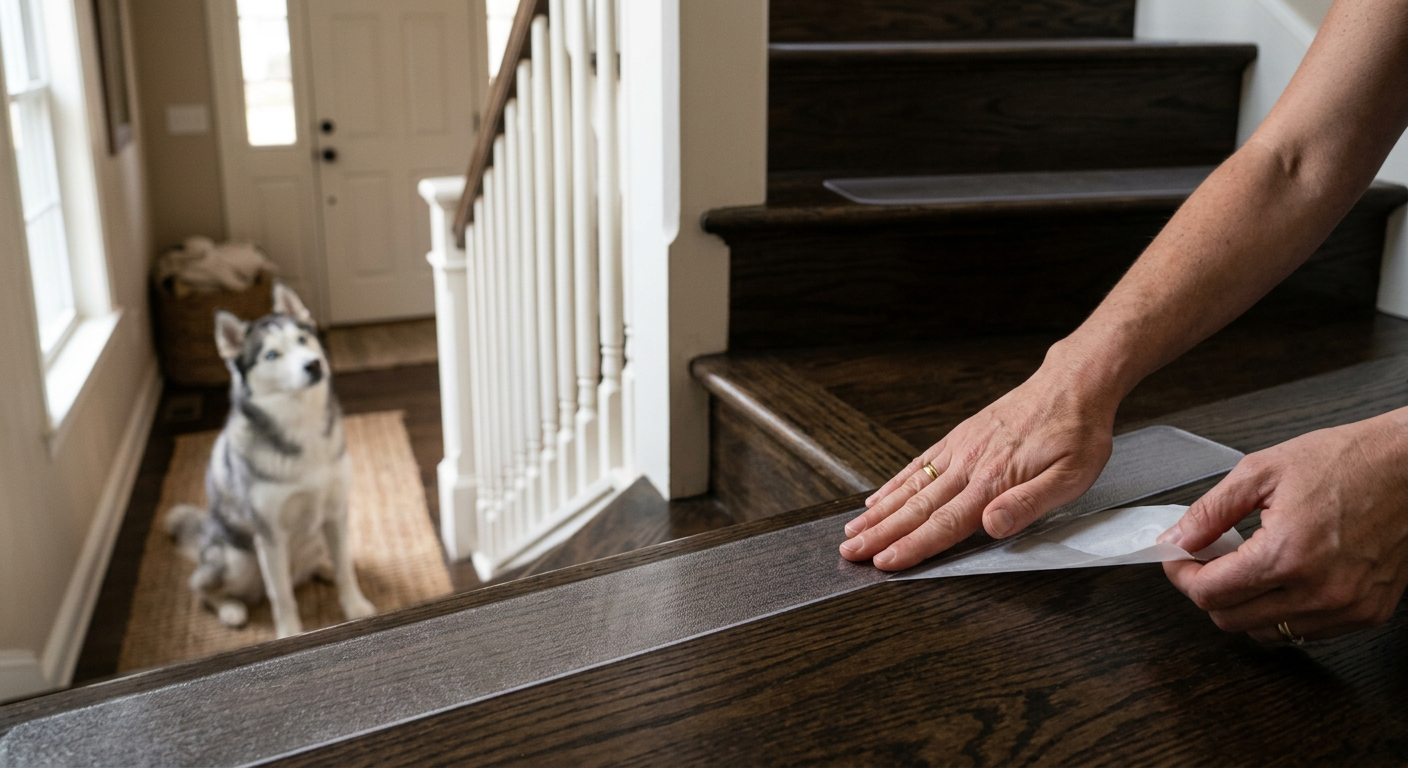
Hardwood and laminate floors are the enemies of a senior dog's paws. Adding non-slip stair treads or a carpet runner provides the grip they need to feel secure. Additionally, ensure the stairwell is well-lit. Plug-in nightlights or motion-sensor LEDs can help dogs with fading vision navigate the steps during evening hours.
Assisted Climbing Tools
For dogs who need a little extra help, specialized harnesses or "slings" can be a lifesaver. These allow you to gently support your dog's weight, taking the pressure off their joints as they ascend. This is particularly helpful for heavy-set breeds. If you are choosing between breeds for a future companion, you might compare a Boxer and a Labrador to see how their different builds might impact their mobility in later years.
When to Consult Your Veterinarian
While some slowing down is expected, sudden changes in mobility should always be discussed with a professional. A veterinarian can perform a physical exam to check for specific areas of tenderness and suggest a tailored wellness plan. This might include:
- Joint supplements like glucosamine and chondroitin.
- Anti-inflammatory support for better comfort.
- Physical therapy or hydrotherapy to maintain muscle tone.
- Weight management to reduce the load on aging joints.
Early intervention is key. By addressing why your dog pauses before steps early on, you can often slow the progression of mobility issues and keep their quality of life high for years to come.
Conclusion
If you have been asking yourself, why does my older dog hesitate before climbing stairs, remember that this is their way of communicating with you. Whether it is due to stiff joints, changing vision, or just a bit of senior brain fog, your dog is looking for comfort and safety. By making a few simple changes to your home environment and working closely with your vet, you can help your companion navigate their golden years with ease. Every small step you take to support them makes a world of difference in their daily happiness.