Leaving home for the day can be a routine event for humans, but for many of our animal companions, it is a significant emotional transition. Understanding separation anxiety in pets is the first step toward creating a peaceful environment for both you and your furry friend. When a pet feels distressed by the absence of their primary caregiver, their behavior often reflects a deep-seated need for security rather than a desire to be "bad" or destructive.
By learning to recognize the nuances of this condition, pet owners can implement supportive strategies that build confidence and independence. This guide explores the signs of isolation distress and how modern breakthroughs, including emotional tracking, can help you stay connected to your pet's well-being even when you are away from home.
Common Signs of Stress When Pets Are Alone
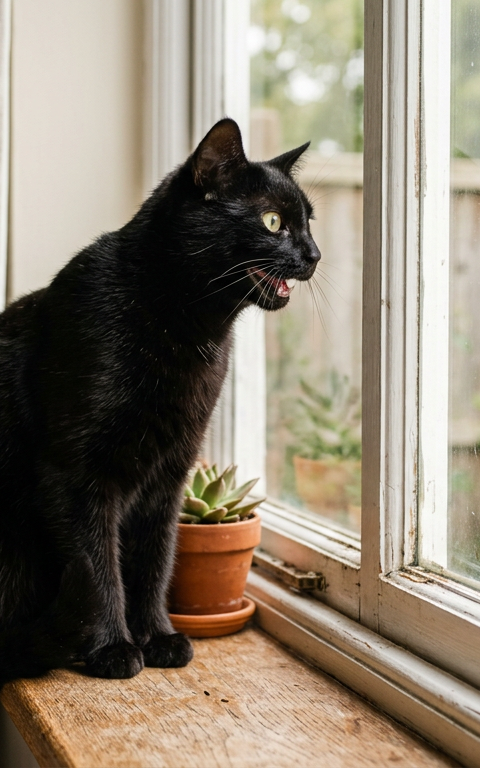
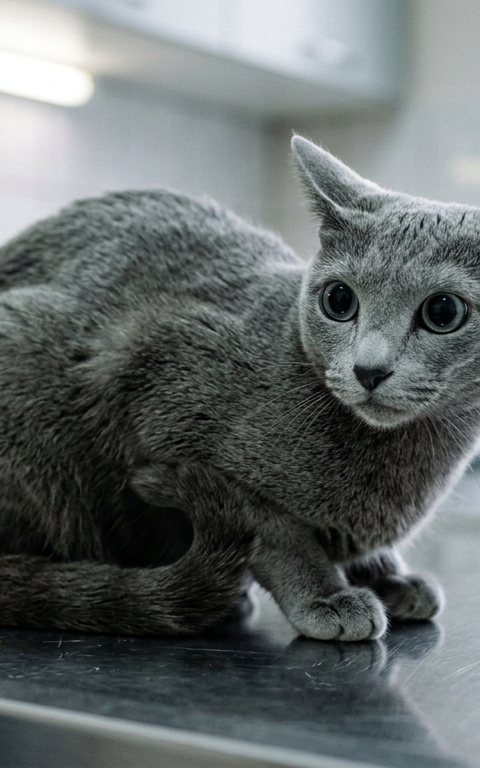
Every pet expresses discomfort differently, but there are several hallmark behaviors associated with being left alone. Dogs might engage in repetitive pacing, while cats may show their distress through vocalization or changes in grooming habits. Recognizing these early indicators is essential for early intervention and proactive care.
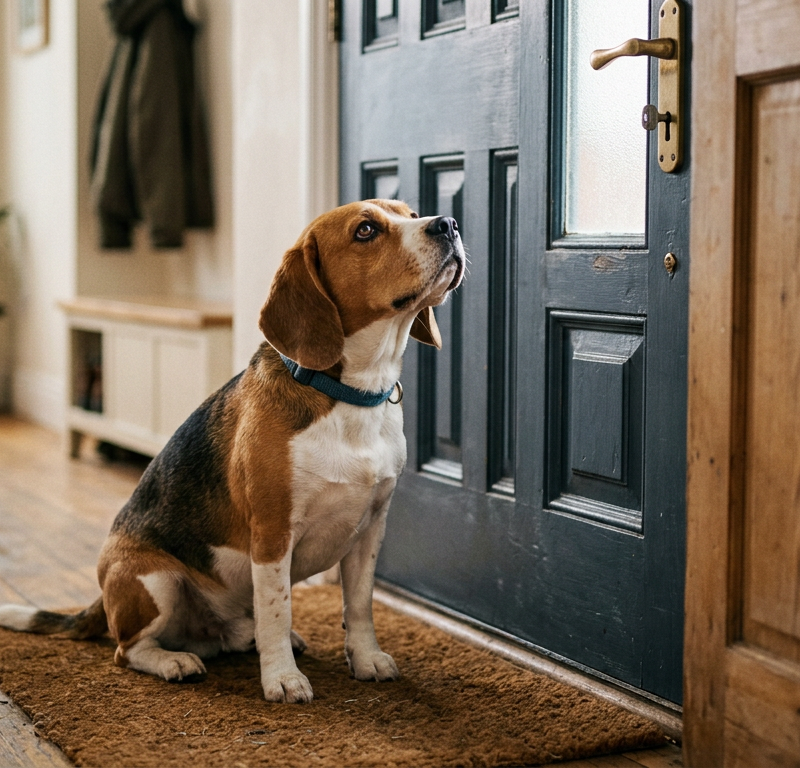
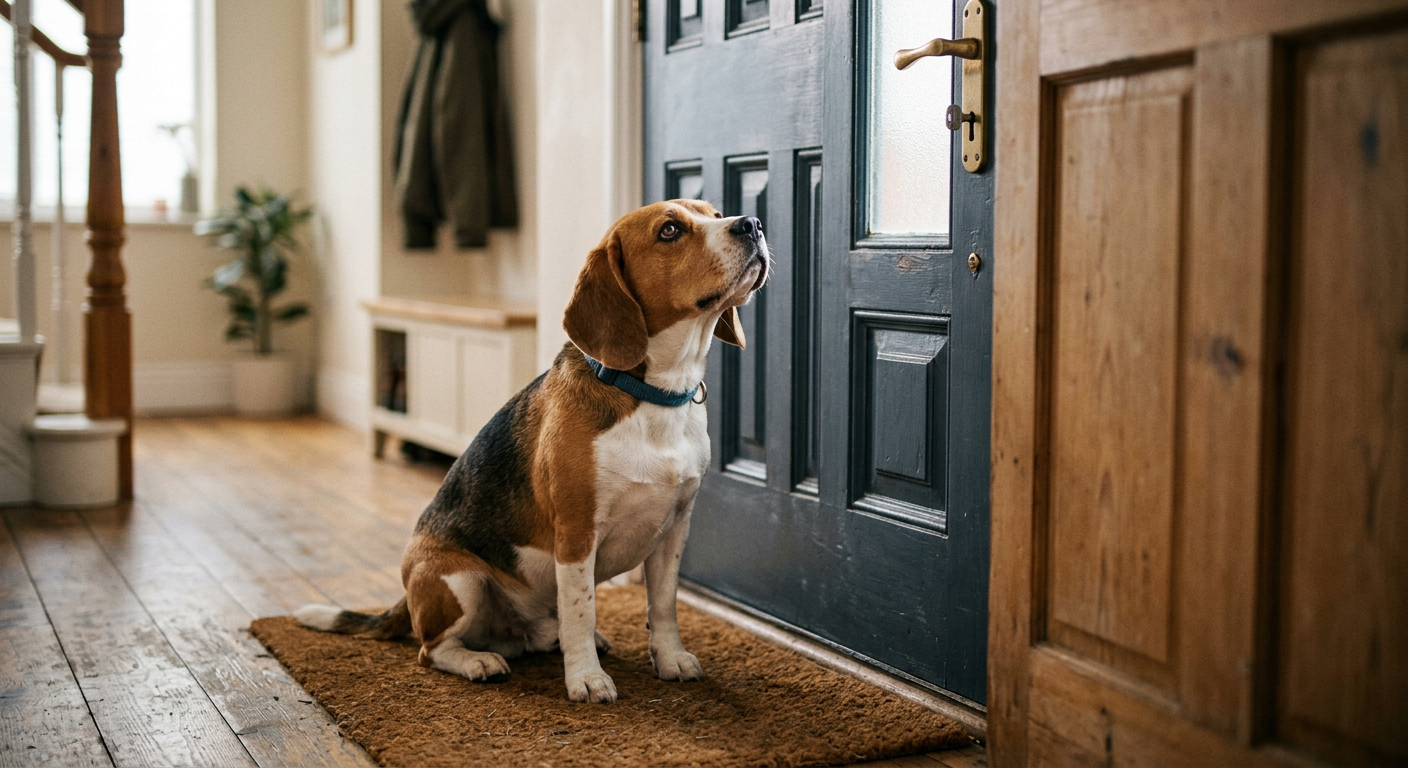
Destructive behavior often focuses on exit points like doors or windows. This is usually an attempt by the pet to "reunite" with their owner or escape the house to find them. If you notice scratches on door frames or torn curtains only when you return home, these are clear signals that your pet is struggling with their alone time.
Physical Symptoms of Anxiety
In addition to behavioral changes, physical markers can indicate high stress levels. Excessive salivation, often leaving damp spots on the floor or bedding, is a common physiological response in dogs. Cats might experience digestive changes or over-groom specific areas of their body until the skin becomes irritated.
Tracking these physical changes over time helps you see patterns in your pet's health. You might find it useful to learn more about tracking your pet's mood over time to identify if certain days of the week or specific schedules trigger more intense reactions.
Why Some Pets Experience Separation Distress
Understanding the "why" behind the behavior can help reduce owner frustration and increase empathy. Separation challenges often stem from a pet's history or personality. For example, pets adopted from shelters may have experienced multiple home transitions, making them more sensitive to changes in their environment or the departure of a trusted human.
Changes in the household routine can also trigger these feelings. A new job, a move to a different house, or even a child leaving for college can disrupt a pet's sense of stability. Because pets thrive on predictability, these shifts can lead to a temporary loss of confidence during solitary hours.

Creating a Positive Departure Routine
The minutes leading up to your departure are often the most stressful for an anxious pet. They learn to associate "departure cues"—like picking up keys, putting on shoes, or grabbing a purse—with the upcoming separation. By modifying these triggers, you can help lower their baseline anxiety before you even walk out the door.
- Desensitize cues: Pick up your keys or put on your coat at random times during the day without actually leaving.
- Keep it calm: Avoid long, emotional goodbyes. A simple, calm "see you later" helps signal that leaving is a normal, non-threatening event.
- Interactive toys: Provide a high-value treat or a food-stuffed toy right as you leave to create a positive association with your departure.
- Safety first: Ensure your pet has a comfortable, "den-like" space where they feel secure, such as a cozy crate or a dedicated corner of the living room.
If you have a high-energy breed like a Border Collie, ensuring they have had ample mental and physical exercise before you leave is particularly important. A tired pet is often a much calmer pet when left to their own devices.
How Technology Helps Bridge the Gap
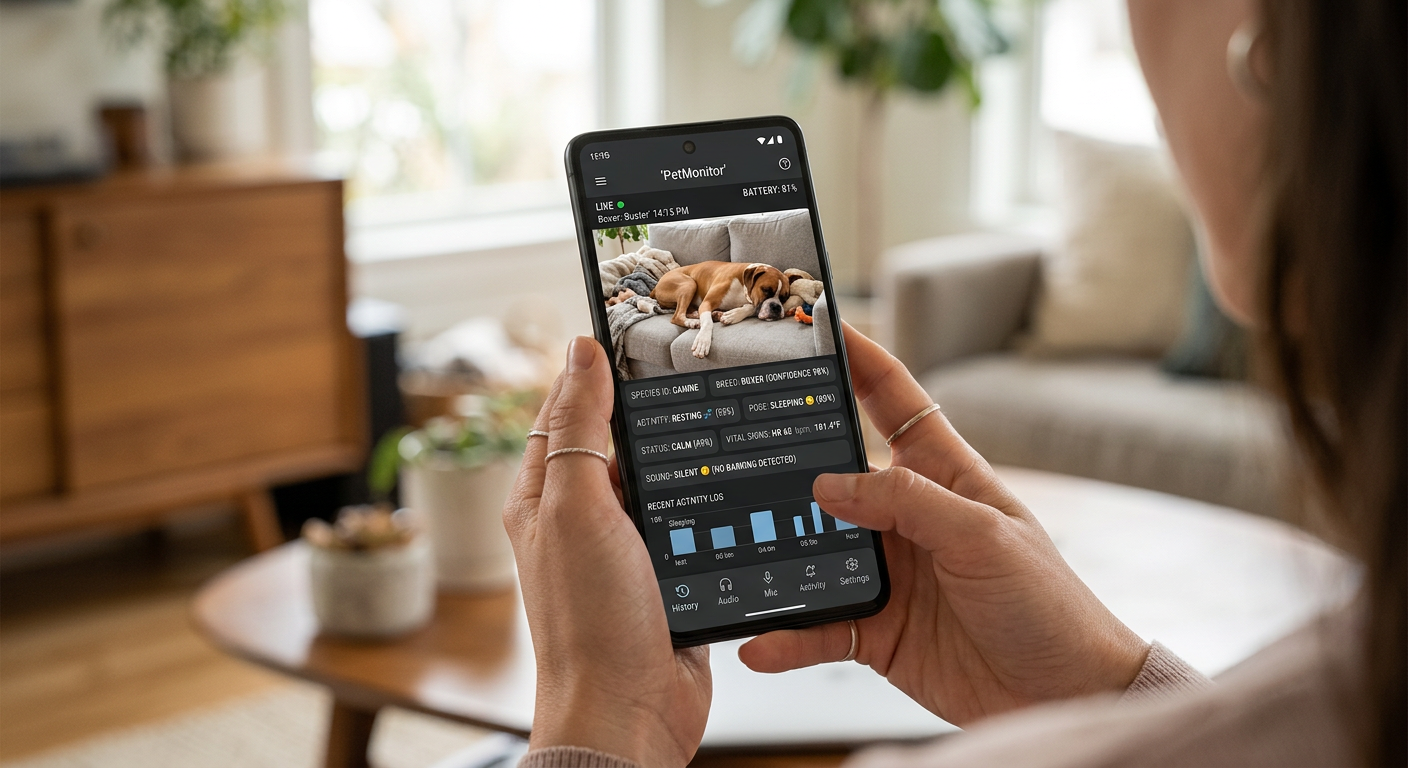
In the past, pet owners only knew how their pets behaved based on the state of the living room when they returned. Today, artificial intelligence and smart home technology provide a window into your pet's private world. Monitoring tools can alert you to vocalizations or movements that indicate a spike in stress levels.
Modern AI can analyze subtle shifts in posture and movement. For instance, how AI reads pet body language can give you data on whether your dog is truly relaxing or if they are remaining in a "hyper-vigilant" state while you are gone. This data is invaluable when discussing wellness plans with your veterinarian or a certified animal behaviorist.
Monitoring Multi-Pet Interactions
If you have more than one pet, their dynamic changes when you leave. Sometimes a calm companion can help soothe an anxious one, but in other cases, one pet's stress can transfer to another. Reading these multi-pet household dynamics is easier with visual monitoring, allowing you to see if your pets are supporting each other or if they need separate resting areas.
Building Confidence Through Gradual Exposure
The most effective long-term solution for understanding separation anxiety in pets is gradual desensitization. This involves leaving your pet alone for very short durations—starting with just a few seconds—and slowly increasing the time as they remain relaxed. The goal is to never reach the point where the pet starts to panic.
This process requires patience and consistency. If your pet begins to show signs of stress, such as whining or scratching, it means the time was increased too quickly. Step back to a shorter duration and work your way up again. Celebrating small victories is key to building a more independent and confident companion.
For certain breeds known for their loyalty and "velcro" nature, such as the French Bulldog or Poodle, this process may take longer. Understanding the breed-specific traits of your pet can help set realistic expectations for their progress.
When to Consult a Professional
While environmental management and routine changes help many pets, some cases of isolation distress require professional guidance. If your pet is causing self-injury, such as bleeding paws from trying to escape, or if their anxiety prevents them from eating or drinking while you are away, it is time to seek help.
A veterinarian can rule out underlying medical issues that might mimic anxiety, such as urinary tract infections or age-related cognitive changes. They may also recommend working with a certified professional dog trainer (CPDT) or a veterinary behaviorist to create a custom desensitization plan. In some instances, temporary calming supplements or medications can help lower a pet's stress enough for training to become effective.
Summary of Support Strategies
- Predictable Schedules: Try to keep feeding and walking times consistent to provide a sense of security.
- Mental Enrichment: Use puzzle feeders and nose-work games to keep their minds engaged.
- Low-Stress Departures: Keep your coming and going low-key and matter-of-fact.
- Use Visual Aids: Use AI tools to see what your pet's facial expressions mean during the moments you are away.
Ultimately, understanding separation anxiety in pets is about communication and empathy. Your pet isn't trying to be difficult; they are simply expressing that they miss their favorite person. With a combination of patience, routine, and perhaps a little help from modern technology, you can help your pet feel safe and secure, whether you are in the next room or across town. Always remember to check in with your vet to ensure your pet's wellness journey is on the right track.