Pet owners have long wished they could talk to their animals. While we might never share a spoken language, recent breakthroughs in technology are bridging the communication gap. Understanding how AI reads pet body language is the first step toward a deeper, more proactive relationship with our furry companions.
Artificial intelligence doesn't just "see" a dog or cat; it analyzes thousands of data points in real time. By identifying subtle cues in posture, ear position, and tail movement, modern tools provide a window into a pet's internal emotional state. This technology is transforming how we interpret daily interactions and overall wellness.
At PetDecoder AI, we utilize these advanced neural networks to help you decode what your pet is trying to say. Whether it is a slight flick of a feline tail or the specific tension in a canine brow, AI provides an objective lens that human observation sometimes misses.
The Science of Computer Vision in Pets
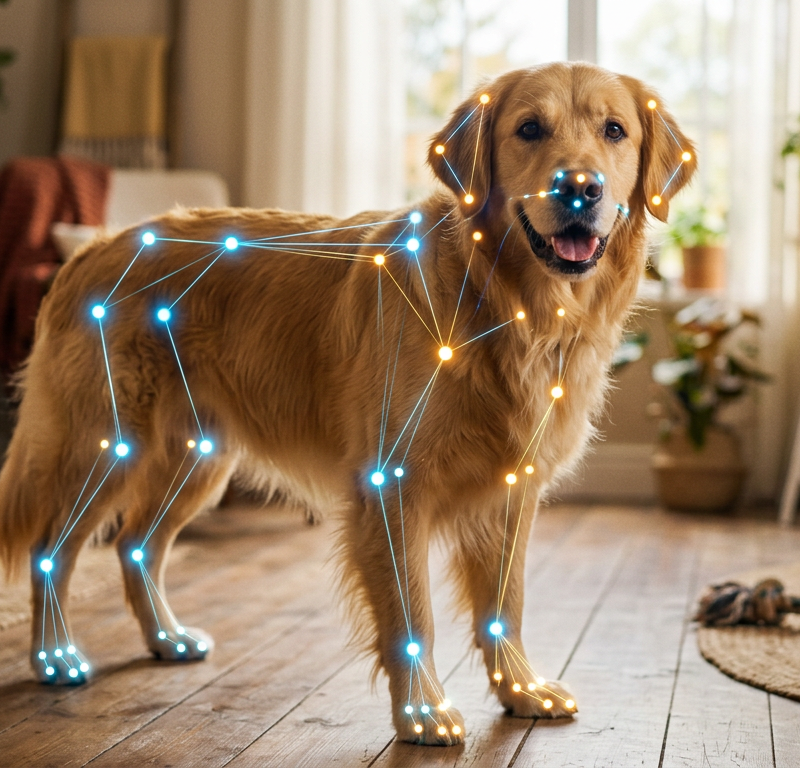
Computer vision is the core technology behind how AI reads pet body language. It involves training a computer to recognize and interpret visual information from the world. For pets, this means the software learns to identify specific landmarks on an animal's body, such as the nose, eyes, base of the ears, and joints.
Once these landmarks are identified, the AI tracks their movement and positioning relative to one another. For example, a dog with a lowered head and tucked tail is interpreted differently than one with a high head and a loose, wagging tail. The AI compares these patterns against a massive database of verified behavioral signals.
This process happens in milliseconds. By processing frames from a video or a static image, the AI can detect micro-expressions that occur too quickly for the human eye to catch. This leads to a more nuanced understanding of pet emotions and behaviors.
Breaking Down Skeletal Mapping
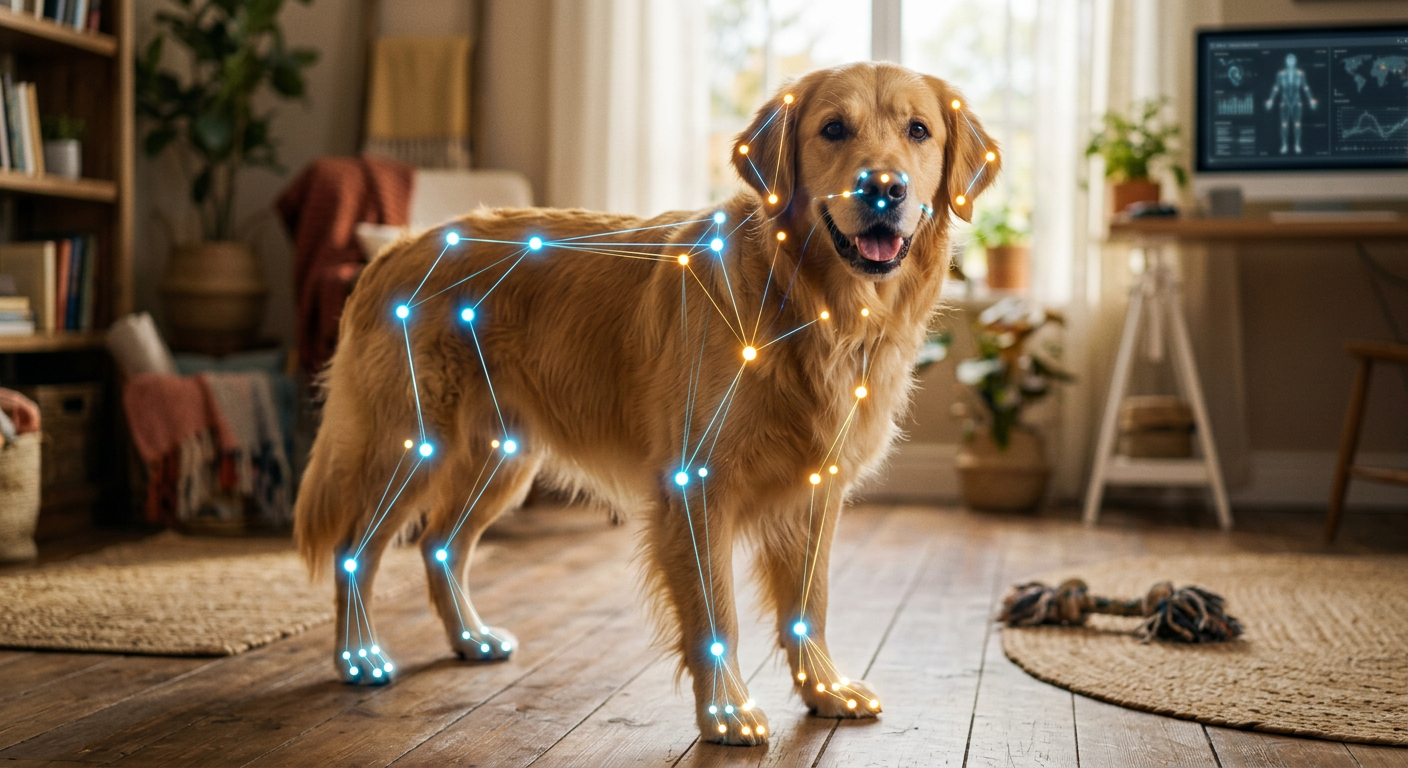
Skeletal mapping is a specific technique used to understand physical posture. The AI creates a "digital skeleton" of the pet, allowing it to see the angle of the spine and the distribution of weight across the limbs. This is particularly helpful when checking for comfort levels or signs of relaxation.
If a pet is shifting their weight frequently, the AI might flag this as a sign of restlessness or shifting comfort. When combined with other metrics, this helps build a complete picture of the animal's current state of mind.
Interpreting Facial Landmarks and Ear Positions
Facial expressions are a rich source of information for pet owners. However, human interpretation is often colored by our own emotions. One way how AI reads pet body language more effectively is by remaining completely objective about facial geometry.
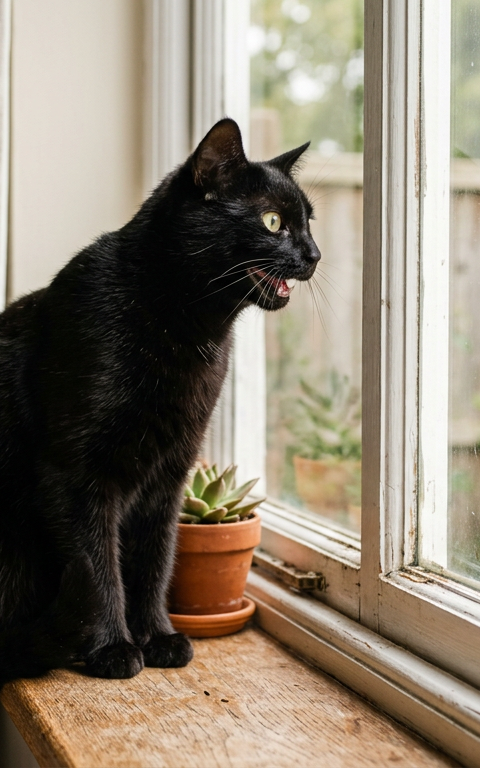
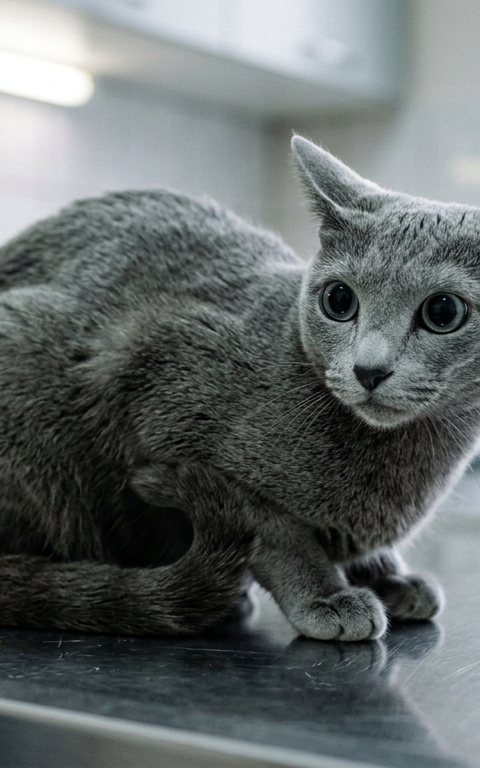
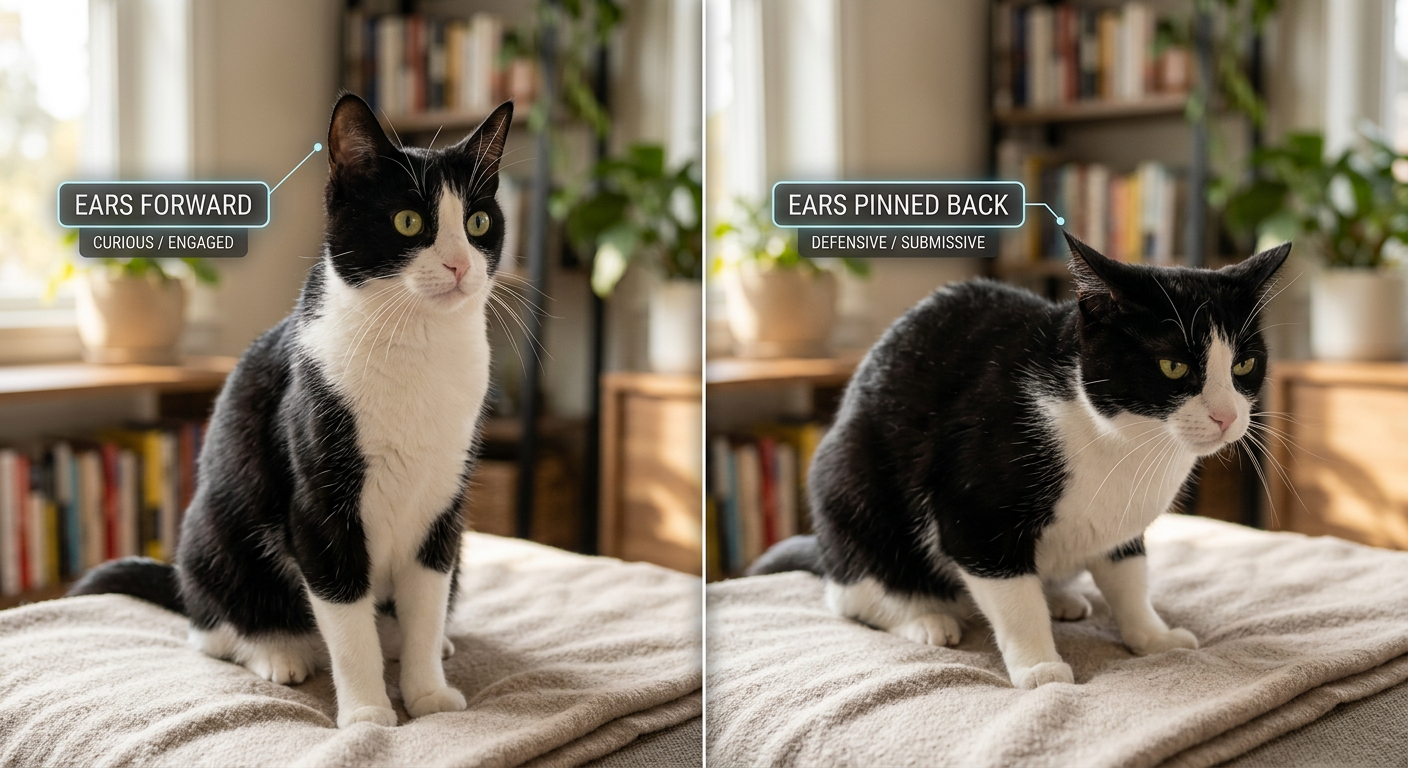
In cats, the position of the whiskers and the rotation of the ears are primary indicators of mood. Forward-facing whiskers often suggest curiosity, while flattened ears indicate a need for space. AI systems are trained to recognize these shifts with high precision across various breeds, from a British Shorthair to a Poodle.
For dogs, the "brow puff" or the tension around the mouth can signal anything from excitement to a request for peace. AI analyzes the distance between the eyes and the tension in the muzzle to provide a data-driven interpretation of these facial cues.
The Nuance of Eye Contact
Eye contact means different things in the animal kingdom than it does for humans. In many species, a direct, unblinking stare is a sign of high focus or a challenge. AI looks for "whale eye"—where the whites of the eyes are visible—as a sign of specific emotional states that require a gentle approach.
By monitoring the blink rate and pupil dilation, AI can further refine its assessment. Slow blinks in cats, for instance, are widely recognized as a sign of trust, and AI confirms these moments to help owners bond with their pets.
The Role of Tail Movement and Body Tension
It is a common myth that a wagging tail always means a happy dog. How AI reads pet body language involves looking at the height, speed, and side-bias of the wag. Research suggests that a tail wagging more to the right indicates different feelings than one wagging to the left.
AI algorithms process these directional biases to give owners a more sophisticated look at their pet's feelings. Similarly, the "bottlebrush" tail in cats is instantly recognized by the software as a high-arousal state, signaling that the cat is feeling very defensive or startled.
Body tension is another critical metric. A "frozen" posture is often a prelude to a significant change in behavior. AI can detect this stillness through frame-by-frame analysis, alerting owners to give their pet some "quiet time" before the pet feels the need to react more visibly.
Recognizing Play Bows vs. Defensive Postures
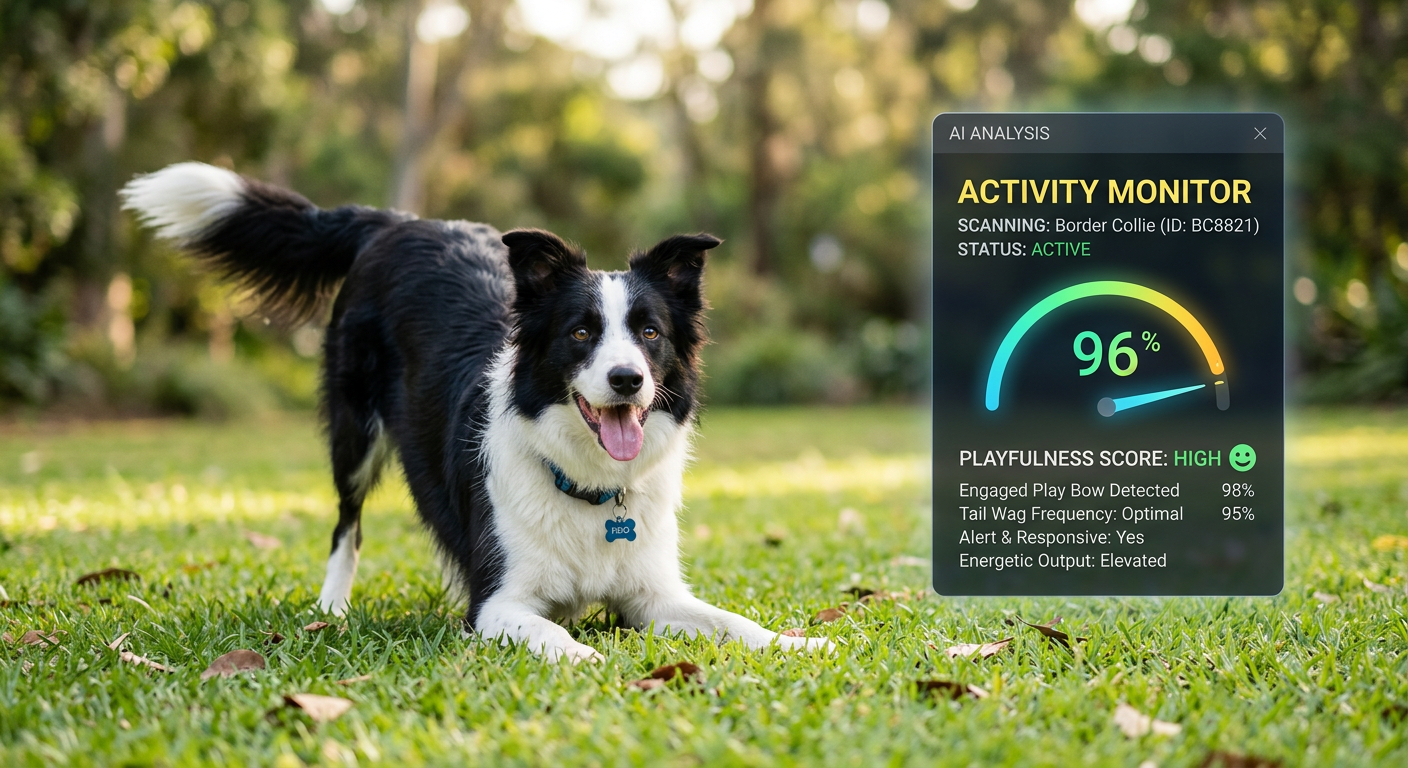
Distinguishing between a play bow and a defensive crouch is vital for safe social interactions. The AI looks at the angle of the elbows and the height of the hindquarters. A play bow is a clear "meta-signal" that says "everything following this is just fun."
When you are reading multi-pet household dynamics, AI can help determine if the play is mutual or if one pet is feeling overwhelmed by the other's energy levels.
Environmental Context and AI Analysis
A pet's body language doesn't exist in a vacuum. Advanced AI considers the context of the environment to improve accuracy. For example, a dog panting after a long run in the park is interpreted differently than a dog panting in a cool, quiet living room.
Current technology is moving toward integrating environmental sensors with visual AI. By knowing the temperature, noise level, and presence of other animals, the AI can provide a more holistic view of why a pet is displaying certain body language signals.
This contextual awareness is what makes AI such a powerful tool for proactive wellness. It allows owners to notice patterns over time, such as a pet becoming more tense when the vacuum is used or when guests arrive at the house.
Machine Learning and Personalization
Every pet is an individual. A German Shepherd has different structural baselines than a French Bulldog. One of the most impressive ways how AI reads pet body language is through its ability to learn an individual pet's "normal."
Over time, the AI builds a profile of your specific pet. It learns what their relaxed state looks like, which makes it much easier to identify when something is slightly off. This personalized baseline is the key to tracking your pet's mood over time effectively.
The Future of Human-Pet Communication
We are just at the beginning of what AI can do for pet wellness. Future developments will likely include real-time audio analysis, such as pet vocalizations, to complement visual body language data. Imagine a device that can translate a specific type of purr or bark into a clear emotional category.
As the database of animal behaviors grows, the accuracy of these systems will only increase. This doesn't replace the bond between a human and their pet; rather, it enhances it by providing the tools to listen more closely to what our pets have been telling us all along.
Using AI to interpret body language encourages a more compassionate approach to pet ownership. When we understand that a pet is feeling overwhelmed rather than "disobedient," we can respond with the care and support they truly need. If you ever have significant concerns about your pet's behavior or physical health, always consult with a qualified veterinarian for professional guidance.
By leveraging technology like PetDecoder AI, you are taking a proactive step toward a happier, more harmonious life with your animal companions. To learn more about the specifics of facial cues, explore our guide on what your pet's facial expressions mean.
Seeing something in your pet that these signals do not quite explain? Record a short clip and run it through the AI pet symptom checker for a friendly read on movement, breathing and vocal cues.