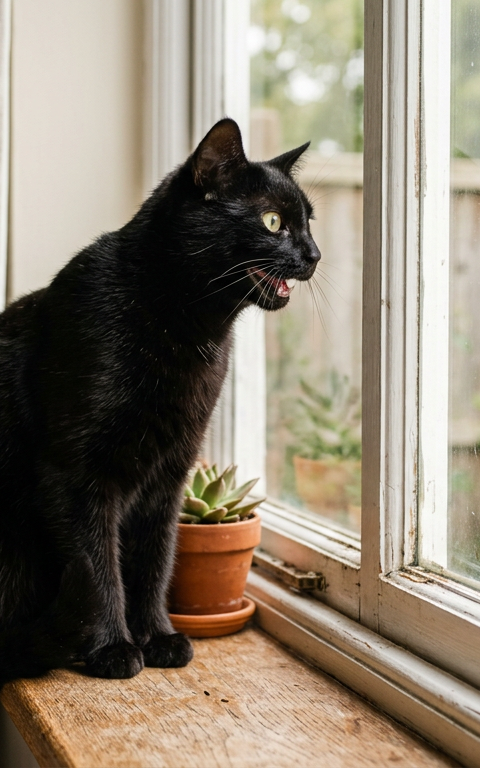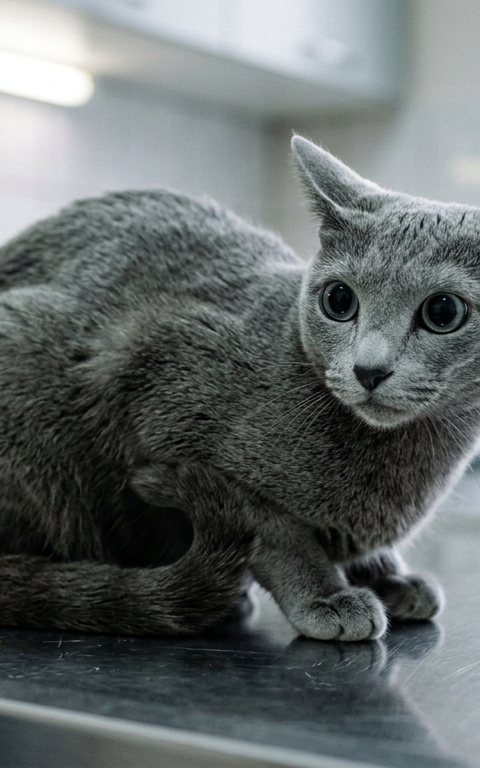
Building a deeper connection with your dog or cat often goes beyond daily walks and feeding schedules. It involves a nuanced understanding of their emotional well-being. By tracking your pet's mood over time, you can identify subtle shifts in their personality that might indicate health needs or changes in their happiness. This proactive approach to emotional monitoring allows you to become an advocate for your pet's long-term wellness.
Every pet has a unique emotional baseline. Some dogs are naturally exuberant, while others are more reserved and observant. Similarly, cats vary from social "butterflies" to independent spirits. When you begin tracking your pet's mood over time, you establish what is "normal" for your specific companion. This baseline is the most valuable tool a pet parent can have in their caretaking toolkit.
Advancements in modern technology are making it easier than ever to monitor these patterns. You can explore how digital tools are changing the landscape of animal care in our guide on understanding pet emotions with AI technology. These innovations provide data-driven insights that complement your intuition and daily observations.
Establishing an Emotional Baseline
Before you can spot irregularities, you must understand your pet's standard emotional state. This involves observing them during various times of the day and in different environments. Does your dog greet you with a full-body wag, or a gentle tail flick? Does your cat prefer morning play sessions or midnight zoomies? These small details form the foundation of your tracking efforts.
Consistency is key when you start tracking your pet's mood over time. You might notice that your Golden Retriever or Labrador Retriever has specific energy cycles throughout the day. Documenting these cycles helps you distinguish between a pet that is simply tired after a long walk and one that is feeling uncharacteristically lethargic.

Daily Happiness Indicators
There are several behaviors that serve as reliable indicators of a positive mood. In dogs, these include a relaxed mouth, "soft" eyes, and a neutral or wagging tail. For cats, a tall tail with a slight hook at the end, kneading (making biscuits), and slow blinking are classic signs of contentment. These are the snapshots you want to see regularly in your logs.
Energy Levels and Playfulness
A pet's willingness to engage in play is a significant emotional marker. While a senior dog may not play as intensely as a puppy, a total loss of interest in favorite toys can be telling. Understanding the specific life stage of your pet is helpful; check out our German Shepherd age calculator to see how your dog's age might naturally influence their energy levels.
The Benefits of Long-Term Monitoring
Tracking your pet's mood over time offers more than just daily peace of mind; it provides a historical record that can be invaluable during veterinary visits. When you tell a vet, "My cat seems sad," it is helpful. When you can say, "My cat's social engagement has dropped by 30% over the last three weeks," it provides a clearer picture for diagnostic consideration.
Health and mood are intricately linked in the animal kingdom. Pets are masters at hiding physical discomfort as a natural survival instinct. Often, the very first sign that something is physically "off" is a subtle shift in temperament or an uncharacteristic bout of irritability. By diligently tracking your pet's mood over time, you can detect these early signals.
Identifying Environmental Stressors
Our homes are dynamic environments. Changes like a new roommate, construction noise next door, or even a change in your own work schedule can impact your pet's emotional state. Long-term tracking helps you correlate atmospheric changes with shifts in your pet's behavior. This allows you to implement soothing strategies before stress becomes a habit.
Improving the Human-Animal Bond
The act of tracking naturally requires you to spend more focused time observing your pet. This mindful attention strengthens your bond. As you become more attuned to their subtle cues, your pet feels more understood. This two-way communication builds a foundation of trust that enhances their overall quality of life.
Tools for Tracking Emotional Data
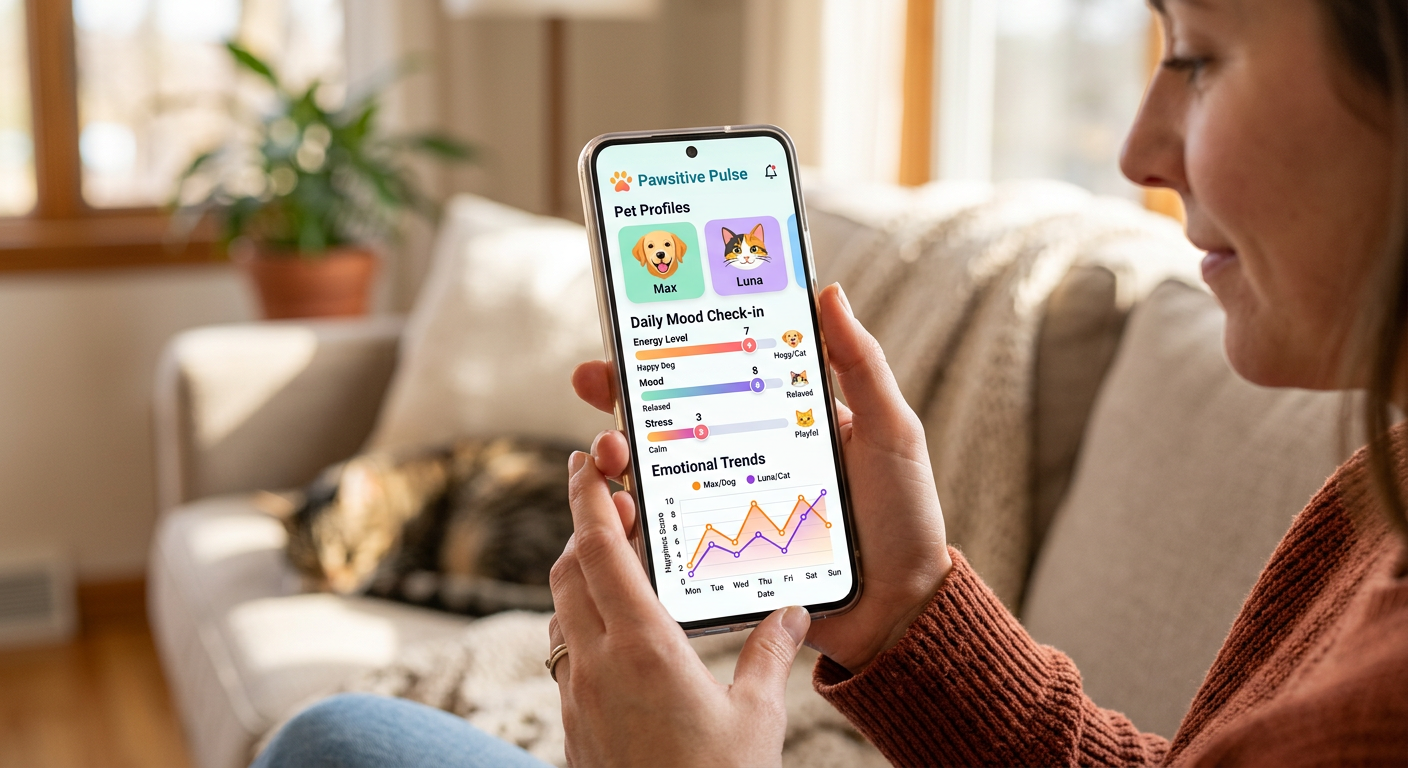
You don't need a PhD in animal behavior to start tracking your pet's mood over time. The methods can range from simple pen-and-paper journals to sophisticated AI-powered applications. The best tool is the one that you will use consistently and that fits comfortably into your daily routine.
Digital apps designed for pet care often allow you to log photos, videos, and mood ratings. Some even use facial recognition technology to interpret the positioning of a dog’s ears or a cat’s whiskers. These specialized tools can help remove the guesswork from emotional interpretation, providing more objective data points for your records.
Vocalizations and Sound Patterns
Many pets communicate their moods through sound. A different pitch in a bark or a specific type of purr can signify anything from excitement to a request for solitude. Recording these vocalizations and noting the context helps in tracking your pet's mood over time across different stimuli. It creates a "dictionary" of your pet's unique language.
Sleep and Rest Architecture
Where and how a pet sleeps can be an emotional indicator. A pet that suddenly stops sleeping in their usual spots or starts hiding under furniture might be experiencing increased anxiety. Tracking the duration and quality of their rest provides insights into their ability to relax and feel safe in their environment.

Integrating Mood Tracking into Daily Life
To make the process sustainable, integrate your observations into existing routines. For example, do a quick "mood check" during their breakfast or right before your evening wind-down. By making it a habit, tracking your pet's mood over time becomes a rewarding part of your relationship rather than a chore.
If you notice a consistent trend toward a lower mood, it is always best to consult with a veterinarian or a certified animal behaviorist. They can help determine if there is an underlying medical cause or if a behavioral modification plan is appropriate. Remember that you are the expert on your pet's personality, and your observations are vital.
Sharing Data with Professionals
When you attend a wellness checkup, bring your tracking logs. Showing a professional the patterns you’ve identified while tracking your pet's mood over time can lead to a more personalized care plan. It transforms the appointment from a standard checkup into a collaborative wellness session focused on both physical and mental health.
Adjusting Your Supportive Care
Tracking also allows you to see what works. If you introduced a new puzzle toy to help with boredom, your logs will show if their "happiness score" improved over the following week. This data-driven approach helps you invest your time and resources into the activities and products that actually improve your pet's life.
A Proactive Future for Pet Wellness
The move toward comprehensive emotional monitoring represents a beautiful evolution in how we care for our animal companions. By focusing on the "whole pet"—both body and mind—we ensure they lead the most vibrant lives possible. Tracking your pet's mood over time is an act of love that pays dividends in years of shared happiness and health.
As we continue to develop better ways to communicate with our pets, the bond between species only grows stronger. Whether through high-tech AI or a simple daily journal, your commitment to understanding your pet's inner world makes all the difference. Start your tracking journey today and discover the deeper layers of your pet’s personality.