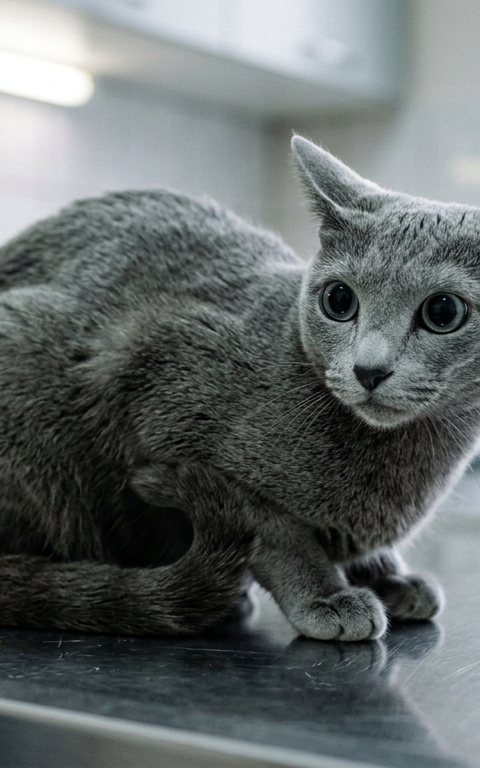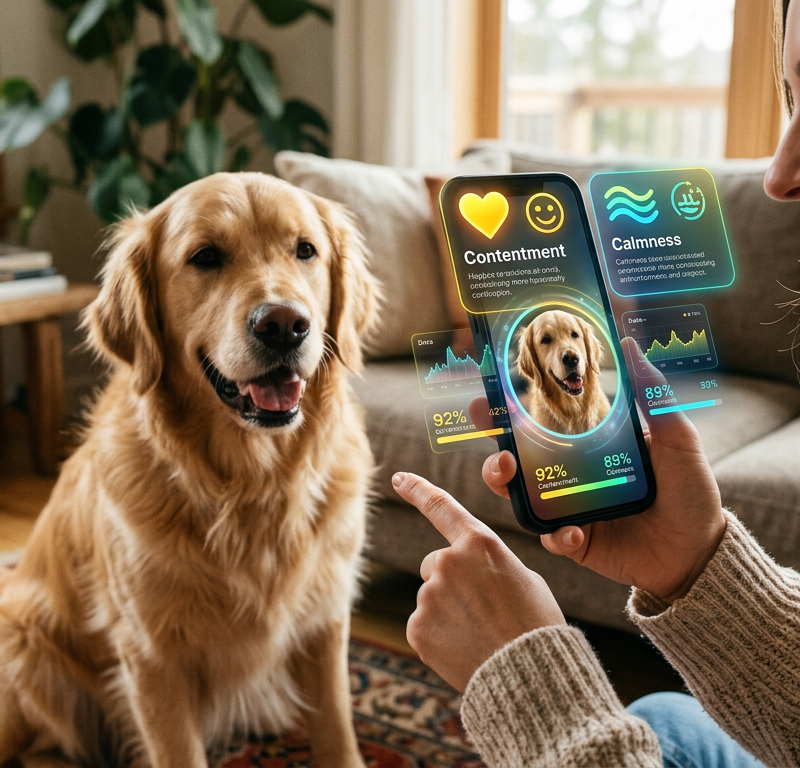
The bond between humans and their animal companions has existed for millennia, yet we are only now entering an era where technology can help bridge the communication gap. Understanding pet emotions with AI technology is transforming how we perceive our dogs and cats, turning subtle tail wags and ear twitches into actionable insights. This proactive approach to pet parenting allows us to provide better care and deeper emotional support for our furry family members.
By leveraging sophisticated algorithms, pet owners can now gain a clearer window into their pets' inner worlds. This isn't about replacing the intuitive bond you share with your pet; rather, it's about enhancing it with data-driven observations. Whether you are curious about your dog's relaxation levels or your cat's subtle signs of contentment, AI provides a supportive framework for modern wellness.
The Evolution of Pet Communication
Historically, humans have relied on basic behavioral cues to interpret what their pets are feeling. We know a wagging tail often means happiness, while a tucked tail might suggest shyness or caution. However, these interpretations are often colored by our own human biases.
Artificial intelligence removes much of the guesswork by analyzing thousands of data points simultaneously. By processing sound frequencies, facial micro-expressions, and body language patterns, AI can identify nuances that the human eye might miss. This technology builds upon decades of ethological research to provide a more objective view of animal behavior.
Bridging the Gap Between Species
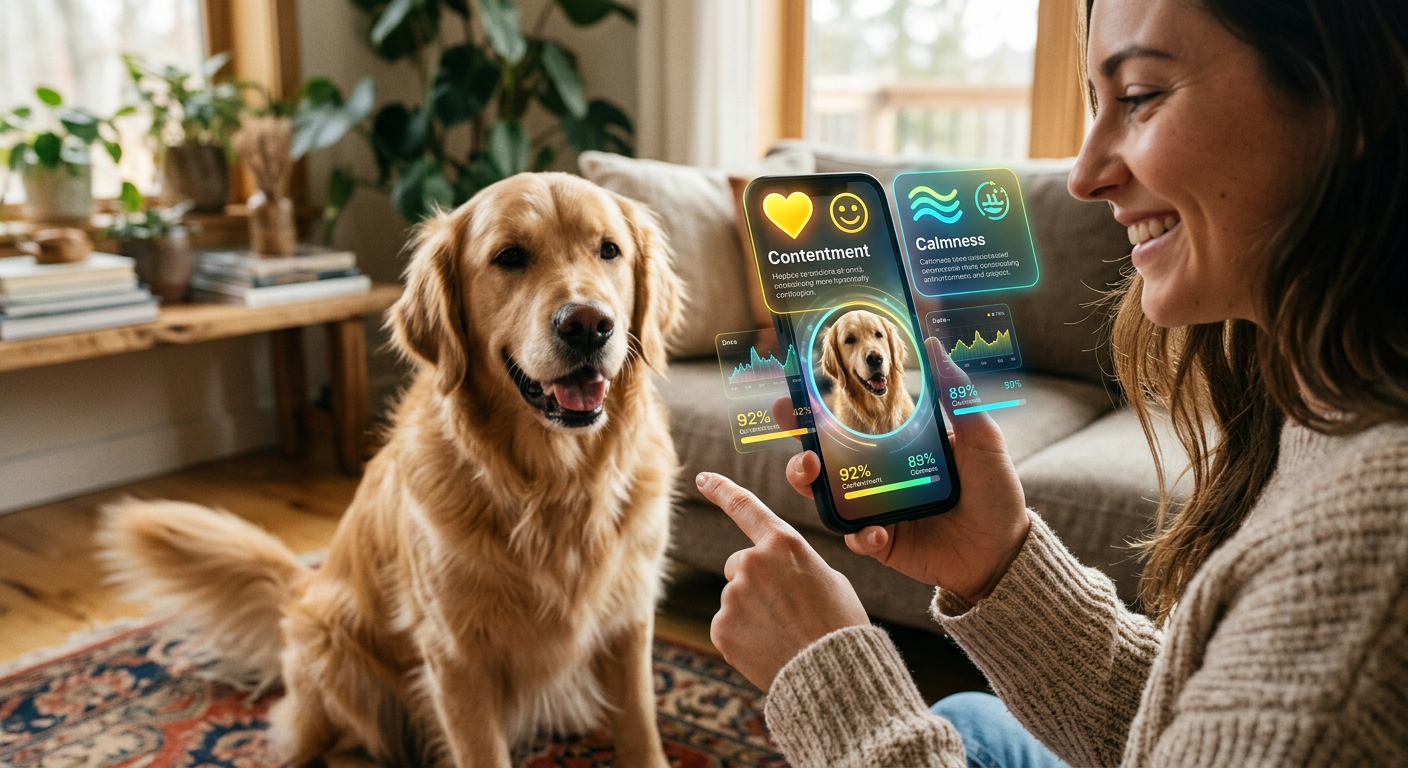
Understanding pet emotions with AI technology serves as a digital translator, helping us grasp the "why" behind specific behaviors. For instance, a dog pacing by the door might be interpreted as a simple need for a walk, but AI might detect stress patterns suggesting separation anxiety instead.
This clarity allows pet parents to respond with greater empathy and precision. Instead of a one-size-fits-all approach to training or comfort, you can tailor your interactions based on the specific emotional state your pet is experiencing in that moment. You can explore how these developmental stages vary by using tools like our Golden Retriever age calculator to better understand your pet’s life phase.
How AI Analyzes Animal Behavior
The magic behind these tools lies in machine learning. Developers feed massive amounts of video and audio data into neural networks, which are then trained to recognize patterns associated with specific emotional states such as joy, frustration, or relaxation.
Current technology focuses on three primary areas: vocalization analysis, facial recognition, and biometric tracking. By combining these inputs, AI creates a holistic picture of your pet's current state of mind. It is a fascinating blend of biology and computer science designed for the modern pet lover.
Vocalization and Bark Analysis
Not all barks are created equal. A high-pitched, rapid bark often signals excitement, while a low-frequency growl might indicate a protective instinct. AI can isolate the frequency and pitch of these sounds to categorize them into emotional buckets.
For cat owners, this technology is equally beneficial. Purring is widely recognized as a sign of contentment, but it can also be a self-soothing mechanism during times of physical discomfort. AI helps distinguish between these subtle vocal differences, ensuring you provide the right kind of care.
Facial Expression Recognition
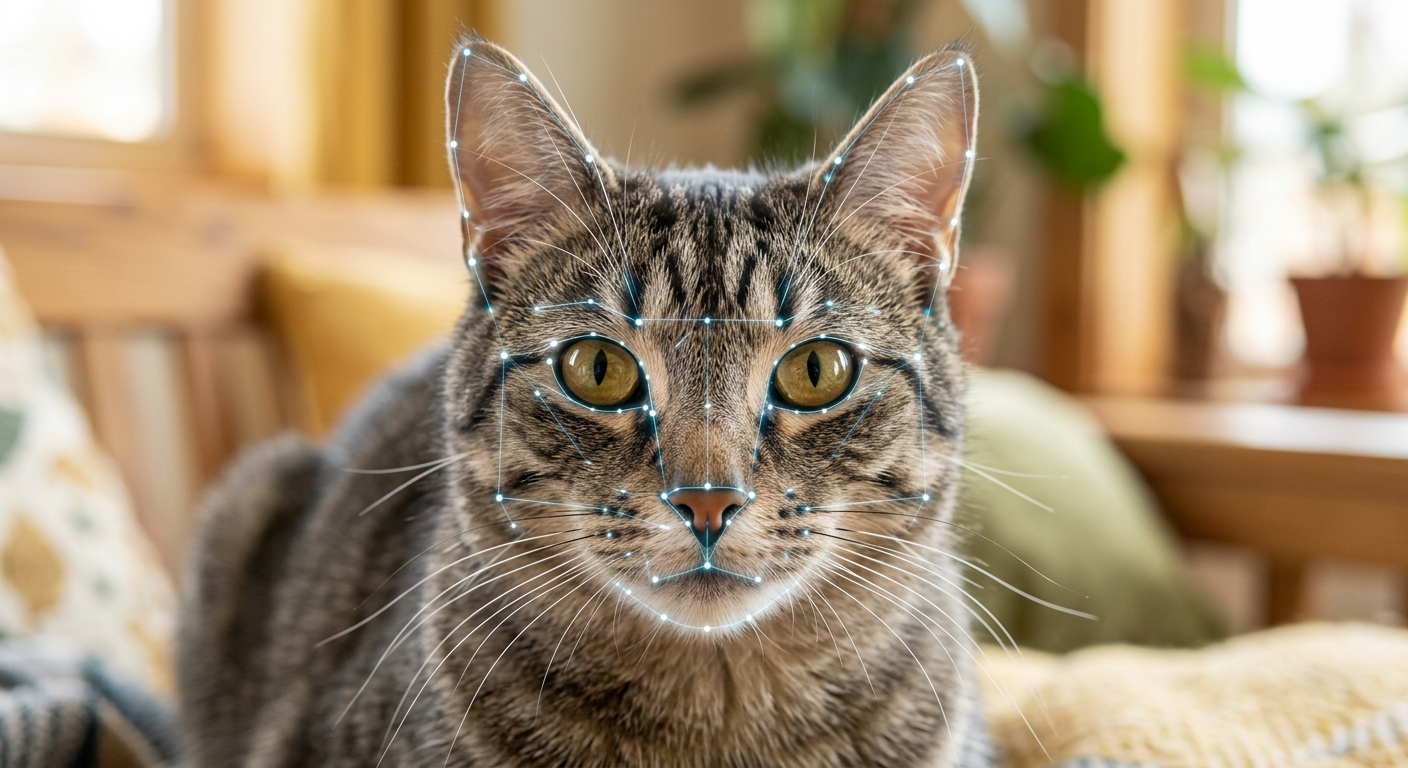
While dogs and cats don't have as many facial muscles as humans, they still convey a wealth of information through their eyes, ears, and muzzles. AI software can track the position of a dog's ears or the squint of a cat's eyes to determine their level of comfort.
For example, "whale eye"—when a dog shows the whites of their eyes—is a subtle sign of unease. While a human might miss this brief glance, a camera-based AI system can flag it instantly. This level of detail is a game-changer for proactive pet wellness and behavioral management.
The Role of Biometrics in Emotional Health
Physical health and emotional well-being are deeply interconnected. Wearable devices for pets can now track heart rate variability, respiratory rates, and sleep patterns. These biometrics provide a foundational look at how a pet’s body reacts to different environments.
When a pet is stressed, their heart rate may remain elevated even after a perceived threat has passed. AI looks for these trends over time, helping owners identify "stressors" in the home that might otherwise go unnoticed. This data-driven approach fosters a peaceful living environment for both species.
Activity Mapping and Routine
Changes in routine often reflect changes in mood. If a normally active Siberian Husky suddenly spends more time sleeping, it might indicate a shift in their emotional state. Understanding pet emotions with AI technology involves monitoring these activity levels to catch subtle shifts early.
Owners can use these insights to compare different breeds and how they react to stimuli. If you are considering adding a new member to your family, you might look at a German Shepherd vs Rottweiler comparison to see which breed's typical emotional temperament aligns best with your lifestyle.
Benefits of AI-Driven Emotional Insights
The primary benefit of using AI in pet care is the ability to provide targeted support. When we understand exactly what our pets are feeling, we can make their lives more comfortable, engaging, and fulfilling.
Furthermore, these tools are excellent for pet sitters and trainers. Having an objective report on a pet's emotional state during a training session can help a professional adjust their methods to ensure the animal remains below their stress threshold. This leads to more effective and humane training outcomes.
Proactive Wellness Considerations
Early detection is a recurring theme in pet care. By understanding pet emotions with AI technology, owners can spot signs of discomfort long before they become visible physical symptoms. A cat that stops engaging in play might be experiencing early-stage joint stiffness or general malaise.
While AI is a powerful tool, it should always be used as a supplement to professional veterinary advice. If the AI suggests your pet is experiencing persistent negative emotions, a consultation with your veterinarian is the best next step to rule out underlying medical issues.

Creating a Harmonious Home with AI
Technology can also help manage multi-pet households. Interactions between animals are complex; what looks like play to us might actually be a display of social tension. AI can analyze video footage of pet interactions to determine if the "play" is equal and consensual.
By monitoring the emotional health of each individual pet, owners can ensure that the home remains a safe haven for everyone. This insight allows for better management of resources like toys, treats, and attention, reducing competition and promoting a calm atmosphere.
The Future of Pet-Human Interaction
We are just scratching the surface of what is possible. In the future, we may see smart homes that automatically adjust lighting or play calming music when AI detects a pet is feeling anxious. The integration of understanding pet emotions with AI technology into our daily lives will only become more seamless.
As we continue to develop these tools, the focus remains on the well-being of the animals. The goal is not to turn pets into data points, but to use data to honor their individuality and meet their needs more effectively. It is an exciting time to be a pet parent, as we gain the tools to truly "speak" the language of our companions.
Ethical Considerations and Best Practices
As with any technology, it is important to use AI responsibly. Privacy and data security should always be a priority when using internet-connected pet cameras and wearables. Ensure you are using reputable platforms that prioritize the protection of your personal information.
Additionally, remember that AI is a tool, not a replacement for quality time. No algorithm can replace the value of a long walk, a gentle grooming session, or a quiet cuddle on the sofa. Understanding pet emotions with AI technology should be the starting point for more meaningful physical interaction, not a substitute for it.
Interpreting AI Data Correcty
Data requires context. If an AI tool flags that your dog is "anxious" during a thunderstorm, the context is clear. However, if it flags anxiety during a normal afternoon, you may need to investigate further. Look for external factors like loud construction nearby or changes in the household composition.
Use the data to become a better observer yourself. Over time, you’ll find that you can recognize the same patterns the AI does. This "training" of the human owner is perhaps the most significant long-term benefit of using AI in pet care, as it sharpens our own intuitive skills.
Conclusion: A New Era of Pet Parenting
Embracing technology in our relationships with our pets is a beautiful way to show we care. By understanding pet emotions with AI technology, we are taking a significant step toward a world where every pet feels heard and understood. It empowers us to be the best possible guardians for those who give us their unconditional love.
Whether you’re using AI to monitor a senior dog’s comfort or to ensure a new kitten is adjusting well, you are participating in a revolution of care. As we move forward, the combination of human intuition and artificial intelligence will continue to strengthen the unique bond we share with our animal friends, leading to happier, healthier lives for all.