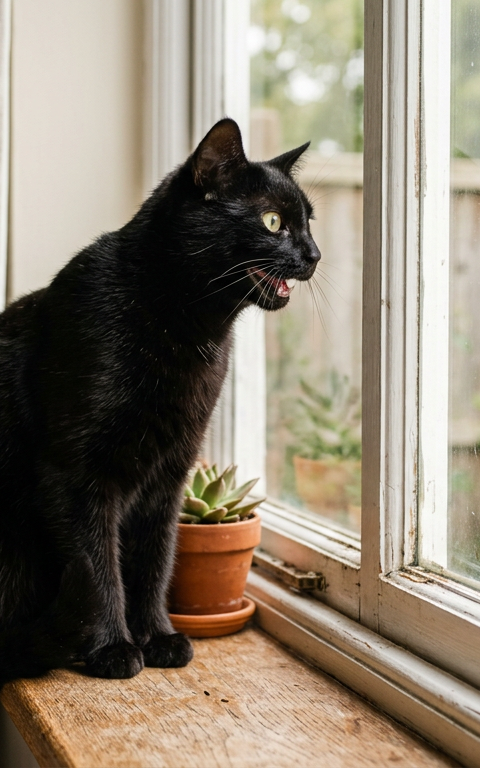
For centuries, cat owners have viewed the purr as the ultimate sign of a happy feline. However, experienced pet parents often notice that cats also purr during vet visits or after a fall. This has led many to wonder: can AI tell whether my cat purrs from comfort or uncertainty? With recent advancements in acoustic analysis and machine learning, we are closer than ever to deciphering these subtle feline vocalizations.
Understanding the "why" behind a purr helps us provide better care for our companions. While a purr often signals contentment, it can also serve as a self-soothing mechanism. By leveraging modern technology, we can begin to differentiate between these emotional states, leading to a deeper bond and more proactive wellness management.
The Science of the Feline Purr
Purring is a unique vocal behavior produced by the rapid contraction and relaxation of the laryngeal muscles. These contractions happen at a frequency of 25 to 150 Hertz. Interestingly, this specific frequency range has been shown to improve bone density and promote tissue healing, which is why cats may purr when they are feeling physically unwell or stressed.
Contentment Purring
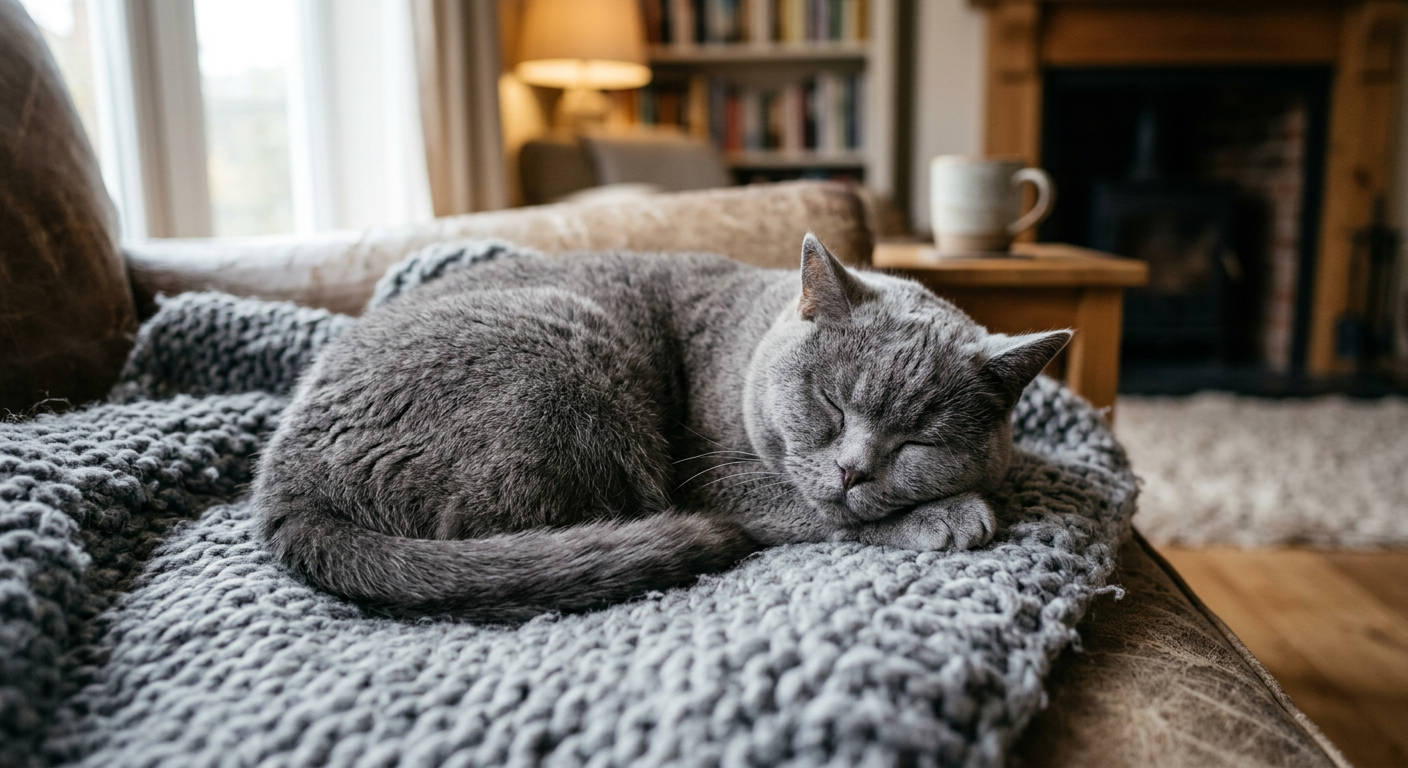
When your cat is relaxed on your lap, their purr is usually rhythmic and steady. This "comfort purr" is often accompanied by slow blinking and relaxed body language. In these moments, the cat is communicating that they feel safe and satisfied in their environment. This is the most common form of purring that owners recognize.
The Stress or Uncertainty Purr
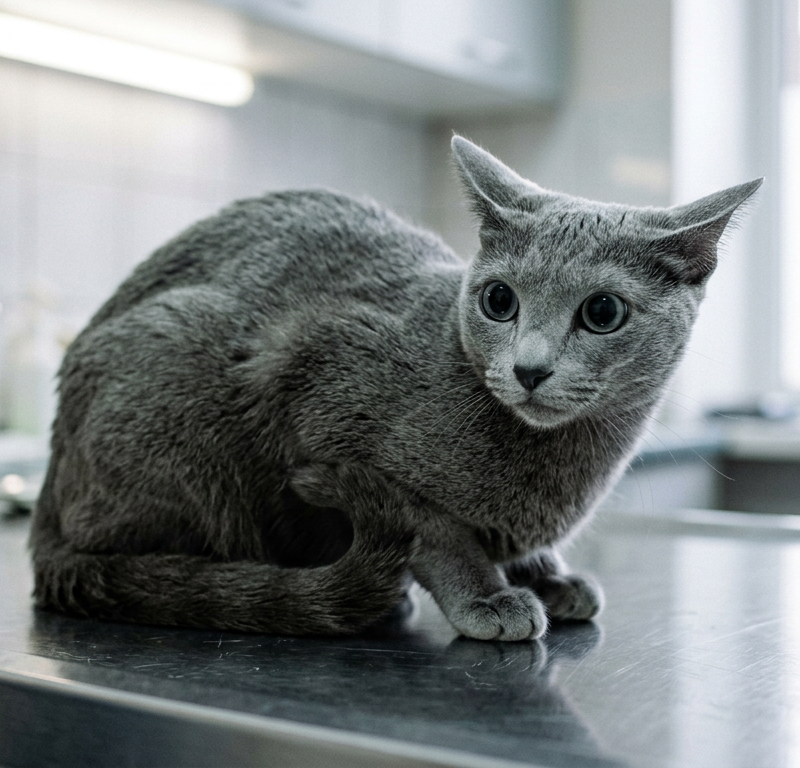
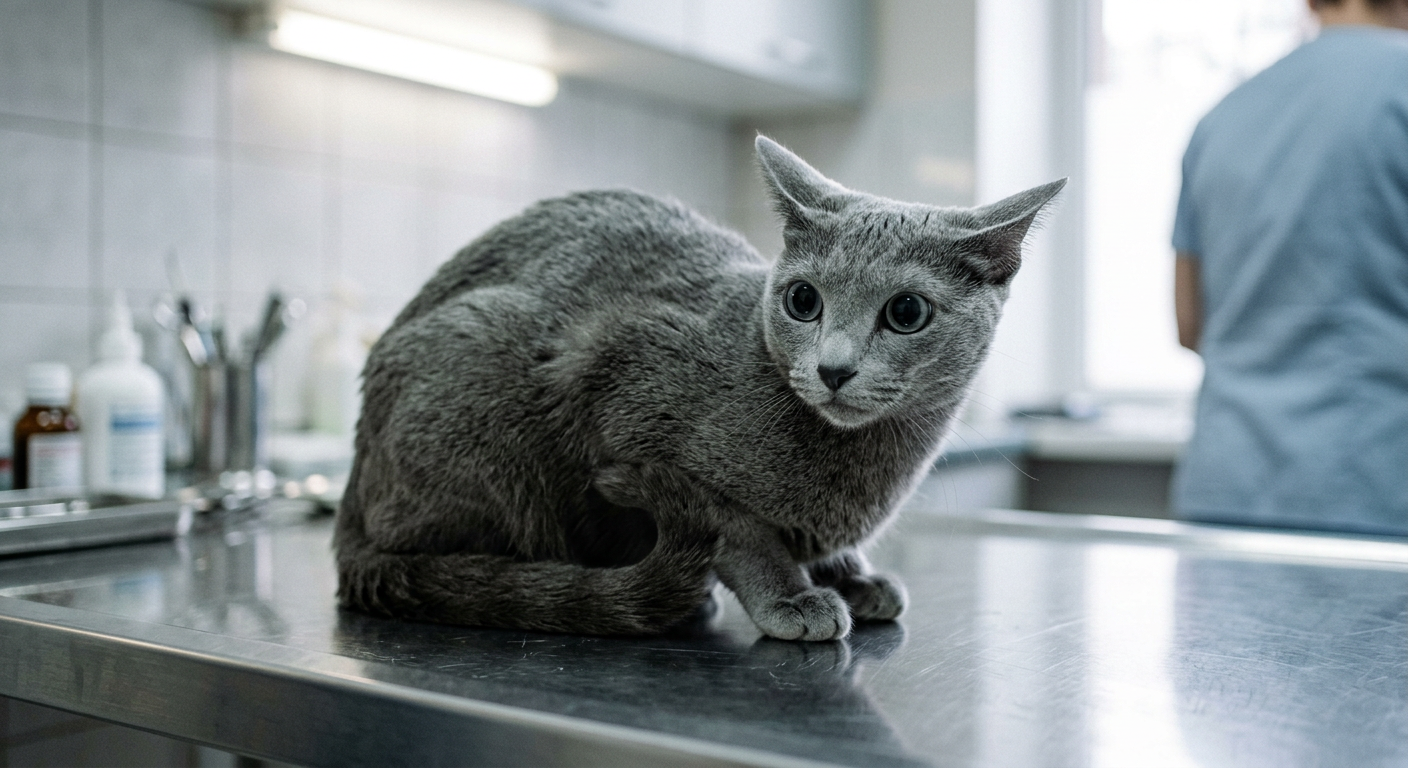
Uncertainty purring sounds remarkably similar to the human ear, but its purpose is very different. A cat may purr to calm themselves down during a thunderstorm or when they are in pain. Because the sound is used to self-regulate, it is sometimes referred to as a "solicitation purr" or a "healing hum." Distinguishing this from a happy purr is a primary goal for new pet technology.
How AI Analyzes Feline Sounds
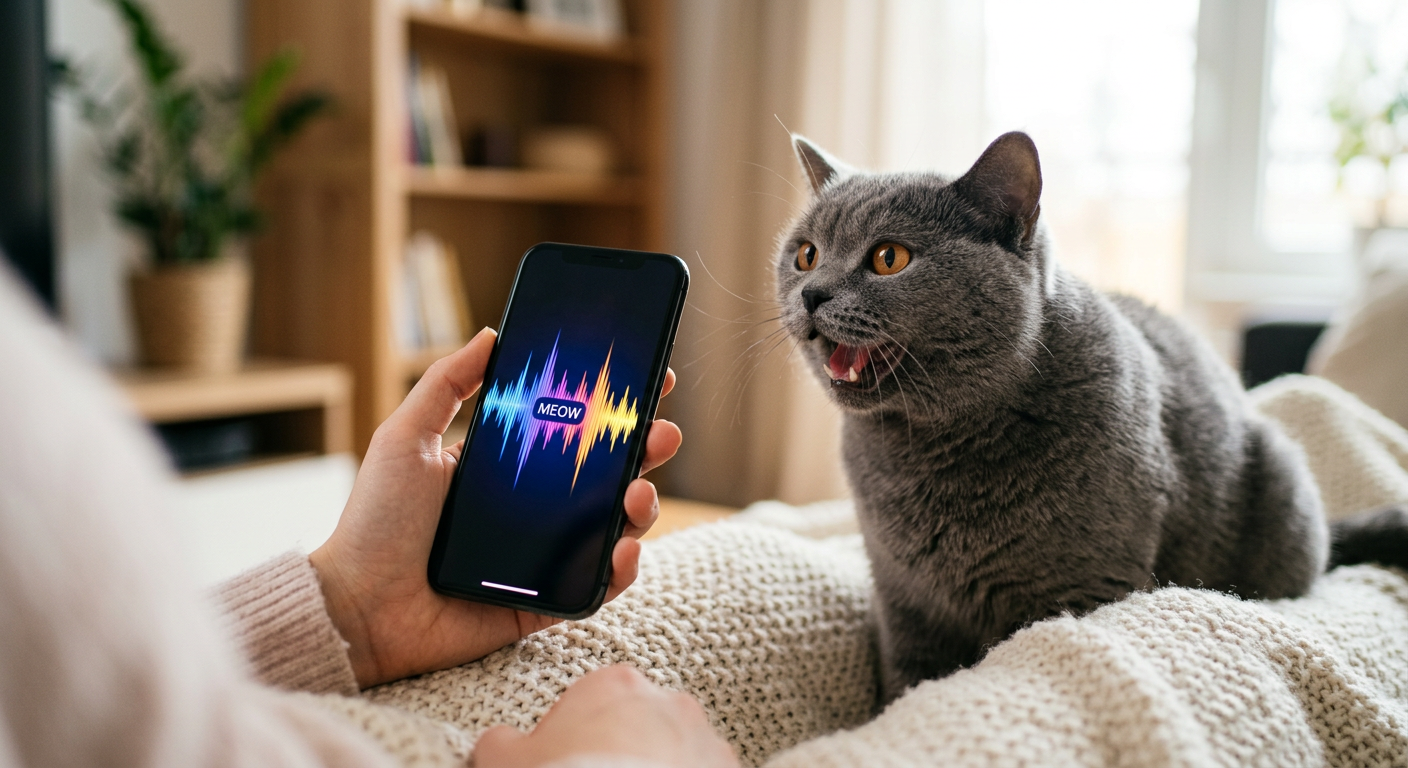
AI technology works by breaking down audio signals into visual representations called spectrograms. These maps show the frequency, intensity, and rhythm of a sound in high detail. By training algorithms on thousands of recordings, developers are teaching machines to spot the tiny variations that humans might miss.
For example, a purr rooted in uncertainty might have a slightly higher pitch or an erratic rhythm compared to a deep, resonant comfort purr. When you use tools for using technology for better pet care, you are tapping into this vast database of acoustic patterns to better interpret your cat's needs.
Pattern Recognition and Context
AI doesn't just look at the sound in isolation. The most effective systems integrate multimodal data, meaning they look at audio alongside visual cues. If the AI detects a purr while the cat's ears are pinned back or their tail is twitching, it can more accurately label the emotion as stress rather than bliss.
Machine Learning Improvements
The more data these systems receive, the smarter they get. As thousands of users upload clips of their cats in various scenarios, the AI learns the specific "dialects" of different breeds. For instance, the vocal patterns of a Maine Coon might differ slightly from a Russian Blue, and AI can account for these breed-specific nuances.
Signs Your Cat is Purring from Comfort
While we wait for AI to become a standard household tool, you can look for specific physical markers that usually accompany a happy purr. AI models are currently being trained to recognize these combinations to provide a comprehensive emotional profile. You can learn more about this in our guide on what your pet's facial expressions mean.
- Kneading: Also known as "making biscuits," this rhythmic paw movement is a classic sign of a secure, happy cat.
- Closed or Half-Closed Eyes: A cat that feels safe will not feel the need to keep their eyes wide open to scan for threats.
- Exposed Belly: Rolling over and purring is a sign of immense trust, as the abdomen is a cat's most vulnerable area.
- Soft Muscle Tone: A comfortable cat will feel heavy and relaxed in your arms rather than stiff or tense.
Identifying Purring Under Stress
If you are wondering, "can AI tell whether my cat purrs from comfort or uncertainty," the answer lies in the "recovery purr." When a cat is uncertain or in pain, their purr serves a functional purpose rather than a social one. AI can often detect a specific "cry" frequency embedded within the purr that triggers a nurturing response in humans.
Common indicators of a stress-related purr include:
- Dilated pupils that do not react to light changes.
- Tense body posture or "hunkering down" in a loaf position.
- Rapid breathing that doesn't match the rhythm of the purr.
- Excessive grooming or sudden "zoomies" immediately after the purring stops.
By identifying these patterns, AI helps owners realize when a cat might need a quiet space or a veterinary check-up rather than extra cuddles. This is particularly helpful in reading multi-pet household dynamics, where one cat might be intimidated by another.
The Future of Feline Communication
We are entering an era where the language barrier between species is thinning. AI is not just about translating "meows"; it is about holistic emotional health. By monitoring how often a cat purrs out of uncertainty versus comfort, we can track their long-term well-being. This data is invaluable for veterinarians when diagnosing chronic conditions or anxiety disorders.
Future apps may even be able to alert you if your cat's purr frequency changes over time, suggesting a potential health issue before physical symptoms even appear. This proactive approach ensures that our feline friends live longer, more comfortable lives.
Conclusion
So, can AI tell whether my cat purrs from comfort or uncertainty? The answer is a resounding yes, and the technology is only getting better. By analyzing the hidden frequencies and rhythmic nuances of feline vocalizations, AI provides a window into the emotional world of our cats that was previously inaccessible.
While technology is a wonderful tool, it should always be used in conjunction with your own intuition and professional veterinary advice. If your cat's behavior changes suddenly, or if you suspect their purring is a sign of discomfort, always consult a vet. By combining human love with artificial intelligence, we can ensure our cats feel truly understood and cared for.