Every pet owner dreams of knowing exactly what is going on behind those soulful eyes. While our furry companions cannot speak, they are masters of non-verbal communication, using every inch of their bodies to signal their joy. Learning how pets express happiness and contentment allows us to bond more deeply with them and ensure their emotional needs are met.
Happiness in pets isn't just about a wagging tail or a loud purr. Joy manifests through complex signals involving facial muscles, posture, and even the way they interact with their environment. By paying close attention to these cues, we can create a home where our pets feel truly understood and cherished.
The Universal Language of a Happy Tail
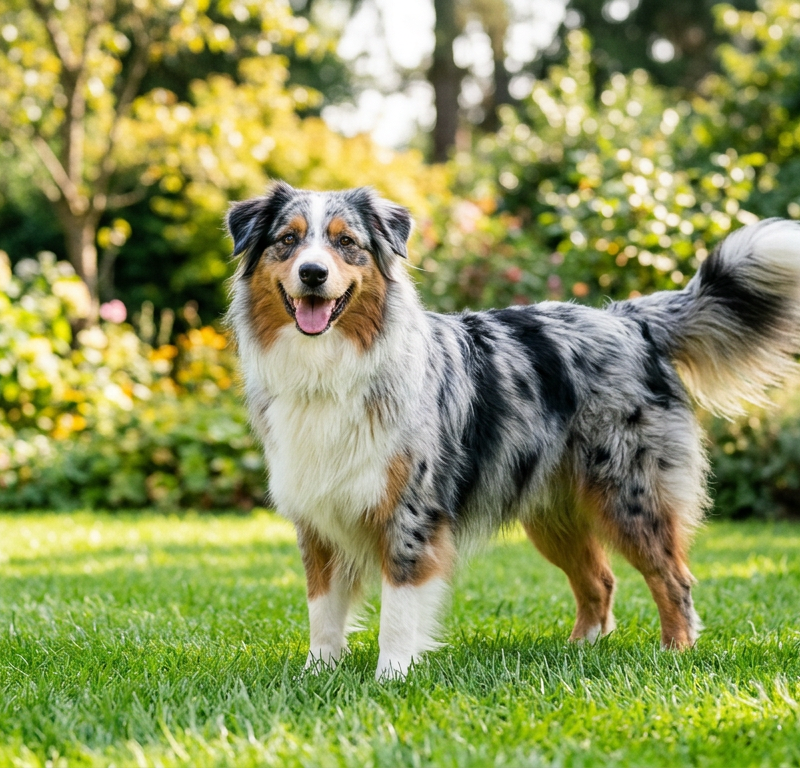
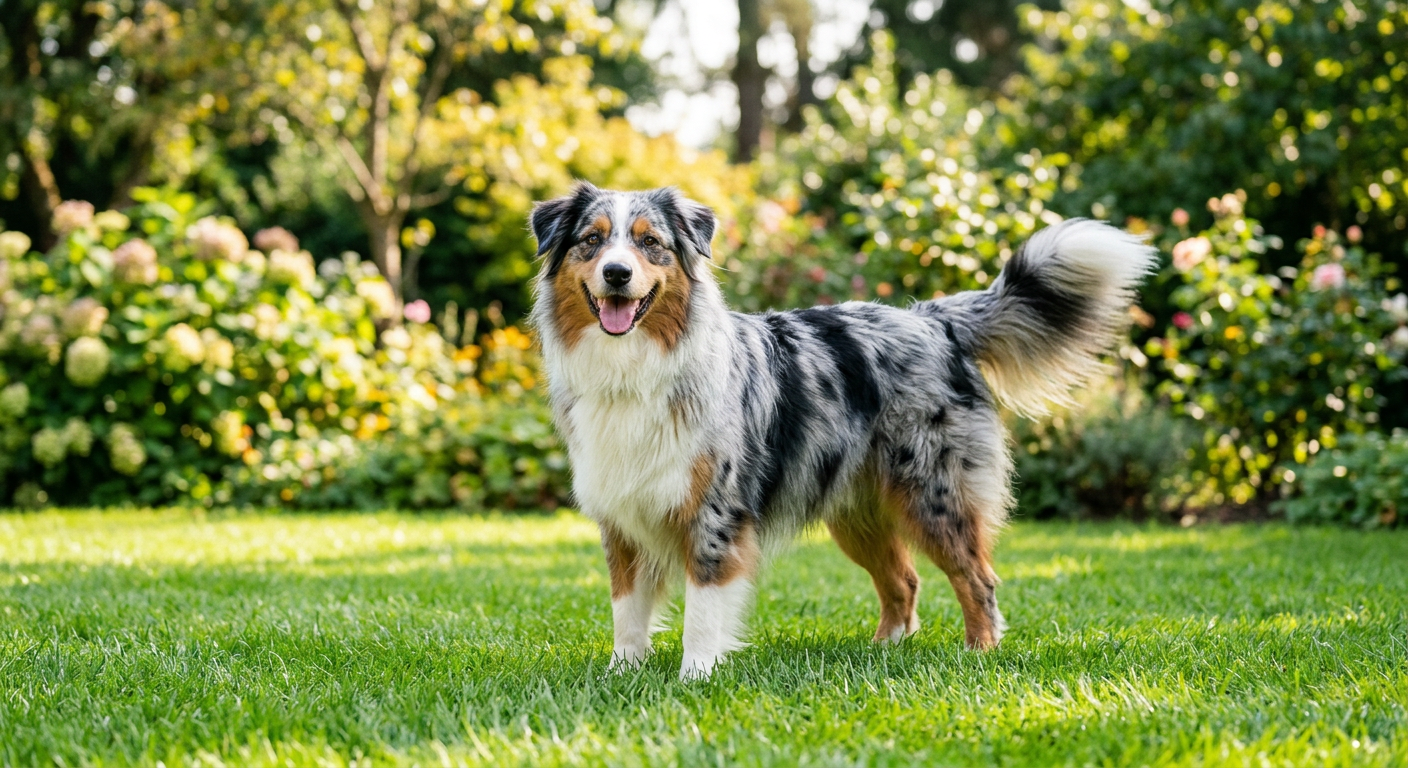
When people think of a joyful dog, the first image that comes to mind is a wagging tail. However, it is the quality of the wag that tells the real story. A content dog usually displays a broad, loose wag that often involves the entire back half of their body. This "helicopter wag" is a hallmark of genuine excitement and comfort.
Cats use their tails differently but no less expressively. A happy cat often holds its tail high in the air with a slight curl at the very tip, resembling a question mark. This is a friendly greeting that invites interaction. You can learn more about these subtle movements by exploring how AI reads pet body language to decode your pet's physical signals.
Subtle Softness in the Eyes
A pet's eyes are a window into their emotional state. In both dogs and cats, "soft eyes" are a primary indicator of relaxation. This means the eyelids are slightly droopy, and the gaze is relaxed rather than intense or staring. A dog might even look like they are squinting or smiling when they are particularly pleased.
For feline friends, the "slow blink" is the ultimate compliment. When a cat looks at you and slowly closes and opens its eyes, they are expressing profound trust and contentment. It is essentially a kitty kiss, signaling that they feel safe and happy in your presence.
Vocalizations and Sounds of Satisfaction
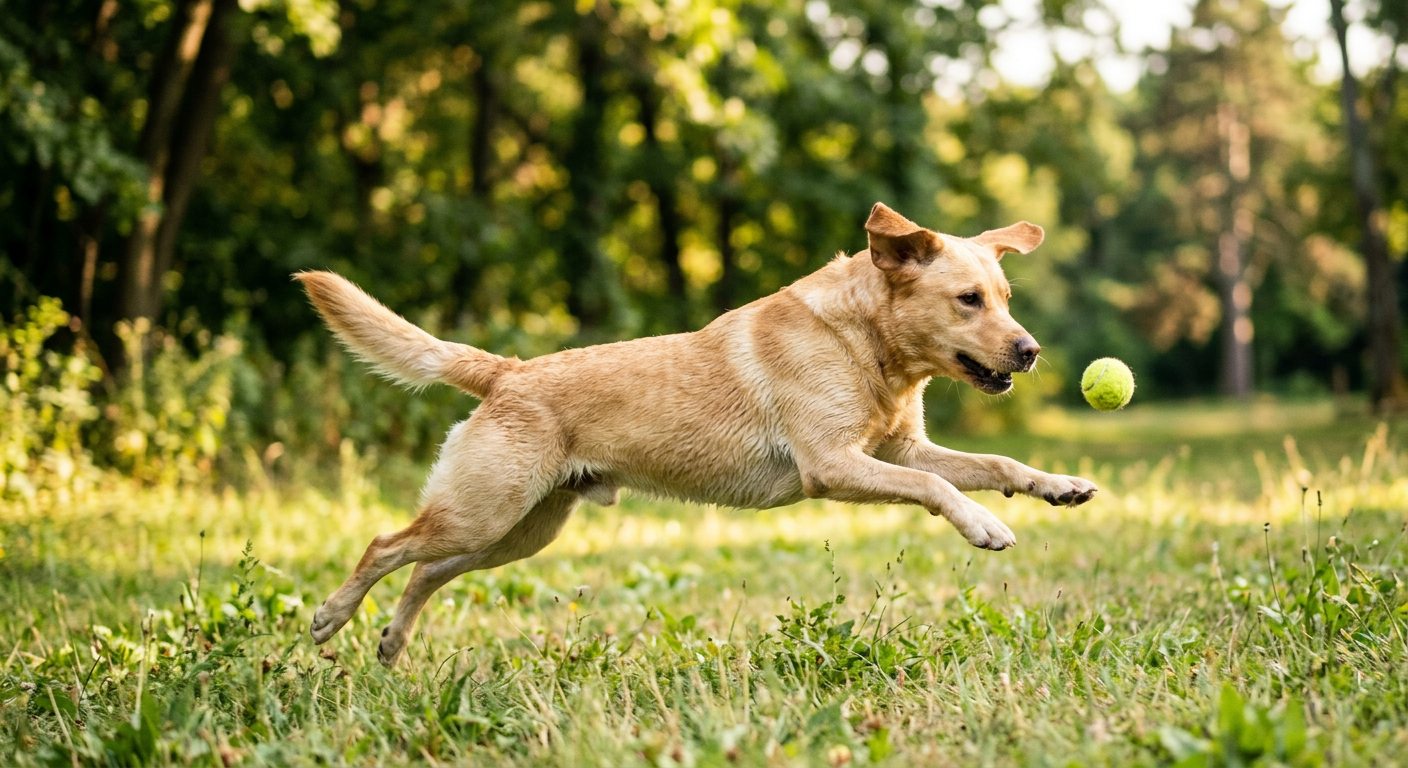
While we might wish for a translator, pets use specific vocal types to show they are having a good time. Dogs often engage in a "play pant," which sounds like a shallow, rhythmic huffing. This is distinct from panting due to heat and is usually accompanied by a play bow or a bouncy posture.
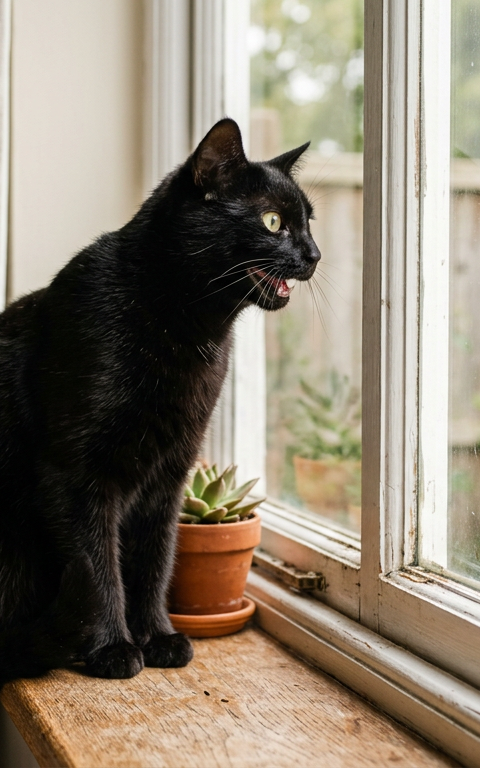
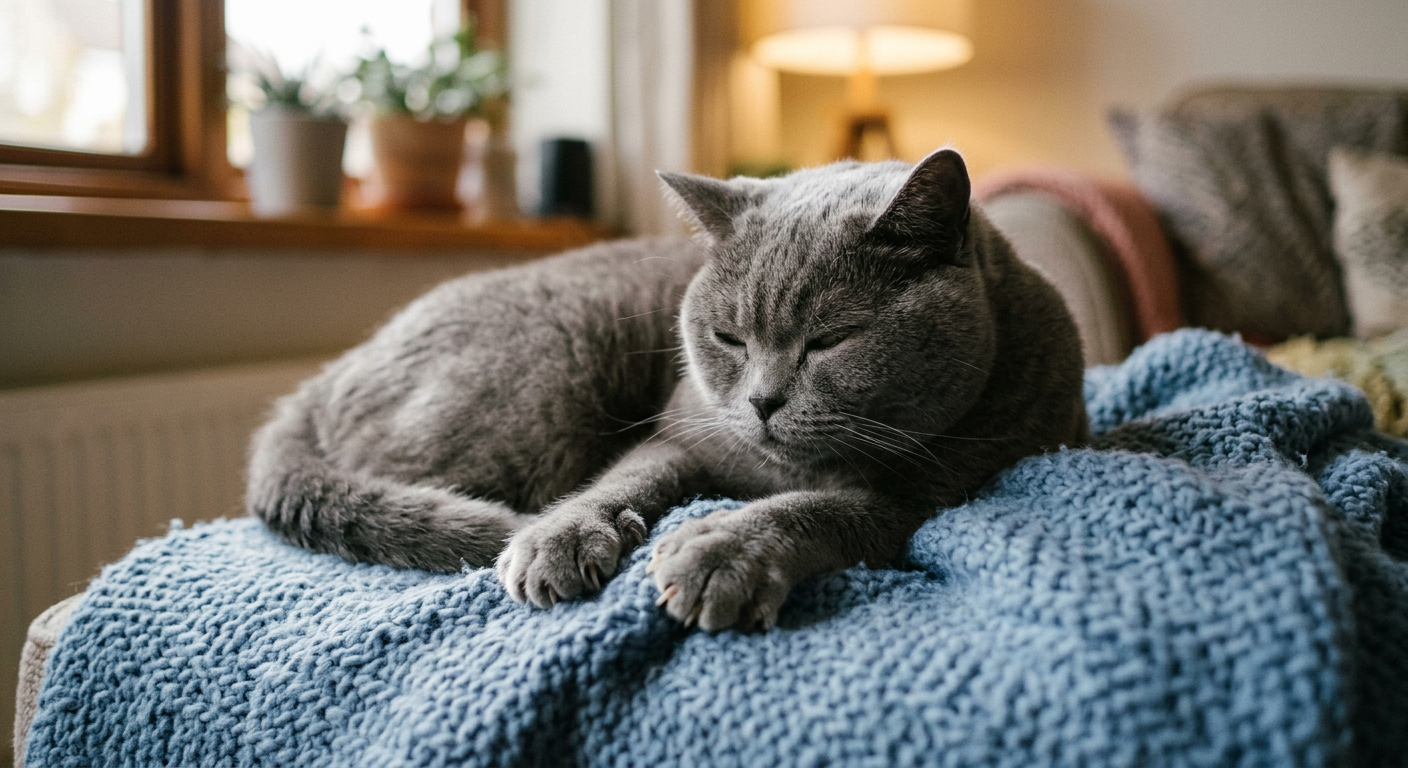
Cats, of course, have the purr. While purring can sometimes indicate stress, a loud, consistent purr while lounging or being petted is a classic sign of feline bliss. Some cats also chirp or trill when they are feeling particularly playful or welcoming toward their favorite humans.
- The Play Bow: A dog lowering its front end while keeping its rear up is a clear invitation for fun.
- Kneading: Also known as "making biscuits," this rhythmic pawing is a leftover behavior from kittenhood that signifies total comfort.
- Zoomies: High-energy bursts of running around the house or yard indicate a surplus of "happy energy."
- Leaning: When a dog leans their weight against your leg, it is often a sign of affection and seeking closeness.
Facial Expressions and Head Positions
The "doggy smile" is a real phenomenon where the corners of the mouth are pulled back slightly, and the tongue may loll out. It is often seen when a dog is receiving praise or during a favorite activity. Understanding what your pet's facial expressions mean can help you distinguish between a relaxed grin and a submissive grimace.
Cats express contentment through their ear positions. When a cat is happy, their ears are usually pointed forward and slightly outward, never pinned back or twitching nervously. Their whiskers will also be relaxed and neutral, spreading out from the sides of their muzzle rather than being pulled tight against their face.
Physical Proximity and Touch
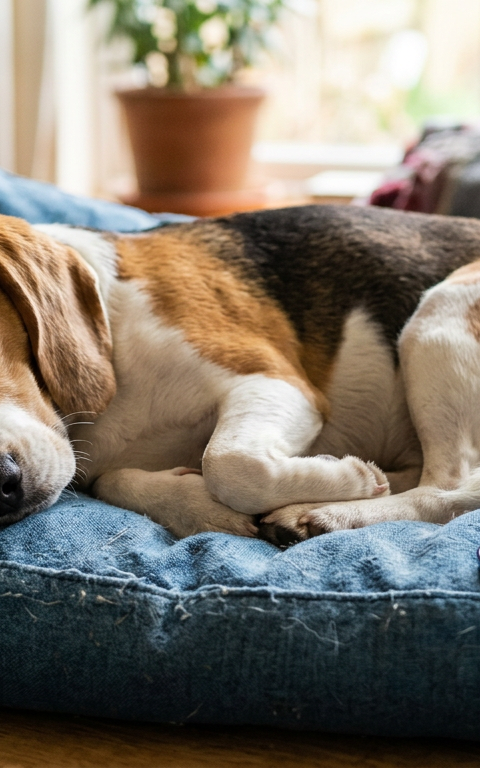
A content pet is one that wants to be near you. This doesn't always mean they are on your lap; sometimes, "passive proximity"—just being in the same room as you—is a sign of deep trust and satisfaction. Dogs often show affection by "nuzzling" or gently placing their head on your lap to initiate contact.
In multi-pet households, happiness is often displayed through social grooming or sleeping together. If you want to see how your different animals interact, you might enjoy reading about reading multi-pet household dynamics. Mutual grooming is a high-level social behavior that reinforces bonds and reduces stress for everyone involved.
Breed Specific Happiness Traits
While most pets share general signs of joy, different breeds can have unique ways of showing they are pleased. For instance, a Border Collie might express its greatest joy through focused work or a game of fetch, while a French Bulldog might show happiness through enthusiastic snorts and "talking."
Some breeds are naturally more stoic, while others wear their hearts on their sleeves. Comparing different temperaments, such as in a Beagle vs Poodle comparison, helps owners manage expectations for how their specific pet might display contentment. Some dogs exhibit joy through quiet leaning, while others are vocal and boisterous.
Creating an Environment for Joy
To ensure your pet feels satisfied, it is important to provide an environment that caters to their natural instincts. This includes regular mental stimulation, physical exercise, and a predictable routine. A pet that knows when to expect food and play is generally more relaxed and content than one living in a chaotic environment.
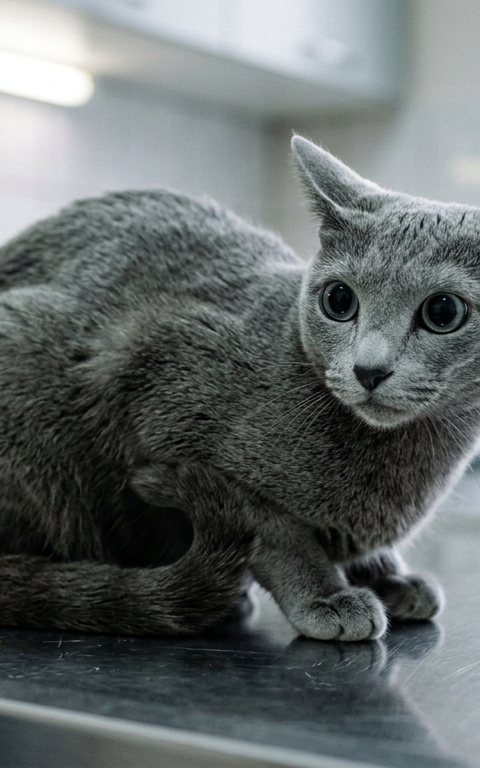
Proactive wellness care is also a major factor in a pet's emotional health. Chronic discomfort can often masquerade as grumpiness or withdrawal. Routine veterinary checkups ensure that your pet remains physically capable of enjoying their favorite activities, from long walks to high-speed chases after a feather toy.
Monitoring Mood with Technology
In the modern age, we have more tools than ever to track our pets' well-being. Using technology to monitor changes in behavior can be an excellent way of tracking your pet's mood over time. Since pets are experts at hiding subtle discomfort, having a digital record of their typical "happy behaviors" helps you spot when something might be slightly off.
AI technology is becoming increasingly adept at recognizing the micro-expressions that signify pet satisfaction. By combining your natural intuition with these innovative tools, you can ensure your pet's golden years are as vibrant and joyful as their puppy or kitten days. Understanding these nuances is a key part of modern pet parenthood.
Conclusion
Recognizing how pets express happiness and contentment is a rewarding journey that strengthens the bond between you and your animal companion. Whether it is the soft gaze of a cat or the exuberant wiggle of a dog, these signals are invitations to share in their joy. By staying observant and providing a loving, stable environment, you ensure your pet lives their happiest possible life.