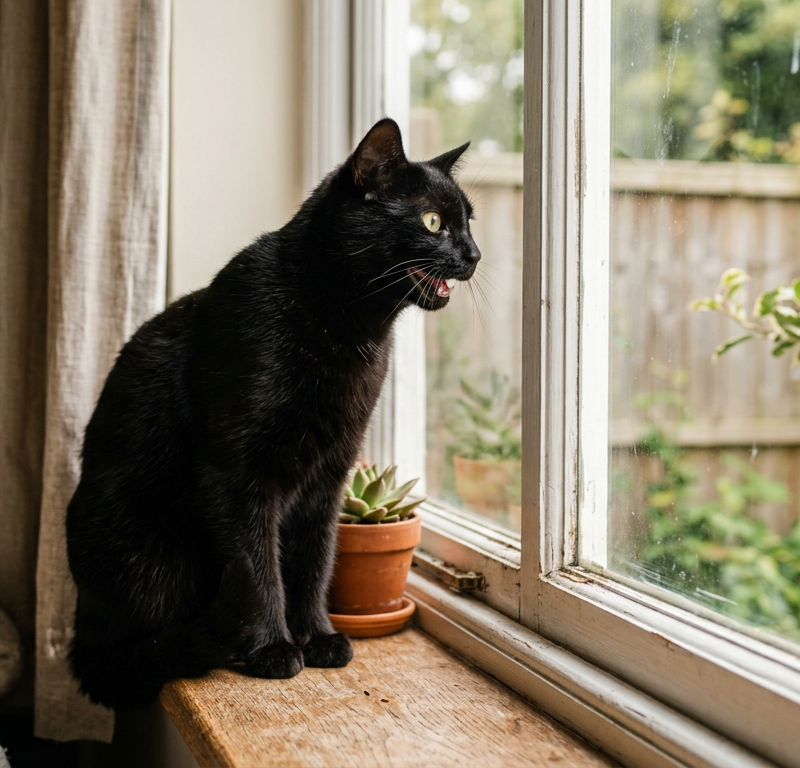
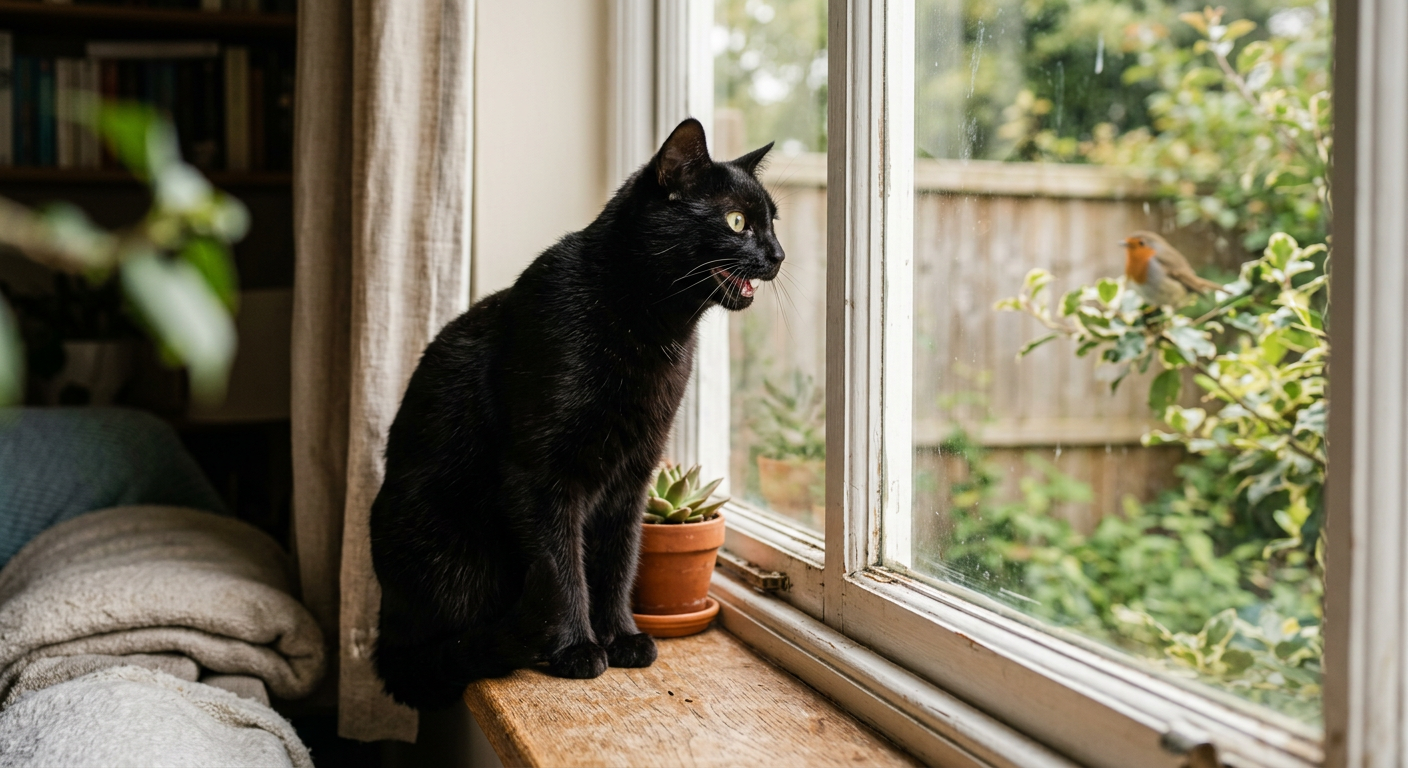
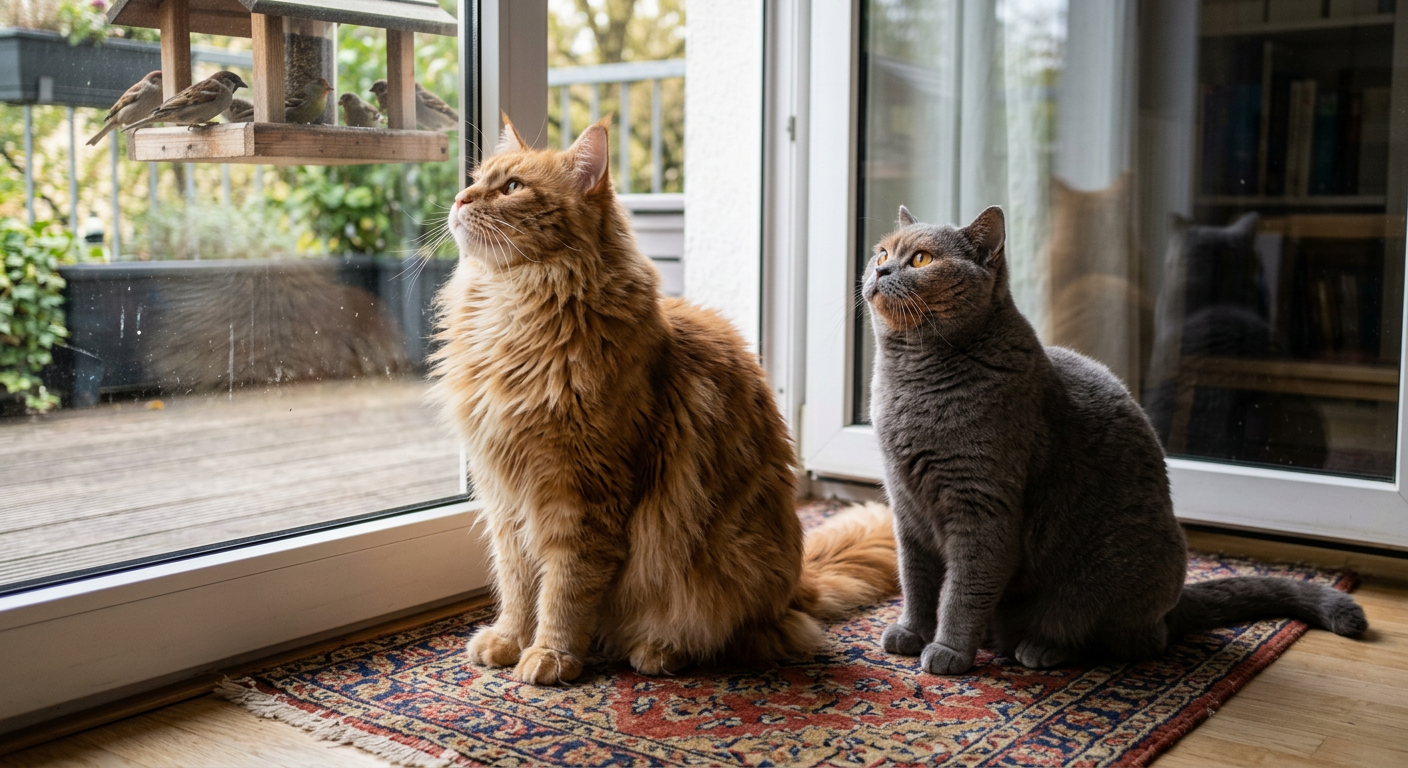
If you have ever watched your feline friend sit by a window, tail twitching and making a strange rhythmic sound, you have likely wondered, can AI explain my cat's emotions when chirping at birds? This behavior, often called chattering or chirping, is one of the most fascinating aspects of feline communication. While it looks adorable, it is actually a complex emotional response rooted in deep-seated instincts.
As technology advances, we are finding new ways to bridge the communication gap between species. Using AI to decode these specific vocalizations allows pet parents to move beyond guesswork and understand the nuance of their cat's mental state. In this article, we will explore what science says about chirping and how modern tools are helping us interpret these wild instincts in our domestic companions.
Understanding the Feline Chirp and Chatter
The sounds a cat makes when spotting a bird are distinct from the standard meow or purr. Chirping is usually a short, high-pitched sound, while chattering involves a rapid movement of the jaw. These sounds are typically reserved for "prey sightings," such as a bird at a feeder or a squirrel on a branch.
Biologists traditionally viewed this as a sign of frustration because the cat cannot reach the prey. However, modern observations suggest it might be a form of "predatory anticipation." Your cat is essentially warming up their jaw muscles for a specialized bite, or perhaps expressing a high state of physiological arousal.
The Role of Adrenaline and Excitement
When your cat chirps, their body is flooded with dopamine and adrenaline. Even if they are behind a glass pane, their brain is processing a hunting sequence. This creates a unique emotional cocktail of focus, excitement, and pent-up energy that manifests in those clicking sounds.
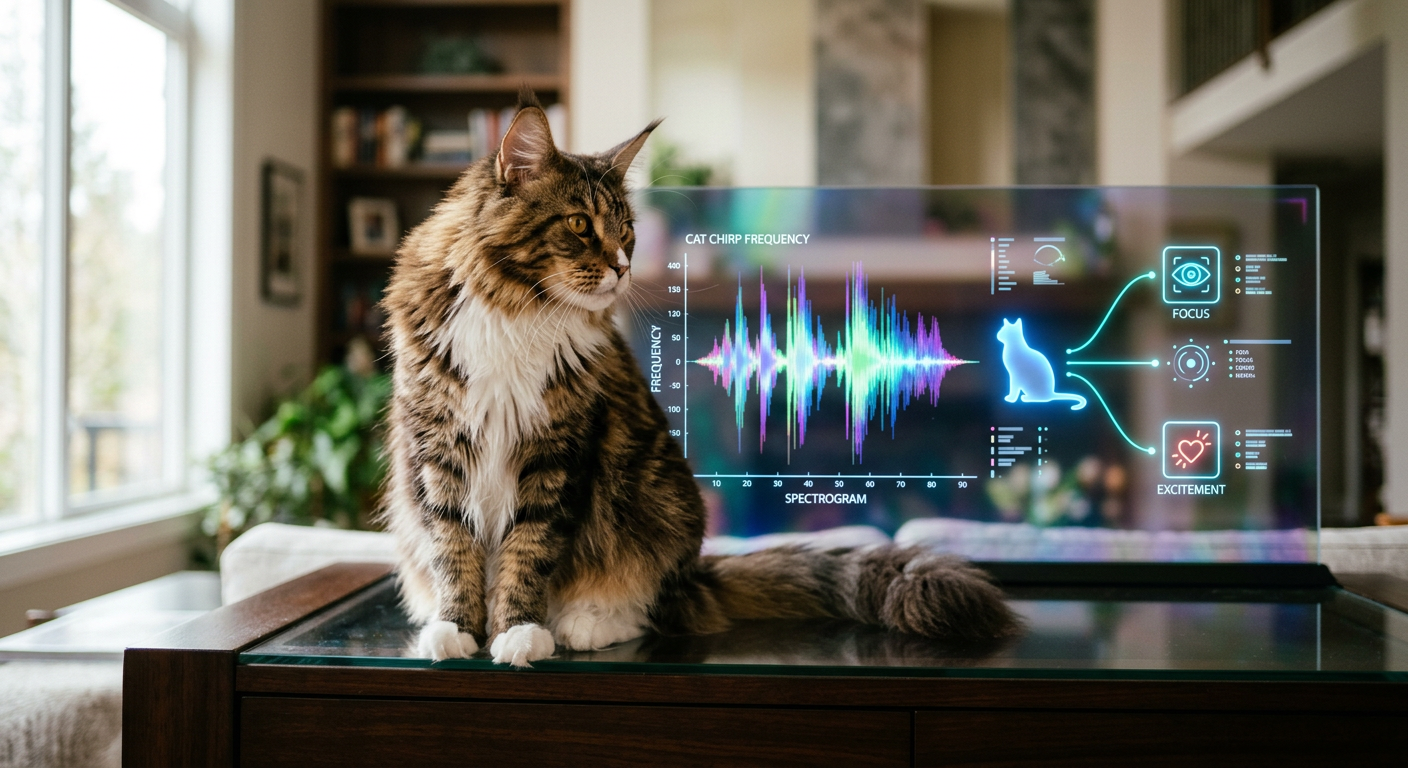
By understanding pet emotions with AI technology, owners can see how these spikes in excitement correlate with other body language markers. An AI model can analyze the frequency of the chirp alongside pupil dilation and tail position to provide a fuller picture of the cat's mood.
How Artificial Intelligence Decodes Feline Sounds
You might wonder how a computer program can possibly know what a cat feels. AI works by processing massive amounts of data—thousands of recordings of cat vocalizations paired with observed behaviors. By identifying patterns in the pitch, duration, and rhythm, AI can categorize sounds into specific emotional states.
When it comes to the question of can AI explain my cat's emotions when chirping at birds, the answer lies in acoustic analysis. AI doesn't just "hear" the sound; it visualizes it as a spectrogram. It can differentiate between a "frustrated chirp" and a "happy excitement chirp" based on subtle variations that the human ear might miss.
Machine Learning and Pattern Recognition
Machine learning models are trained to recognize the "syntax" of feline communication. While cats don't have a language like humans do, they have consistent vocal patterns. AI can detect if a chirp is accompanied by signs of stress or if it is purely a manifestation of playful engagement.
- Data Collection: Recording the specific frequency of the bird-watching chatter.
- Contextual Overlay: Mapping the sound against the cat's physical posture.
- Emotion Mapping: Comparing the data against a database of known feline emotional markers.
- Insight Generation: Providing the owner with a translation, such as "High Focus/Excitement."
The Emotional Spectrum of the Bird Watcher
It is rarely just one emotion driving a cat to chirp. It is usually a blend of several feelings that shift as the bird moves or flies away. AI helps us see this spectrum in real-time. For example, a Maine Coon might have a deeper, more resonant chatter than a smaller breed, but the emotional intent remains similar.
Typical emotions involved in chirping include:
- Intense Focus: The cat is completely dialed into the movement of the prey.
- Anticipation: The "thrill of the hunt" creates a positive, albeit intense, emotional state.
- Mimicry: Some researchers believe cats may even try to mimic bird sounds to lure them closer, though this is still being studied.
- Light Frustration: The realization that the glass is an obstacle can lead to a slight dip in mood.
Using AI to Track Long-Term Behavior
One of the best ways to use this technology is by tracking your pet's mood over time. If your cat suddenly stops chirping at birds, or if the tone of their chirp changes significantly, it could be an early indicator of a change in their health or cognitive function. AI makes it easy to spot these subtle shifts.
Can AI Differentiate Between Breeds?
While the instinct to chirp is universal among cats, different breeds may express it differently. A vocal breed like a Siamese might combine chirps with loud meows, whereas a more reserved breed might only chatter silently with their jaw. AI models are becoming sophisticated enough to account for these breed-specific "dialects."
When comparing different types of cats, such as a British Shorthair vs. Scottish Fold, you might notice variations in how they react to external stimuli. AI can help calibrate the emotional baseline for each specific pet, ensuring the interpretation is accurate for their unique personality.
Practical Benefits for Cat Owners
Understanding the "why" behind the chirp helps you provide a better environment for your cat. If AI indicates that your cat is experiencing high levels of frustration because they can't reach the birds, you can intervene with proactive care. This might include starting a play session with a feather wand to help them "finish" the hunting cycle.
By using technology for better pet care, we move away from viewing our pets as mysterious enigmas and start seeing them as individuals with clear needs. If you know that chirping at birds is a highlight of your cat's day, you can ensure their favorite window perch is always accessible.
Improving the Human-Cat Bond
Knowledge leads to empathy. When you understand that your cat’s weird clicking sound is actually a sign of intense mental stimulation and joy, you can share in that moment with them. Instead of being confused, you become a participant in their world.
Conclusion
So, can AI explain my cat's emotions when chirping at birds? The answer is a resounding yes. Through the power of acoustic analysis and behavioral mapping, AI gives us a window into the predatory instincts and joyful anticipation that drive our cats. It transforms a strange noise into a meaningful conversation about their inner world.
While AI provides incredible insights, always remember that you know your cat best. Technology is a tool to enhance your bond, not replace your intuition. If you ever notice significant changes in your cat's vocalizations or behavior, it is always a good idea to consult with a veterinarian to ensure your feline friend is feeling their best.