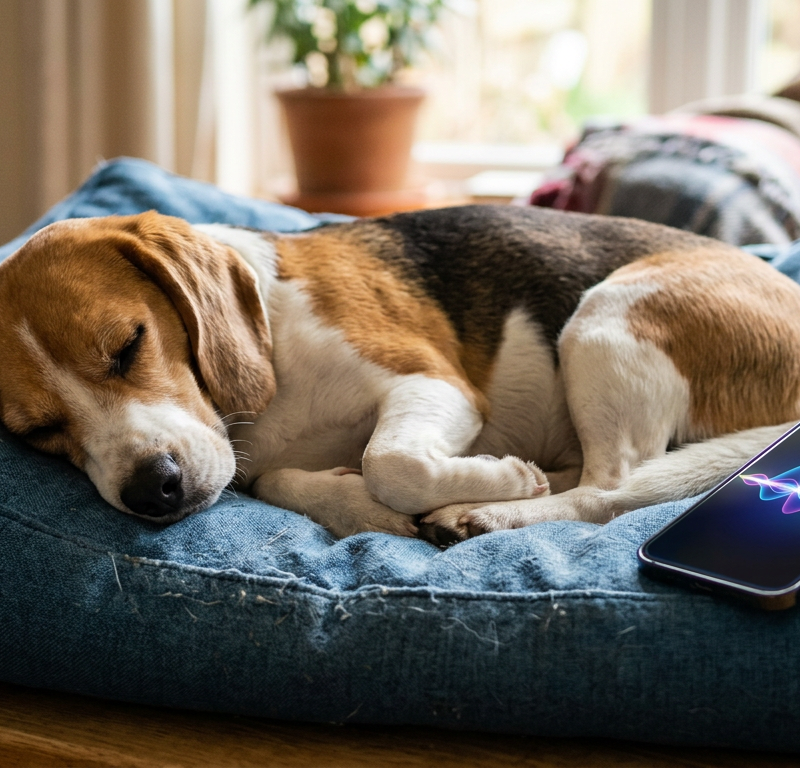
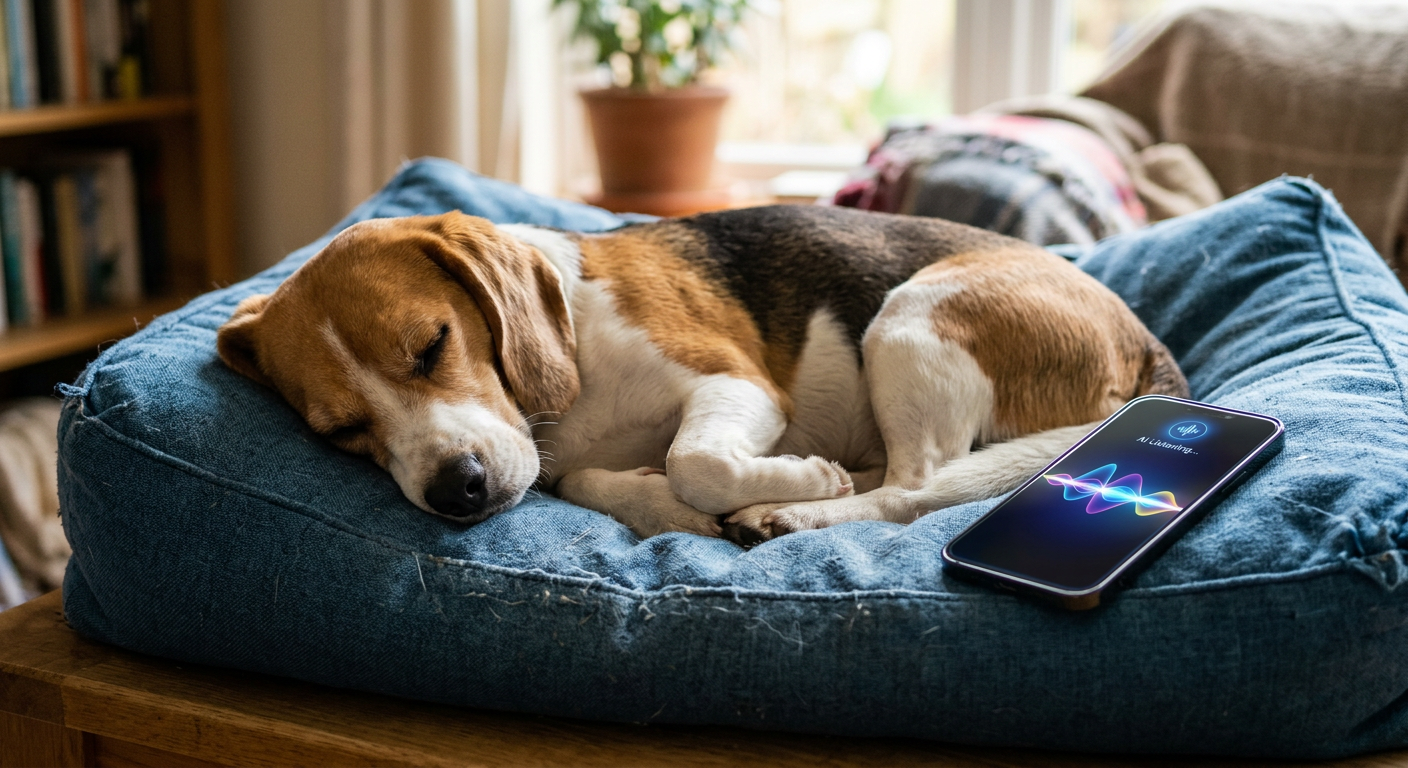
Watching your dog twitch and murmur in their sleep is one of the most endearing parts of pet ownership. Many owners wonder if their furry friends are chasing squirrels or simply replaying the day’s events. A common question that arises during these quiet moments is, can AI interpret my dog's soft whining during sleep? As technology advances, we are finding new ways to bridge the communication gap between species, offering insights into the resting minds of our companions.
Artificial intelligence is uniquely suited to analyzing patterns that the human ear might miss. While we hear a faint whimper, AI can process the frequency, duration, and cadence of those sounds. By comparing these vocalizations against vast databases of canine behavior, technology is helping us understand what these nocturnal noises might signify in the broader context of pet wellness.
The Science of Canine Sleep Cycles
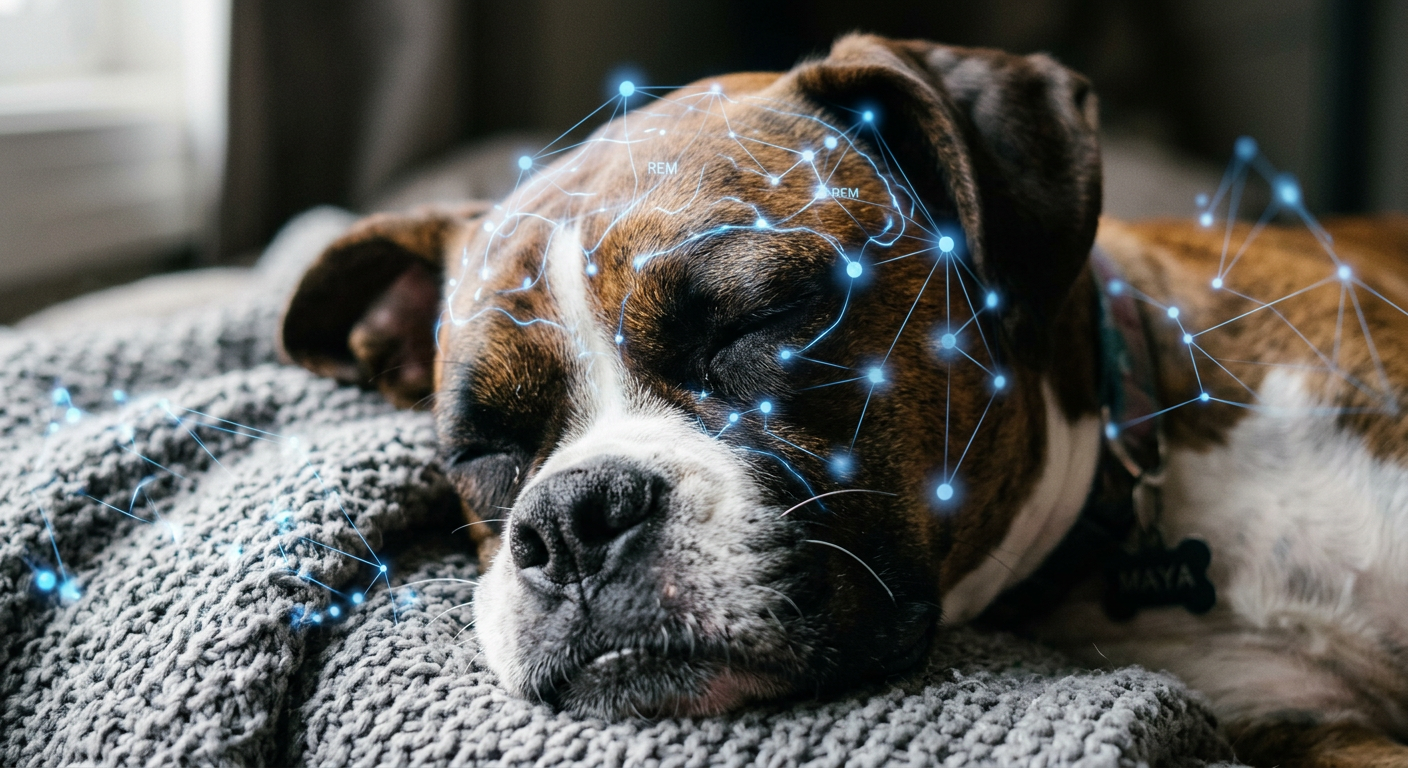
To understand how technology assists us, we must first look at how dogs sleep. Like humans, dogs experience different stages of sleep, including Rapid Eye Movement (REM). This is the stage where most dreaming is thought to occur, and it is often accompanied by physical manifestations.
REM Sleep and Vocalizations
During REM, a dog's brain is highly active, even though their body stays mostly still due to a natural mechanism that prevents them from acting out dreams. However, this "sleep paralysis" isn't always perfect. Small twitches in the paws, flickers of the eyelids, and soft whining are common signs that your pet is deep in a dream state.
What Dreams Might Sound Like
When you hear those muffled barks or whimpers, your dog is likely processing sensory information from their waking life. Because dogs rely heavily on scent and sound, their dreams are likely vivid tapestries of these experiences. Analyzing these sounds requires a nuanced approach that looks at the emotional undertones of the vocalization.
How AI Analyzes Canine Vocalizations
The core of the question regarding whether AI can interpret a dog's soft whining during sleep lies in machine learning. AI models are trained on thousands of audio recordings of dogs in various emotional states—joy, anxiety, excitement, and discomfort. This allows the software to identify the "acoustic fingerprint" of a specific sound.
When a dog whimpers at night, AI tools can look for markers of distress versus markers of excitement. For instance, a high-pitched, rhythmic whine might correlate with a positive dream about play, while a lower, more drawn-out sound could indicate a moment of dream-induced tension. This technology is a significant part of using technology for better pet care in the modern age.
- Frequency Analysis: AI measures the pitch to determine the intensity of the emotion.
- Duration Tracking: Longer whines might suggest a more prolonged dream sequence.
- Pattern Recognition: Comparing sleep sounds to the dog's daytime barks to find consistency.
Distinguishing Between Dreams and Discomfort
One of the most valuable aspects of using AI for sleep interpretation is the ability to monitor wellness. While most sleep whining is perfectly normal, persistent or sudden changes in sleep vocalizations can sometimes be a proactive care signal. AI can help owners track these trends over time, which is much more effective than relying on memory alone.
Tracking Mood Over Time
By logging sleep sounds, AI can provide a baseline for your pet's "normal." If your dog suddenly starts whining more frequently or with a different tone, the software can flag this for your attention. This kind of data is invaluable when tracking your pet's mood over time to ensure they are happy and healthy.
When to Consult a Professional
It is important to remember that while AI is a fantastic tool for insight, it does not replace medical advice. If your dog’s nighttime whining is accompanied by restlessness, difficulty breathing, or signs of pain when waking, you should always consult a veterinarian. Technology serves as a bridge to help you notice these changes earlier.
Improving the Bond Through Understanding
The goal of interpreting sleep whimpers isn't just about data; it's about empathy. When we understand that our dogs are experiencing complex emotional lives, even in their sleep, it strengthens the bond we share with them. Seeing a "translation" of a sleep whine helps us view our pets as the sensitive, intelligent beings they are.
For owners of specific breeds, like a French Bulldog or a German Shepherd, understanding these nuances is even more interesting, as different breeds may have different vocal tendencies based on their snout shape and historical roles. AI helps tailor these insights to the specific animal in front of you.
The Future of Pet Communication
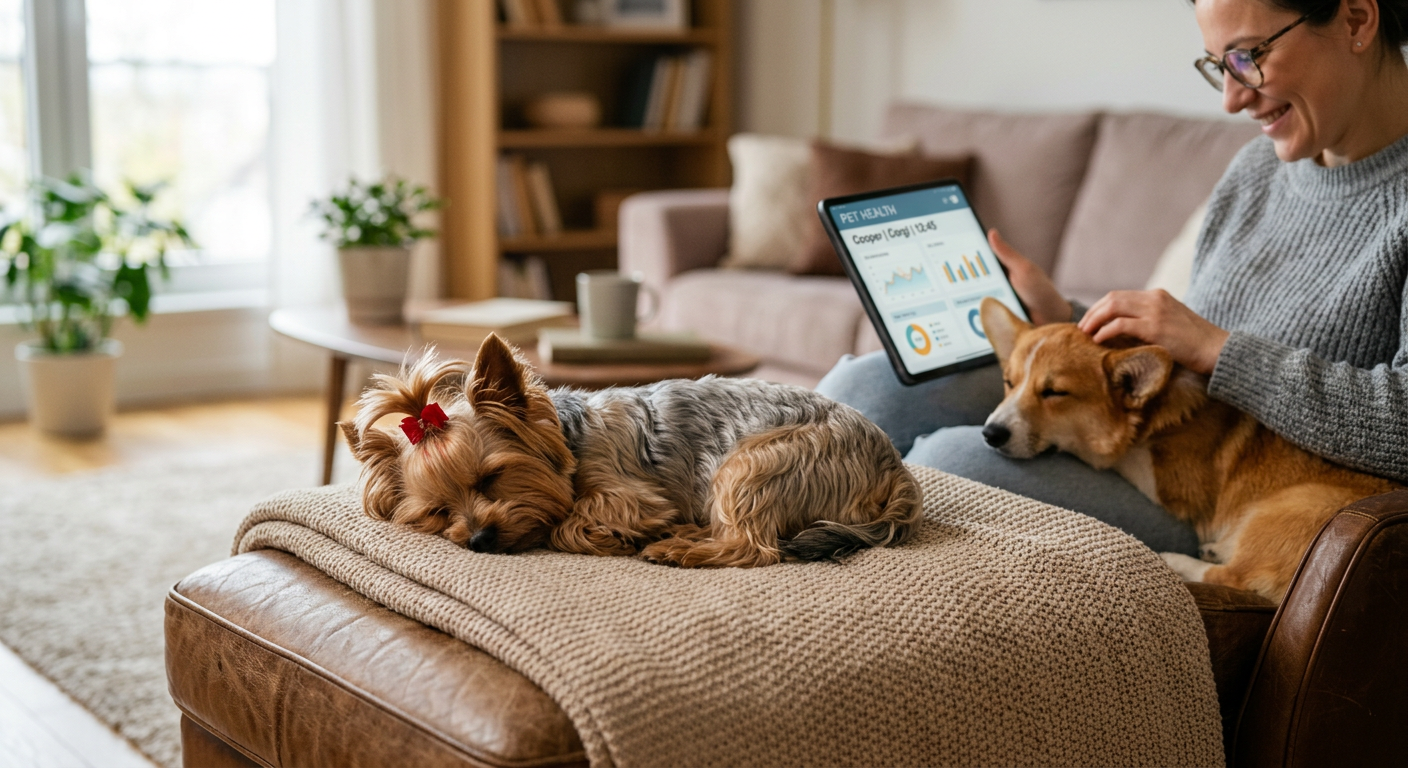
We are just at the beginning of what is possible. Future AI might integrate heart rate monitoring and movement tracking alongside audio analysis to give a 360-degree view of a dog's sleep quality. This holistic approach will move us closer to truly "speaking" dog.
If you are interested in how these visual and auditory cues work together, you might enjoy learning about what your pet's facial expressions mean. Combining facial recognition with audio analysis creates a powerful toolkit for any dedicated pet parent.
Conclusion
So, can AI interpret my dog's soft whining during sleep? The answer is a hopeful yes. While we may never know the exact details of the squirrels they chase, AI provides a window into the emotional tone of their dreams. By leveraging technology, we can ensure our pets are resting peacefully and continue to provide the best possible care for our lifelong companions.