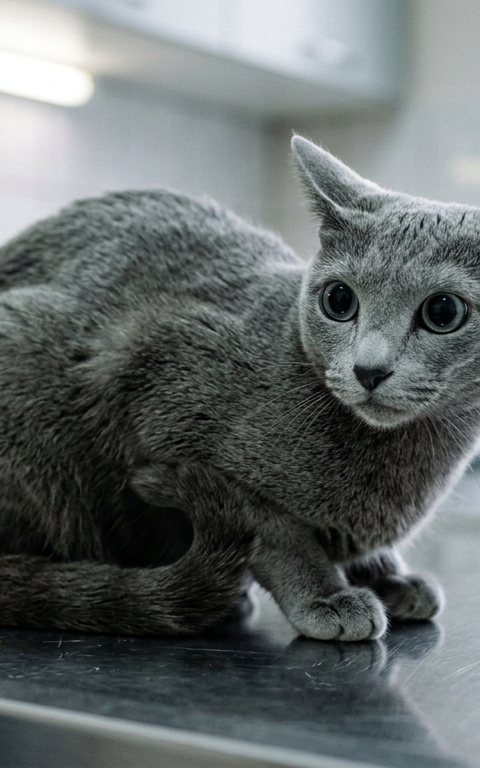
The relationship between humans and their animals has undergone a massive transformation in the digital age. Today, using technology for better pet care is no longer a futuristic concept but a daily reality for millions of dedicated owners. From smart feeders to advanced diagnostic tools, these innovations are helping us understand our companions more deeply than ever before.
As we embrace these digital tools, we find new ways to bridge the communication gap between species. While a wagging tail or a soft purr tells part of the story, modern tech fills in the blanks by providing data-driven insights. This proactive approach to wellness ensures that our pets stay healthy, happy, and integrated into our modern lifestyles.
Advanced Monitoring and Wearable Tech
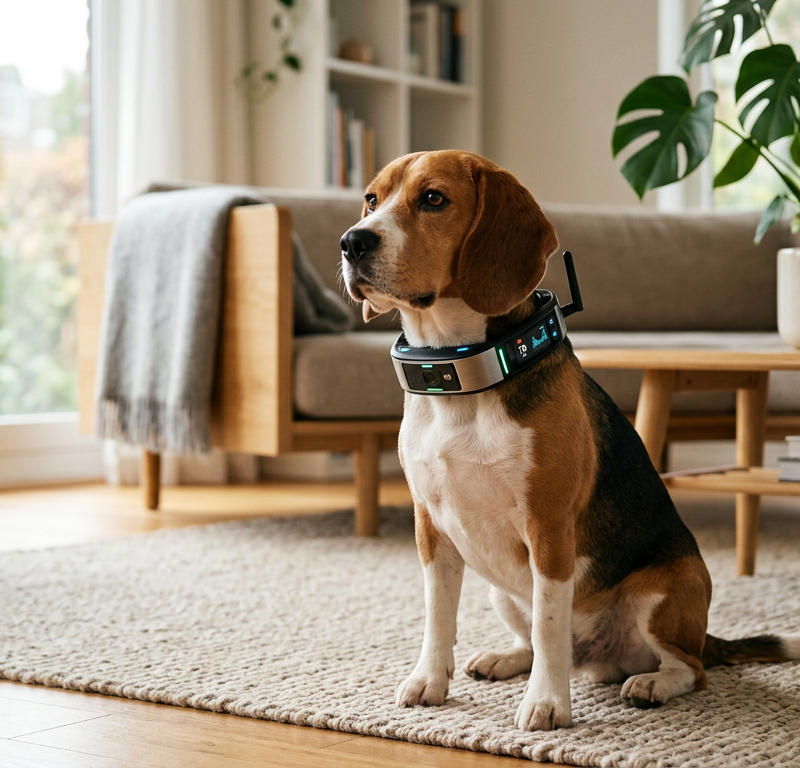
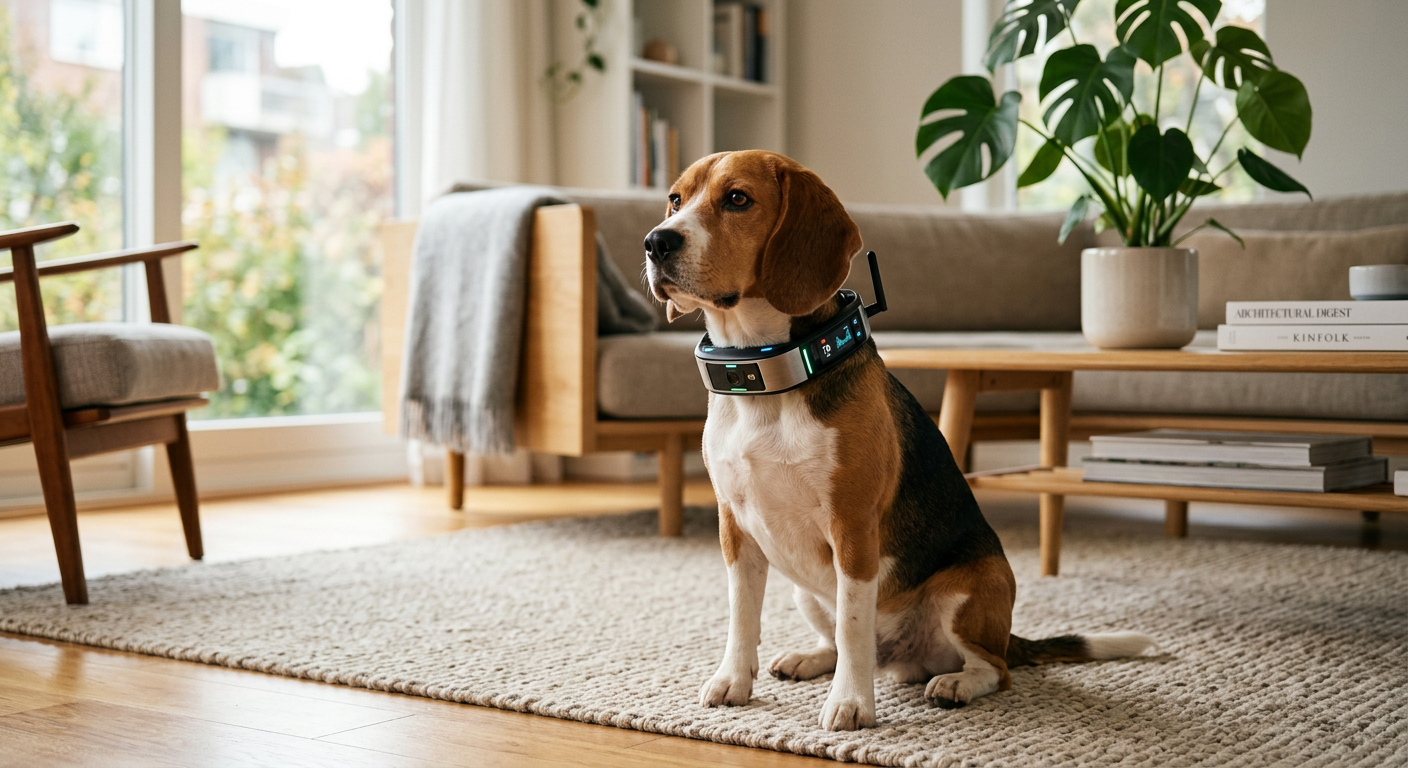
Wearable devices have revolutionized how we track the physical activity of our canine and feline friends. Much like a smartwatch for humans, these collars and tags record steps, sleep patterns, and even scratching frequency. By establishing a baseline of normal behavior, you can quickly identify subtle shifts that might indicate a change in health.
GPS tracking is another significant benefit of modern wearables. Real-time location data provides peace of mind for owners of adventurous cats or dogs with a tendency to wander. These systems often include "safe zones" that alert your smartphone the moment your pet leaves a designated area, such as your backyard or home.
Interpreting Health Data
Health data is most valuable when it is consistent. Monitoring a senior Labrador Retriever through a wearable can reveal if they are slowing down due to age or if a sudden drop in activity warrants a veterinary visit. Sharing these digital reports with professional caregivers allows for more precise consultations and personalized care plans.
Beyond physical activity, some advanced sensors now monitor heart rate and respiratory patterns. These metrics are particularly useful for breeds prone to certain cardiac conditions. By catching minor fluctuations early, owners can seek proactive wellness checks before a small issue becomes a larger concern.
AI and Emotional Intelligence in Pets
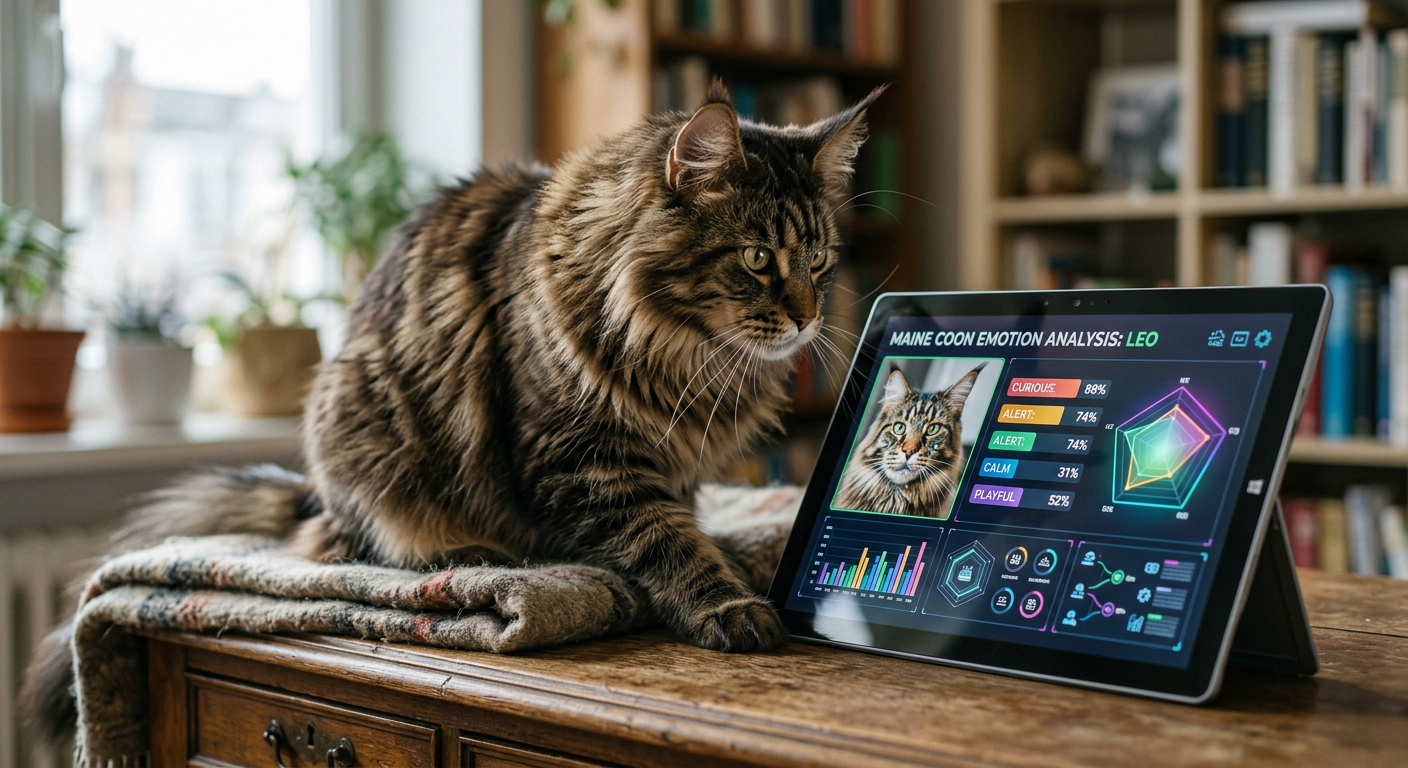
One of the most exciting frontiers in modern animal husbandry is the use of artificial intelligence to interpret feelings. We are beginning to see how AI reads pet body language by analyzing thousands of subtle cues in facial expressions and posture. This technology helps owners distinguish between a pet that is truly relaxed and one that is showing signs of silent stress.
Understanding these emotional states is a cornerstone of using technology for better pet care. When we can accurately identify a pet's mood, we can adjust our training methods, environmental enrichment, and social interactions to suit their specific needs. It removes much of the guesswork from daily care.
Building a Feedback Loop
Digital tools create a feedback loop that strengthens the human-animal bond. For example, tracking your pet's mood over time allows you to see patterns related to your schedule, diet changes, or new additions to the family. This longitudinal data helps in creating a stable and supportive environment.
- Identify triggers for anxiety or excitement.
- Monitor the effectiveness of new training routines.
- Ensure all family members are providing consistent interaction.
- Optimize daily schedules based on peak energy levels.
Smart Home Integration for Comfort
Our homes are becoming more responsive to the needs of our pets through smart integration. Environmental controls allow owners to maintain the perfect temperature for their animals while they are away at work. For thick-coated breeds like the Siberian Husky, maintaining a cool climate during summer months is an essential part of their wellness routine.
Automated lighting can also play a role in regulating a pet's circadian rhythm. Smart bulbs that mimic natural sunlight patterns help indoor pets maintain a healthy sleep-wake cycle. This is especially beneficial for senior animals who may experience confusion or restlessness during the evening hours.
Automated Nutrition and Hydration
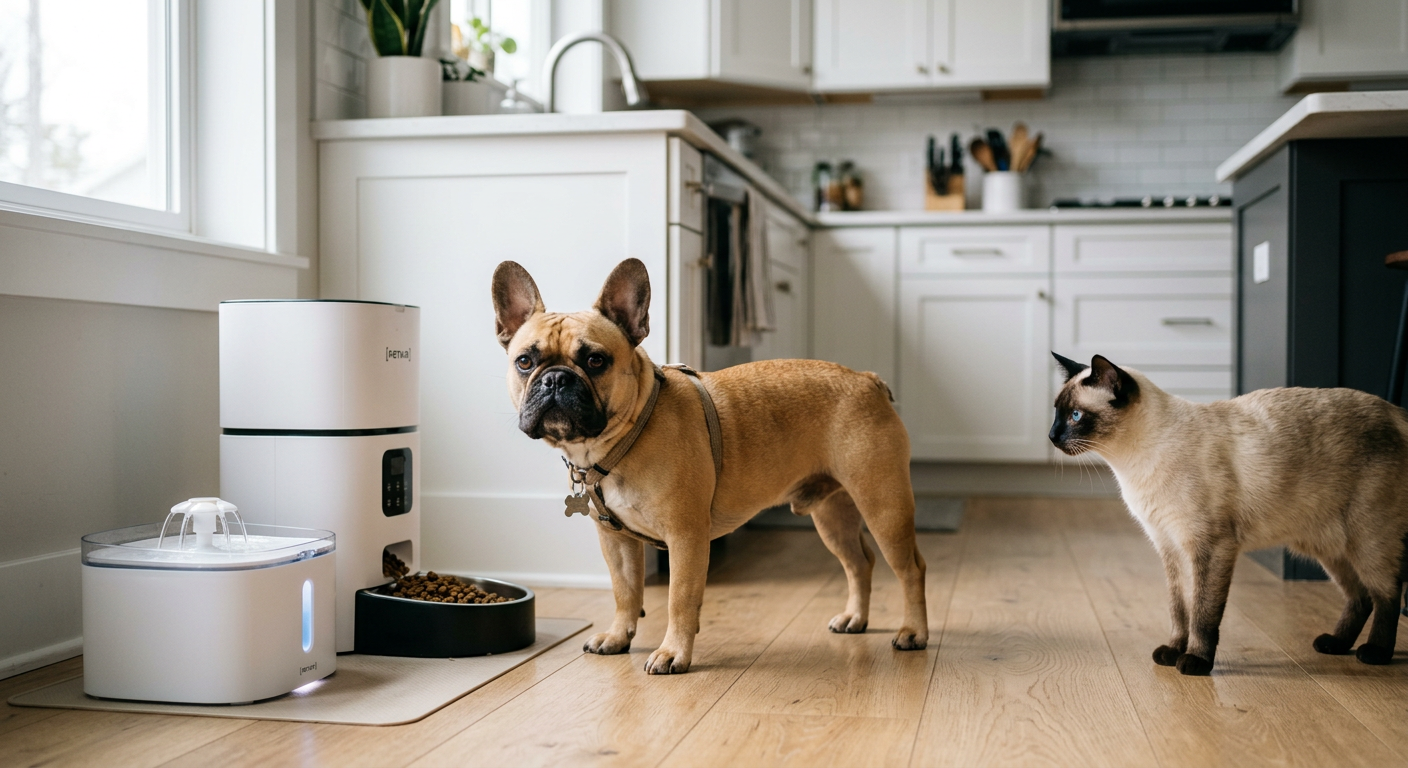
Smart feeders taking the guesswork out of mealtime are a perfect example of using technology for better pet care. These devices can be programmed to dispense precise portions at specific times, preventing overeating and maintaining a healthy weight. Many models also include cameras, allowing you to check in and see if your pet is eating with their usual appetite.
Hydration is equally important, particularly for cats who often have a low thirst drive. Smart water fountains filter and circulate water to keep it fresh, while built-in sensors track how much your pet drinks each day. A sudden decrease in water consumption can be an early indicator of various wellness considerations, prompting a quick call to the vet.
Enhancing the Multi-Pet Experience
Managing a household with several animals presents unique challenges that technology can help solve. Microchip-activated doors and feeders ensure that the right pet gets the right food and access. This is vital in homes where one pet may be on a specialized therapeutic diet that others should not consume.
Furthermore, reading multi-pet household dynamics through camera systems helps owners understand the social hierarchy. You can see who is playing, who is hiding, and whether everyone is getting along when you aren't in the room. This insight is invaluable for maintaining a peaceful and harmonious home for all your furry residents.
The Future of Veterinary Telemedicine
Telemedicine has become a bridge between home care and professional medical attention. Video consultations allow veterinarians to observe a pet in their natural environment, where they are often more relaxed than in a clinic. This setting provides a clearer picture of their typical behavior and mobility.
Digital records and integrated apps make it easy to manage vaccination schedules and medication reminders. Having your pet's entire medical history at your fingertips ensures that you are always prepared, whether you are visiting your regular vet or an emergency clinic while traveling. This seamless flow of information is a hallmark of modern pet parenting.
Conclusion
The journey of using technology for better pet care is an ongoing evolution that brings us closer to our companions. By leveraging wearables, smart home devices, and AI-driven insights, we can provide a level of care that was once unimaginable. These tools do not replace the love and intuition of an owner; rather, they enhance our ability to be the best possible advocates for our pets' well-being.
As tech continues to advance, the focus remains on the quality of life we offer our animals. By staying informed and open to new innovations, we ensure our pets lead vibrant, healthy lives by our sides. Always remember to discuss new tech-based health findings with your veterinarian to ensure they align with your pet's professional care plan.