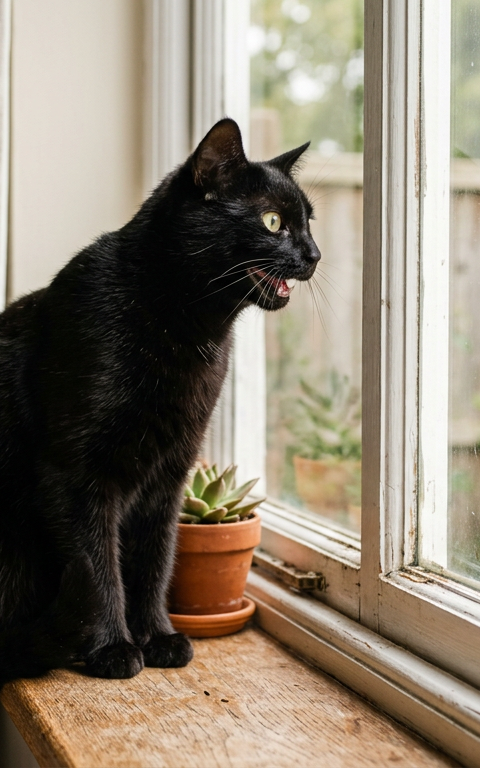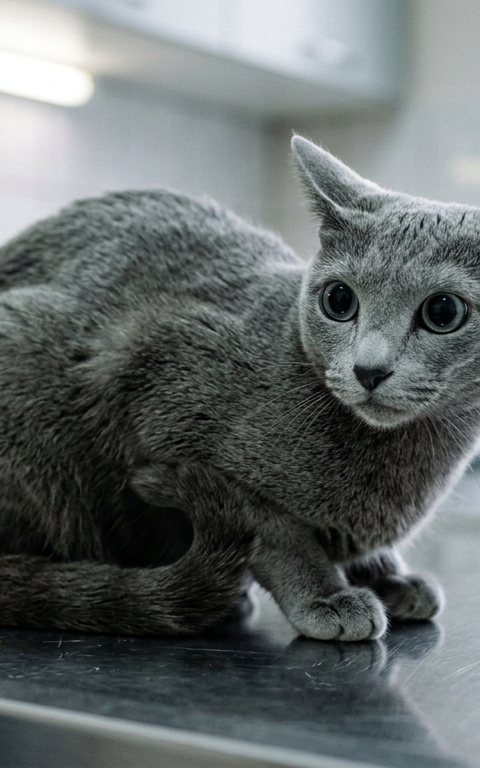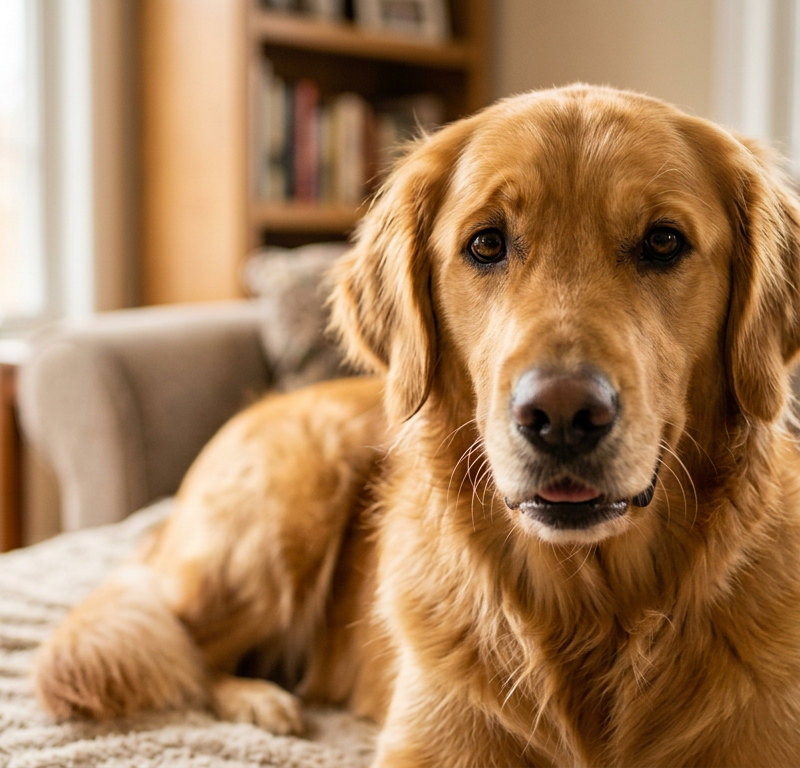
Our pets may not speak our language, but they communicate volumes through their gaze, whiskers, and smiles. Understanding what your pet's facial expressions mean is a journey into their emotional world, helping you build a deeper and more rewarding bond. While we often focus on tail wags or meows, the subtle shifts in facial muscles can tell a more nuanced story about how your furry companion feels in any given moment.
Recent advances in animal behavior science have revealed that dogs and cats possess a complex array of facial movements. These movements aren't just random twitches; they are sophisticated signals designed to convey comfort, curiosity, or a need for space. By learning to decode these signals, you become a better advocate for your pet's emotional well-being.
If you're curious about how your dog's age affects their expressiveness, you might find our Golden Retriever age calculator helpful in understanding their current life stage. Whether you share your home with a playful puppy or a dignified senior, their face is the primary window into their heart.
The Science of Animal Facial Communication
For a long time, researchers believed that facial expressions were uniquely human. However, we now know that pets use facial cues to interact specifically with their human caregivers. Studies show that dogs, for instance, use more facial expressions when a human is looking at them than when they are alone or with other dogs.
This suggests that what your pet's facial expressions mean is often directed specifically at you. They have evolved alongside us to develop a "vocabulary" that bridges the gap between species. From the raising of an eyebrow to the tightening of a lip, every movement serves as a form of non-verbal dialogue.

Evolutionary Adaptations
Dogs have actually developed specific muscles around their eyes that their wolf ancestors do not possess. These muscles allow them to create "puppy dog eyes," making their eyes appear larger and more infant-like. This modification is a direct result of thousands of years of domestication, designed to trigger a nurturing response in humans.
Cats, while more subtle, use facial expressions to establish boundaries and show affection. Their communication style is heavily influenced by their history as both predators and solitary hunters. Understanding these subtle shifts is key to a happy feline-human relationship.
Decoding Dog Facial Expressions
A dog’s face is incredibly mobile, capable of expressing joy, concern, and intense focus. To understand what your pet's facial expressions mean in a canine context, you have to look at the eyes, ears, and mouth as a complete unit. A single feature rarely tells the whole story without the context of the others.
For example, "soft eyes" with relaxed lids usually indicate a dog is feeling calm and safe. Conversely, if you see the "whale eye"—where the whites of the eyes are clearly visible—your dog might be feeling overwhelmed or protective of a specific resource. This is a signal that they need a little bit of calm and space.
The Relaxed Open Mouth
When a dog's mouth is slightly open, and their tongue is draped out loosely, it is often referred to as a "doggy smile." This expression typically means the dog is content and physically relaxed. It is the canine equivalent of a human sigh of relief after a long day.
However, if the mouth is pulled back tightly or the dog is panting heavily without physical exertion, it could be a sign of environmental stress. Recognizing these differences is a core part of tracking your pet's mood over time. Being proactive about these subtle signs helps ensure your pet stays comfortable in various social settings.
Ear Positioning and Interpretation
Ears are high-speed indicators of a dog's internal state. When they are forward, the dog is alert and interested in something in their environment. When they are pinned back against the head, it usually indicates a desire to appear non-threatening or submissive.
If you are trying to choose between breeds, seeing how their physical features affect communication is vital. You might explore our comparison of the German Shepherd vs Labrador Retriever to see how ear shape influences how we perceive their expressions.
Understanding Feline Facial Signals
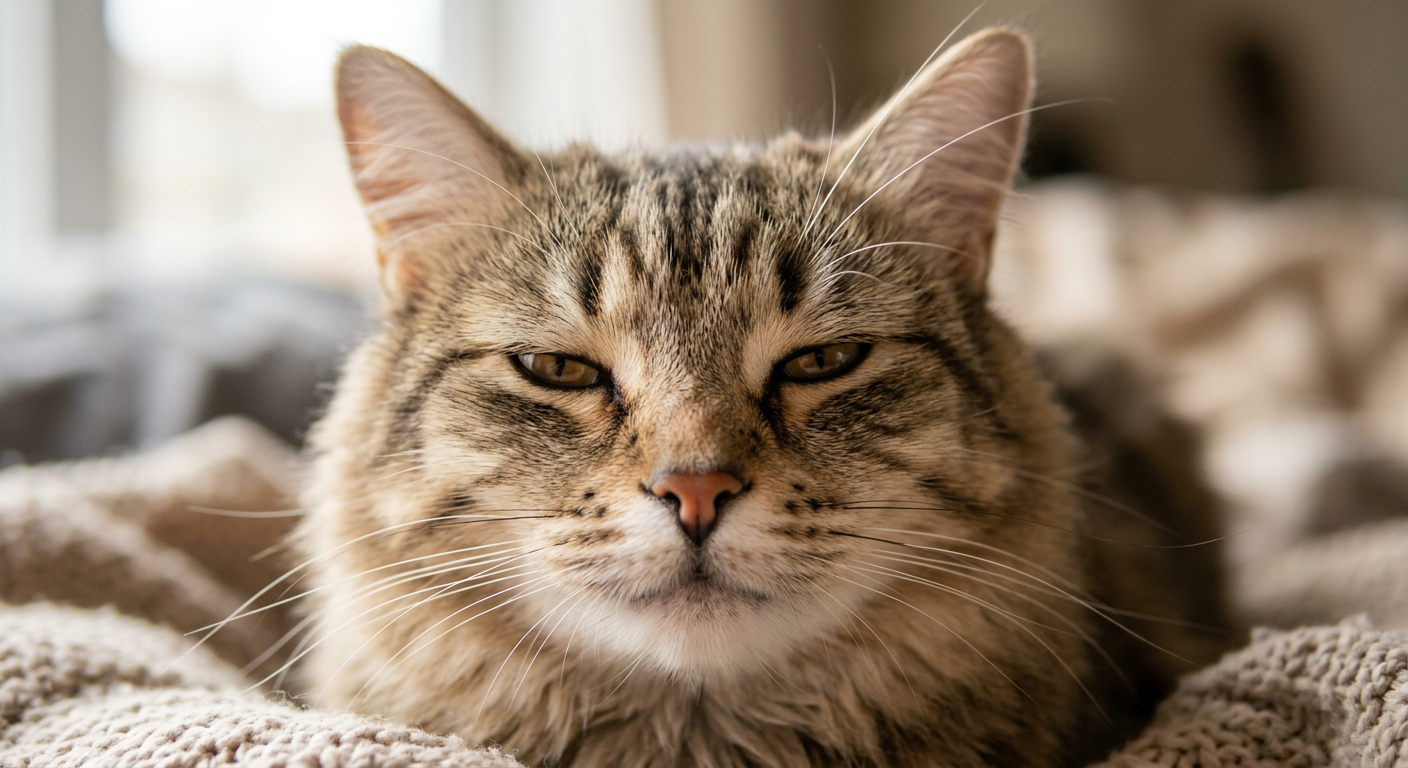
Cats are often unfairly labeled as "unreadable," but their facial expressions are simply more nuanced than those of dogs. To understand what your pet's facial expressions mean when you have a cat, you must pay close attention to the eyes and whiskers. These are the most communicative parts of a feline's face.
The "slow blink" is perhaps the most famous feline facial cue. When a cat looks at you and slowly closes and opens its eyes, it is a sign of extreme trust and affection. It is essentially a feline "I love you," signaling that they feel safe enough to close their eyes in your presence.
The Language of Whiskers
Whisker position is a fantastic indicator of a cat's current mood. When whiskers are relaxed and out to the side, the cat is generally calm. If the whiskers are pushed forward, the cat is curious or on the hunt for a toy. If they are pulled back tight against the cheeks, the cat is likely feeling cautious or defensive.
Paying attention to these small movements can prevent misunderstandings. A cat who has their whiskers pulled back is signaling that they aren't currently in the mood for petting. Respecting these boundaries strengthens the trust between you and your pet.
The Role of AI in Decoding Pet Expressions
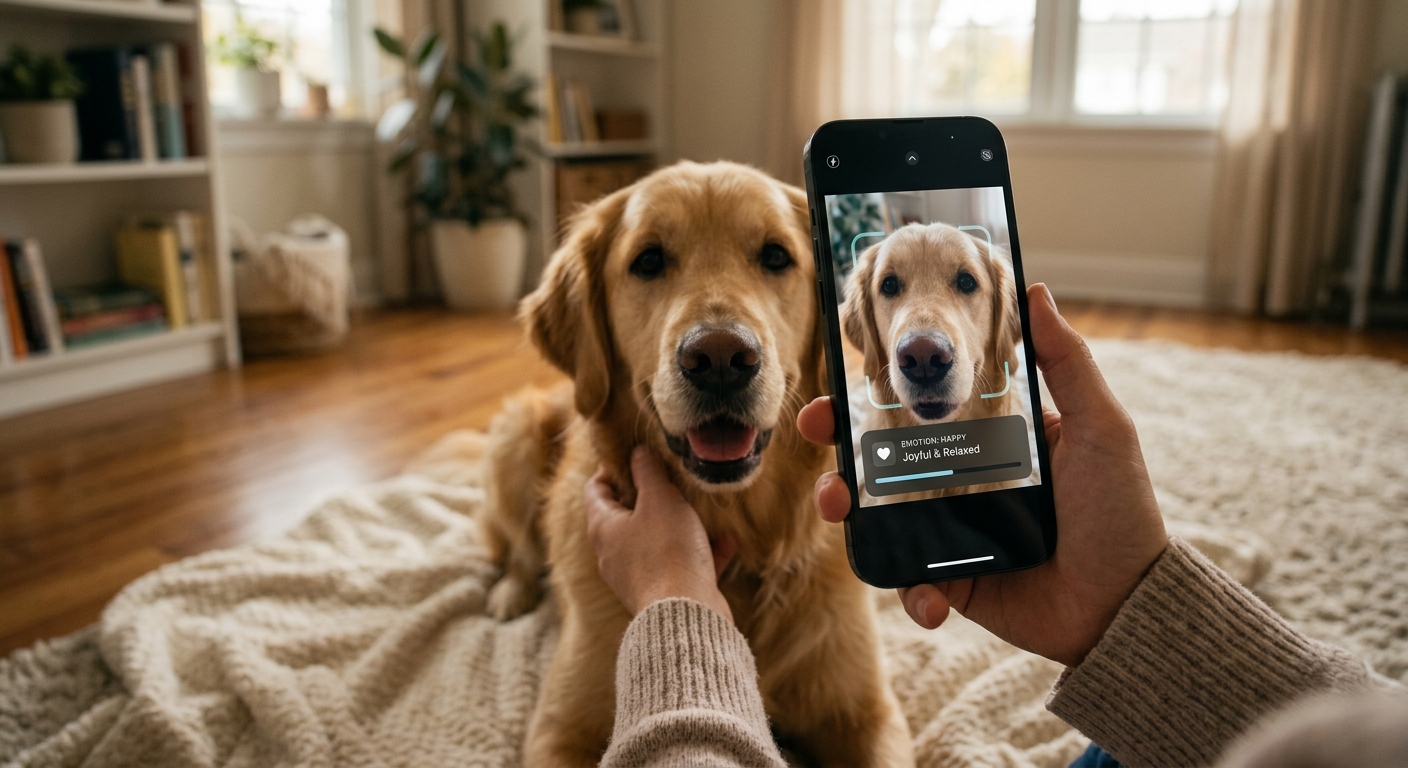
Technology is now helping us understand what your pet's facial expressions mean with more accuracy than ever before. Artificial Intelligence can analyze thousands of data points in a pet's face to identify patterns that the human eye might miss. This technology is revolutionizing how we handle proactive pet wellness.
By using AI-powered tools, pet owners can get a second opinion on their pet's emotional state. These tools are designed to supplement our own observations, providing a objective look at feline and canine body language. You can learn more about this in our article on understanding pet emotions with AI technology.
Why Context Still Matters
While AI is a powerful tool, it works best when combined with a human's understanding of context. A dog might show a "concerned" face simply because they hear a strange noise outside, not because they are unhappy with their environment. Understanding what your pet's facial expressions mean requires looking at the "why" behind the "what."
We recommend using these insights as a way to start a conversation with your veterinarian or a certified animal behaviorist. If you notice a sudden shift in your pet's baseline expressions, it could be a sign of physical discomfort that a professional should check out.
Practical Tips for Reading Your Pet
To become an expert at knowing what your pet's facial expressions mean, start by observing them during different activities. Watch their face while they eat, while they play, and while they are resting. This helps you establish what a "normal" or "baseline" face looks like for your specific pet.
- Keep a journal: Note down which situations cause specific facial changes.
- Take photos: Sometimes looking at a still image helps you see the position of the ears or eyes more clearly.
- Watch the whole body: Facial expressions are just one part of the puzzle; always look at the tail and posture too.
- Be patient: Learning a new language takes time, and every pet has their own unique "accent."
By investing time in learning what your pet's facial expressions mean, you are investing in their long-term happiness. A pet who feels understood is a pet who feels secure, loved, and confident in their home. This communication is the foundation of the incredible link we share with our animal companions.
Conclusion
Our pets are constantly talking to us, even when they aren't making a sound. From the subtle twitch of a cat's whisker to the soulful gaze of a dog, their faces are rich with information. Understanding what your pet's facial expressions mean allows you to respond to their needs with empathy and care.
As we continue to integrate technology and science into our daily lives with our pets, our ability to connect with them only grows. Always remember that while technology provides great insights, your intuition and bond as an owner are irreplaceable. Keep observing, keep learning, and enjoy the beautiful silent conversation you have with your pet every day.