Observing your rabbit losing fur around eyes and nose can be a surprising discovery for any pet parent. Rabbits are known for their plush, soft coats, so seeing patches of skin or thinning fur in such sensitive areas often prompts questions about their skin health and general wellness. While some degree of shedding is normal for lagomorphs, localized hair loss in these specific spots usually indicates a need for a closer look at their environment or health routine.
Understanding the underlying causes of facial thinning is the first step toward helping your companion feel their best. Because rabbits are prey animals, they are experts at hiding discomfort, making physical signs like fur loss important indicators for us to monitor. In many cases, these changes are easily manageable with proactive care and minor adjustments to their daily life.
Common Causes for a Rabbit Losing Fur Around Eyes and Nose
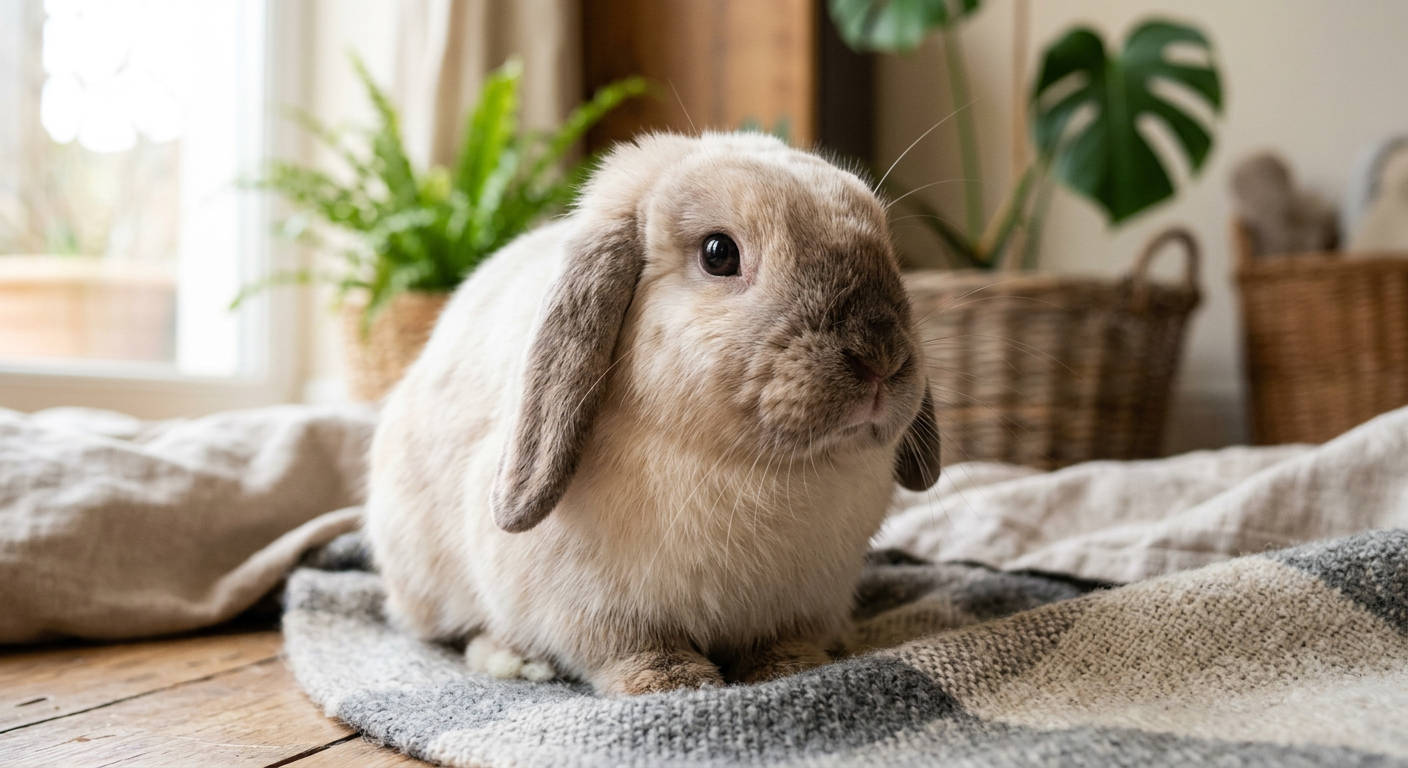
When you notice a rabbit losing fur around eyes and nose, the cause often relates to moisture, friction, or microscopic inhabitants. The skin around the eyes and nose is particularly delicate, and even small changes in the rabbit's health can manifest here first. Identifying the pattern of loss—whether the skin looks clear or irritated—is helpful for your veterinarian.
One frequent reason for thinning hair on the face is dental health. Rabbit teeth grow continuously throughout their lives, and if they don't wear down properly, the roots can press against the tear ducts. This leads to watery eyes, which keeps the fur damp and eventually causes it to fall out. You can learn more about how diet impacts these systems in our guide on why is my rabbit not eating hay only pellets.
Environmental Factors and Allergies
Sometimes the culprit is simply what is in their living space. Dust from low-quality hay or shavings can irritate the nasal passages, leading to rubbing. If your rabbit is also showing respiratory signs, you might want to read about rabbit sneezing repeatedly not dusty bedding to rule out other triggers.
Poor ventilation in a hutch or enclosure can also trap ammonia from urine, which irritates the skin and eyes. Maintaining a clean, breezy environment is a simple way to support skin health. If you use cleaning products near your rabbit, ensure they are pet-safe, as strong fragrances can lead to facial scratching and subsequent hair loss.
Dermatological Wellness and Parasites
Skin mites, specifically Cheyletiella, are a common reason for hair loss in rabbits. Often called "walking dandruff," these mites can cause fur to thin around the face, neck, and back. While it sounds unsettling, it is a very treatable condition that your vet can resolve with a simple prescription.
Ringworm, which is actually a fungal infection rather than a worm, is another possibility. This typically presents as circular patches of hair loss that may look crusty or red. Because fungal issues can spread, it is important to practice good hygiene and consult a professional if you suspect a fungal cause for the thinning patches.
Moisture Dermatitis
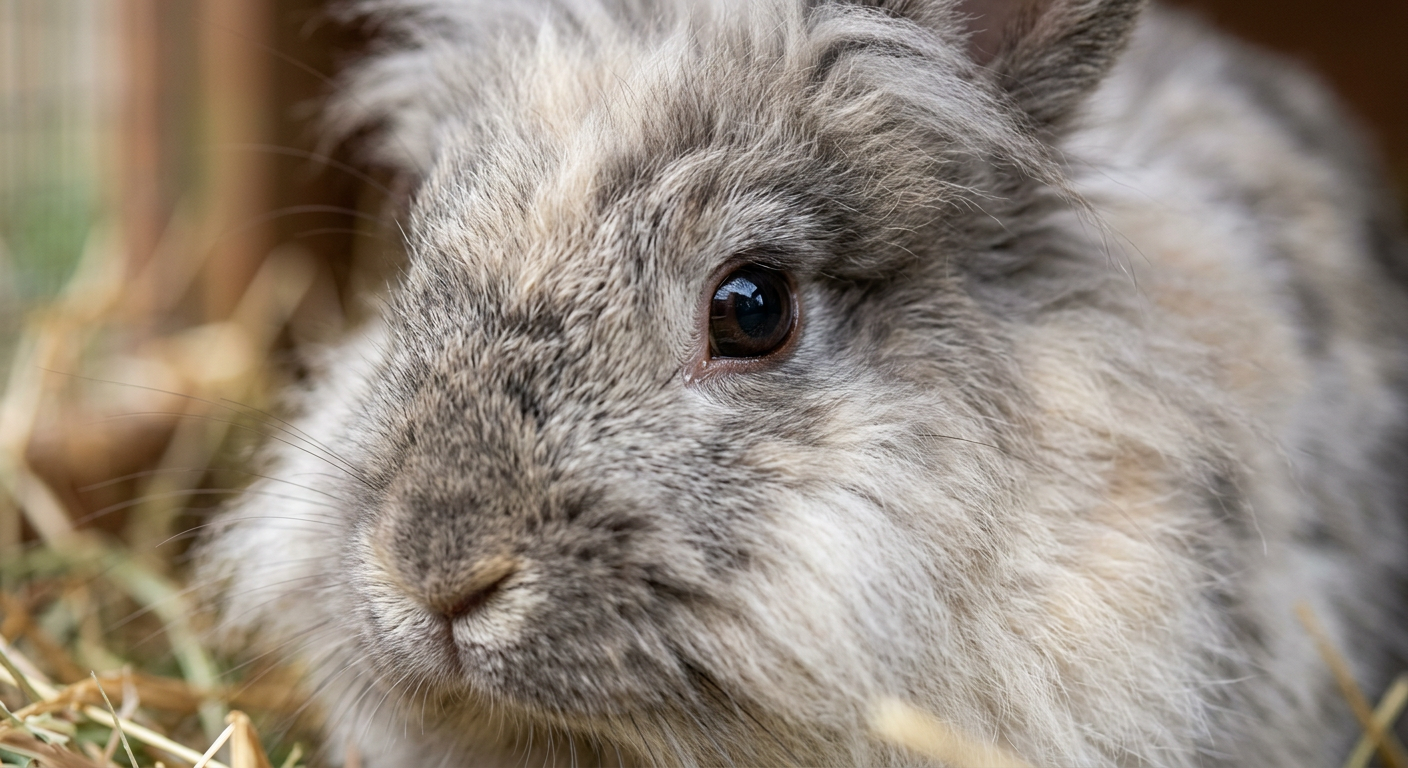
Also known as "slobbers" or wet dewlap, moisture dermatitis occurs when skin stays damp for too long. If a rabbit has watery eyes (epiphora) or a runny nose, the salt and enzymes in those fluids can break down the hair shafts and irritate the skin. Keeping the area dry and clean while addressing the source of the moisture is key to regrowth.
- Check for leaky water bottles that might be dripping on the rabbit.
- Observe if your rabbit is dipping their face too deeply into water bowls.
- Watch for signs of "weepy eye" which could indicate a blocked tear duct.
- Assess the humidity levels in the room where your rabbit lives.
The Connection Between Dental Health and Facial Fur
It might seem strange that teeth could cause a rabbit losing fur around eyes and nose, but their anatomy is closely linked. The upper cheek teeth roots sit just below the eye sockets and nasal passages. If these teeth become overgrown or misaligned (malocclusion), they can block the nasolacrimal duct.
When this duct is blocked, tears cannot drain naturally down the nose. Instead, they overflow onto the face. This constant dampness leads to fur loss and skin inflammation. Providing plenty of high-quality Timothy hay is the best way to keep these teeth worn down and the facial fur intact.
If you notice that your rabbit's bathroom habits are also changing alongside the fur loss, it could be a sign of systemic stress. Feel free to check our article on rabbit poops getting smaller and fewer for more information on digestive and dental health correlations.
Nutritional Support for Fur Regrowth
A healthy coat starts from the inside out. If your rabbit is missing vital nutrients, their fur may become brittle or thin out in high-friction areas like the nose. Ensure your rabbit receives a balanced diet of 80% hay, 15% leafy greens, and a small amount of fortified pellets.
Vitamin A and Zinc are particularly important for skin integrity. However, supplements should only be given under veterinary guidance, as too much of certain vitamins can be just as harmful as too little. Fresh herbs like parsley or cilantro can provide natural boosters for a shiny, healthy coat.
Stress and Over-Grooming
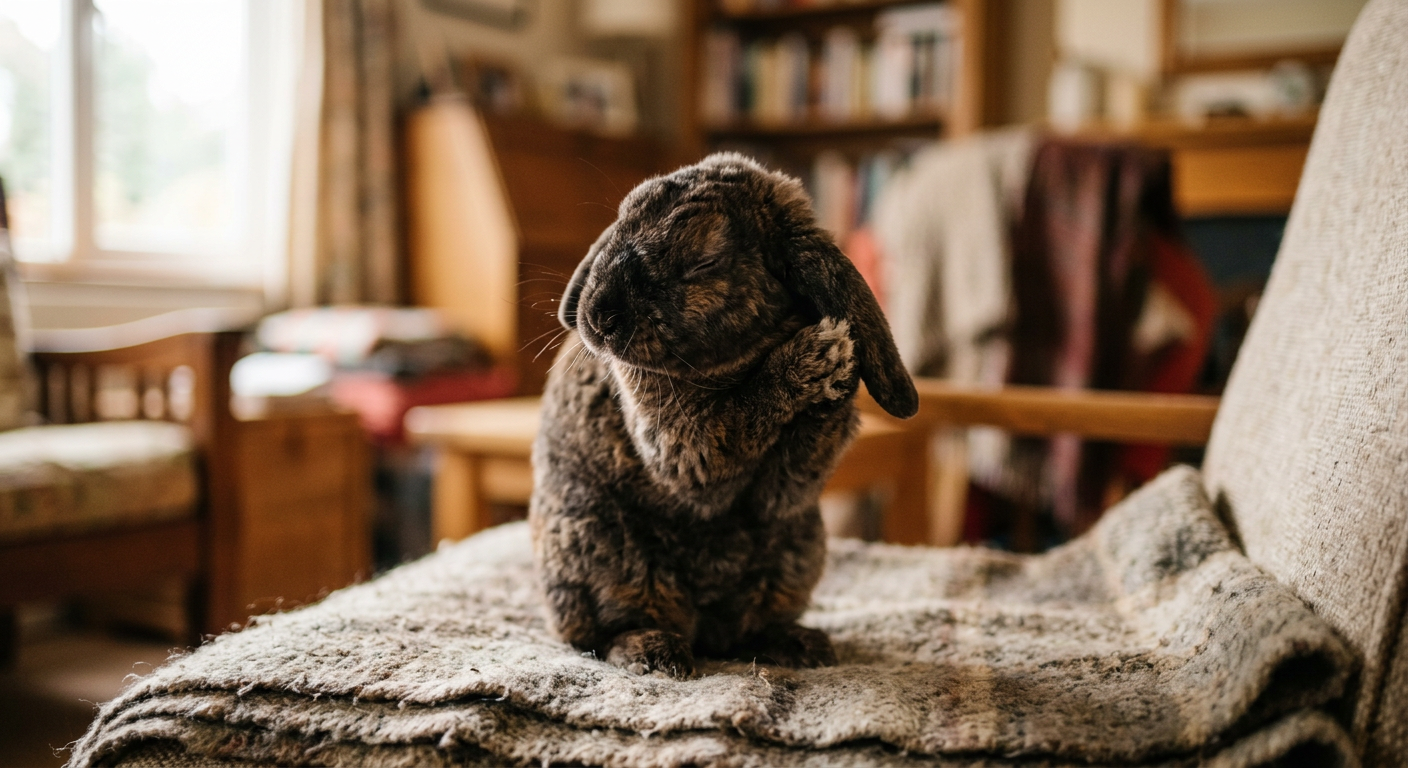
Rabbits are sensitive creatures. Changes in the household, such as a new pet or a move, can lead to stress-induced behaviors. Some rabbits may over-groom their faces or their companions' faces, leading to bald spots around the eyes. Providing enrichment toys and a consistent routine can help reduce this behavior.
If you have multiple rabbits, watch them during their grooming sessions. Sometimes a dominant rabbit will "over-groom" a submissive partner, specifically targeting the fur around the eyes and forehead. This is often a display of social hierarchy rather than a medical issue, but it still requires monitoring to ensure the skin doesn't become sore.
When to Consult Your Veterinarian
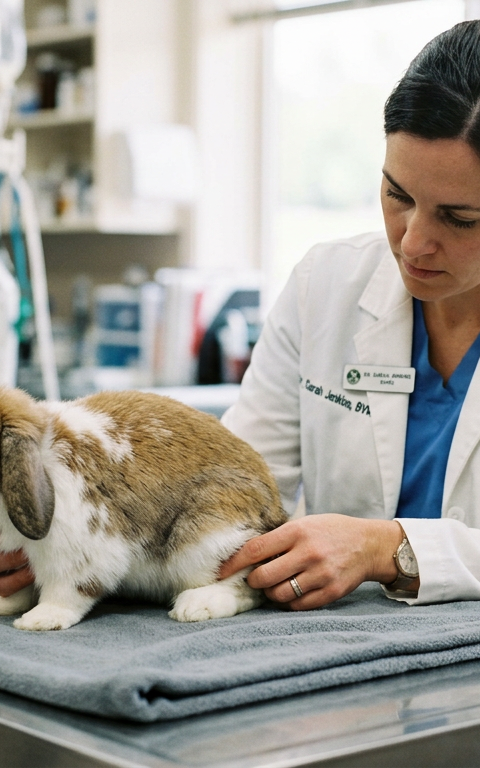
While minor seasonal shedding is normal, a rabbit losing fur around eyes and nose warrants a professional wellness check. A vet can perform a physical exam, check the teeth, and perhaps take a skin scraping to look for mites or fungus under a microscope. Early intervention is always the most comfortable path for your bunny.
Be prepared to discuss your rabbit's diet, litter box habits, and any other changes you've noticed. For example, if you see changes in their nutritional intake, you might be interested in our post about a rabbit not eating cecotropes, as this can be related to the same underlying health issues causing skin changes.
Keep a record of when the hair loss started and if it seems to be spreading. Taking photos every few days can help you and your vet track the progress of the patches and determine if the treatment plan is working effectively.
Proactive Care and Prevention
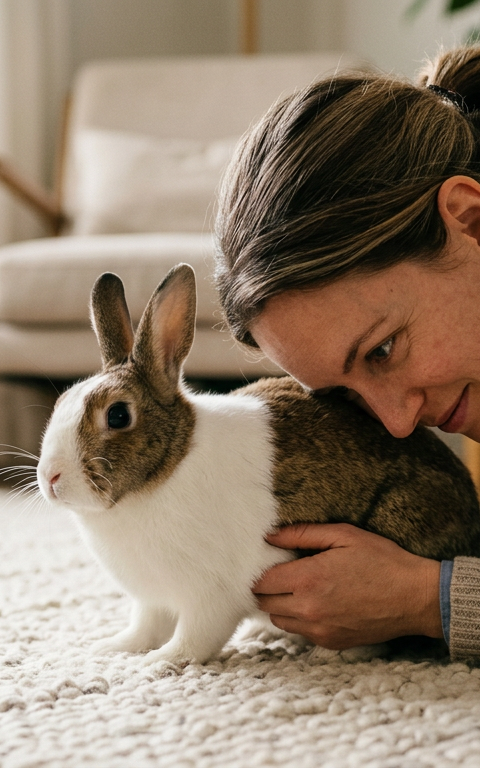
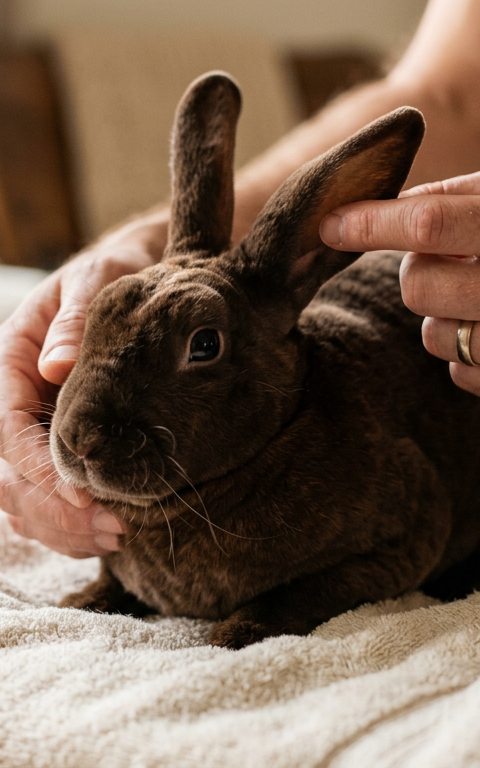
Maintaining a healthy coat involves regular "bunny MOTs" at home. Once a week, gently check your rabbit's face for any signs of dampness, redness, or thinning. Catching a watery eye early can prevent the fur loss from ever occurring. Ensure their bedding is absorbent and changed frequently to keep the air quality high.
Remember that a rabbit's coat is a reflection of their overall internal health. By providing a high-fiber diet, a clean environment, and plenty of love, you are giving your rabbit the best tools to maintain their beautiful fur. If you do see patches, stay calm—most causes of facial hair loss are very manageable with a little bit of care and attention.
Seeing a rabbit losing fur around eyes and nose can be worrying, but by staying observant and working with your vet, you can quickly get your long-eared friend back to their fluffy self. Focus on the basics of bunny care, and your rabbit will thank you with plenty of nose twitches and binkies.