A rabbit's digestive system is a marvel of biological engineering, designed to process large amounts of fiber efficiently. When a rabbit belly makes loud gurgling sounds, it is often a sign that the gastrointestinal (GI) tract is actively working. These sounds, known medically as borborygmi, occur as gas and fluid move through the intestines. While quiet gurgles are normal, sounds loud enough to hear from across the room usually indicate a change in gut motility.
Pet parents often notice these sounds during quiet moments in the evening. If your rabbit is otherwise acting normally—eating their hay, hopping around, and producing healthy droppings—loud noises might simply be a temporary reaction to a new vegetable or a particularly active bout of digestion. However, because rabbits are prey animals, they are experts at hiding discomfort, making it important to monitor the context of these sounds.
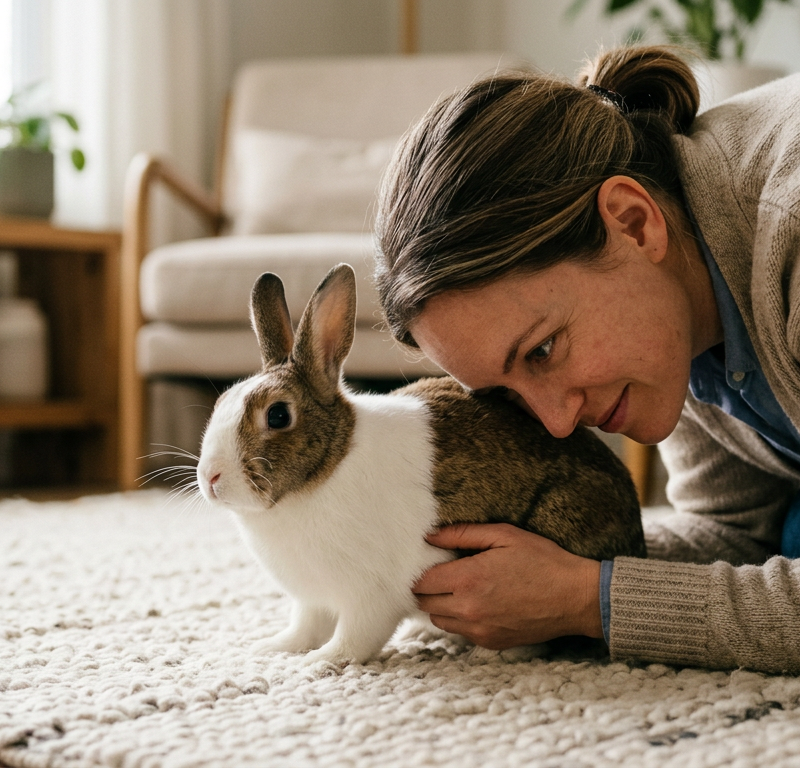
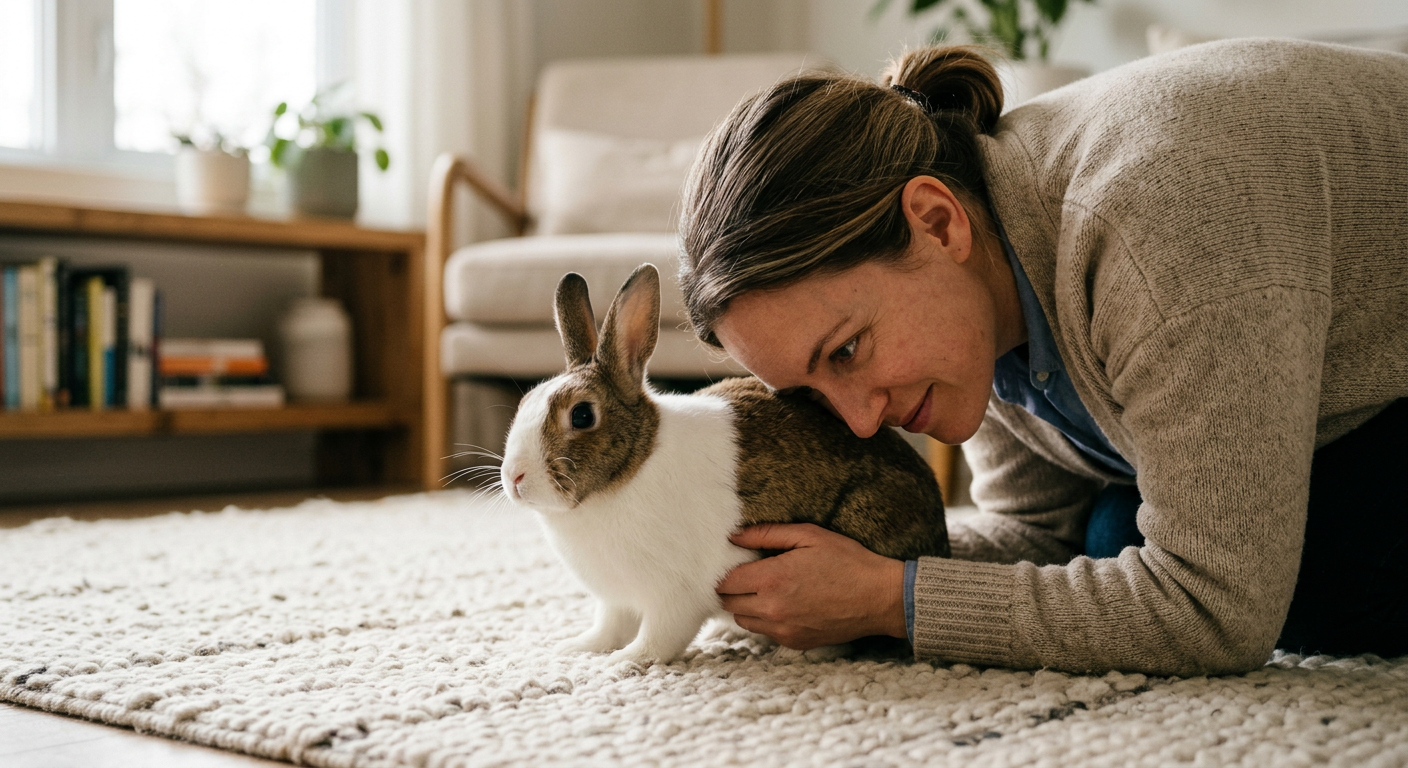
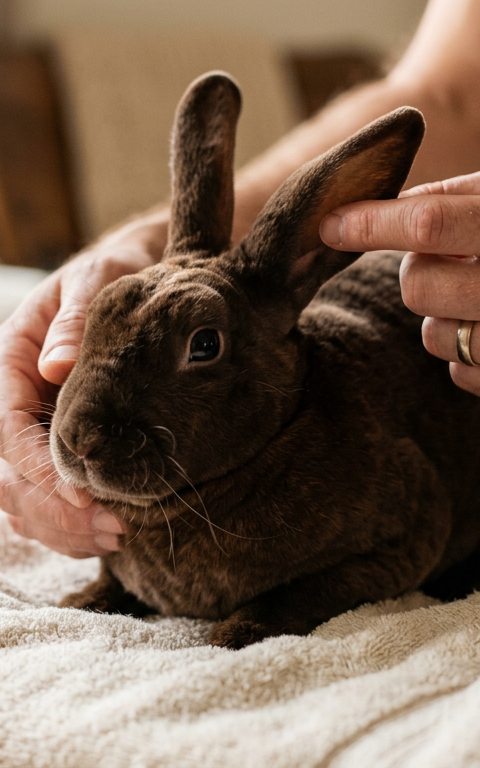
A close up of a Dutch rabbit sitting on a rug with a person gently listening to its side.
Common Causes of a Gurgling Stomach
There are several reasons why your rabbit's midsection might become more vocal than usual. Understanding the underlying cause is the first step in ensuring your bunny stays comfortable and healthy.
Dietary Changes and Gas
The most frequent reason for increased tummy noise is gas. Just like humans, rabbits can experience gas when they eat something that doesn't agree with them or if their diet is shifted too quickly. High-sugar treats or excessive amounts of cruciferous vegetables like broccoli and kale can lead to fermentation in the gut, resulting in those audible bubbles.
The Role of Hydration
Hydration plays a critical role in gut health. If a rabbit isn't drinking enough water, the contents of the digestive tract can become dry and slow-moving. When the body tries to move this drier material, it can create louder, more strained gurgling sounds. Ensuring your rabbit has access to both a bowl and a bottle can help encourage proper fluid intake.
Early Signs of GI Stasis
In some cases, loud noises are a precursor to gastrointestinal stasis. This is a condition where the digestive system slows down or stops completely. Ironically, while stasis eventually leads to a "silent gut," the period immediately preceding the shutdown often involves loud, erratic gurgling as the body struggles to keep things moving. This is why it is helpful to monitor if your rabbit poops are getting smaller and fewer, as this often accompanies the noise.
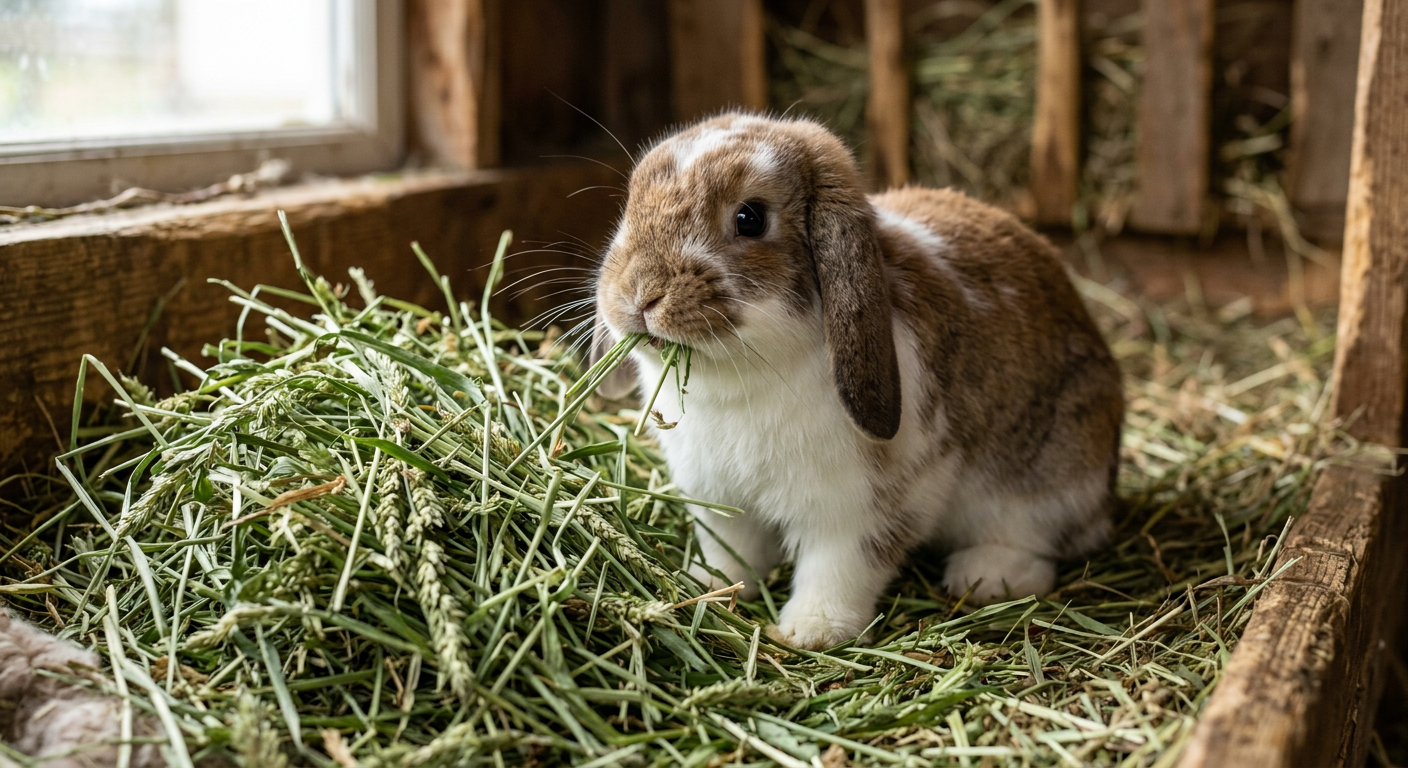
A Mini Lop rabbit eating fresh green Timothy hay from a wooden feeder.
How to Assess Your Rabbit's Comfort
When you hear those distinct liquid-like sounds coming from your bunny, take a few minutes to perform a gentle wellness check. This helps you determine if the noise is a harmless digestive quirk or a sign that they need a little extra support.
Check Their Appetite: Offer a favorite herb or a small piece of green. If they refuse food they usually love, it’s a sign of discomfort.
Observe Their Posture: A comfortable rabbit will lounge or "loaf" peacefully. A rabbit in pain may press their belly hard against the floor or hunch up in a tense position.
Monitor Litter Box Habits: Check for the size and consistency of their droppings. You might also notice if your rabbit is not eating cecotropes, which can indicate a digestive imbalance.
Feel the Belly: Very gently touch their abdomen. It should feel soft. If it feels hard, bloated, or like a tight balloon, contact your veterinarian immediately.
Ways to Support Healthy Digestion
Promoting a quiet and efficient gut starts with a foundation of high-quality fiber. Fiber is the engine that keeps the rabbit's digestive system running smoothly.
The Importance of Unlimited Hay
Hay should make up about 80% of your rabbit's diet. The long-strand fiber in Timothy, Orchard, or Meadow hay physically pushes food through the gut. If you find your rabbit is not eating hay and only wants pellets, it can lead to a sluggish digestive system and more frequent gas issues.
Encouraging Movement
Physical activity is a natural way to stimulate gut motility. When a rabbit hops, runs, and binkies, it helps move gas through the system. If you hear loud gurgling, encouraging a bit of gentle floor time can sometimes help the gas dissipate naturally.
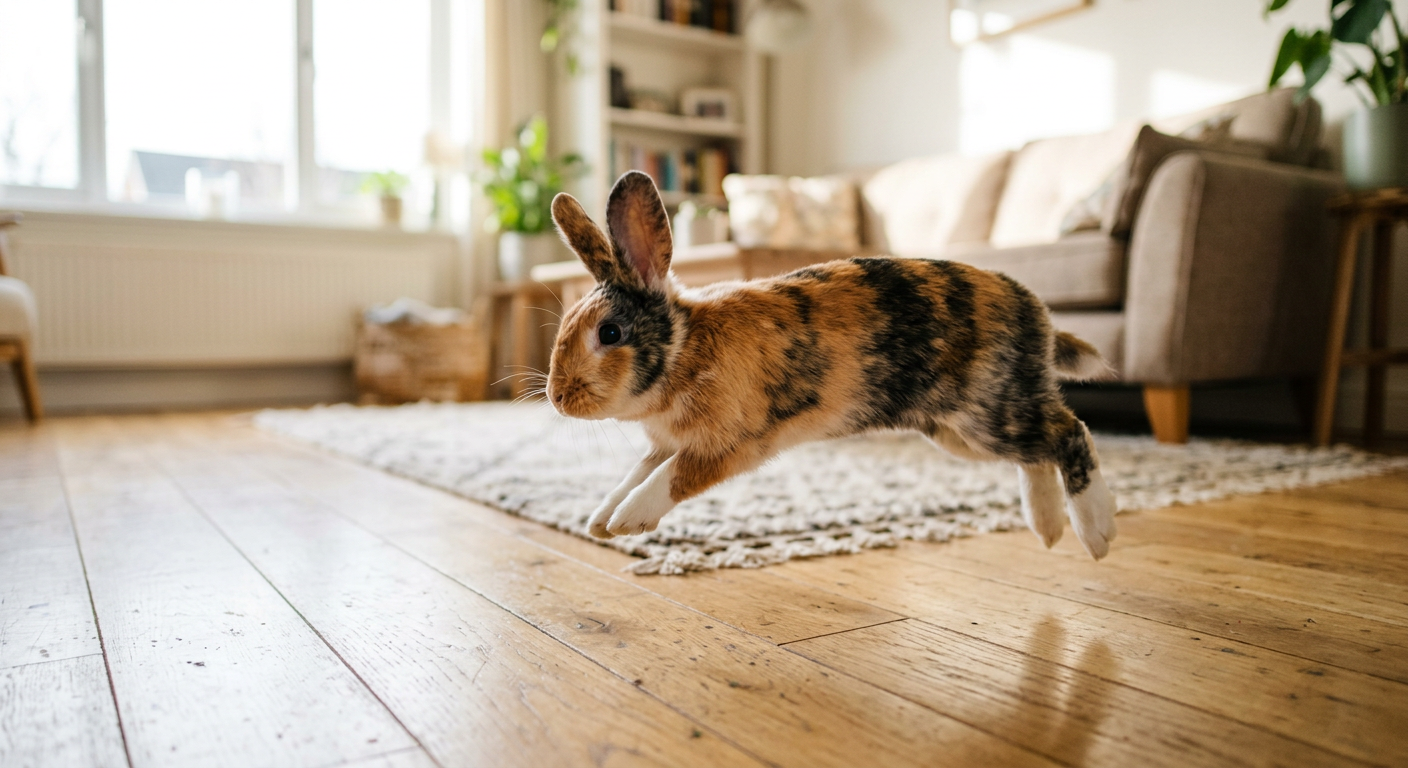
A Harlequin rabbit exploring a living room floor, showing active movement.
When to Consult Your Veterinarian
While a rabbit belly makes loud gurgling sounds occasionally without issue, certain "red flag" symptoms require professional medical attention. Because rabbits can decline quickly when their gut is compromised, proactive care is always the best approach.
Seek veterinary advice if the loud gurgling is accompanied by:
1. Complete refusal to eat for more than 6-8 hours.
2. Lethargy or lack of interest in their surroundings.
3. Grinding teeth loudly (a sign of pain, distinct from "tooth purring").
4. A cold body temperature, especially in the ears.
5. A lack of droppings for several hours.
A rabbit-savvy vet can provide treatments such as motility drugs, pain relief, or subcutaneous fluids to help get the digestive system back on track. Never attempt to give human gas medications without a specific dosage and recommendation from your veterinarian.
Maintaining Long-Term Gut Wellness
Consistency is key to a quiet rabbit tummy. Try to keep feeding schedules regular and introduce new vegetables one at a time in small quantities. This allows you to identify exactly which food might be causing excess gas.
In addition to diet, keep an eye on other physical signs of health. For example, if you notice your rabbit's fur is falling out in tufts, it could indicate stress or a nutritional deficiency that might also affect their digestion. By observing your rabbit's sounds, habits, and physical appearance daily, you become an expert in their unique "normal," making it much easier to spot when they need a helping hand.
Remember that every rabbit is an individual. Some bunnies are simply "noisier" than others. As long as the loud tummy sounds are transient and your rabbit remains their happy, hungry self, you can usually rest easy knowing their internal machinery is just doing its job.
Frequently Asked Questions
Loud gurgling is often caused by gas movement or the digestion of fiber-rich foods. If your rabbit is eating and acting normally, it is usually just active digestion.
Encourage your rabbit to move around, provide plenty of fresh water, and offer fresh mint or basil, which can naturally soothe the digestive tract. Avoid giving treats until the sounds subside.
If the gurgling stops and is replaced by total silence, and your rabbit stops eating or producing droppings, this is a sign of GI stasis and requires an immediate vet visit.
We're passionate pet lovers and AI enthusiasts dedicated to helping you understand your furry friends better through the power of artificial intelligence.
AI Analysis
Free!
AI-Powered Pet Analysis
Understand Your Pet's Emotions
Our AI analyzes photos and videos to reveal what your pet is really feeling.