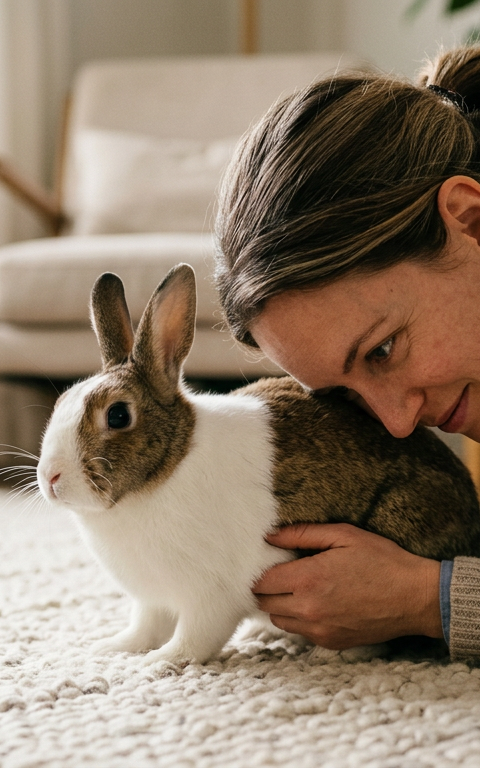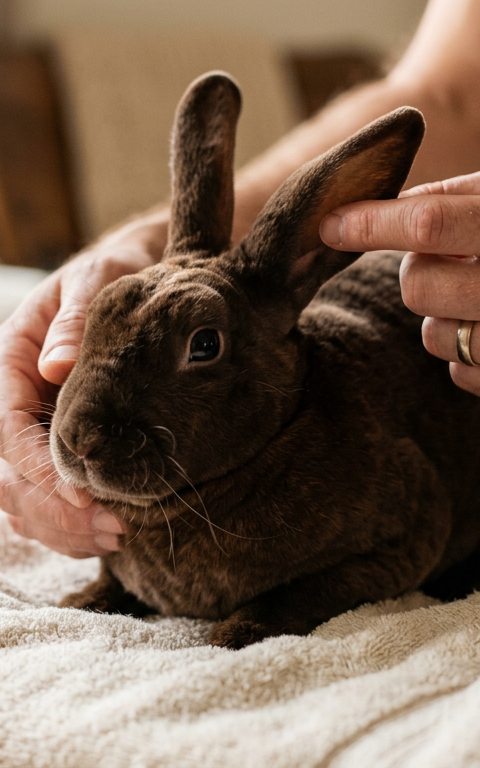
It is a quiet evening when you suddenly notice your bunny moving differently. Seeing a rabbit limping on back leg no injury found after a quick home check can be a puzzling experience for any pet parent. Rabbits are masters at hiding discomfort, so when a limp becomes visible, it is their way of communicating that something needs your attention.
Because rabbits are prey animals, they naturally mask signs of weakness. A change in gait, even if you don't see a cut or a broken bone, is a signal to look deeper into their musculoskeletal health and environment. Understanding the subtle cues of rabbit mobility can help you ensure your long-eared friend stays comfortable and active.
Understanding the Rabbit Anatomy and Movement
To understand why your bunny might be favoring a limb, it helps to look at their unique anatomy. The hind legs of a rabbit are incredibly powerful, designed for explosive speed and jumping. However, their skeletons are relatively light compared to their muscle mass, which makes them susceptible to various wellness considerations.
When a bunny experiences hind limb weakness or a change in their hop, it isn't always due to a recent trauma. Sometimes, the issue originates in the spine, the joints, or even the soles of their feet. Identifying the root cause requires a patient, observant approach to their daily routine and physical behavior.
The Importance of Spine Health
A rabbit's spine is delicate and closely linked to the function of the back legs. If a rabbit kicks out forcefully or twists while jumping, they can experience minor spinal misalignments or nerve pressure. This might result in a limp that appears "out of nowhere" because the initial event was subtle or occurred when you weren't watching.
Soft Tissue and Muscle Strains
Just like humans, rabbits can pull a muscle or strain a ligament. A slip on a hardwood floor or an awkward landing from a favorite couch can lead to temporary soreness. While these often resolve with rest, they are a primary reason why you might see a rabbit limping on back leg no injury found during a surface-level inspection.
Common Causes for Hidden Limps in Rabbits
If you have checked for broken bones or bleeding and found nothing, there are several underlying factors to consider. Proactive care involves looking at chronic conditions that develop over time rather than just acute injuries.
- Sore Hocks (Pododermatitis): This is a common condition where the skin on the bottom of the hind feet becomes inflamed. In early stages, it might not look like much, but it makes putting weight on the foot uncomfortable.
- Early Onset Arthritis: As rabbits age, joint wear and tear can lead to stiffness. This often manifests as a slight limp or a "stiff" hop, especially in the mornings.
- Nerve Issues: Conditions like E. cuniculi can occasionally affect hind limb coordination before other symptoms appear.
- Long Toenails: If a rabbit's nails are too long, they can catch on carpets or force the foot into an unnatural angle, causing a gait change.
If you notice other changes, such as your rabbit poops getting smaller and fewer, it may indicate that the discomfort is causing stress, which in turn affects their digestive system. Keeping a close eye on their litter box habits is essential during this time.
Environmental Factors and Flooring
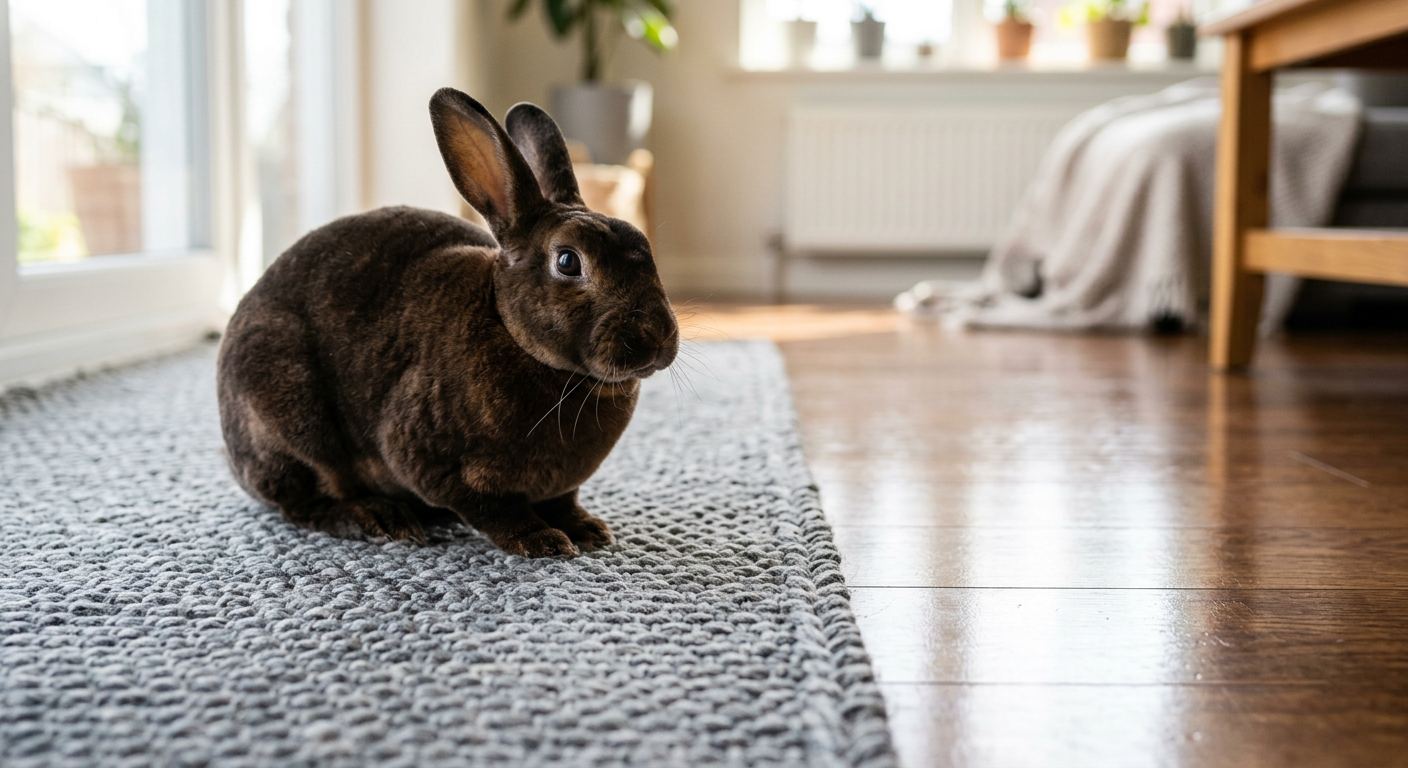
The environment plays a huge role in rabbit mobility. Rabbits do not have paw pads like dogs or cats; they only have fur to protect the soles of their feet. Flooring that is too slippery or too abrasive can lead to hidden discomfort that manifests as a limp.
If your bunny spends a lot of time on tile or laminate, they may be tensing their muscles to maintain grip. This constant tension can lead to fatigue and muscle soreness. Providing plenty of rugs or foam mats can offer the traction they need to move confidently without straining their hindquarters.
Checking for Pododermatitis
Gently pick up your rabbit and look at the underside of their back feet. You are looking for thinning fur, redness, or small calluses. Even if the skin isn't broken, these "hot spots" can make a rabbit favor one leg over the other. Adjusting their bedding to something softer can often help manage this wellness consideration.
Neurological vs Musculoskeletal Issues
It is important to distinguish between a physical leg issue and a neurological one. When a rabbit limps on back leg no injury found, a veterinarian will often check their reflexes and nerve responses. Neurological issues might cause "knuckling," where the rabbit walks on the top of their foot, or a general lack of coordination known as ataxia.
Sometimes, what looks like a limp is actually a sign of a internal wellness concern. For instance, if you notice your rabbit not eating cecotropes along with their limp, it might mean they are finding it physically difficult to reach down and groom themselves due to back pain or stiffness.
The Role of E. Cuniculi
Encephalitozoon cuniculi is a parasite that many rabbits carry subclinically. In some cases, it can affect the central nervous system, leading to weakness in the hind legs. While this is not a traditional "injury," it is a significant reason for mobility changes that require professional veterinary diagnosis and treatment.
When to Consult a Veterinarian
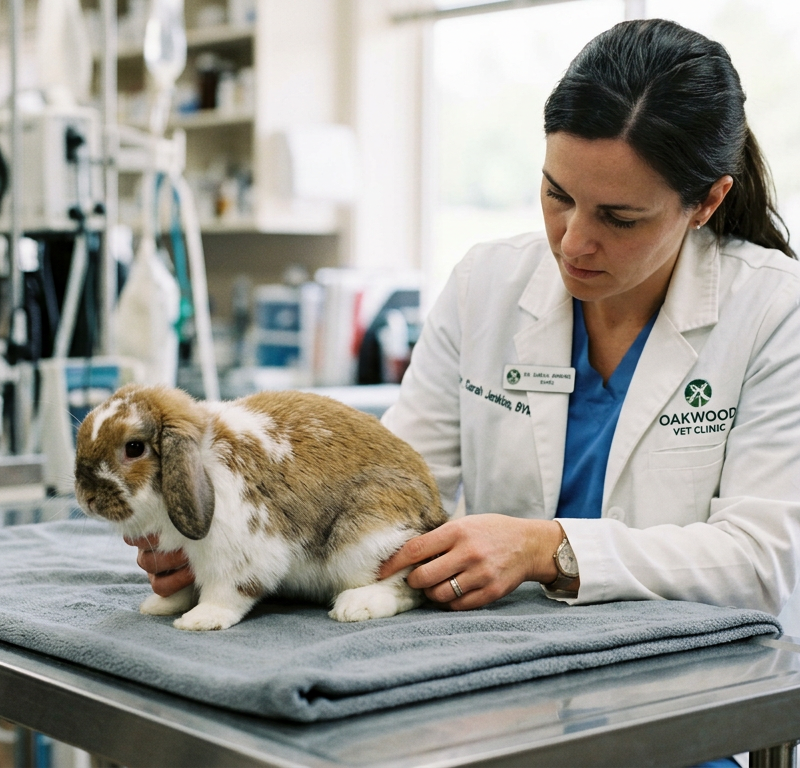
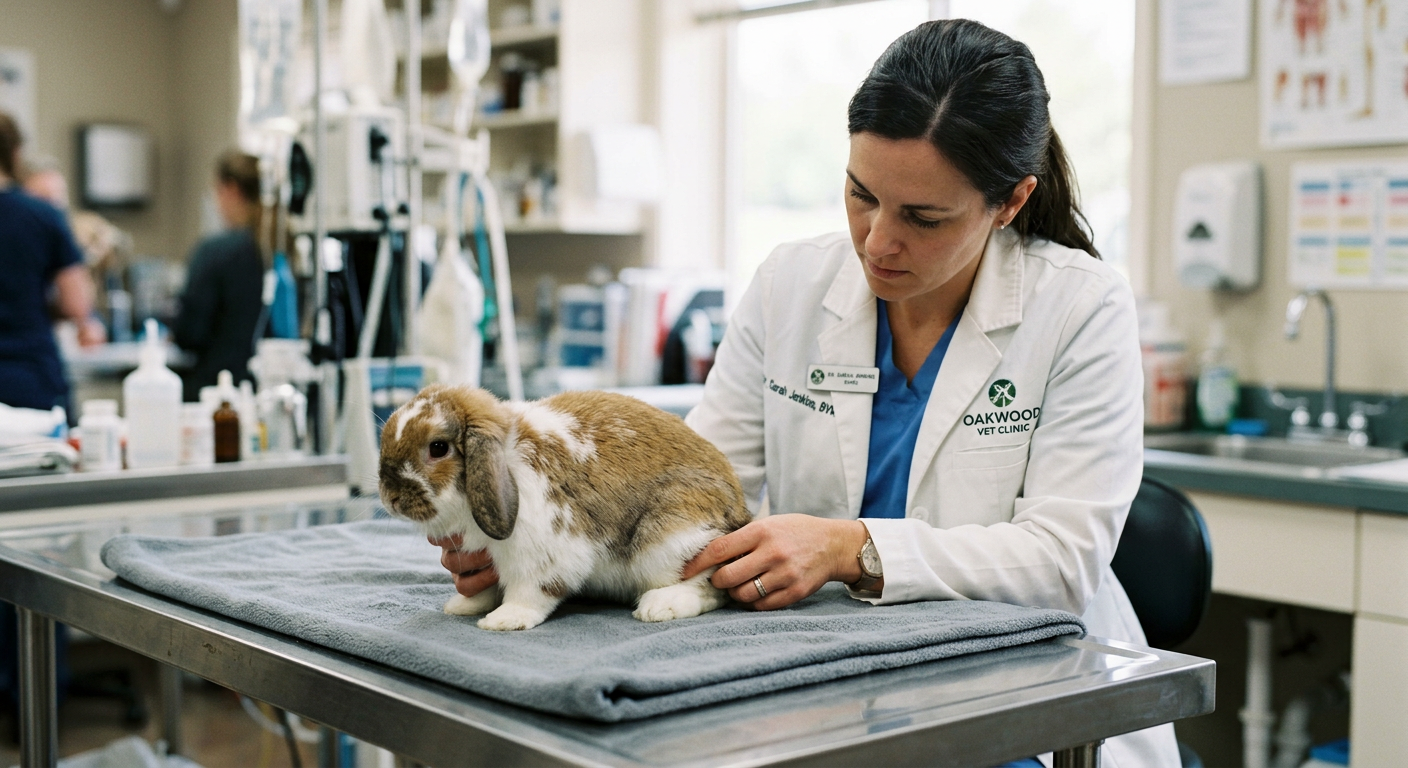
While a very minor strain might improve with a day of rest, any persistent limp should be evaluated by a rabbit-savvy vet. Because rabbits are so good at hiding pain, a visible limp often means the discomfort has reached a point where they can no longer mask it. A professional can perform X-rays or blood tests to rule out hidden fractures, infections, or metabolic issues.
Proactive steps to take before your appointment:
- Restrict your rabbit's movement to a single level (no jumping on furniture).
- Monitor their food and water intake closely.
- Record a video of the limp to show the vet, as rabbits often hide symptoms in the stressful environment of a clinic.
- Check if they are displaying other signs of discomfort, like grinding their teeth loudly or sitting in a "hunched" position.
Supporting Your Rabbit During Recovery
Once your vet has provided a care plan, you can support your bunny's recovery by making their living space as accessible as possible. Lower the entry point of their litter box so they don't have to hop high to get in. Ensure their hay, water, and favorite resting spots are all within easy reach.
In cases of arthritis or chronic stiffness, your vet might recommend specific supplements or long-term wellness management. Many rabbits live very happy, active lives with managed mobility issues, provided their environment is tailored to their needs. Seeing a rabbit limping on back leg no injury found is simply the start of a journey to ensuring they feel their best.
In conclusion, a mystery limp is a call to action for observant owners. By looking at flooring, spine health, and potential neurological factors, you can work with your vet to find the answer. Your bunny relies on you to be their advocate, ensuring every hop is a comfortable one.