Understanding the Asymmetrical Rabbit Ear
Rabbits are known for their incredibly expressive ears, which serve as both radar dishes for sound and thermal regulators for their bodies. When you notice a rabbit ear drooping on one side suddenly, it is natural to feel a bit concerned about your floppy-eared friend. While some breeds naturally have lop ears, a sudden change in a rabbit that usually has upright ears is an important signal from their body.
This physical shift often indicates that something is affecting the muscles, nerves, or comfort levels within the ear canal or the head. Because rabbits are prey animals, they are masters at hiding discomfort. A drooping ear is one of the few visible "tells" they provide, making it an excellent opportunity for proactive care and a visit to your veterinarian.
Common Reasons for a Single Drooping Ear
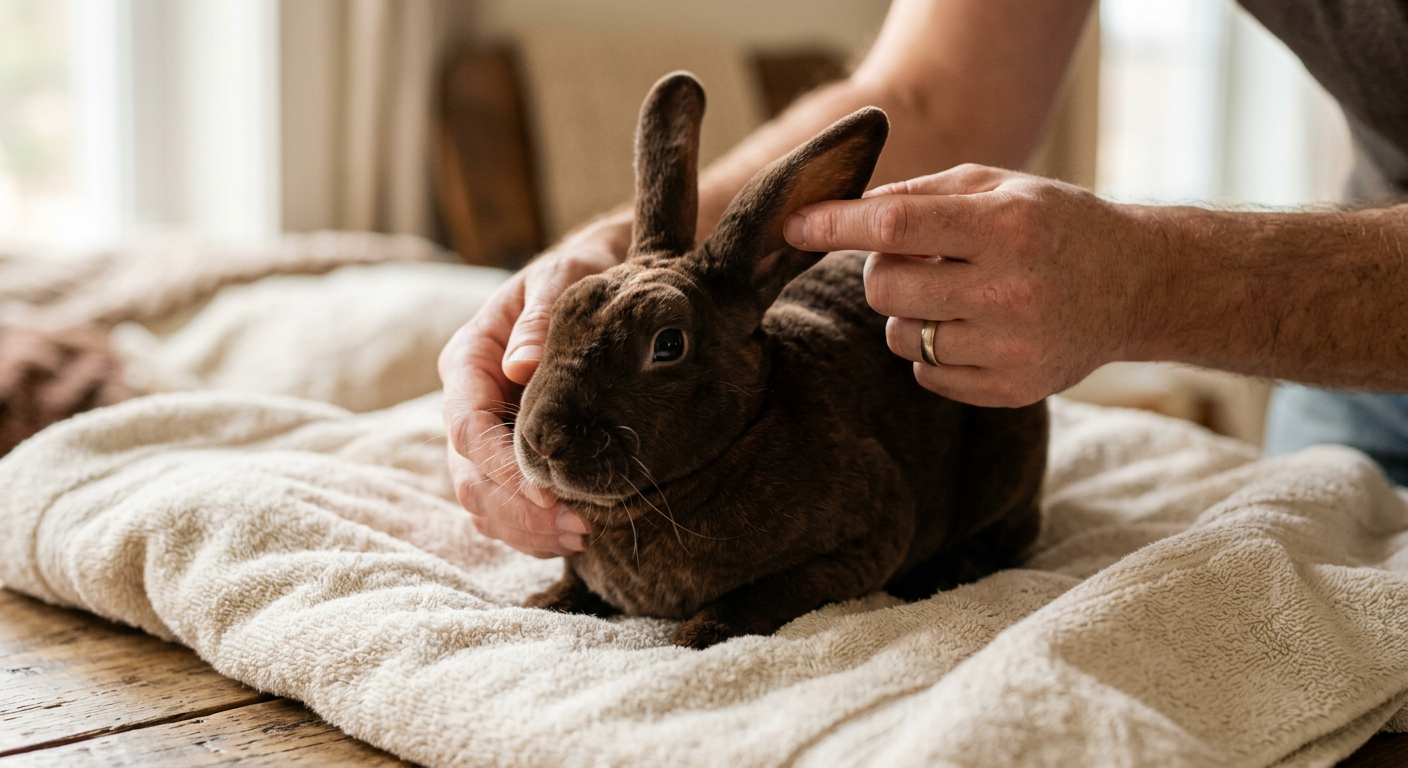
There are several wellness considerations to keep in mind when investigating why one ear has lost its upright posture. The most frequent cause is an otitis externa or interna, which is an infection of the outer or inner ear. When fluid or inflammation builds up, the weight and discomfort can cause the ear to tilt or fall.
Ear mites are another common factor. These tiny parasites cause intense itching and crusting inside the ear. You might notice your rabbit scratching frequently or shaking their head. If the irritation becomes significant, the ear carriage will change. You can learn more about skin and coat health in our guide on rabbit fur falling out in tufts to see how external irritants affect your pet.
Neurological and Muscular Factors
Sometimes the issue isn't just in the ear canal itself. Nerve damage, specifically to the facial nerve, can lead to a loss of muscle tone. This might result from an injury or an underlying health condition like Encephalitozoon cuniculi (E. cuniculi). This parasite can affect the central nervous system, sometimes leading to a head tilt or a fallen ear.
Trauma is also a possibility. If your rabbit had a minor tumble or a disagreement with a bonded partner, the cartilage in the ear might be temporarily bruised. While rabbits are resilient, their delicate ear structure requires gentle handling and a safe environment to prevent these physical stressors.
Observing Behavioral Changes
When a rabbit ear drooping on one side suddenly occurs, it is rarely the only sign present. As a dedicated owner, observing your pet's routine is vital. Changes in appetite are often the first clue that a rabbit feels less than their best. If you notice your rabbit not eating hay, it could be a sign that the ear discomfort is linked to dental issues, as the jaw and ear structures are closely related.
- Head Tilting: Is the entire head slanted, or just the ear? A tilted head often points toward an inner ear imbalance.
- Lethargy: Is your rabbit less active than usual or hiding in corners?
- Eye Discharge: Check if the eye on the side of the drooping ear looks watery or irritated.
- Appetite Shifts: Are they refusing their favorite greens or treats?
The Role of Dental Health
It might surprise you to learn that a rabbit's teeth can affect their ears. Rabbit teeth grow continuously throughout their lives. If the molars develop sharp points or "spikes," they can irritate the surrounding tissues. In some cases, a tooth root infection can move upward toward the ear canal, causing pressure that results in a drooping ear.
Regular dental checkups are a cornerstone of proactive rabbit wellness. During these exams, a vet can ensure the teeth are wearing down evenly and check for any abscesses that might be putting pressure on the ear's support structures. Keeping a close eye on their droppings is also helpful; for instance, if you notice rabbit poops getting smaller, it often correlates with the pain-related lack of eating caused by dental or ear issues.
Diagnostic Steps at the Vet
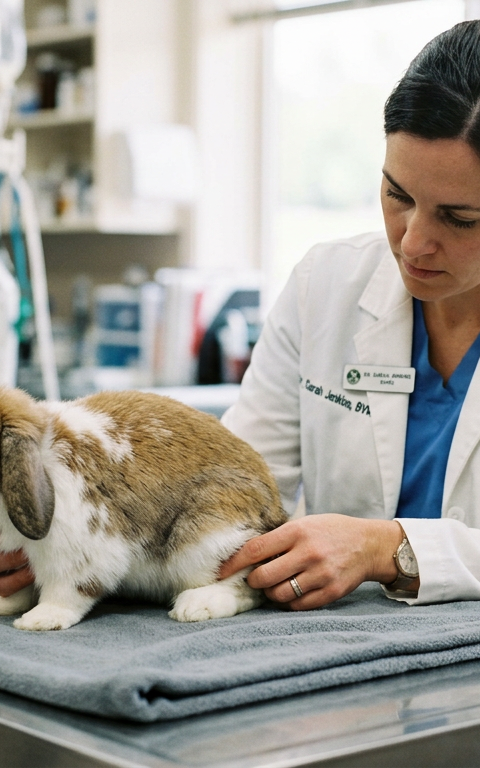
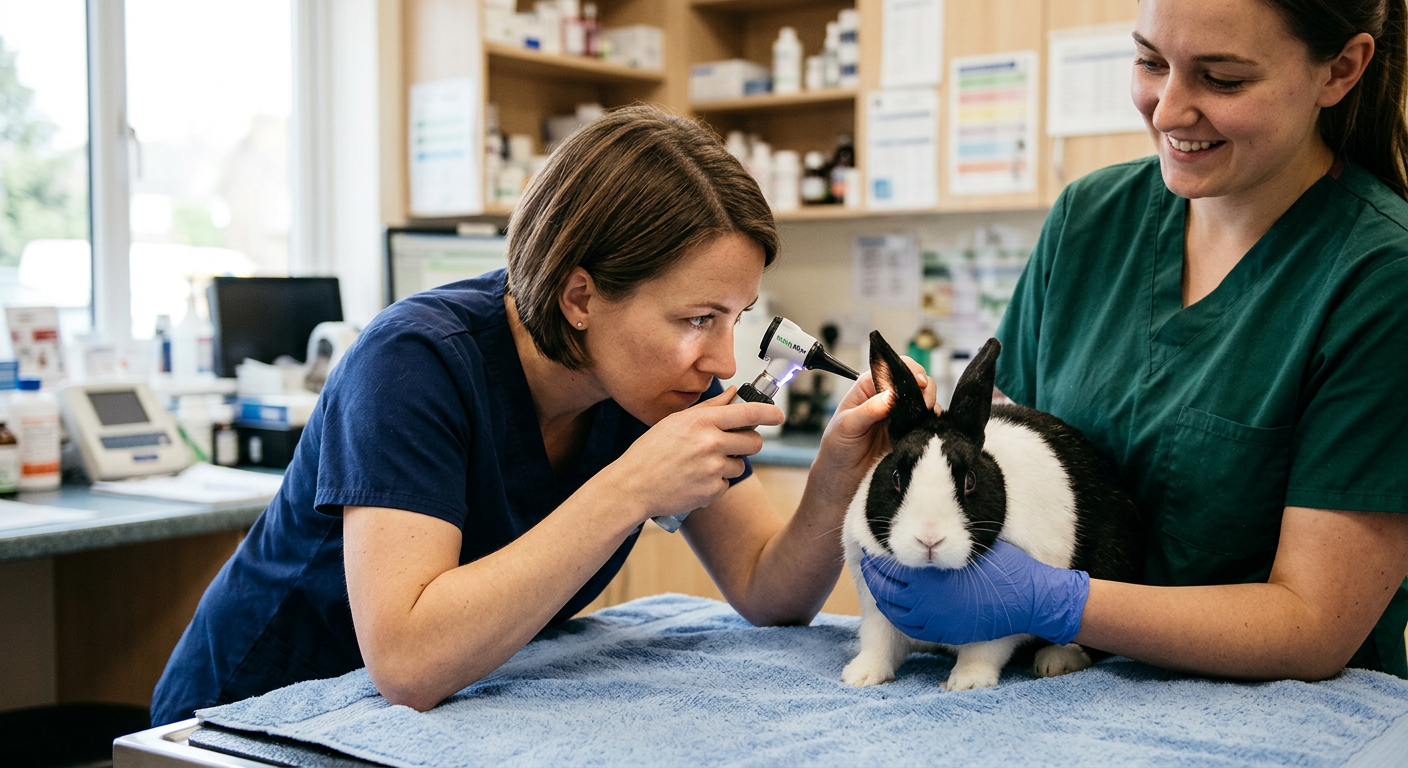
When you take your rabbit to the clinic for an asymmetrical ear, the veterinarian will likely start with an otoscope exam. This allows them to look deep into the ear canal to check for mites, wax buildup, or signs of infection. They may also take a small swab to look for bacteria or yeast under a microscope.
In cases where the cause isn't immediately visible, your vet might suggest imaging. X-rays or a CT scan can provide a clear view of the inner ear and the tooth roots. Blood tests are also helpful to check for exposure to E. cuniculi or to see if the body is currently fighting an infection. These steps ensure your rabbit gets the most accurate support for their specific situation.
Supportive Care at Home
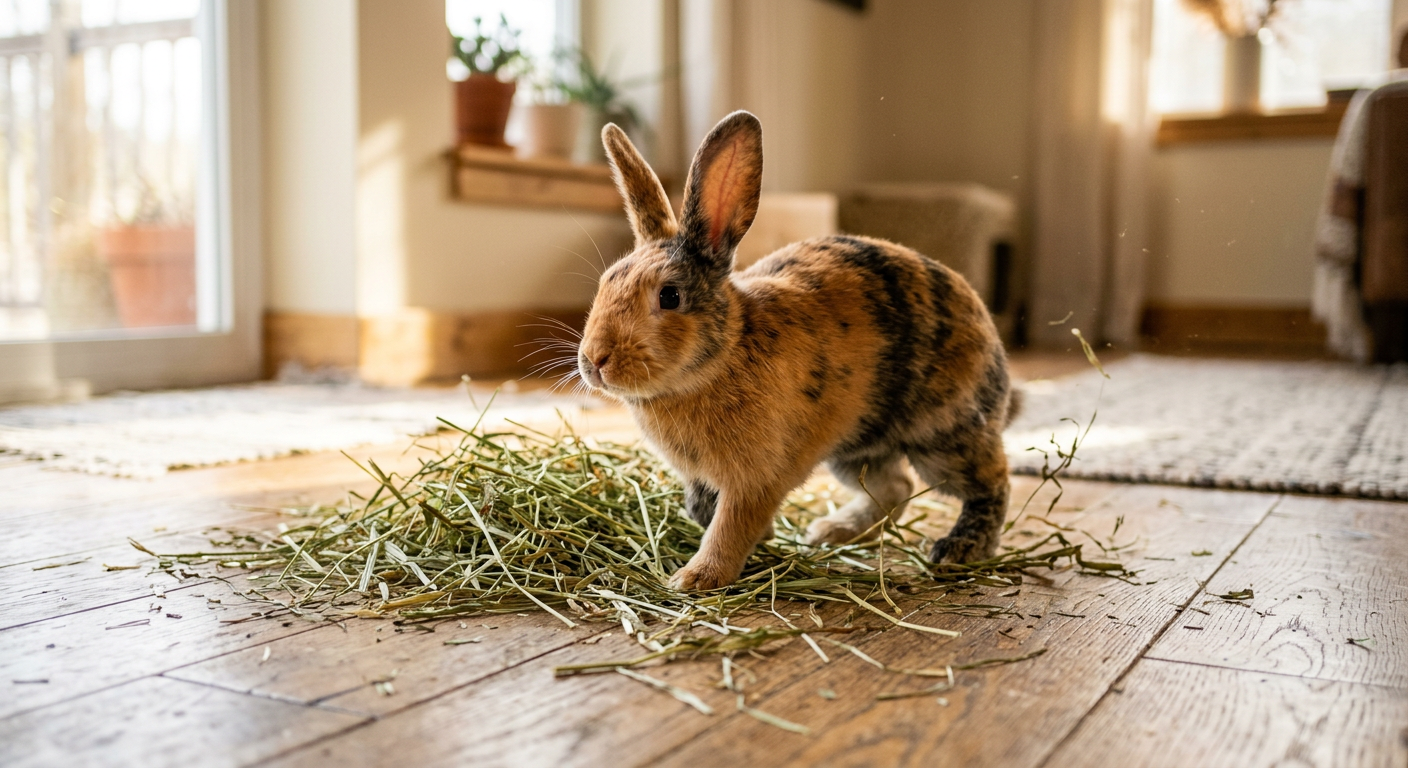
While you wait for your veterinary appointment, focus on keeping your rabbit comfortable. Ensure their environment is quiet and that food and water are easily accessible so they don't have to strain themselves. Avoid trying to "clean" the ear with cotton swabs, as this can push debris deeper and cause further discomfort.
Monitor their digestive health closely. A rabbit that is uncomfortable may stop eating their cecotropes, which are essential for their nutrition. If you find your rabbit not eating cecotropes, it is another important piece of information to share with your vet, as it indicates their normal digestive rhythm has been disrupted by the ear issue.
Proactive Wellness and Prevention
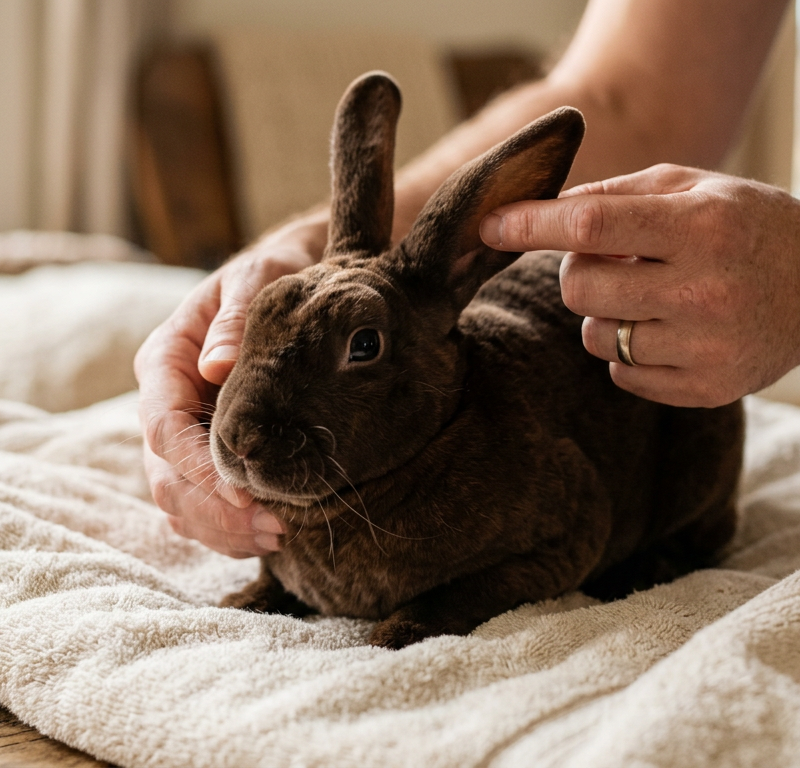
Maintaining a healthy environment is the best way to support your rabbit's ear health. This includes keeping their living area clean to prevent mite infestations and providing plenty of high-fiber hay to keep their teeth in top shape. Regular grooming sessions are the perfect time to peek inside their ears for any redness or unusual odors.
Remember that a rabbit ear drooping on one side suddenly is simply a way for your pet to communicate that they need a little extra help. By acting quickly and working with a rabbit-savvy veterinarian, most ear-related concerns can be managed effectively, returning your bunny to their happy, wiggly-eared self.
Conclusion
Seeing your rabbit with a lopsided look can be startling, but it is a manageable situation when addressed early. Whether the cause is a simple ear mite irritation or a more complex dental wellness consideration, your observation skills are your rabbit's best asset. Stay attentive to their behavior, keep their diet consistent, and always consult a professional to ensure your long-eared companion stays healthy and comfortable.